Excessive sweating — the topic no one talks about (and it affects 5% of Poles)
Hyperhidrosis is a medical condition, not a hygiene issue — and it can be treated effectively.
6 min readwritten for men
6 min read8 June 2026
Excessive sweating affects close to 1.8 million people in Poland — and most never seek help, thinking it's somehow their fault. That's a mistake. Hyperhidrosis is a disorder of nervous system regulation, and medicine now offers proven methods that genuinely change day-to-day life.
01
Hyperhidrosis — when sweating stops being normal
Sweating is one of the cleverest mechanisms in the human body. When temperature rises, several million eccrine glands switch on a cooling system that let our ancestors run through the African heat. The problem starts when this mechanism fires at full capacity for no reason at all.
Hyperhidrosis — the medical term for excessive sweating — is a condition in which the body produces sweat far beyond what thermoregulation requires. No exertion. No stress. No heat. Just hands dripping, underarms soaked, feet slipping inside shoes. And it happens every day.
02
Primary or secondary — establish the cause
Before we get to solutions, there's a key distinction to make. Doctors divide hyperhidrosis into two types.
03
Mapping the problem — where it happens and how it disrupts your life
Hyperhidrosis isn't democratic. It has its favourite locations:
Underarms (axillary hyperhidrosis) — the most common form, accounting for around 51% of cases. Wet patches on shirts, constant changes of clothing, dark colours as a defence strategy.
Hands (palmar hyperhidrosis) — affects around 25% of patients. A wet keyboard, a slipping steering wheel, avoiding handshakes. For surgeons, musicians or dentists, this can be a professional disaster.
Face and scalp (craniofacial hyperhidrosis) — sweat runs down the forehead during a conversation. People ask, "Are you okay? You look stressed." No — it isn't stress.
04
Why men have it worse
Let's say it plainly: men sweat more. This isn't a stereotype. Studies from University of Osaka confirm that men have larger and more active sweat glands than women. During physical exertion, male eccrine glands produce sweat faster and in greater volume — an evolutionary adaptation to greater muscle mass generating more heat.
The problem? When these already high-output glands become overactive due to hyperhidrosis, the effect can be extreme. And social expectations placed on men ("Just get a grip", "It's only sweat") effectively block them from seeking help. The result: men often suffer longer, and in silence.
05
The treatment arsenal — from antiperspirant to scalpel
Treating hyperhidrosis isn't about a single solution. It's a treatment ladder — you start with the simplest methods and move up if they don't work.
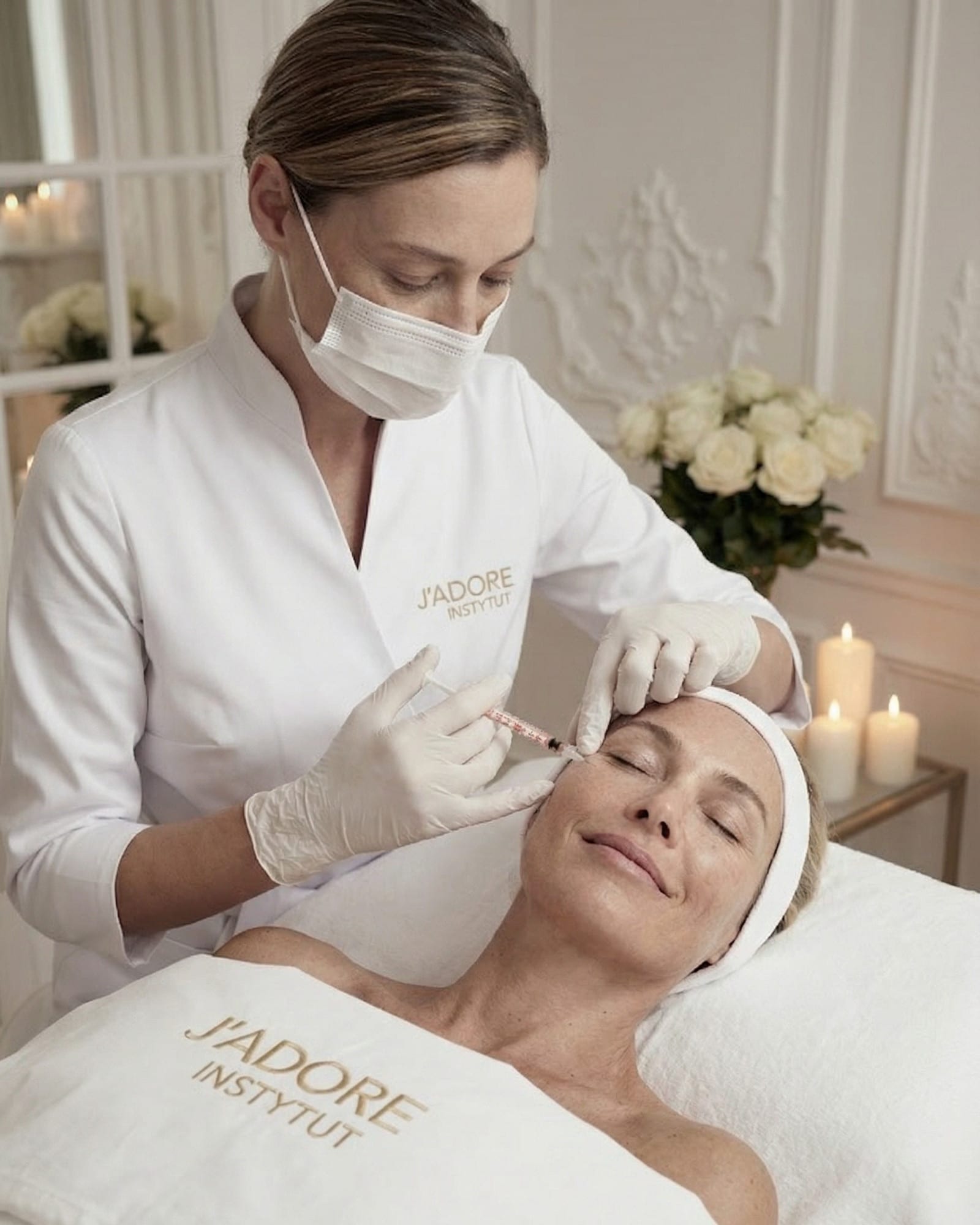
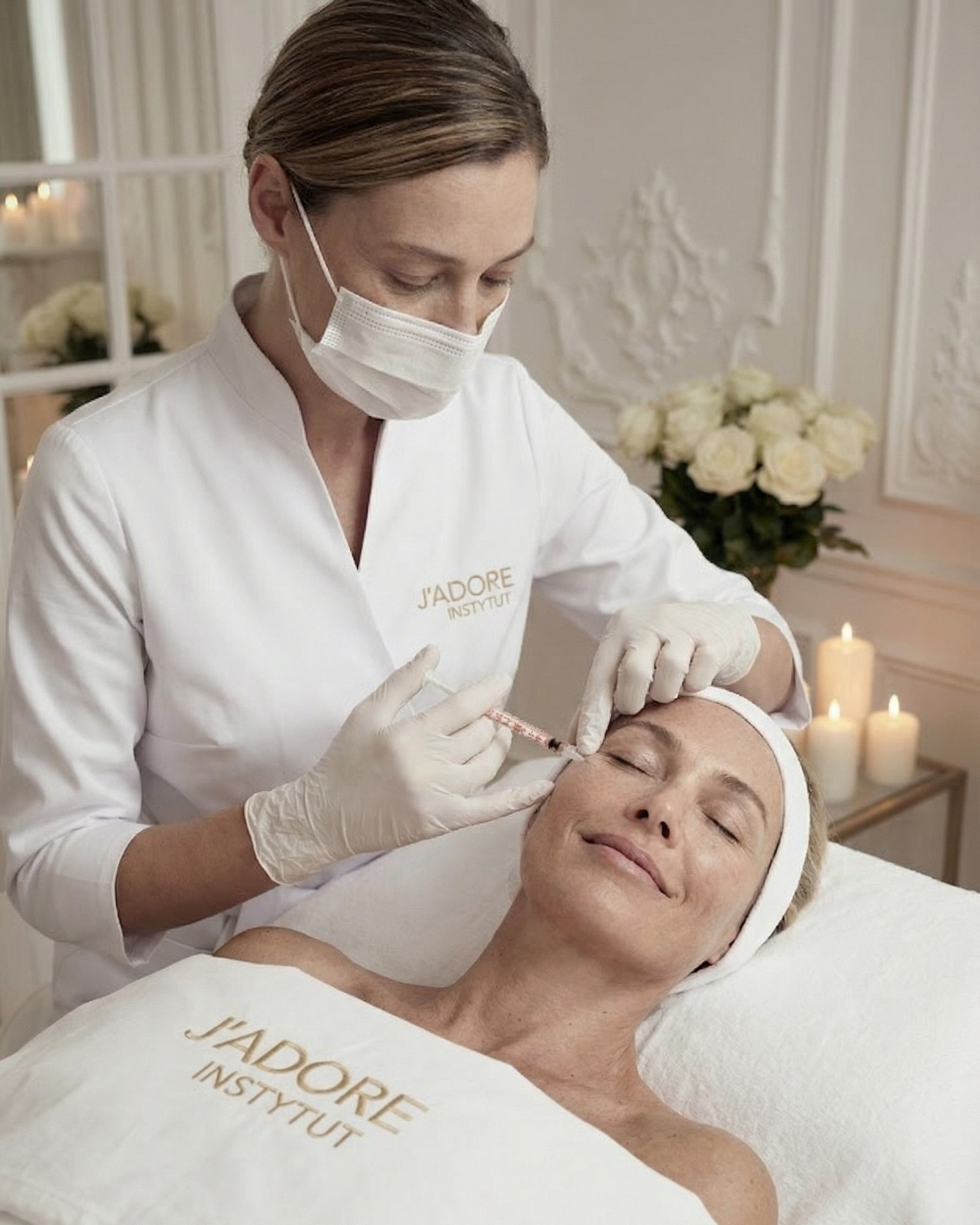
Illustrative photo. It shows an example of how the treatment is performed.
06
Normalisation — not hygiene, but medicine
Let's say this clearly and loudly: excessive sweating is not the result of poor hygiene. Someone with hyperhidrosis can shower three times a day, use the most expensive antiperspirant, and wear breathable clothing — and still sweat. Because this is a disorder of autonomic nervous system regulation, not a lack of effort.
07
When to seek help
If you meet at least two of the criteria below, it's worth booking a consultation:
You sweat heavily at least once a week with no obvious cause
Sweating interferes with daily activities (work, relationships, sport)
The problem started before age 25
Someone in your family has a similar issue
The sweating is symmetrical (affecting both sides of the body)
You don't sweat at night, unlike during the day
08
In closing
We live in a time when talking about mental health is no longer taboo. It's time excessive sweating joined that same category — problems that are discussed openly and treated effectively.
At J'ADORE INSTYTUT, treating hyperhidrosis with botulinum toxin is one of the more frequently performed aesthetic medicine treatments — particularly among men who want to finally stop planning their wardrobe around wet patches. The treatment is carried out by certified specialists, and the effect can last for several months. A consultation will help determine whether botulinum toxin is the right option for you.