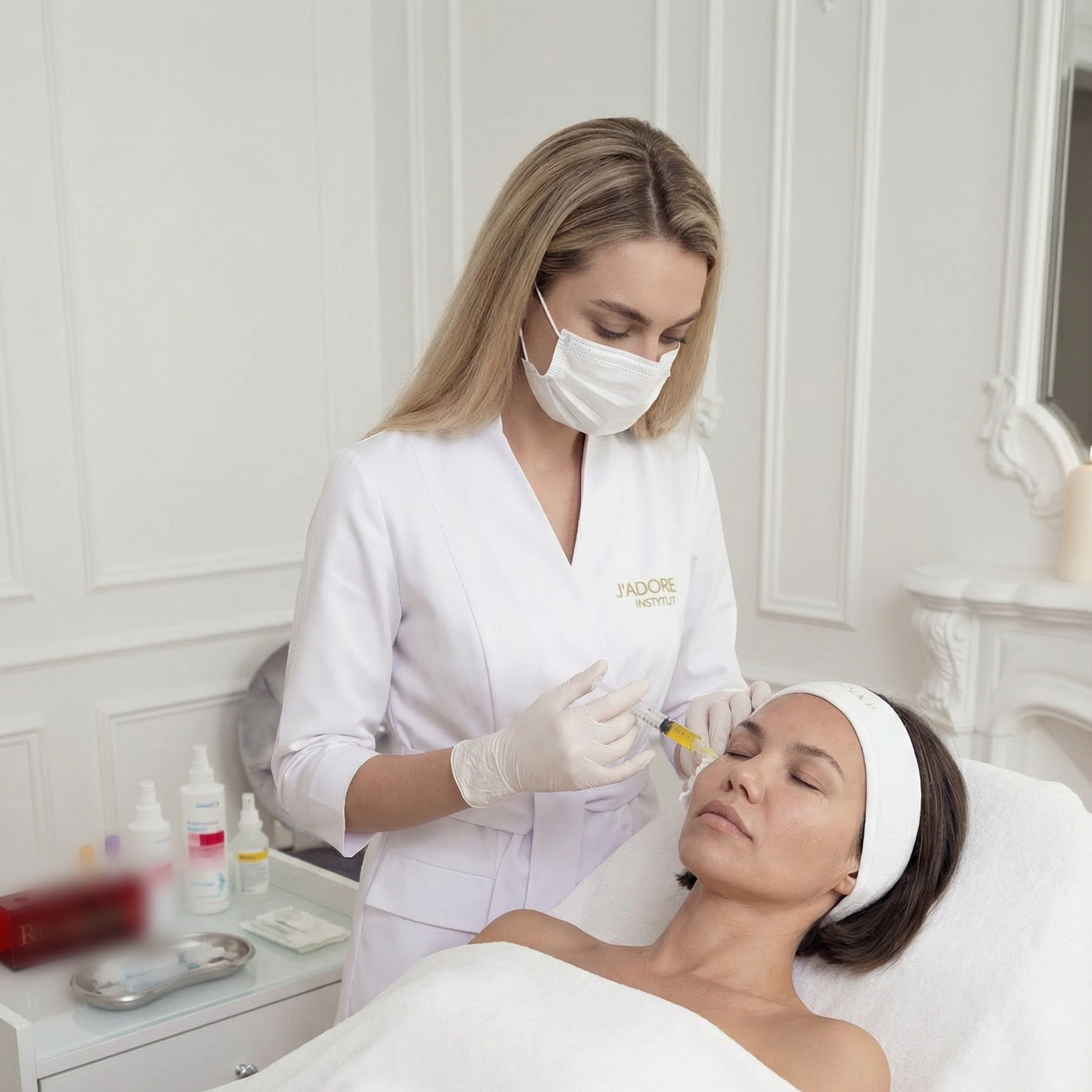
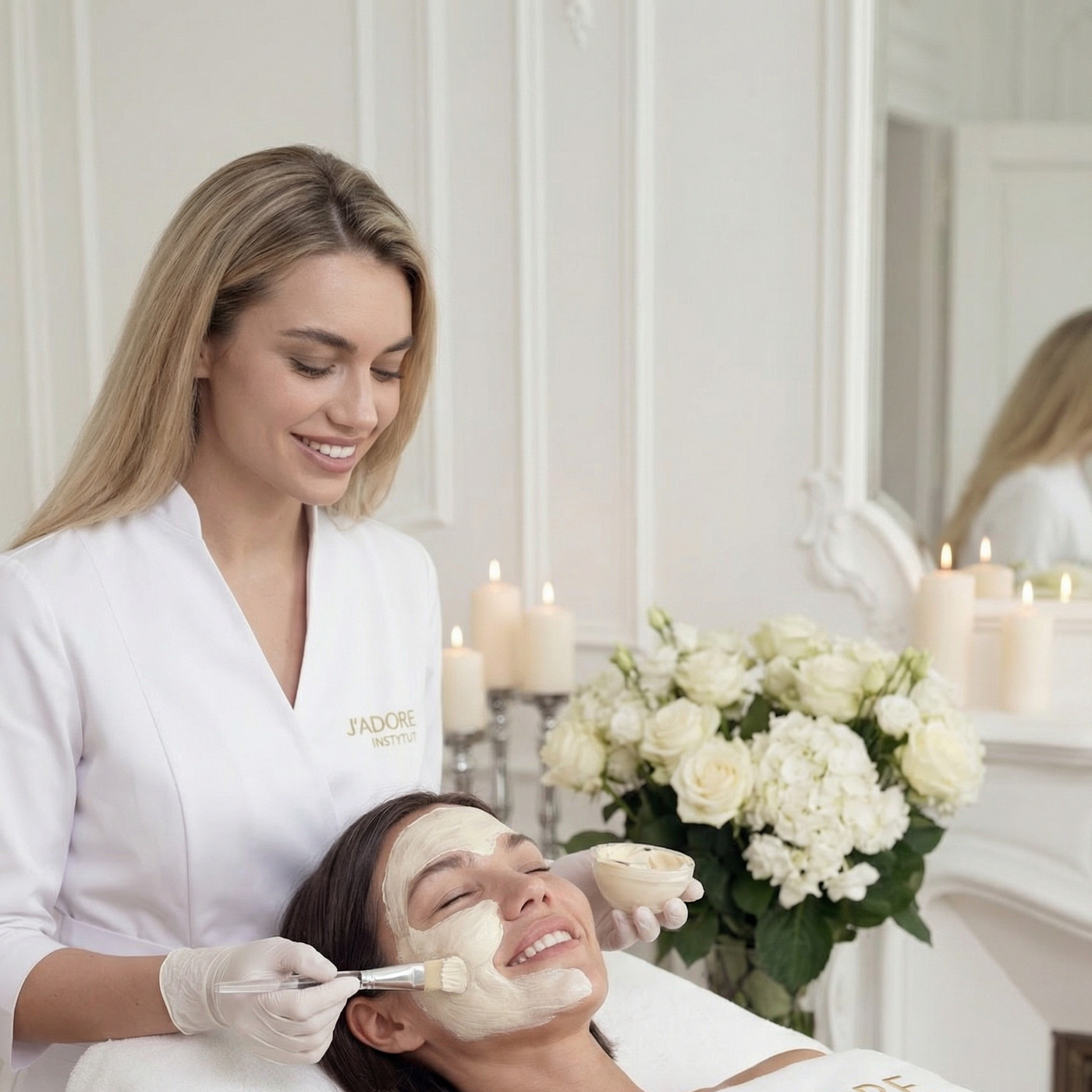
WarszawaŻelazna 59WarszawaMińska 29AKrakówKarmelicka 45Warszawa · Kraków

Careers

ENPL

Full perspective

PRP plasma for women

PRP and women's skin — what really happens
The most common goal is improving skin quality, radiance and firmness the natural way — regenerating the face, the delicate eye area, décolletage and hands. It works well for tired, dehydrated skin that's losing density, and as support after treatments that "damage" the skin barrier. This is classic PRP for women.
Czas
around an hour (including collection and preparation)
Efekt
several months to over a year after the series
Regeneracja
minimal — redness, sometimes minor bruising for a few days
Seria
series of 3–4 sessions roughly monthly + maintenance
Wykonuje
doctor or experienced cosmetologist
ListenPRP plasma — this whole page read aloud
WatchPRP plasma — how it looks with us

When it's worth it — indications

  • Tired, grey skin — lacking radiance, losing elasticity and density.
  • Thin, low-density skin that needs regeneration, including dehydrated, "overworked" skin.
  • The eye area — shadows and a tired look, delicate skin in need of renewal.
  • Décolletage and hands — areas that show age fastest.
  • Thinning hair and early hair loss (scalp), including male pattern baldness (AGA).
  • Regeneration after other treatments — support and faster healing after laser or microneedling.
  • A wish for natural regeneration — without introducing foreign substances into the skin.

The areas we work on

  1. facial revitalisation: radiance, firmness, a "well-rested" look;
  2. delicate eye area — shadows and a tired look;
  3. décolletage and hands — areas that give away age;
  4. part of a "skin quality" plan alongside fillers or Botox.
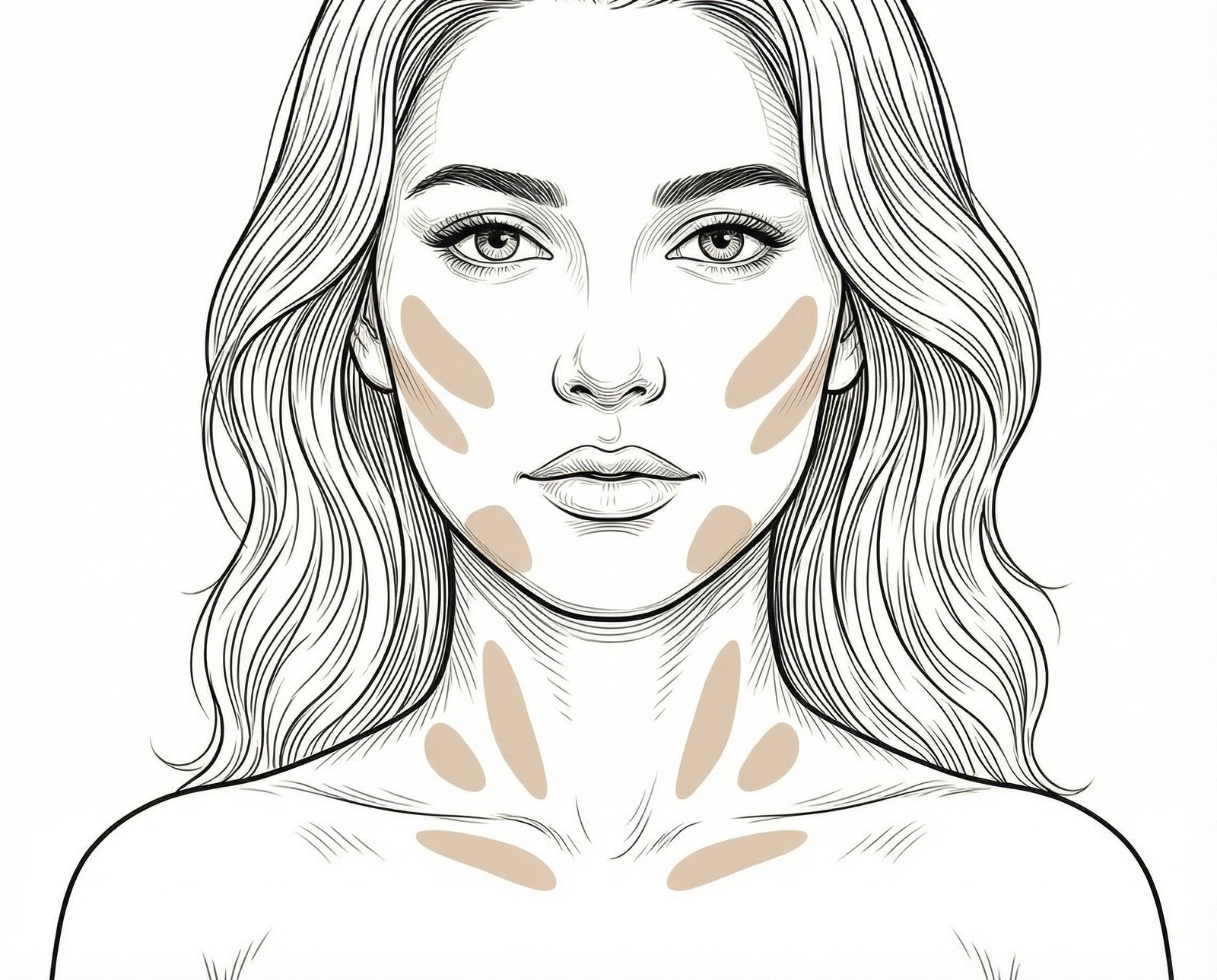
Rysunek stref zabiegowych — twarz, szyja i dekolt, sylwetka kobiecaForeheadPoliczkiSzyjaDécolletage
Indicative map of the areas

PRP and women's skin — what really happens

Women's skin has its own anatomy and its own rhythm — thinner than men's, more responsive to hormones, prone to under-eye shadows and loss of density after thirty. That's why PRP for women isn't just "anti-ageing" — it's regeneration tailored to how women's skin ages and what it actually loses.

Where plasma delivers the most for women

Women choose PRP for several very specific reasons — and each has its own anatomical basis:
  • Eye area — thin under-eye skin is one of the first areas to show tiredness and shallow shadows. Plasma improves microcirculation and density in this particularly delicate area, which retinol or moisturiser can't reach deeply enough.
  • Face after pregnancy or menopause — hormones significantly affect the pace of skin regeneration. After pregnancy, skin can look grey and lacklustre, with thinning hair. During menopause, skin loses collagen faster than ever before. PRP acts like a biological reset at both stages.
  • Décolletage and hands — these are areas women often skip in daily care, yet they give away age just as clearly as the face. Plasma revitalises skin here that isn't used to any intensive support.
  • Acne scars and uneven texture — collagen remodelling driven by growth factors evens out the surface without resorting to more aggressive methods.
  • A natural "skin booster" — for women looking to improve skin quality without introducing foreign substances, PRP is the answer. The result looks like "a better version of your own skin", not the result of a treatment.

PRP in your care plan and as a complement to other treatments

One of plasma's biggest advantages: it pairs excellently with other methods and often enhances their effect:
The order and intervals are always set by a specialist — it's important that PRP isn't done too close to other treatments that disrupt the skin barrier.
  • Alongside biostimulators, Profhilo or polynucleotides, PRP forms a complementary track for improving skin quality.
  • In a plan alongside fillers or Botox, PRP looks after structure and radiance "in the background", while other treatments handle volume and expression.

Frequently asked questions

When can I wear makeup after a facial treatment?
Skip makeup around the injection points for 24 hours — a light foundation and concealer can be applied the next day. On the day of the treatment, avoid powder and don't rub the skin. After 24 hours, you're back to your full routine with no restrictions.
I'm pregnant or breastfeeding — can I have PRP?
No. Pregnancy and breastfeeding are contraindications for this treatment — see the Contraindications section for details. If you're planning a pregnancy in the near future, you can complete a series beforehand — discuss timing with a specialist at your consultation.
Can I combine PRP with retinol and acids in my daily skincare?
For your everyday routine, keep retinol and acids on your usual schedule. Around the treatment itself — a few days before and after — skip stronger formulas so you don't irritate skin that's regenerating. Schedule professional peels and acid treatments a few weeks apart from PRP.
Will the result look natural, or will it be obvious that "something was done"?
PRP doesn't change your features or add volume — it improves skin quality. The result is a better, more rested version of your own skin. People usually say you look well or well-rested — they won't ask what you did.
Can I combine PRP with Botox or fillers?
Yes, it's a common and logical plan. PRP looks after skin quality and regeneration, Botox handles expression lines, and fillers handle volume. Together they complement each other without interfering with their respective mechanisms. The order and intervals between treatments are set by a specialist at consultation.

Where we offer it

PRP plasma for women — we perform it in three J'ADORE INSTYTUT salons: two in Warsaw and one in Krakow.

  • WarszawaŻelazna 59 · Wola · Mirów
  • WarszawaMińska 29A · Praga-Południe · Kamionek
  • KrakówKarmelicka 45 · Stare Miasto · Piasek

Price list

1 ampulka

1 000 zł

  • Żelazna1 000 zł
  • Mińskanot available at this salon
  • Karmelickanot available at this salon
Book a visit

Prices come from the salon price lists. The choice of cocktail and the number of sessions is decided by your specialist at the consultation.