Mature skin after 50 — how to care for it, and which treatments help?
After 50, skin needs a different strategy — and some treatments genuinely make a difference.
7 min read6:13 of audiowritten for women
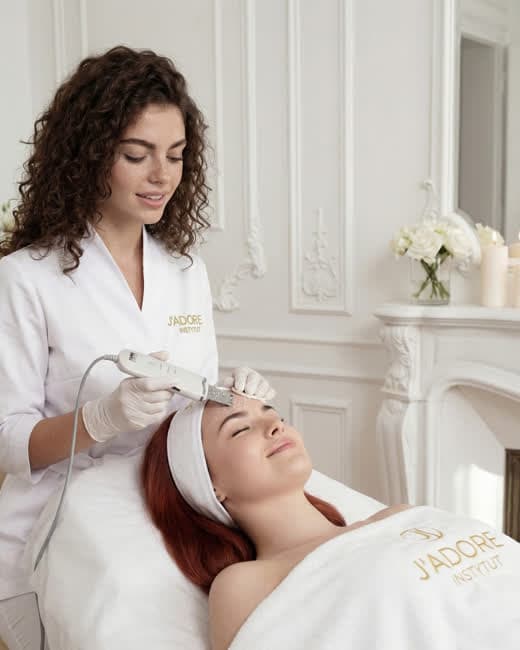
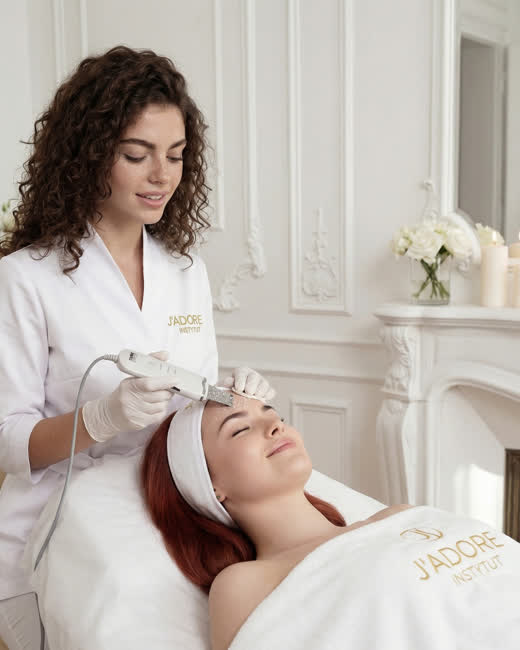
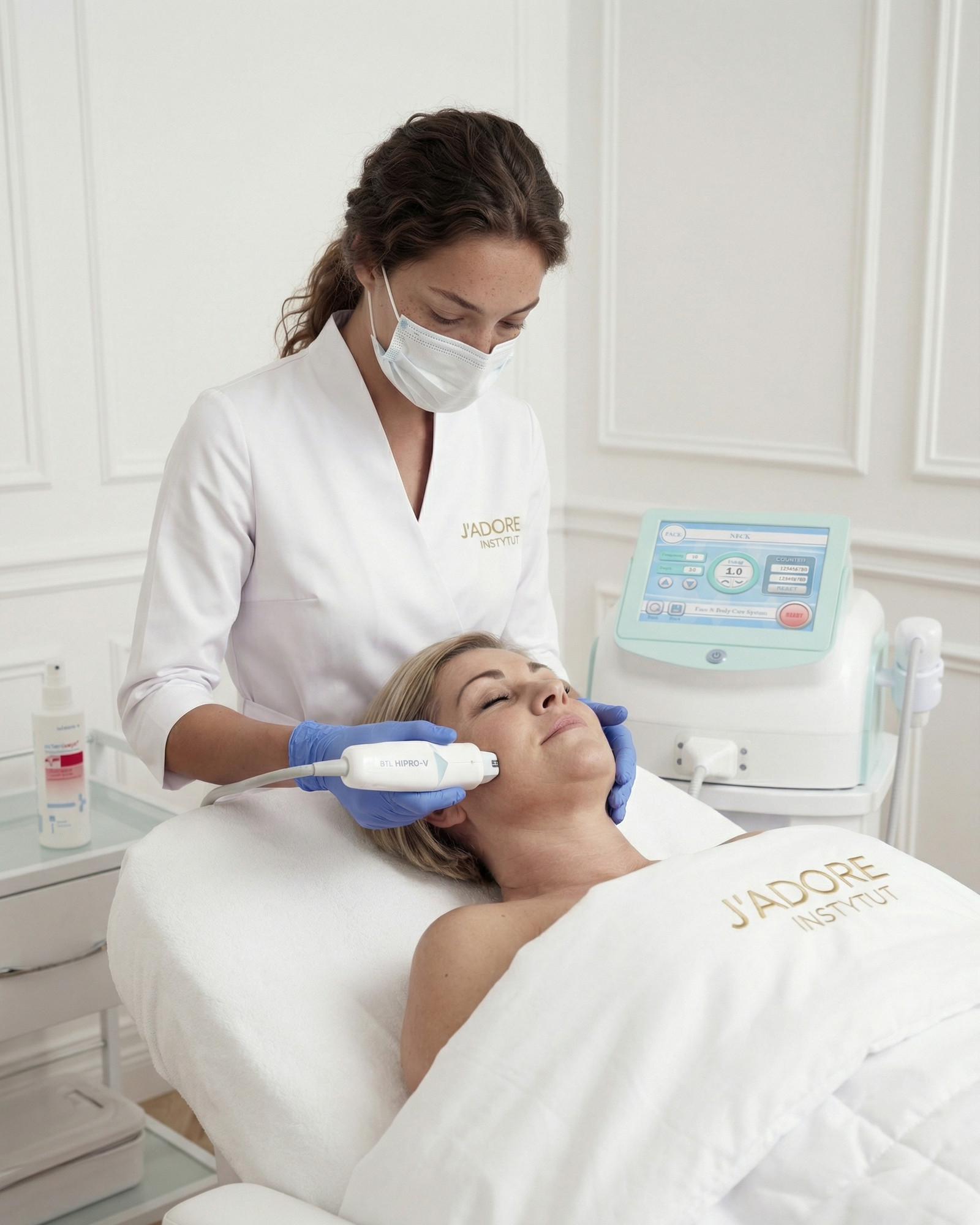
Illustrative photo. It shows an example of how the treatment is performed.
You are listening0:00 of 6:13
Listen to the article
read by Kore · 6:13
0:006:13
7 min readread by Kore20 July 2026
After 50, skin changes on several fronts at once. It loses collagen, volume and elasticity. Menopause speeds up these processes — for decades, oestrogen acted as the skin's natural guardian. Skincare and treatments need to adapt to this new reality.
01
What happens to skin after 50?
The changes that occur in skin after menopause have very specific biological causes. Understanding them helps you choose the right response — both in daily skincare and in the salon.
Collagen loss — after menopause, skin can lose a significant share of its collagen reserves within a few years, showing up as wrinkles and laxity
Oestrogen deficiency — oestrogen supports collagen and hyaluronic acid synthesis; as levels drop, skin often becomes thinner and greyer
Subcutaneous fat loss — fat redistributes from the face to the abdomen, so cheeks and temples can hollow out
Slower epidermal turnover — the cell renewal cycle lengthens, often giving skin a dull look and a rough texture
Reduced sebum production — skin becomes drier and more prone to irritation
02
Skincare priorities after 50
Home care cannot replace salon treatments, but it lays the foundation for how long treatment results last. A few ingredients matter most in this decade.
03
Salon treatments — where to start?
For mature skin, it's essential to work on several levels at once: collagen stimulation, volume replenishment, skin quality improvement and structural lifting. Below are the treatments we most often recommend after 50.
04
Eye area mesotherapy
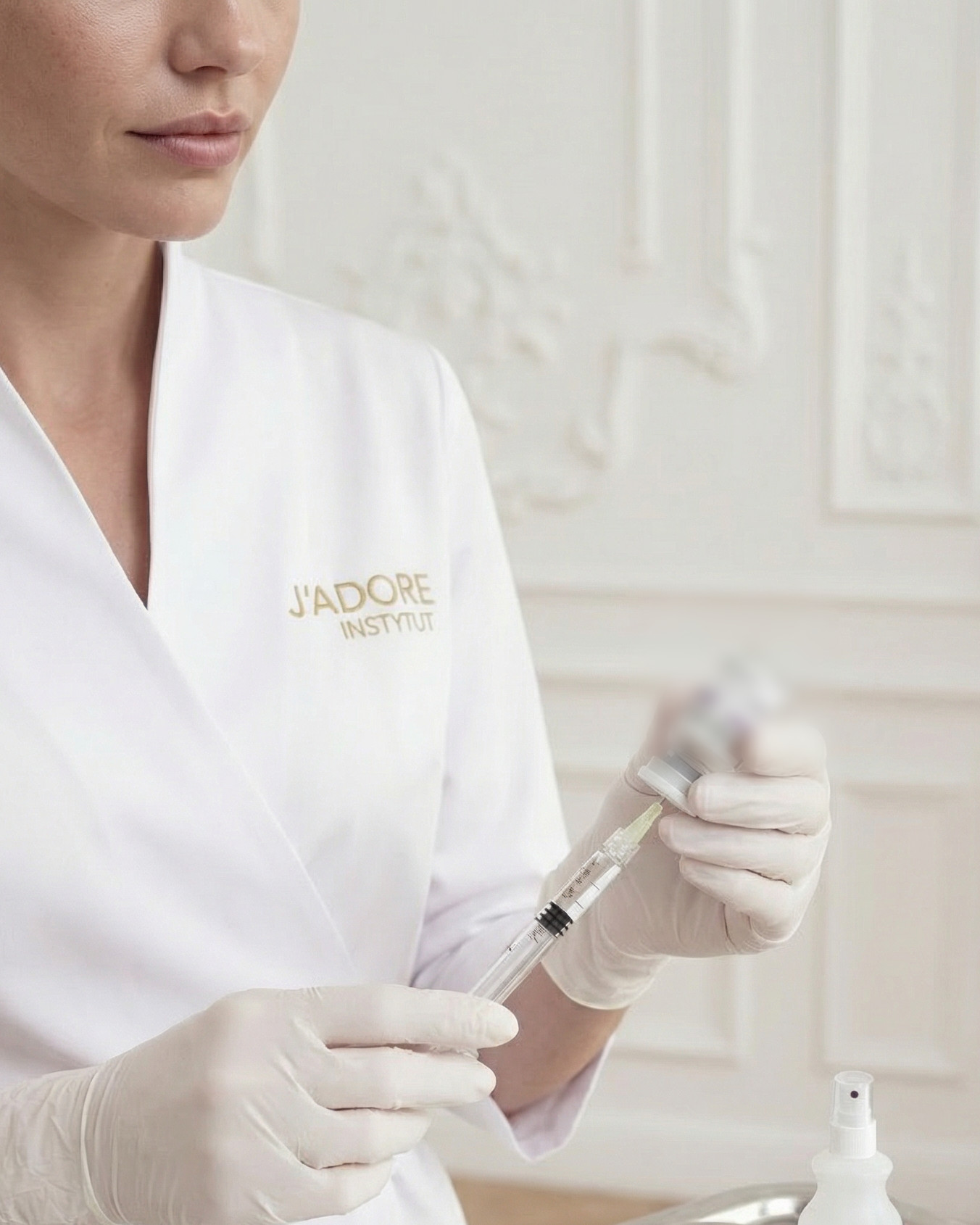
After 50, the eye area often needs its own strategy. Skin here is the thinnest on the face, fat loss shows earlier, and radial wrinkles — crow's feet — deepen. Mesotherapy around the eyes with regenerating formulas can improve hydration and firmness, and smooth fine lines — gently, without overdoing it.
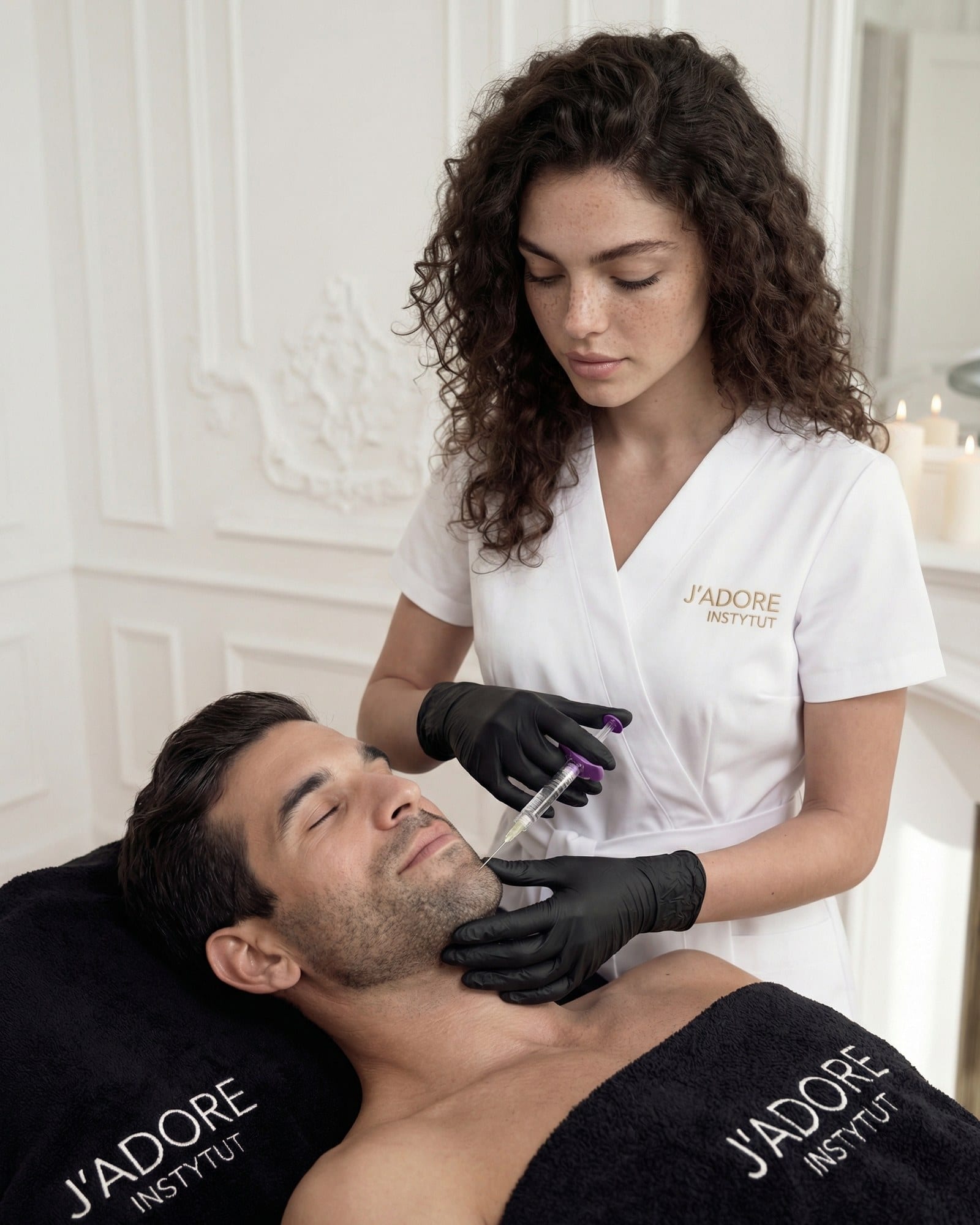
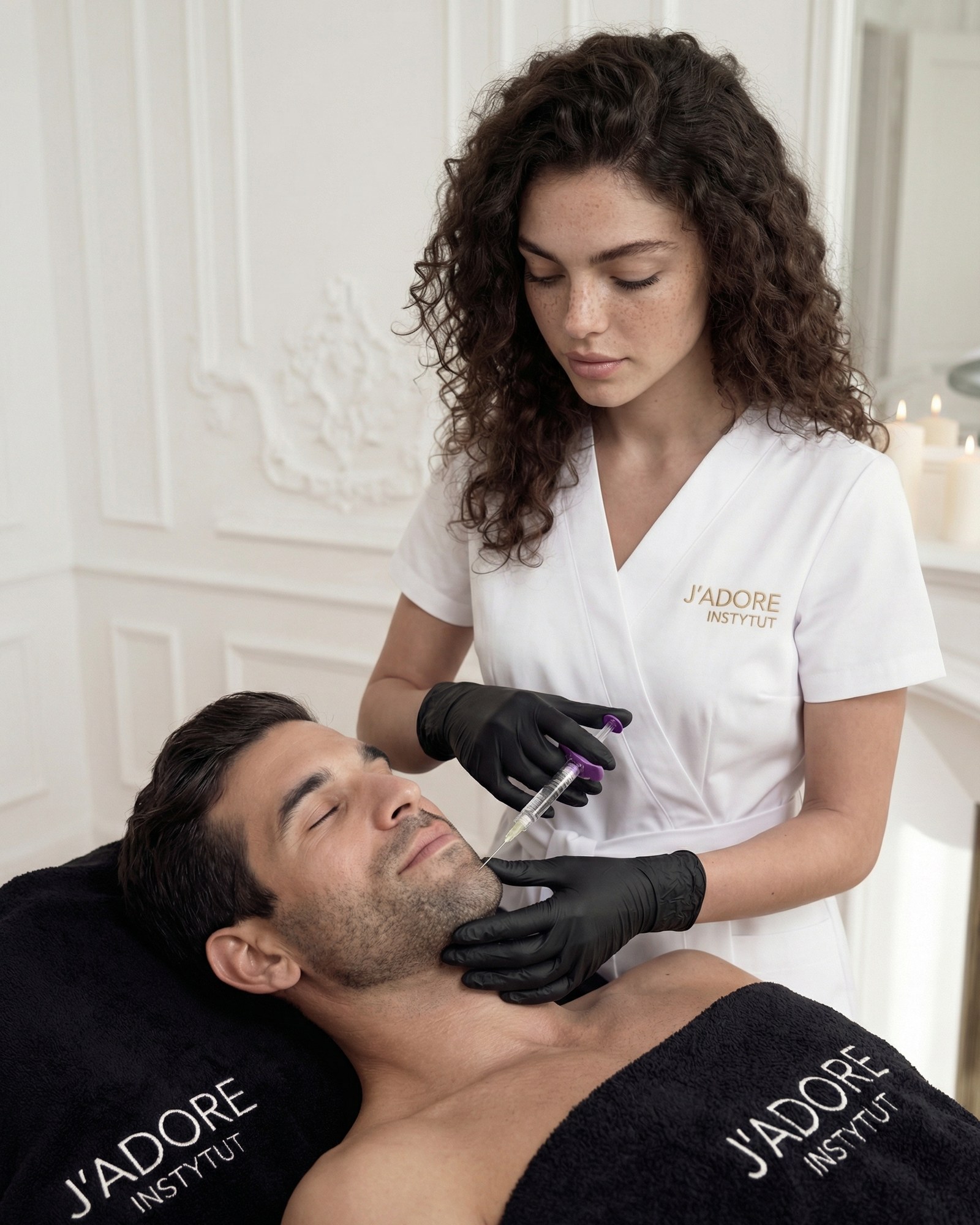
Illustrative photo. It shows an example of how the treatment is performed.
05
How to plan treatments across the year?
Effective care for mature skin is a programme, not a single treatment. Individual methods complement each other and work on different levels — so it's worth planning ahead.
Stage 1 (foundation): Sculptra — collagen stimulation and volume restoration, series of sessions
Stage 2 (skin quality): an HA skin biostimulator — initial series and maintenance depend on the product and clinical assessment
Stage 3 (lifting): HIFU — for sagging tissue, once a year or as needed
Stage 4 (texture and tone): Medical peels or laser — series of sessions, often in spring or autumn
Complementary stage: Eye area mesotherapy — as needed
06
Summary
Mature skin after 50 isn't a "problem to fix" — it's a new phase that calls for a new approach. Combining consistent home care (hydration, retinol, SPF) with a well-chosen treatment strategy can achieve results that, just a decade or so ago, were only possible with surgery.
At J'ADORE INSTYTUT, we offer consultations where we assess your current skin condition and propose a plan tailored to you — never a template. If you'd like to know where to start, we welcome you at one of our salons in Krakow or Warsaw.