Combination skin — how to care for it and which treatments work?
One solution for two skin types on the same face.
7 min read3:21 of audio
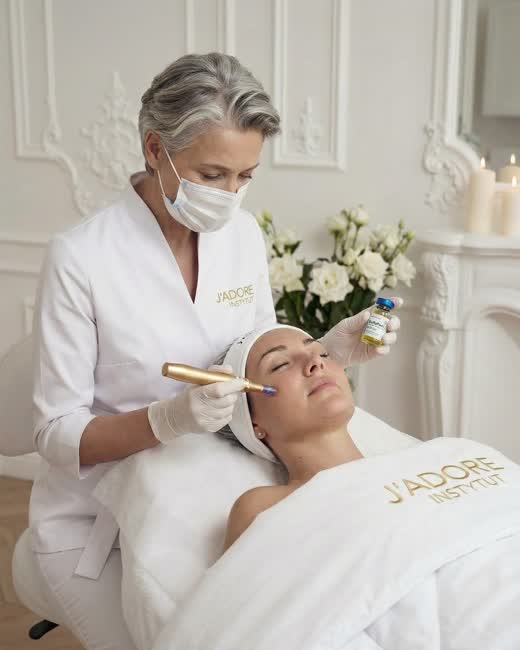
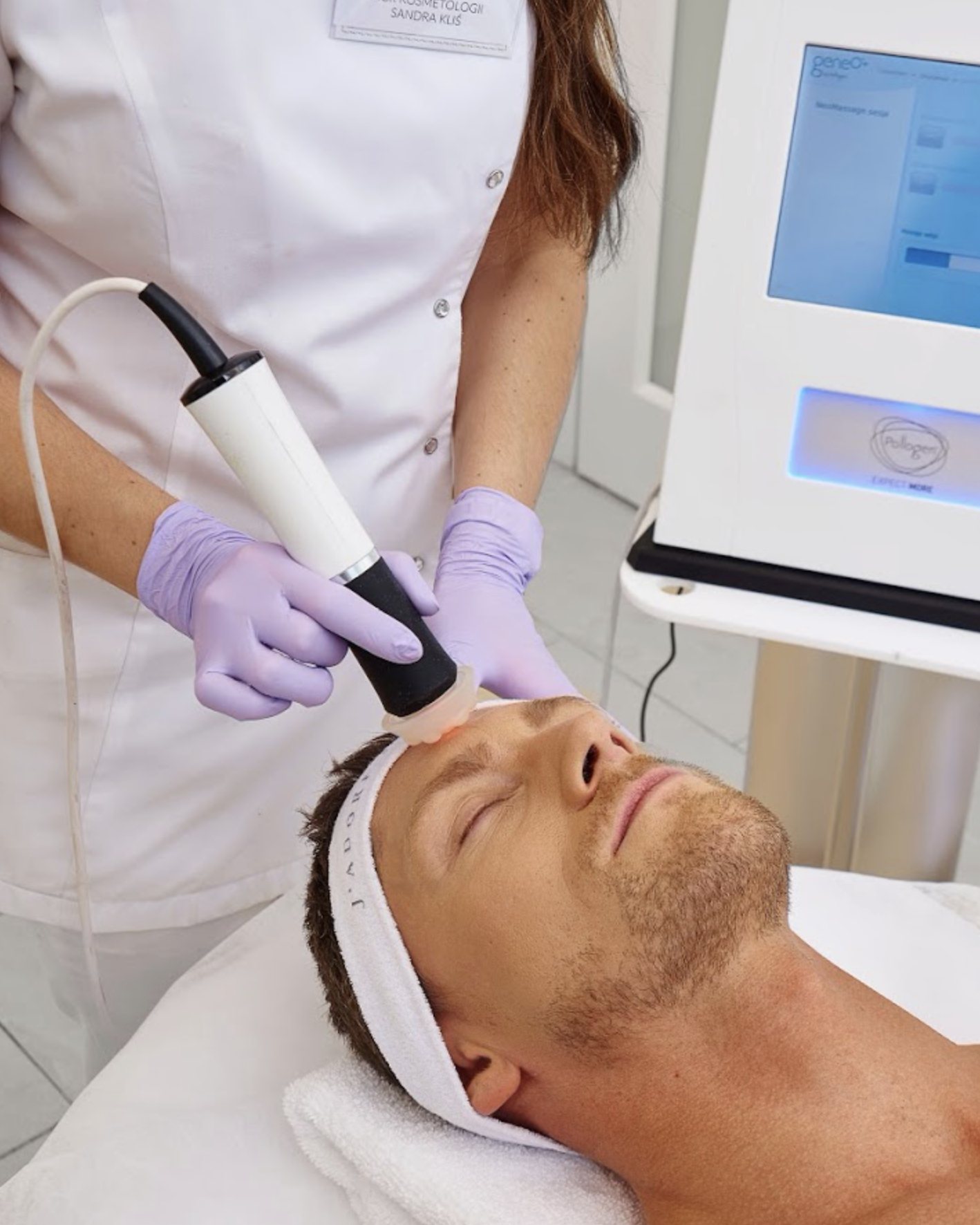
Illustrative photo. It shows an example of how the treatment is performed.
You are listening0:00 of 3:21
Listen to the article
read by Algenib · 3:21
0:003:21
7 min readread by Algenib23 July 2026
Combination skin combines two different skin types on the same face. The T-zone — forehead, nose, chin — tends to be oily, shiny and prone to blackheads. The cheeks, meanwhile, can be dry or feel tight. One cream rarely meets both needs at the same time.
01
Why does combination skin behave this way?
The T-zone has the highest density of sebaceous glands on the face. Androgens stimulate sebum production — this causes shine, blackheads and enlarged pores. The cheeks have fewer glands, so they're more often dry or dehydrated.
Air conditioning and heating — increase dryness on the cheeks
Stress — can increase sebum production in the T-zone
A diet rich in sugar — often worsens excess oiliness
Age 20–35 — the typical peak for combination skin
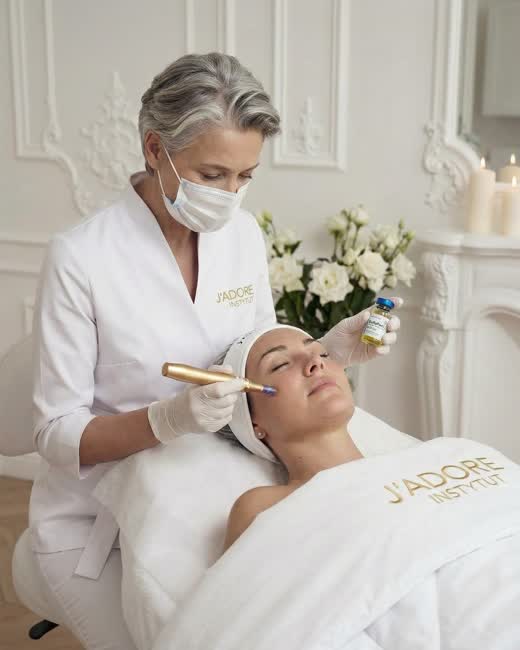
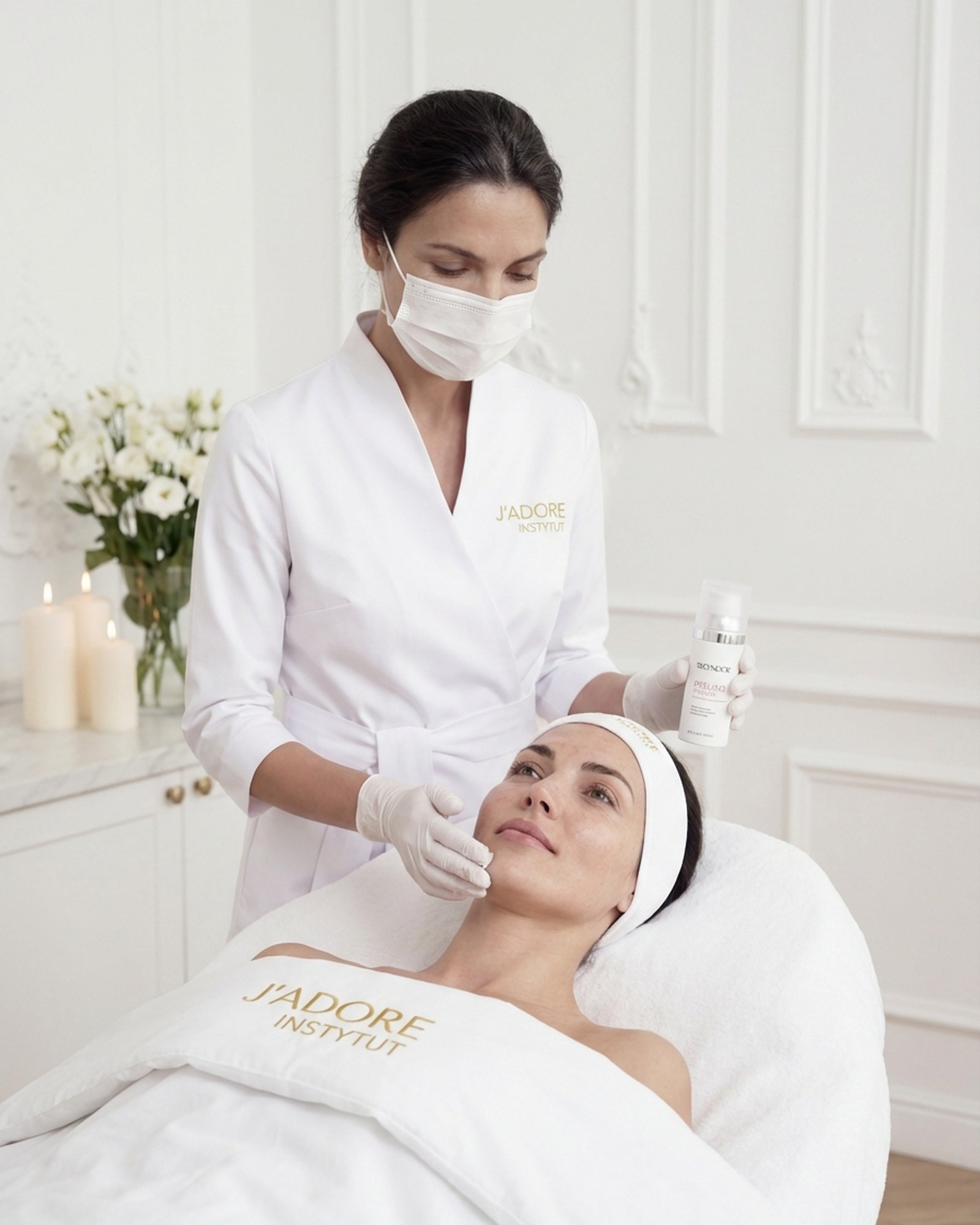
Illustrative photo. It shows an example of how the treatment is performed.
02
In-salon treatments
03
Home care for combination skin
The biggest mistake with combination skin is using one product across the whole face. It's better to work zone by zone — a different approach for the T-zone, another for the cheeks.
Cleansing: BHA gel on the T-zone, gentle milky cleanser on the cheeks
Toner: 5% niacinamide across the whole face — regulates sebum and strengthens the barrier
T-zone hydration: a light gel without heavy oils
Cheek hydration: a cream with ceramides or oil-based ingredients
2% BHA applied in the evening, spot-treated — nose and forehead only
SPF 30–50, non-comedogenic, across the whole face (a light emulsion or fluid)
04
What to avoid with combination skin
A few habits can make the problem worse rather than better — it's worth removing them deliberately from your routine.
Heavy creams across the whole face — can clog the T-zone and increase blackhead formation
Very strong drying products on the T-zone — skin often responds by producing even more sebum
Skipping SPF because skin feels "oily" — UV damages the skin barrier and can worsen excess oiliness
Alcohol-based toner across the whole face — dries out the cheeks and can drive the T-zone to overproduce oil