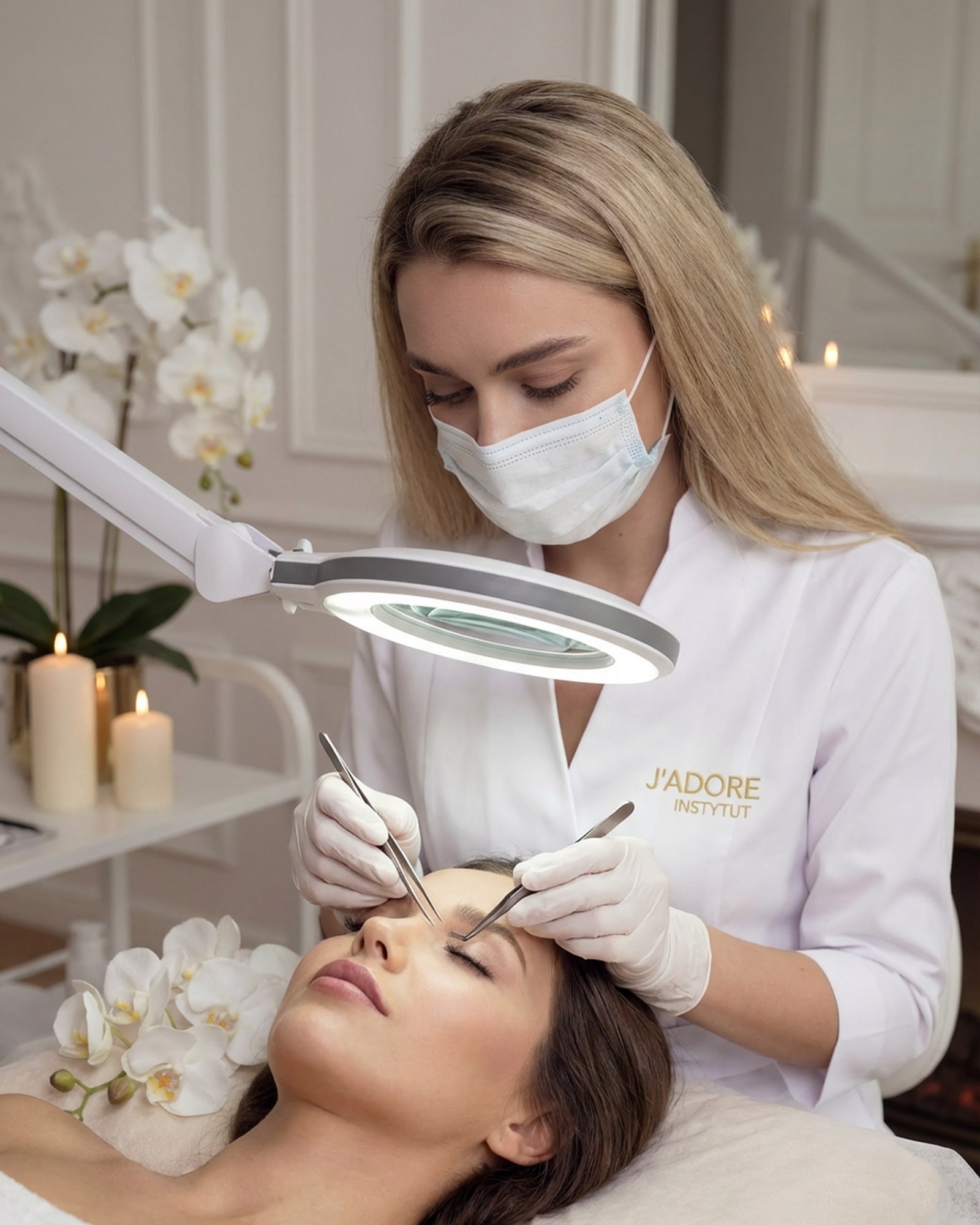
The first two hours: do not judge the colour in harsh light and do not rub the skin
After removing the product, the skin may be slightly reddened from cleansing, mapping, and shaping. Warm redness changes the perception of the colour, as does a strong lamp at the workstation. Look at the shape, symmetry, and borders, but do not assume the saturation will remain identical.
If the shape clearly goes beyond the agreed plan, report it before leaving the salon. A fresh, minor correction is easier for someone who knows the product used and the exposure time. Home rubbing with an alcohol pad can blur the border, irritate the skin, and remove more dye from one side.
- Do not scratch the skin after shaping.
- Do not apply foundation to the freshly irritated area.
- Do not brush your brows with a dirty spoolie.
- Keep the product name if you have a history of allergies.
The first day: water is not a disaster, but steam, friction, and cosmetics accelerate uneven fading
The salon may recommend limiting wetting for the first day according to the product protocol. This does not mean panically avoiding a single drop. The problem is long soaking, hot steam, intense sweating combined with wiping, and multi-stage cleansing immediately after the treatment.
When washing your face, avoid the brows with active gel and dry the area by gently pressing a clean towel. Do not rub the hairs several times, as this is when it is easiest to create a lighter patch. Leave greasy cream, oil, and two-phase make-up remover for other parts of the face.
Days two and three: the colour on the skin begins to soften faster than on the hairs
Natural exfoliation of the epidermis makes the powder filling lose its sharpness. The front of the brow often becomes lighter sooner, especially if it was applied for a shorter time to achieve a gradient. This does not have to mean a mistake. It is important whether the fading is even and consistent with the intended shape.
Oily skin, training, frequent washing, and products that dissolve make-up can shorten the visibility of the dye on the skin. There is no cosmetic that will lock pigment in the epidermis for a time comparable to permanent pigmentation. Henna may still be visible on the hairs when the powder effect between them has already weakened.
Do not perform exfoliation around the brows to even out a single lighter patch. You will also remove the dye from the adjacent area. If the asymmetry is clear, take a photo without a filter and contact the salon.
Days four–seven: care for the hairs, but do not keep the trace on the skin at all costs
After a few days, the brows usually look more natural. You can return to normal washing without scrubbing. When applying SPF, do not avoid the skin around the brows, but do not rub in a heavy layer repeatedly. Protecting the skin is more important than maximally extending the henna patch.
If the hairs are dry after dyeing, use the preparation recommended for the specific henna. Home oil can improve the feel of the hair, but at the same time dissolve the trace on the skin faster. This is a trade-off, not a product defect.
Normal fading
observe
- the colour gradually softens
- the skin does not itch or swell
- the hairs remain coloured longer
- the front of the brow is lighter than the tail
Reaction requiring contact
do not wait it out
- increasing swelling of the eyelids or brows
- severe itching and blisters
- oozing or painful cracks
- shortness of breath or widespread hives
Sauna, swimming pool, and training shorten the effect mainly through heat, moisture, and friction
Long stays in steam, chlorinated water, and frequent face wiping can accelerate the disappearance of the dye from the skin. If you want a defined effect for an event, plan these activities before the henna or after the first stabilisation period indicated by the specialist.
This is not a ban on movement for a week. Training a few hours after the treatment combines sweat, touching with a towel, and a shower. In later days, exercise normally, but dry your face without scrubbing the brows.
Powder brows will not physically thicken the brows and will not recreate hairs in a scar area. The skin colour may briefly mask the gap, but after it fades, the lack will still be visible. For a growth goal, a different conversation is needed than choosing a darker henna.
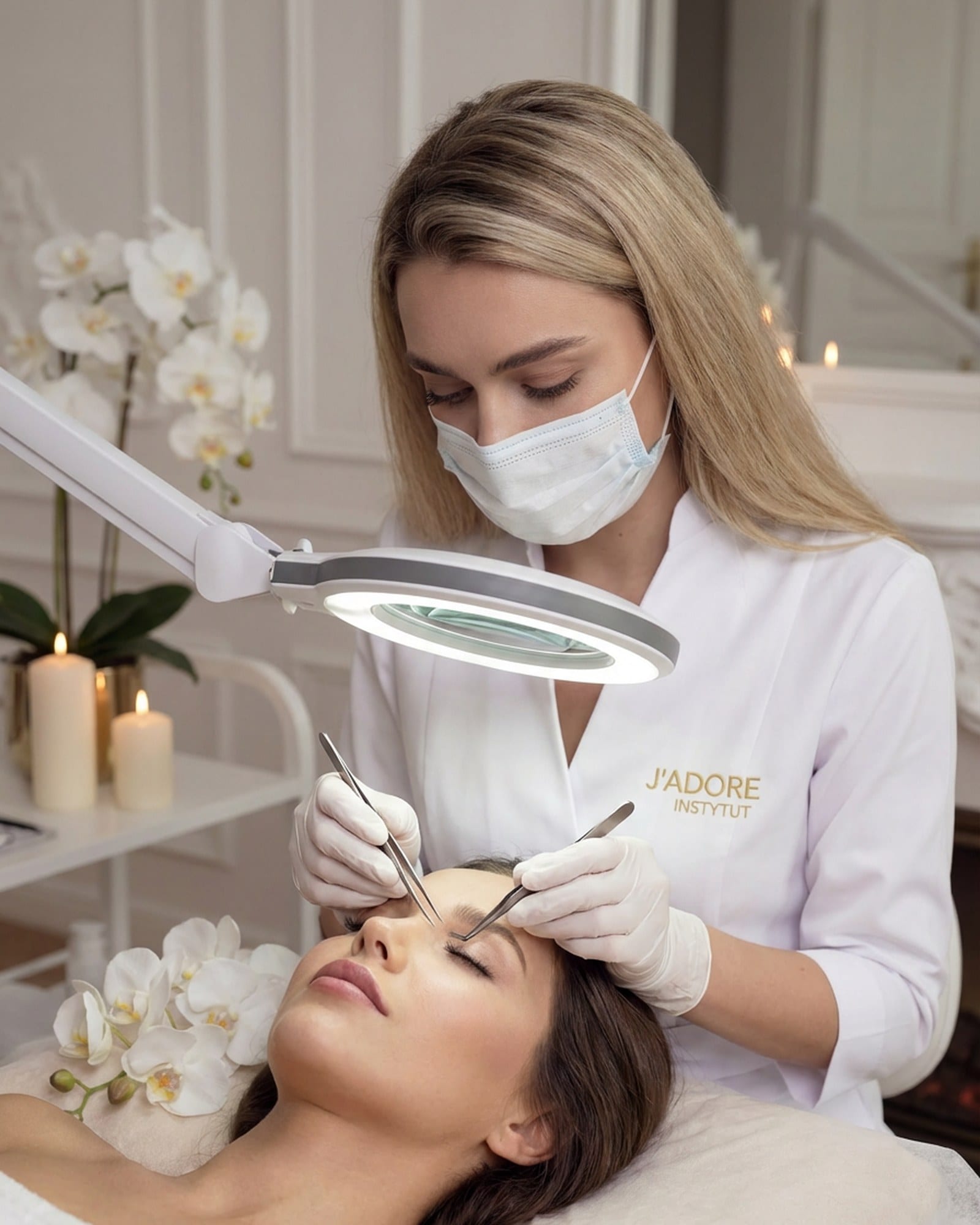
Correction requires determining whether the problem is saturation, tone, or shape
"Too dark" can mean too strong a trace on the skin on the first day, too cool a shade of the hairs, or a graphic front. Each problem requires a different solution. Before contacting the salon, take a photo in daylight, without make-up and camera filters.
Do not apply another dye, hair lightener, or acid yourself. Mixing products with an unknown composition increases the risk of irritation and makes assessment difficult. The salon should state when a correction can be safely performed.
Make-up, further colouring, and documentation: decisions after the first week
If you want to use gel or pencil the next day, first look at the skin without products. Make-up can hide increasing redness, blisters, and minor oozing. With calm skin, return to cosmetics according to recommendations, using clean applicators. An old spoolie from a make-up bag is not a good tool after irritation.
Do not correct the graphic shape with heavy concealer on a freshly shaped area. If hairs were removed with wax or tweezers, the epidermis may be more reactive. Applying several layers and then scrubbing them off creates a greater risk of uneven fading than leaving the colour until the next day.
When you care about photos for an event, do a henna test earlier. You will learn the fading pace and tone on the hairs. A new product, a new stylist, and a maximally graphic effect the day before an important deadline create three variables without a margin for a calm correction.
The trace on the epidermis may disappear sooner than the colour of the hairs. This does not mean you need to repeat the dyeing immediately. The next application should consider the condition of the hair, skin, previous reaction, and product instructions. Frequent attempts to maintain the powder patch can burden the area without a lasting solution.
Between visits, use make-up if the skin is healthy, but do not add random henna just to a lighter spot. A different composition, shade, and action time can leave two tones and make further mixing in the salon difficult. Temporariness is a feature of the method, not a defect to be fixed with more frequent chemicals.
Record not only the number of days of durability but also the way it fades: first the front, middle, or tail; evenly or in patches; without symptoms or with itching. Such a diary allows you to change the preparation, exposure time, or the method itself. The date alone does not say why the effect was satisfactory.
The camera enhances contrast differently than a mirror. Before lightening, take photos in daylight and evening light. If the problem exists only under a strong overhead lamp, chemical interference can create a real patch in exchange for a photographic impression.
In Krakow, record the reaction, not just the day of performance
J’ADORE INSTYTUT in Krakow is located at ul. Karmelicka 45/2B. You can check the scope of the service on the powder brows in Krakow page. Before the treatment, report previous reactions to dyes, henna, brow cosmetics, and glues.
After the visit, keep the recommendations and a photo taken in neutral light. If the colour softens evenly, let it fade without home experiments. If allergic symptoms or increasing irritation appear, contact the salon, and in case of general symptoms, seek urgent medical help.
Good care after henna is economical: less friction, fewer greasy products near the brows, and no attempts at chemical lightening. After a week, you know not only whether you liked the first effect but also how the product behaved on your skin. This knowledge best improves the next treatment.