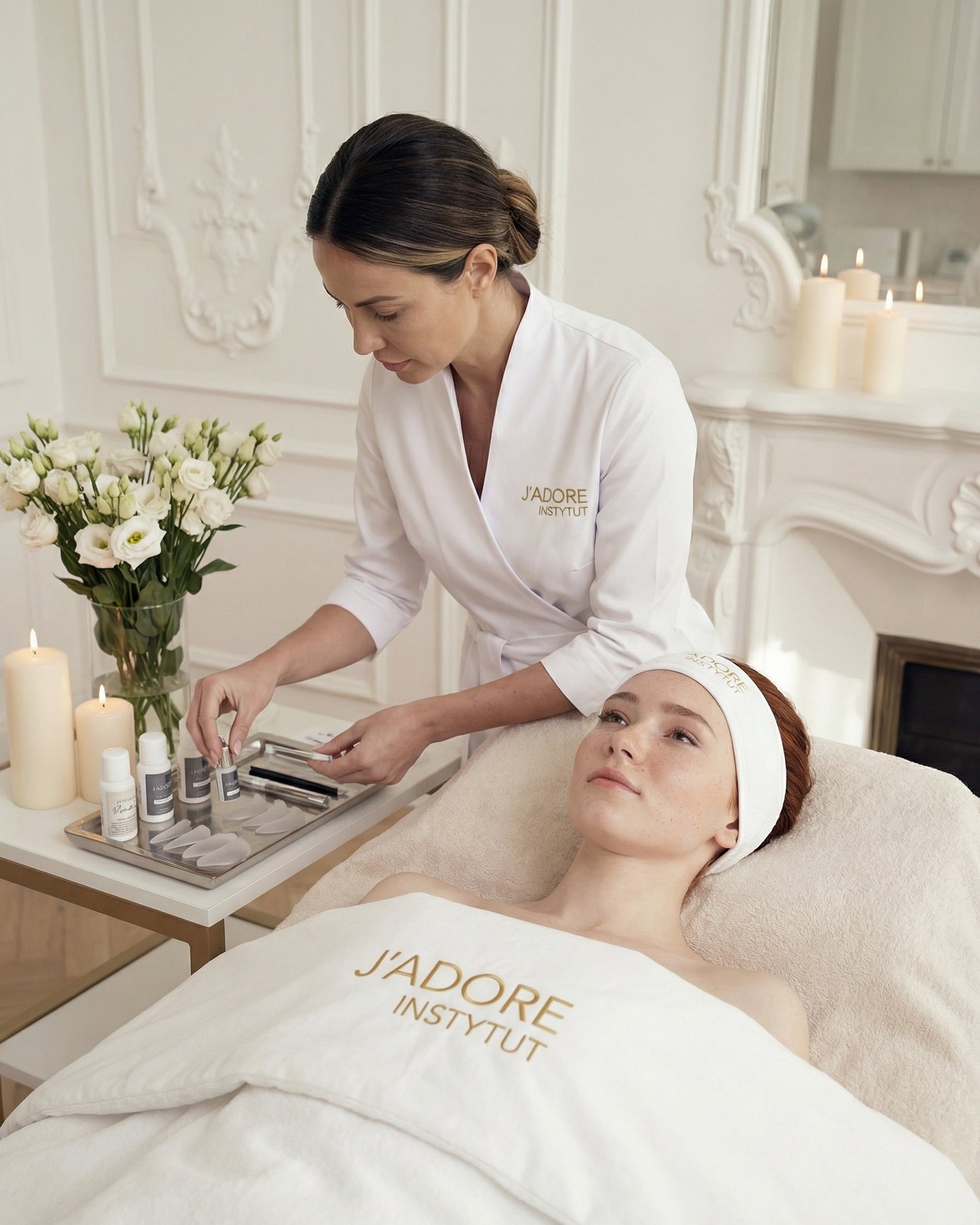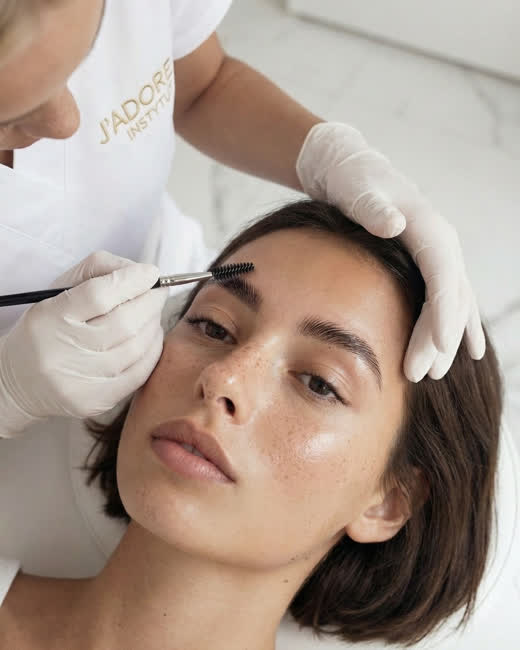
Cleansing does not hurt, but sensitive skin may react to the first touch.
Before the actual lift, the lashes and the surrounding area are cleansed and degreased. You may feel moisture, coolness, and gentle wiping of the lash line. If your skin is irritated from makeup removal, tanning, allergies, or a new cosmetic, even a gentle touch can be unpleasant. Mention this before starting instead of waiting for subsequent stages to intensify the reaction.
Makeup left at the base prolongs the cleansing and requires more movements in this delicate area. Arrive without mascara, eyeliner, or glue residue from false lashes, as per the salon's instructions. Do not scrub your eyelids aggressively just before your visit, however. Reddened skin does not become a better starting point just because it is perfectly degreased.
Active conjunctivitis or eyelid inflammation, a stye, severe itching, swelling, and weeping lesions are reasons to postpone the service and seek an appropriate assessment. A lash lift does not treat the eye or eyelid skin. Anaesthesia is not a solution here, as the problem is not touch tolerance, but the condition of the area, which should not be subjected to a cosmetic process.
The silicone pad may cause pressure, though it should not irritate the eyeball.
The pad is placed on the closed eyelid close to the lash line. The silicone itself is soft, but its presence can be clearly felt: as weight, skin tension, or slight pressure. People with sensitive eyelids often remember this stage the most, rather than the products that change the hair shape.
If the pad pricks, shifts, or feels like it is touching the eye, report it immediately. The specialist can assess its position and adjust the placement. Do not try to open your eye under the material yourself or endure sharp, pinpoint discomfort. The precision of the treatment requires a stable yet comfortable position.
Lower lashes are secured so they do not stick to the upper ones. The tape or pad may slightly pull the skin and cause a feeling of tightness. If you have reactions to plasters or products in the eye area, mention this before your visit. Redness after previous styling is also important information.
Arranging the lashes causes a pulling sensation, especially when the hairs cross.
Each upper lash is directed onto the pad and separated. You may feel gentle pulling at the base, similar to brushing tangled hair with a very small brush. This should be a controlled, short stimulus. A tug or sharp pain means you must stop and check if a hair has been pulled too hard.
Thick lashes growing in different directions require more time to organise. Longer arranging time is not proof of poor technique; it may actually demonstrate diligence. At the same time, the patient is not obliged to endure increasing eyelid tension. A short break can be taken before applying the product, provided the specialist deems it safe for the process.
Do not move your head suddenly when you feel ticklish. First, say where it occurs. The specialist can remove a loose hair, adjust the brush, or check the pad. The reflex is natural, but an unexpected movement during precise work near the eye increases the difficulty.
The product works on the lash, so eye stinging is not a proper mechanism of the treatment.
The products are used to change and set the hair shape. They should not get into the eye or be treated as a skin resistance test. You may sense a smell, moisture in the area, or subtle warmth, but clear stinging, burning, pain, or sudden heavy tearing require immediate reporting.
Do not wait until the end of the timed period for fear that reporting it will ruin the result. Eye safety takes precedence over the curl. The specialist should stop the stage, assess the situation, and proceed according to the procedure for the system being used. The patient does not need to know if the source is the product, glue, pad, or their own tears; they only need to describe the sensation.
The inability to open your eyes can be more difficult than all physical stimuli.
For a significant part of the visit, you lie still with your eyes closed. For some, this is a rest; for others, it is a loss of control. Tension may manifest as faster breathing, a need to swallow, eyelid tremors, or a sudden urge to stop. Tell us in advance if you struggle with covered eyes, tight tape, or lying down for a long time.
It helps to establish a simple break signal, such as raising your hand. The specialist can announce upcoming sensations and inform you how long the stage will take, without overwhelming you with details. Not everyone is calmed in the same way: one person wants silence, another wants short verbal contact. It is worth establishing this before securing the lashes.
If panic sets in, do not try to open your eye suddenly. Signal for a break and allow the specialist to safely secure or remove the products. Cancelling the service is possible. An aesthetic lift is not a task that must be completed despite a lack of conscious comfort and cooperation.
Tinting adds another stimulus and should be discussed separately.
A lift can be combined with tinting, but it is a separate element of chemical contact with the lash and the area. A person who tolerates shape-changing products well does not automatically have to tolerate tint. Previous reactions to henna, hair dyes, or lash styling must be reported.
With tinting, you may feel moisture and smell. Stinging is not proof that the pigment is working harder. If the eye stings or the eyelid starts to swell noticeably, the work should be stopped and assessed. Do not agree to leave the product on longer just for a darker effect.
If you are worried about a reaction or want a very natural result, ask for a variant without tint. It will be less contrasting on light tips, but it can still change the direction of the lashes. Discomfort that you do not accept is not a mandatory price for the full package.
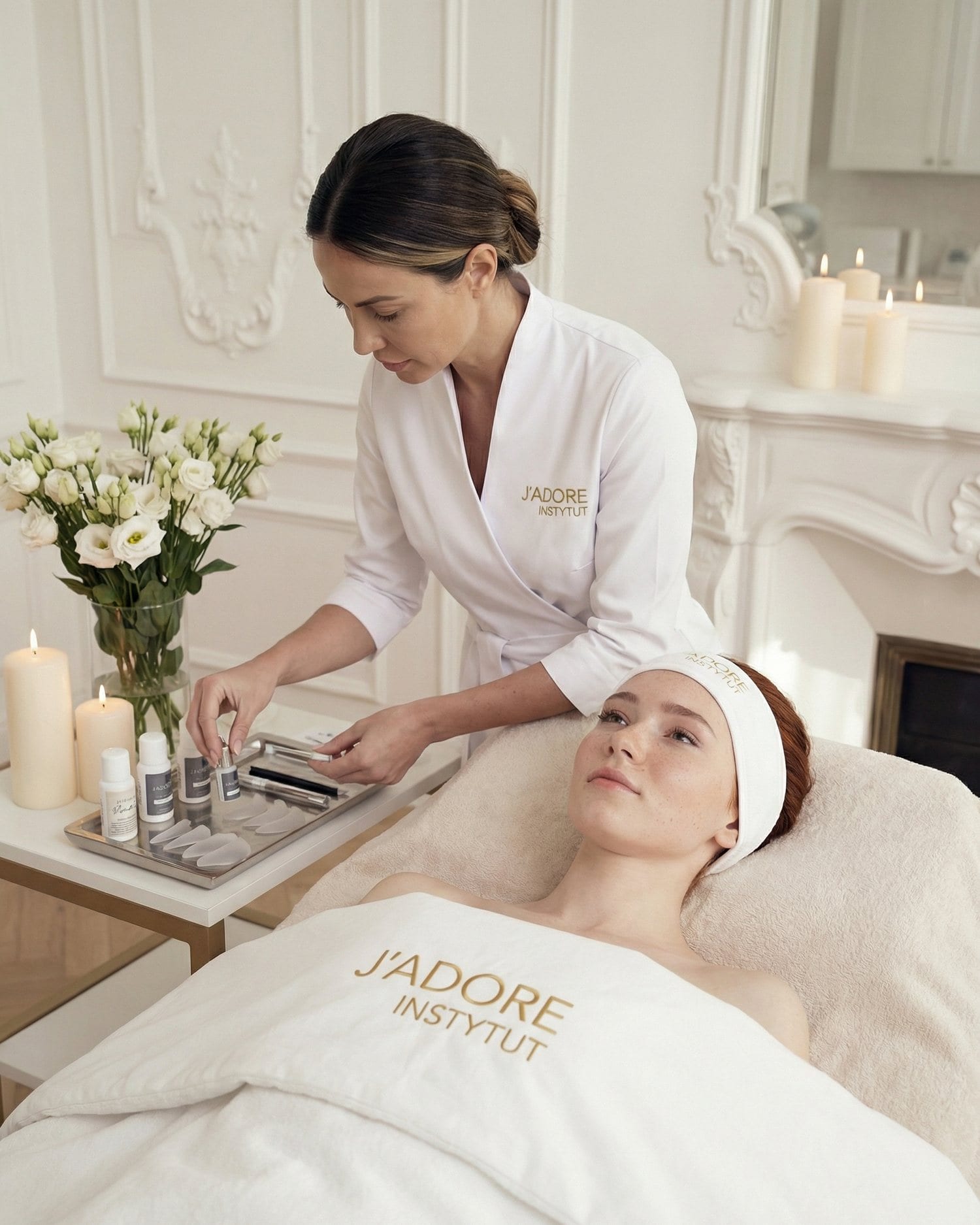
After the treatment, slight tension is different from irritation requiring help.
After removing the pads, you may feel stickiness, skin dryness, or an awareness of the lifted hairs for a moment. The eye may tear after being closed for a long time. Such sensations should subside. Do not rub your eyelids or try to wash everything off immediately with a random cosmetic; follow the instructions received at the salon.
Persistent or increasing stinging, severe redness, eyelid swelling, eye pain, photophobia, or blurred vision are not a matter of "the lashes needing to settle". Contact the practitioner and obtain an appropriate medical assessment depending on the symptom. Do not delay help for vision problems.
Itching that appears later may suggest irritation or an allergic reaction, but the patient should not determine the cause alone. Take a photo in neutral light, note the time of onset and the list of products used, if you received one. Do not apply further masking products without consultation.
A visit in Warsaw should start with an agreement on a break, not a "zero pain" promise.
J’ADORE INSTYTUT has Warsaw locations at Żelazna 59 and Mińska 29A/46. Service details are on the Warsaw lash lift page. Before your visit, mention eye diseases, contact lenses, allergies, previous reactions, and difficulties with lying down with closed eyes.
Agree on three things: how to signal a break, which sensations the specialist considers typical, and what to do if stinging appears after leaving. A good conversation does not promise a total lack of sensations. It provides the language to report them and the certainty that a clear problem will not be dismissed.
The most honest answer to the question "does it hurt?" is: a properly performed lift should not hurt, but it can be tiring, tight, and occasionally unpleasant. Lash pulling can be corrected, position tension can be reported, and eye stinging must not be waited out. Such a boundary is more important than someone else's assessment on a scale of one to ten.
Lenses, caffeine, and haste can change comfort, though they do not change the lift mechanism.
If you wear contact lenses, ask the salon before your visit if and when they should be removed. Long eye closure, tearing, and potential irritation are easier to assess without an additional factor on the eye surface. Bring a container and glasses instead of assuming that lenses will not matter because the product works on the lashes.
A large amount of caffeine, lack of sleep, and rushing to the appointment do not cause chemical pain, but they can make it difficult to lie still. Eyelid tremors, frequent swallowing, and tense facial muscles increase the feeling of discomfort. Arrive with a time margin, eat a regular meal, and do not experiment with sedatives without a doctor's recommendation.
Dress so that you can lie down without adjusting your collar or jewellery. Tie your hair in a way that does not create a hard point at the back of your head. Neck pain after several dozen minutes can be more bothersome than the work on the lashes. If you have spine problems, reflux, or difficulty with a flat position, report this before getting settled.
Do not plan a phone call or work on headphones during the service. Speaking moves facial muscles, and a sudden sound can trigger a reflex. Silence is not a requirement in itself, but a stable position facilitates precise separation of hairs close to the eye.
Anaesthesia is not a standard response to lash lift discomfort.
In a lash lift, no injections are performed, and the products should not have contact with the eyeball. Typical discomfort results from pads, tape, position, and hair arranging. Anaesthetic cream on the eyelid does not resolve these sensations and could introduce another product into a very delicate area. Do not use it yourself before the visit.
If you need anaesthesia to endure the pad attachment, it is worth stopping and explaining the cause. Hypersensitive, damaged, or inflamed skin may require rescheduling, and severe anxiety — different preparation or cancellation. Masking pain should not enable a treatment on an area that is signalling a problem.
Do not take a painkiller as a precaution just because a video on the internet showed tearing. Tears can result from emotions, reflexes, dryness, or irritation, and a tablet does not remove the cause. Additionally, every medicine has indications and contraindications. If you are constantly receiving treatment, report it in the interview; do not stop or change the dose for a cosmetic treatment.
The best tool for control remains communication. The pad can be checked, tight tape adjusted, a tangled lash separated, and the process stopped if stinging occurs. Anaesthesia would take away some of the information that helps distinguish normal pressure from improper product contact. After finishing, ask for a moment to open your eyes calmly and assess how you feel. Do not stand up immediately if lying down for a long time has caused dizziness. Check if your vision is as usual, if the stinging is subsiding, and if your eyelids are not swelling. Short tearing may subside, but do not explain an increasing symptom as fatigue. Receive recommendations in writing or note them down before leaving, including a contact number and an indication of when urgent help is needed. Comfort after the treatment is part of the service, not an extra after achieving the curl.