
Vitiligo in men — different challenges than in women
Women have a wider toolkit: foundations, colour-correcting fluids, concealer makeup — things they can reach for without much social comment. Men reach for these far less often, and this time it's not a stereotype but everyday reality for many: most men with vitiligo say they don't use cosmetic camouflage, because they don't know how, don't want to explain themselves, or feel it's "not their world." The result: they leave themselves with fewer options than they actually have.
At the same time, vitiligo in men can be more visible — especially with darker skin tones, facial hair (a beard or moustache losing pigment, patches of the face without colour) and skin that's rarely covered: hands, neck, forearms. In summer, contrast with a tan often makes the difference in pigmentation more pronounced.
The sun: friend and enemy at once
This is one of the biggest everyday complications. Skin affected by vitiligo — the depigmented areas — produces no melanin, meaning zero natural protection against UV. Sunburn on pigment-free areas happens faster and can be severe. On the other hand, a strong tan on the rest of the body increases the contrast, making the patches more visible.
- SPF 50+ on depigmented areas all year round — not just in summer, not just at the beach. UV radiation is present year-round.
- Avoid intense tanning — the contrast between tanned and depigmented skin grows, it doesn't shrink.
- Protective clothing wherever possible — especially for long exposure (outdoor activity, sport, work outdoors).
- Use self-tanners with caution — on depigmented skin, they can absorb unevenly or give patchy results.
Camouflage: practical steps, not just "wear makeup"
Camouflage isn't a women's domain — it belongs to anyone who wants to control their appearance in specific situations. A wedding, a job interview, a photoshoot, a match, a conference. You have every right to decide that, at a given moment, you want the discolouration to be less visible. And you have the tools to do it.
Self-tanners for camouflage
for face and body
- a fairly natural result with the right application
- lasts several days without the need for daily reapplication
- on skin without melanin, absorption can be more intense — worth testing on a small area first
Professional concealing products
immediate coverage
- medical-grade dermatological products (e.g. Dermablend, Covermark, Vichy Dermablend)
- waterproof, lasts even during physical activity
- available in a wide range of shades — matching to your skin tone is possible
Facial hair — a separate chapter
Vitiligo on the face in men often affects hair follicles too — facial hair in depigmented areas can lose pigment and turn grey or white, regardless of age. This is one of the more visible manifestations and one of the harder ones to hide.
Some men choose to keep the head and beard closely shaved — this evens out the visual effect and removes the contrast between dark facial hair and pale skin. Others keep their facial hair, accepting it as part of how they look. There's no single right answer — only the one that works for you.
Micropigmentation as an option — what's worth knowing
Micropigmentation (PMU — permanent makeup) in the context of vitiligo is permanent camouflage: pigment is placed under the skin to visually even out the colour with the surrounding tissue. It's not the same as a cosmetic tattoo, and it's not treatment — the pigment doesn't replace melanocytes, and it doesn't make the skin start producing its own colour.
In practice, micropigmentation for vitiligo is technically demanding: matching pigment to a skin tone that changes seasonally (as tans come and go, while pigment stays fixed), the risk of koebnerisation (new depigmentation at sites of skin trauma, including needle punctures), and how long the result lasts. Not everyone with vitiligo is a good candidate — assessment must be carried out by a specialist experienced with pigmentation disorders.
Skincare for vitiligo — everyday rules
Skin with vitiligo doesn't need a complicated routine, but it does need a few non-negotiable habits — especially if you're physically active, spend a lot of time outdoors, or have skin that reacts to stress.
- 01
Morning: UV protection
SPF 50+ on all depigmented areas, even if you're not planning long sun exposure. UV radiation is present in every weather.
- 02
After training: gentle cleansing
Strong detergents and foaming gels can irritate skin that lacks a melanin barrier. Choose neutral pH, alcohol-free formulas.
- 03
Evening: moisturising
Skin with vitiligo often has a disrupted skin barrier. Regular moisturising with ceramides or urea keeps it in better condition.
- 04
Regularly: dermatologist visits
Not only when the patches spread. Regular check-ups let you track disease activity and respond earlier as new treatment options become available.
Your mind: vitiligo isn't just about skin
Many men say the same thing: the first months after diagnosis are the hardest. Not because of the look itself, but because of the uncertainty — will it spread, how fast, where else. And because of how people react: questions, stares, unintentional comments. Over time, most men learn to live with vitiligo on their own terms. But that "over time" can take a while.
If vitiligo affects your daily life — relationships, avoiding certain situations, a lower mood — it's worth talking to a psychologist or psychiatrist. That's not an overreaction, and it's not a weakness. Skin conditions have a well-documented impact on mental health — and the reverse is also true: stress is one of the factors that can worsen autoimmune symptoms.
Aesthetic treatments for vitiligo — what actually makes sense
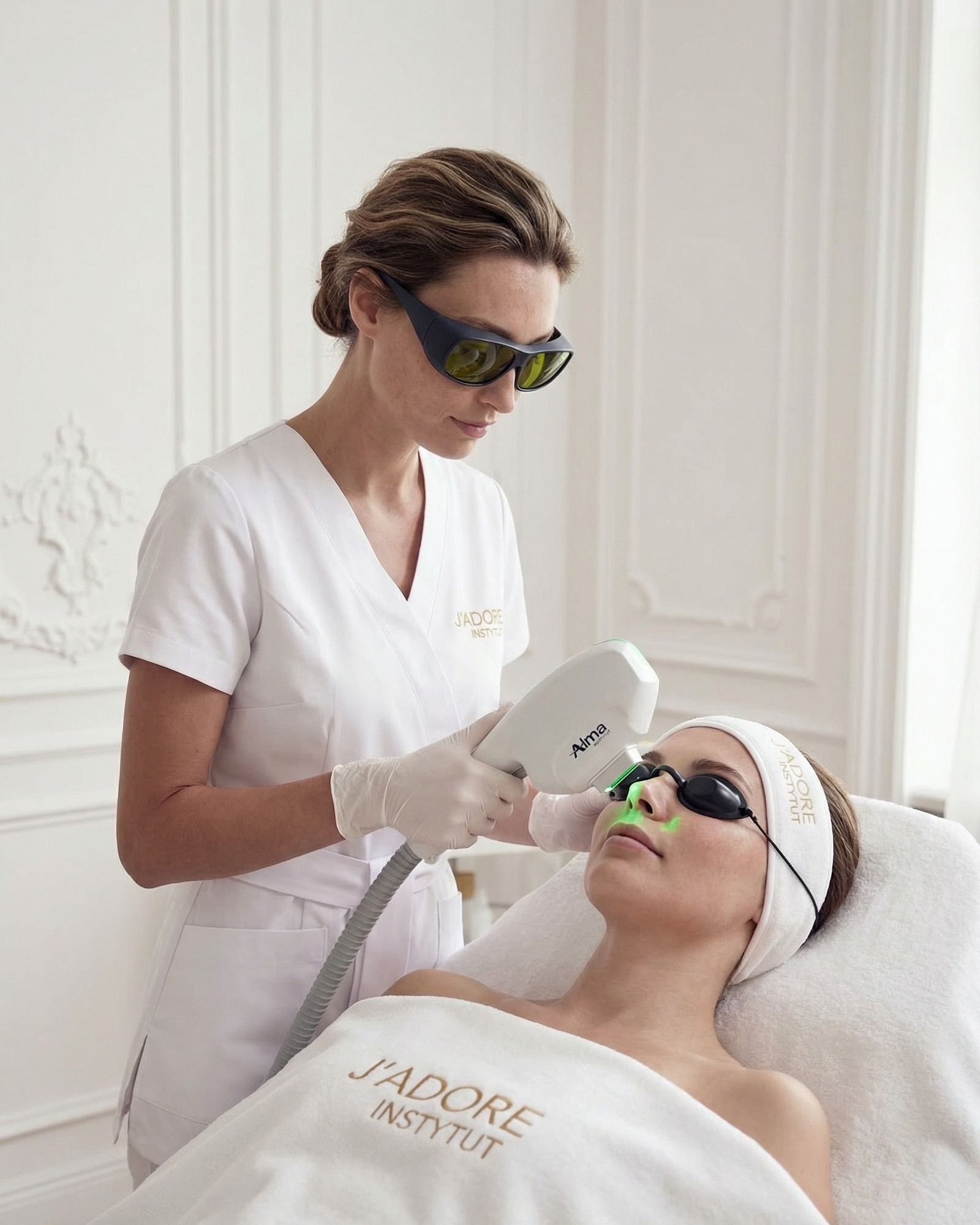
Aesthetic salons can support people with vitiligo on several levels — but no aesthetic treatment replaces dermatological care, and no aesthetic specialist should promise you a "cure." Here's what's realistic:
- Professional visual camouflage — colour matching, application technique, guidance for skin with depigmentation. With an experienced specialist, this is more than just the product itself.
- PMU consultation — assessing whether you're a candidate, which areas, and when (based on lesion stability).
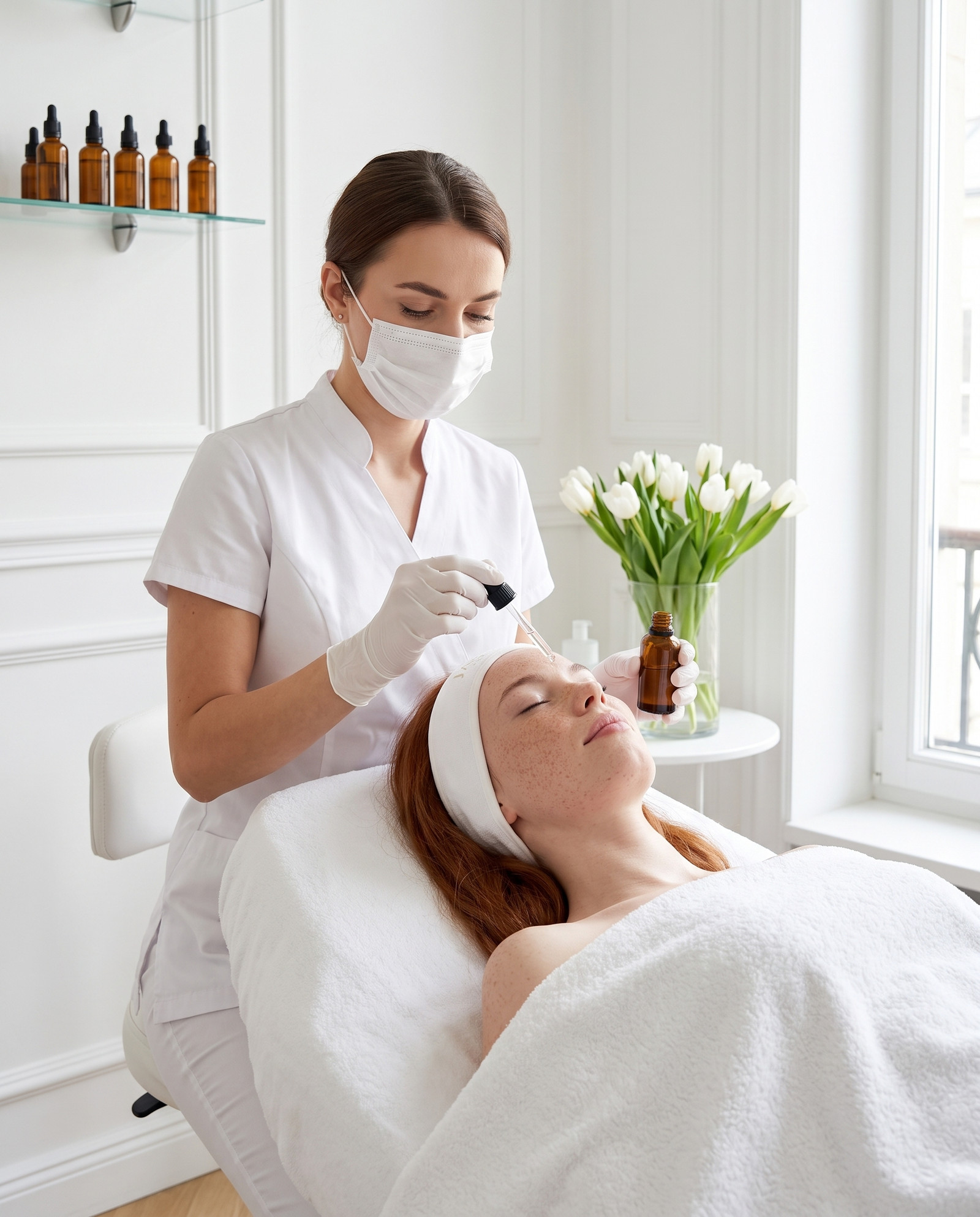
- Skin barrier-strengthening treatments — therapeutic skincare, hydrating and regenerative treatments that improve overall skin condition.
- Support choosing home care — personalised to your specific skin tone and affected areas.
Consultation with a cosmetologist
A good starting point — skin assessment, skincare recommendations and a discussion of camouflage options, with no immediate commitment to any treatment.
Micropigmentation (PMU)
Only for stable vitiligo and after consultation with a dermatologist. Long-term camouflage for selected areas of the face or body.
Hydrating / regenerative treatment
Supports the skin barrier, especially for skin that reacts to stress and environmental changes.