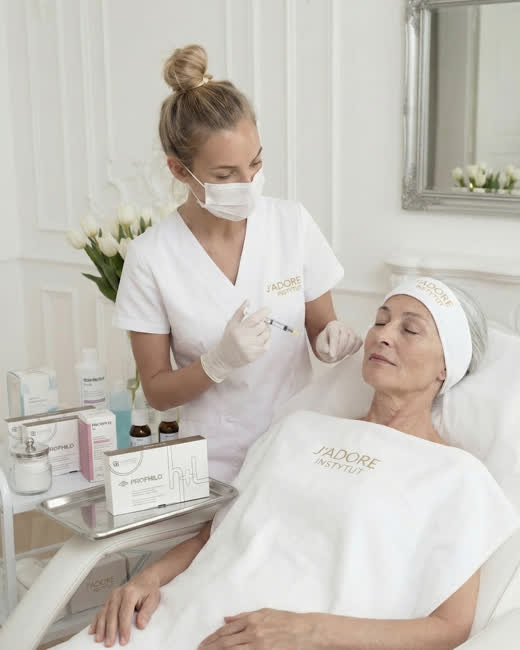
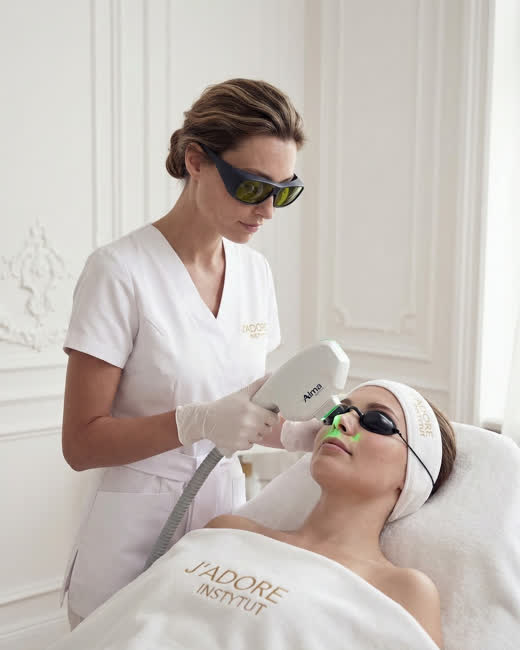
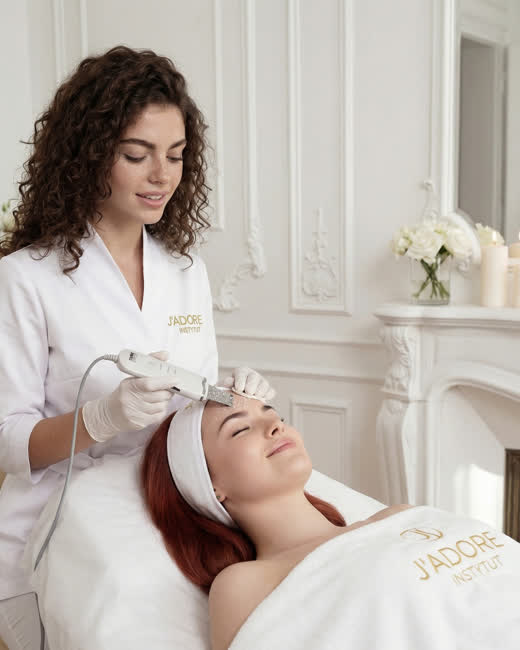
A treatment room at J'adore
FACIAL COSMETOLOGY
Sun spots on the forehead and cheeks, dark marks left by acne, a "map" of hormonal hyperpigmentation, grey skin with an uneven tone — these are among the hardest signs to hide, because they show through even under makeup. A brightening treatment is not a single "whitening" session — it's a planned series designed after diagnosing your type of hyperpigmentation. Your cosmetologist builds a programme from protocols based on proven active ingredients — tranexamic acid, arbutin, niacinamide and vitamin C (including EstGen MELANO and Mediderma TRX lines) — reinforced with gentle peels.
The goal isn't to lighten the skin overall. It's to even out skin tone and fade specific hyperpigmentation — without "bleaching" healthy skin. At J'adore Instytut, the treatment is performed by an experienced cosmetologist. The deepest melasma can sometimes call for a separate, clinical pathway (Cosmelan / Dermamelan protocols) — we'll decide together during consultation whether you need it. Below you'll find everything worth knowing before your first visit.
series of 4–6 treatments every 1–2 weeks (for persistent hyperpigmentation, a 2–6 month programme)
How it works
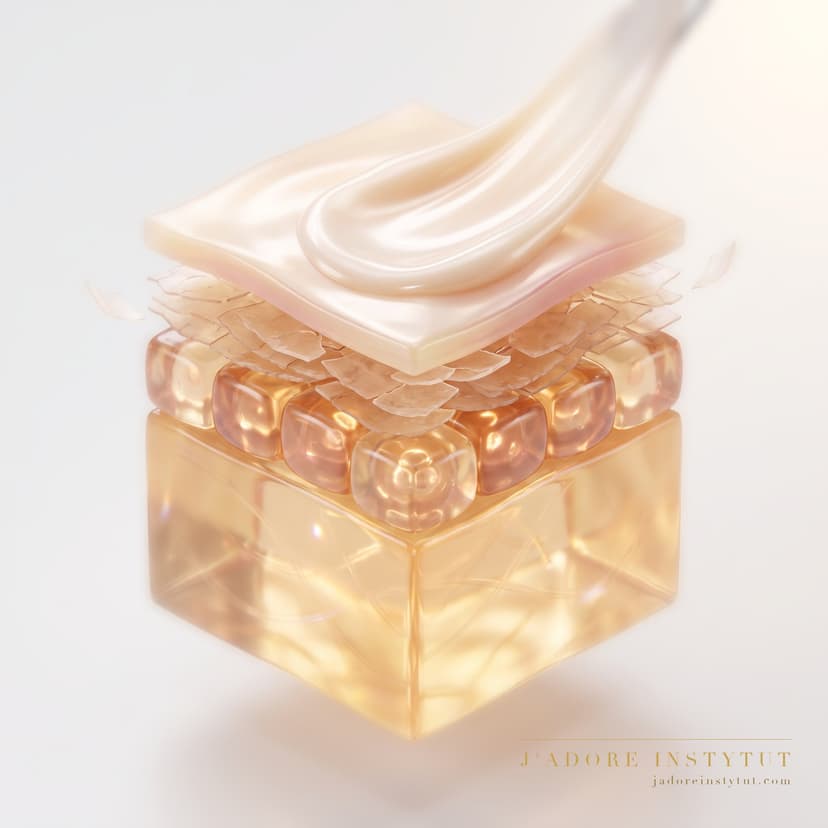
Hyperpigmentation is simply a spot where the skin has produced too much melanin — the pigment that normally protects us from the sun. It can be triggered by UV (sun spots), inflammation (post-acne hyperpigmentation, or PIH) or hormones (melasma). A brightening treatment tackles this process from several angles at once: it inhibits new melanin production (tranexamic acid, arbutin, vitamin C), limits its transfer into the epidermis (niacinamide) and exfoliates pigment already deposited (gentle peels and epidermal renewal).
The key word here is plan and patience. One session gives a result, but lasting, even skin tone requires a series and a home protocol — melanocytes don't "give up" after a single attempt, and without sun protection they get straight back to work. This is a skincare, cosmetology treatment — non-invasive, with no needles and no interference with deeper layers — and that's how we approach it.
Ideal for
Did you know? A single moment of unprotected sun exposure can undo weeks of work. Melanocytes (the cells that produce pigment) react to UV within minutes — which is why, in brightening treatments, SPF 50+ isn't an extra, it's half the treatment. Without it, even the best in-salon protocol is like carrying water in a sieve.
The women's zone and the men's zone
For women, the most common and most challenging issue is hormonal hyperpigmentation (melasma) — symmetrical patches triggered by pregnancy, contraception and sun exposure, with a tendency to recur. Sun spots and acne marks add to this. The goal is to even out skin tone and fade these areas with full gentleness. This is the classic brightening treatment for women.
What we work with
Men are particularly prone to sun-related hyperpigmentation — years of outdoor work and activity without the SPF habit build up into patches on the forehead, temples and neck. Post-inflammatory marks from shaving and ingrown hairs along the beard line add to this. The goal: a clean, even skin tone without an "obviously treated" look. This is a brightening treatment for men.
What we work with
Did you know? The same ingredients — tranexamic acid, arbutin, niacinamide, vitamin C — work identically in women and men. The main difference is the dominant type of hyperpigmentation: hormonal melasma is more common in women, while sun spots and shaving marks are more common in men. Hence a different strategy, though the goal stays the same: an even tone.
Safety
With brightening treatments, results and safety depend on a few things worth asking about at any salon — because a poorly managed treatment can deepen hyperpigmentation rather than fade it:
Melasma, sun spots and PIH need different protocols. Without identifying the type and skin phototype, it's easy to choose a method that does harm — this is the most important stage of the whole treatment.
This is cosmetology based on active ingredients at professional-grade concentrations — at J'adore, it's led by an experienced cosmetologist. They decide the sequence, assess how the skin responds, and know when to increase intensity and when to hold back.
We work exclusively with genuine professional products (including the EstGen MELANO and Mediderma TRX lines) from legal supply channels. "Whitening creams" of unknown origin can be illegal and dangerous (for example, containing hydroquinone or mercury) — we don't work with them.
Without daily photoprotection and a home protocol, even the best series leaves half its potential on the table. A good salon teaches sun protection — it doesn't just sell treatments.
Red flag: "miracle whitening" at a bargain price · Be wary of promises to "lighten any patch by several shades in one treatment" and suspiciously cheap "skin whitening". Warning signs: no diagnosis of hyperpigmentation type before starting, products with no name or origin, "whitening creams" of unknown composition, someone without cosmetology qualifications working with strong actives, and no mention of SPF. You have every right to ask about product lines, ingredients and who will run the programme — a reputable salon will answer without hesitation.
Contraindications
Some contraindications are permanent, others temporary — in which case we simply postpone the treatment until the situation passes. We always go through the full list individually at consultation.
From the cosmetologist's chair
The most commonly underestimated issue is a fresh tan. Clients come back from holiday wanting "an intensive treatment for patches right away" — but that's exactly when skin is most prone to irritation and new hyperpigmentation. It's better to start with recovery and SPF, and push the active stages to autumn. And another thing: without commitment to daily SPF, there's no point starting — that's a condition, not a suggestion.
This isn't a complete list — we'll discuss your medications, health conditions, skincare products and previous treatments individually at consultation, before building your programme.

The visit

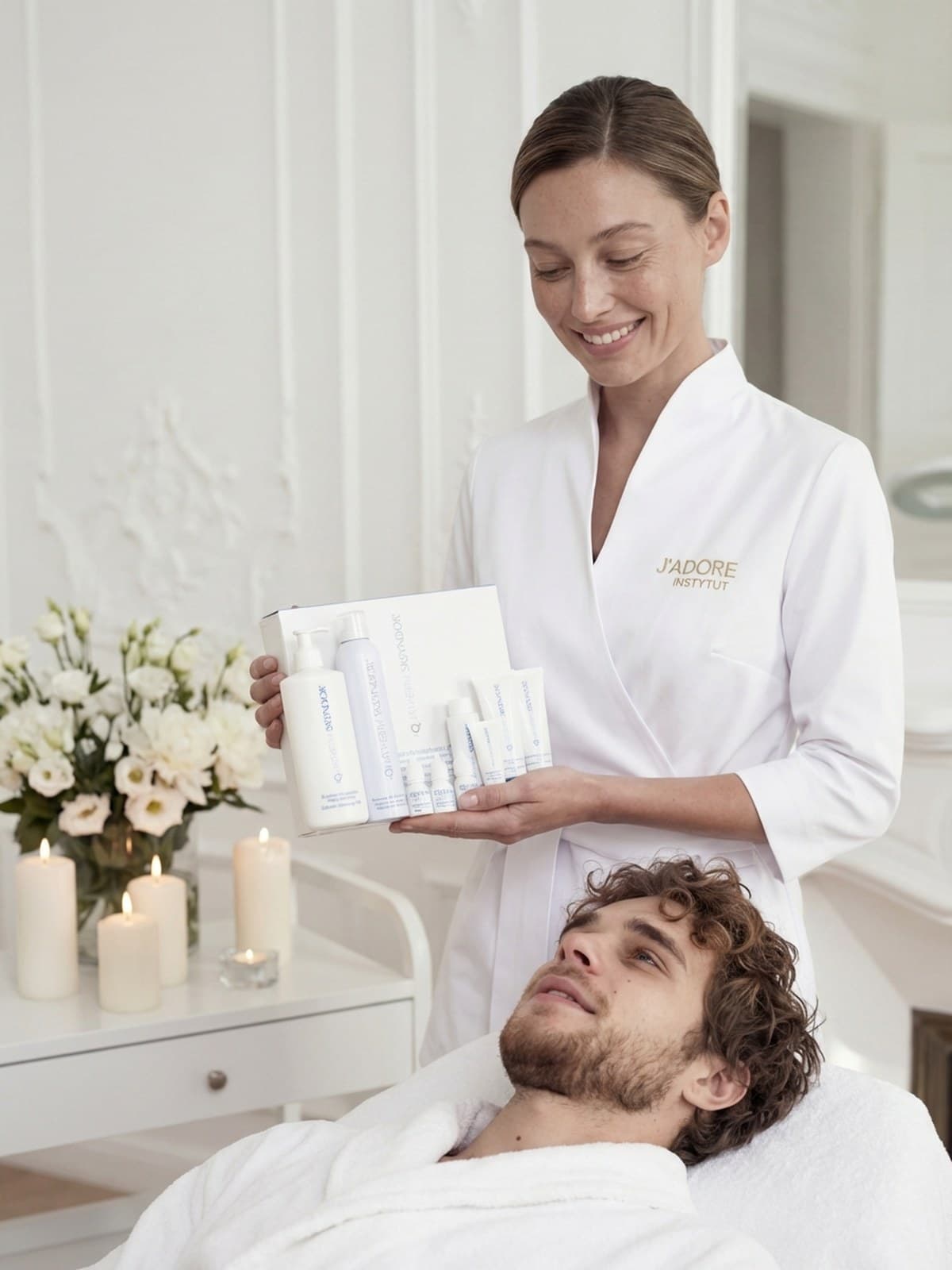
Consultation & diagnosis of hyperpigmentation
your cosmetologist identifies the type of hyperpigmentation (melasma / sun-related / PIH / mixed), assesses your phototype and UV exposure history, rules out contraindications and builds a plan. We start with diagnosis, not with the price list.
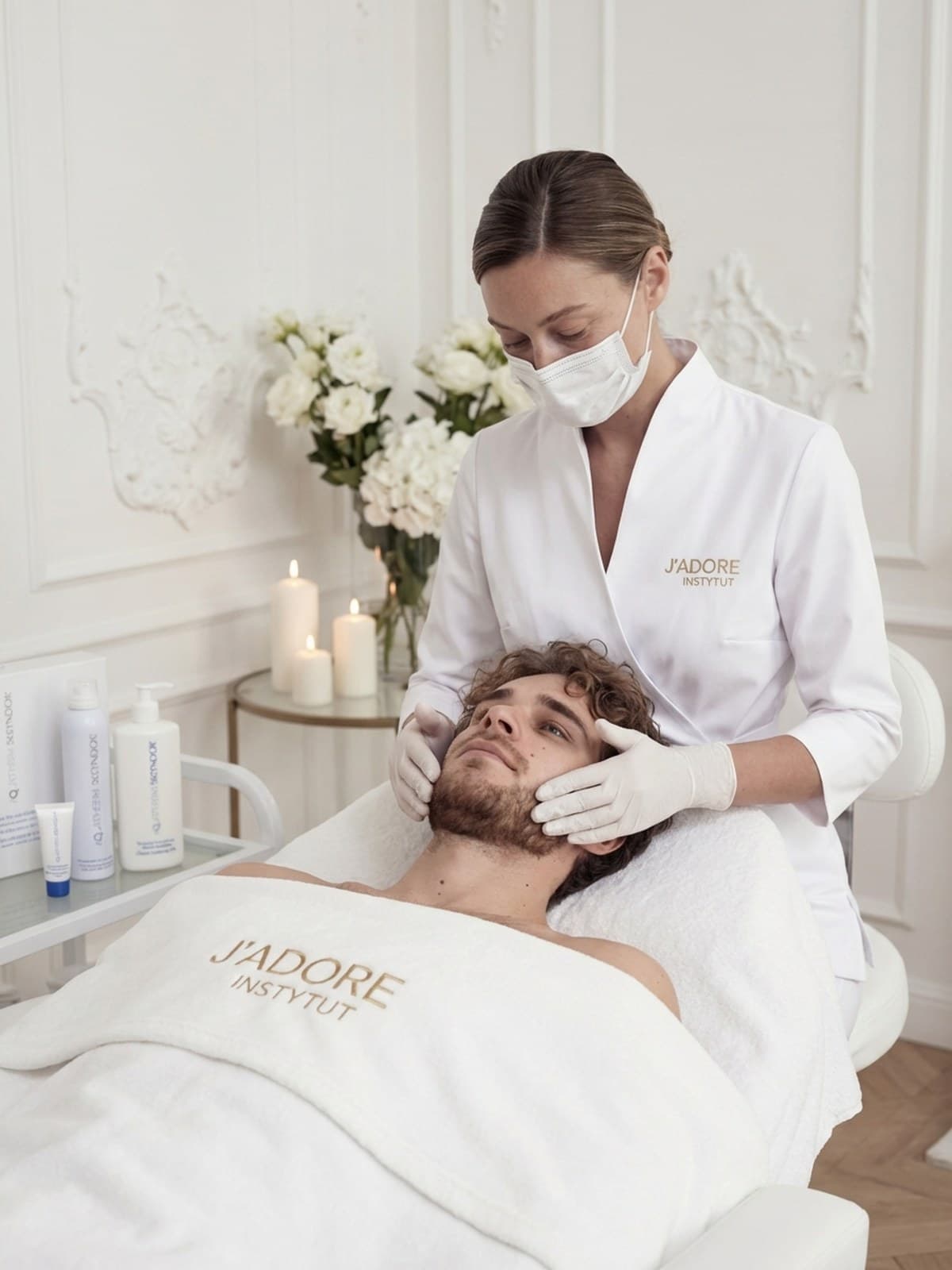
Main treatment
depending on the type: a brightening protocol with tranexamic acid, arbutin and vitamin C (e.g. EstGen MELANO, Mediderma TRX), or gentle acid peels to exfoliate pigmented epidermis.
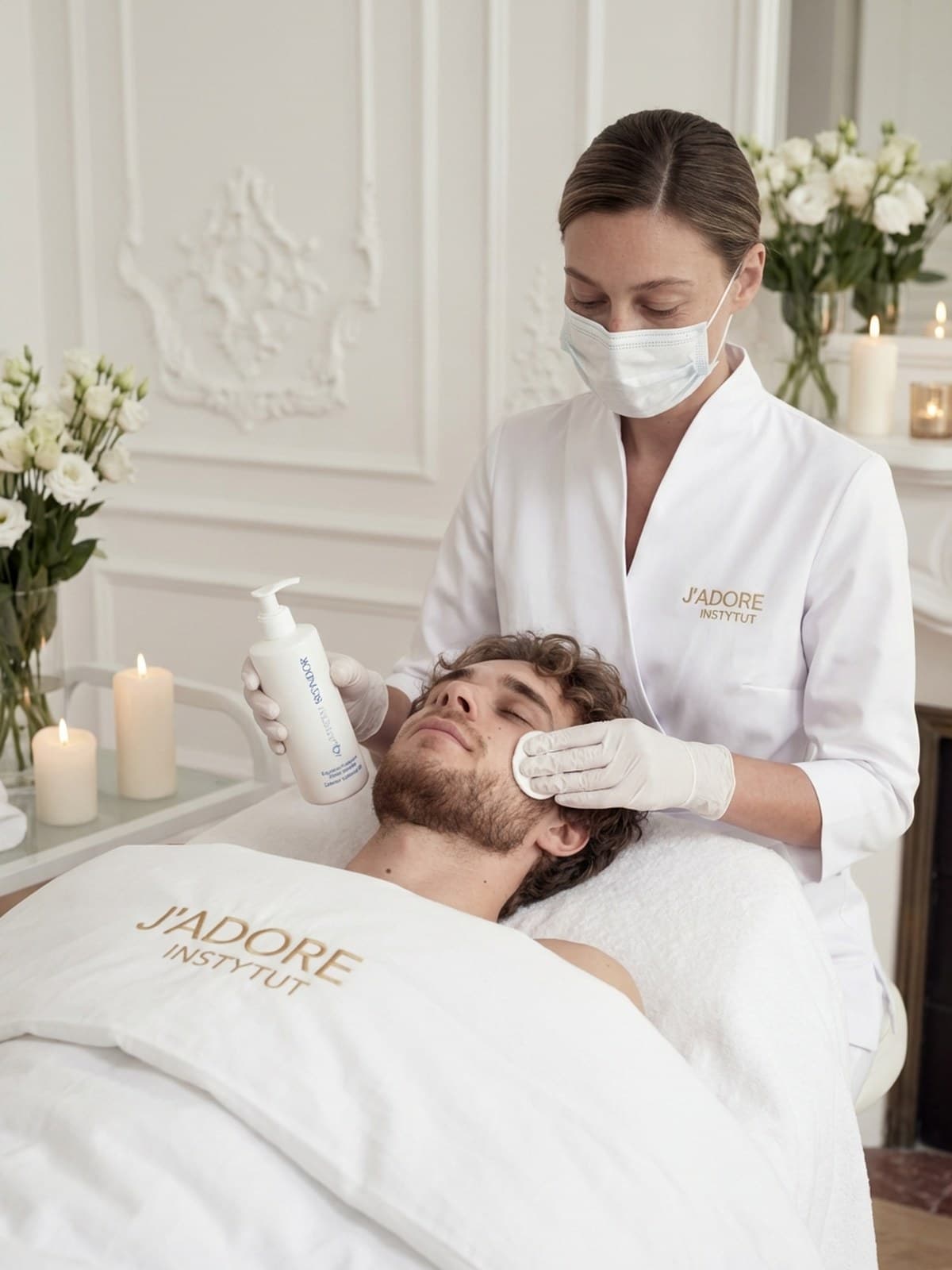
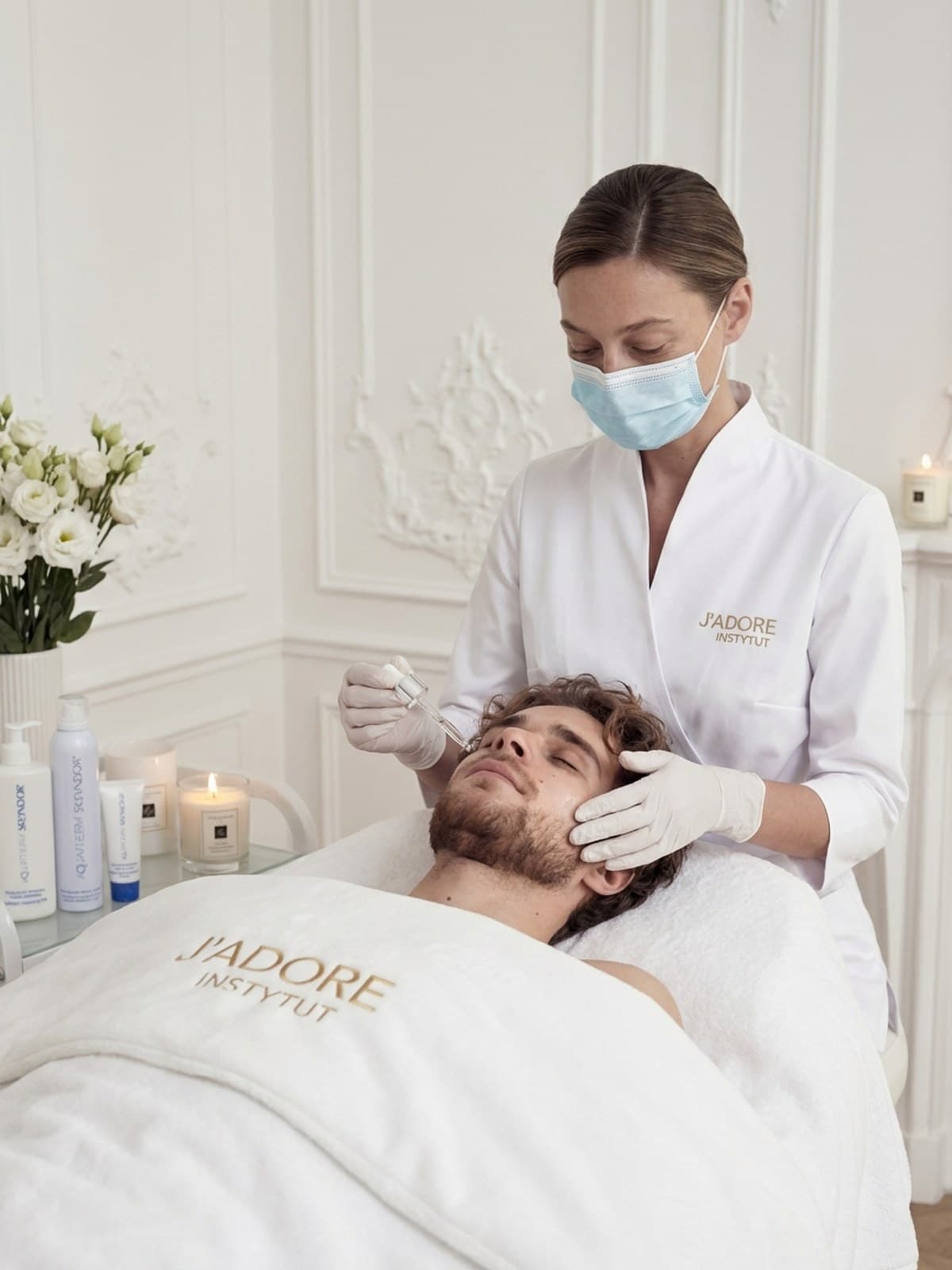
Infusion of brightening ingredients
a serum with vitamin C, arbutin and niacinamide penetrates the prepared skin, inhibiting the production and transfer of new melanin.
Home protocol
a specific plan: vitamin C in the morning, a depigmenting cream (once chosen) and SPF 50+ without exception. This "homework" is what determines how long the results last.
Follow-up and maintenance
after the series, we assess results and set up a prevention plan (maintenance sessions, photoprotection). Especially important for melasma, which tends to recur.
What to expect
Most importantly: brightening is a game of time and patience. The first lightening and evening of skin tone usually appears after a few weeks, while a clear reduction in deeper hyperpigmentation is assessed after the full series. What's more, patches may temporarily darken and flake at the start — this is a normal stage, not a setback.
Some clients write after their first treatment: "the patch looks darker, I think it's done harm". It's usually exactly the opposite — hyperpigmentation is "rising" to the surface and shedding along with the epidermis. That's why we assess results after the series, not after a single visit. Patience always pays off with brightening treatments.
From the cosmetologist's chair
The most common mistake I see: a client comes in after a holiday "wanting an intensive treatment for a fresh patch". We don't apply strong actives to warm, freshly tanned skin — that's a direct route to irritation and… new hyperpigmentation. We start by calming the skin and push the intensive stages to a season with less sun.
Portfolio
A record of the work in our salons — the place where we publish treatment frames and, after photo sessions, results.
A record of results — in preparation. We publish photographs of our clients only with their consent.
Results last for months — provided you keep up with SPF and home care. Hyperpigmentation, especially melasma, returns after unprotected sun exposure — that's a fact, not a scare tactic. That's why we recommend maintenance sessions and treating photoprotection as a permanent habit, not a seasonal whim.
A brightening treatment and your lifestyle
With brightening treatments, most of the result depends not on the treatment itself but on what happens between visits — because the biggest enemy of your results is the sun. We work with actives (acids, vitamin C) that temporarily make the skin more sensitive to UV and friction. There's one rule: during treatment, maximum sun protection and gentleness towards your skin.
After most protocols, makeup and a return to work are possible the same day or the next — ideally with SPF in your foundation. After a stronger peel, give your skin a few hours of rest.
This is the foundation of the whole treatment. After the treatment, avoid the sun for about a week — UV exposure reactivates melanocytes immediately and can undo your results. Apply SPF 50+ every day, even in winter and on cloudy days.
Sunbeds and intense sunbathing during the series invite new, deeper hyperpigmentation. Intensive stages are best planned in autumn and winter, outside holiday season.
High temperatures intensify redness after peels. No restrictions after gentle treatments; after stronger ones, wait 1–2 days.
Don't add home peels or retinol to your treatment without your cosmetologist's guidance — irritation is easy to trigger, and irritated skin… creates further hyperpigmentation (PIH). We introduce everything according to protocol.
After a stronger peel, avoid close razor shaving for 1–2 days — the epidermis is sensitive. A trimmer or shaving at a distance from the skin is gentler.
Brightening programme
Cosmetology brightening treatments are often confused with laser for hyperpigmentation or a clinical melasma protocol. These are different tools — and very often complement rather than replace each other:
evens out skin tone and fades patches over a series
won't remove a single deep patch "on the spot" and doesn't replace a clinical protocol for resistant melasma
precisely targets an individual patch
can be risky with melasma (may worsen it) — selection and assessment are for a specialist to make
resistant melasma — a medical protocol
this is a separate, clinical pathway — not every salon offers it; we decide on the indication at consultation
Combine with
Brightening treatments work well alongside other skincare treatments and targeted methods — they complement each other when scheduled sensibly. Your cosmetologist decides on order and spacing at consultation, but the general logic stays consistent:
The simplest rule I give clients: widespread, symmetrical patches forming a "map" on the cheeks → start with a diagnosis for melasma. A single brown patch from sun exposure → responds well to laser. Generally grey, uneven skin and acne marks → a brightening series. And often we combine all three — the treatment prepares and maintains the skin, while the laser does the "targeted work".
Protocols and ingredients
Under the heading "brightening treatment" sit several treatment lines and groups of active ingredients. You don't choose them "off the shelf" — your cosmetologist selects them based on your type of hyperpigmentation, skin phototype and tolerance. Each variant targets hyperpigmentation from a different angle.
A targeted hyperpigmentation protocol based on tranexamic acid, kojic acid, arbutin, niacinamide and vitamin C — it inhibits melanin production at several stages at once.
Dla kogoSun-related, post-acne and mixed hyperpigmentation; the basic "workhorse" of the brightening series.
A tone-evening, brightening treatment line based on tyrosinase-inhibiting ingredients; used in-salon under a cosmetologist's supervision.
Dla kogoUneven skin tone, sun spots, support for a brightening programme.
Vitamin C inhibits new melanin synthesis, works as an antioxidant, and restores radiance to the skin; a base ingredient both in-salon and at home.
Dla kogoGrey, tired skin tone, prevention and maintaining results; used in the morning as part of home care.
Exfoliate pigmented epidermis and speed up cell turnover; gentle and well tolerated even by darker phototypes.
Dla kogoPost-acne PIH, shaving marks, evening out tone between main treatments.
Fact: Where do the differences between protocols come from? From their mechanism and strength: some inhibit pigment production (tranexamic acid, arbutin, vitamin C), others limit its transfer (niacinamide), and others exfoliate melanin already deposited (peels). That's why a treatment isn't a single ingredient — it's a matched sequence tailored to the type of hyperpigmentation. The deepest, resistant melasma can sometimes call for a separate clinical pathway (Cosmelan / Dermamelan) — we assess this individually.
Price list
Checking free hours…
From the magazine
Editorial pieces on how this treatment works in practice — what happens during the session, how to prepare, where the limits are and what the first days after look like.
See also
The result lastsresults build up over the series and last for months — provided you use daily SPFJ’adore Instytut
This text is for informational purposes only and does not replace a consultation. A brightening treatment is a beauty treatment (non-invasive) — the choice of treatments, the length and composition of the series, and any contraindications are decided by a cosmetologist/specialist during an individual consultation, after diagnosing the type of hyperpigmentation and skin phototype. The deepest, resistant melasma may require a separate clinical pathway.
Home care
Cosmetics matched to what your skin needs after a treatment — so the clinic effect lasts longer.
 hyperpigmentationSesdermaMANDELAC Liposomal SerumView in the shop(opens in a new tab)
 sun protectionCell Fusion CAquatica Sunscreen 100 SPF 50+/PA++++View in the shop(opens in a new tab)
 post-treatment regenerationMedMelanoSkinbiotic Elixir Probiotic Repair Serum 50 mlView in the shop(opens in a new tab)
 hyperpigmentationPeel MissionMelasma & PIH Cream 50 mlView in the shop(opens in a new tab)
 sun protectionDermaQuestSunArmor SPF50 30 mlView in the shop(opens in a new tab)
 post-treatment regenerationVagheggiEmozioni Plus — Anti-Stress Face Mask 75mlView in the shop(opens in a new tab)
 hyperpigmentationDermoMedicaTRX C Foam Cleanser 150 mlView in the shop(opens in a new tab)
 hyperpigmentationMediderma1+1 Set — FR-Antiox MD Concentrate + Mela 360 Bellis TRX Brighter SPF 50View in the shop(opens in a new tab)