WarszawaŻelazna 59WarszawaMińska 29AKrakówKarmelicka 45Warszawa · Kraków

Careers

ENPL

Full perspective

ASCE scalp exosomes for women

What Really Happens to Female Hair

In women, hair loss rarely means a receding hairline. More often, it is diffuse thinning along the parting and loss of volume, strongly linked to hormones, thyroid issues, iron/ferritin deficiencies, or stress. ASCE exosomes for women support follicles and improve scalp condition, but first, we honestly look for the underlying cause.
Czas
around one hour
Efekt
The effect builds over weeks, sustained by a series of treatments.
Regeneracja
minimal — a few days of gentle aftercare
Seria
A series of treatments + maintenance — the trichologist establishes a plan after trichoscopy.
Wykonuje
trichologist or experienced cosmetologist
ListenASCE scalp exosomes — this whole page read aloud

When it's worth it — indications

  • Male pattern baldness (AGA) in early and moderate stages — thinning on the crown, at the parting, and receding hairline in men.
  • Telogen effluvium — after childbirth, severe stress, infection, diet, or hormonal changes, when you suddenly experience more hair shedding.
  • Thin and weakened hair — when it loses density, elasticity, and 'body', and your hairstyle becomes transparent.
  • Scalp in poorer condition — dry, irritated, requiring regeneration after colouring or intense styling.
  • Strengthening and maintenance — as part of a trichological plan, combined with home care and other treatments.

The areas we work on

  1. thinning at the parting and loss of volume at the roots;
  2. telogen effluvium after childbirth, stress, or diet;
  3. hair weakening during the perimenopausal period;
  4. scalp regeneration after colouring and styling.
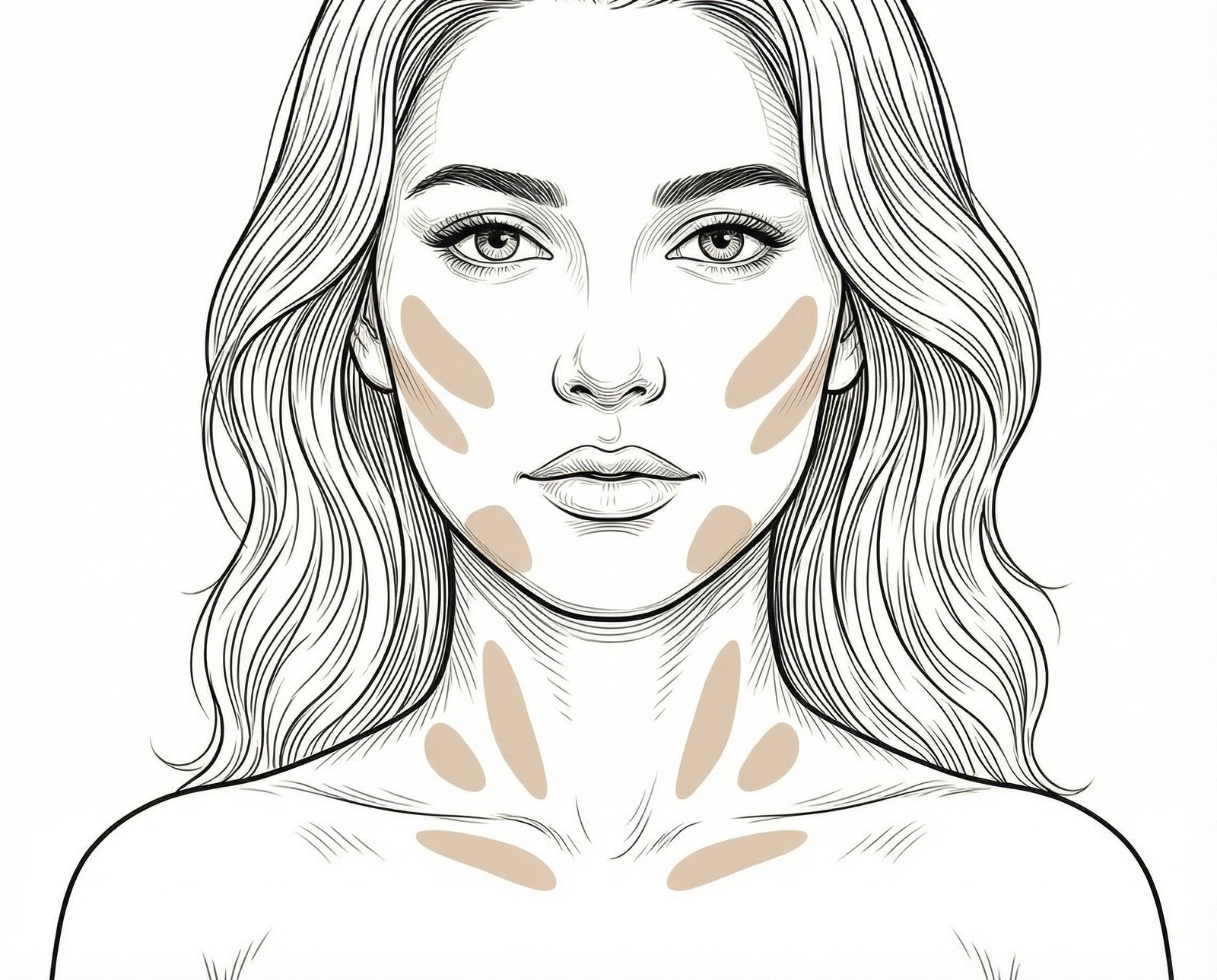
Rysunek stref zabiegowych — twarz, szyja i dekolt, sylwetka kobiecaForeheadPoliczkiSzyjaDécolletage
Indicative map of the areas

What Really Happens to Female Hair

Female hair loss looks different from male hair loss. It rarely means a distinct receding hairline. More often, it is diffuse thinning along the parting, loss of volume at the roots, and the impression that the hairstyle is becoming transparent. This is most often due to hormones, fluctuations in ferritin and iron, thyroid issues, or an episode of severe stress or diet. Until the cause is known, no treatment will be fully effective. That is why at J'adore Instytut, we start with a consultation including trichoscopy: first a diagnosis, then a decision about exosomes.
The ASCE exosome technology itself is exactly the same here as for men. These are signal vesicles from stem cells that, through microneedling, reach the scalp and transmit instructions to dormant follicles to awaken. However, the goals and context are different. In women, the treatment often accompanies telogen effluvium — the type that erupts several months after childbirth, a drastic diet, severe stress, or during the perimenopausal period. Follicles are weakened then, but usually still alive. This is precisely where exosomes make the most sense.

For Which Woman Does This Treatment Make Sense

Scalp exosomes are particularly effective when:
Exosomes are not an emergency treatment. They work best early, before the follicle weakens to the point of ceasing hair production. The sooner after symptoms appear, the greater the possibilities.
  • you have noticed more hair on your brush for several weeks or months — not necessarily in handfuls, but clearly more than before;
  • your parting is visibly widening, and your hairstyle has lost volume at the roots;
  • your hair is becoming thinner, softer, and harder to style;
  • you have experienced childbirth, an intense diet, a severe stressful episode, or have entered the perimenopausal period;
  • your scalp is dry, irritated, or in poorer condition after intense colouring and styling.

Exosomes and Female Life Stages

A woman's hair reacts to every hormonal turning point. After childbirth, the entire hair cycle is disrupted. You might be in the growth phase for months, and then suddenly the follicle pushes out its accumulated supply into the shedding phase. After severe stress or a restrictive diet, the body cuts off supply to what it considers non-essential. Hair is one of the first to be affected. During the menopausal transition, oestrogens, which supported the follicle for decades, slowly withdraw.
At each of these times, ASCE exosomes can improve the microenvironment of the hair papilla, support the growth phase, and restore better scalp condition. However, they do not replace treating the underlying cause. After trichoscopy, your trichologist will tell you if it is the right time for exosomes, or if it is worth checking ferritin or thyroid levels first.

Result and What You See First

In women, the first sign we look for is not a new head of hair. It is less hair on your brush and pillow and improved scalp condition. Denser, stronger regrowth appears later, in line with the hair cycle. That is why we work in a series and take 'before' trichoscopy photos. Memory can be unreliable, but numbers and images do not lie.

Frequently asked questions

Can scalp exosomes be performed during pregnancy or breastfeeding?
No — pregnancy and breastfeeding are contraindications. Postpartum hair loss is very common, but it is advisable to wait until you finish breastfeeding before undergoing exosome treatment. During this time, it is worth focusing on diagnostics (ferritin, iron, thyroid) and home care. Your trichologist will advise you on what is safe.
I have a lot of grey hair and fine hair for years — will exosomes help me?
Exosomes improve the microenvironment and condition of the follicle, which can affect hair thickness and density. They do not affect colour or grey hair; these are determined differently. Trichoscopy will show if your follicles are still active and if there is anything to strengthen.
I have coloured my hair intensely for years — is my scalp ready for exosomes?
Sometimes, it first requires soothing and regeneration. If your scalp is irritated or in poor condition after colouring, your trichologist may suggest a different sequence. For example, nourishing mesotherapy first, followed by exosomes after the barrier has been strengthened. The condition of your skin during the consultation will determine this.
My hair falls out cyclically with stress — are exosomes a permanent solution?
Exosomes can shorten an episode of telogen effluvium and support follicles during their recovery phase. However, if the cause (stress, ferritin, hormones) returns, hair loss may also return. Therefore, after a series, we usually plan maintenance visits and discuss prevention.
How long does a series last, and how often do I need to come?
Your trichologist will establish a plan after trichoscopy. This depends on the severity of the problem, the condition of your follicles, and your response to the initial treatments. There is no single template for all women. This is one of the important things we discuss during your very first visit.

Where we offer it

ASCE scalp exosomes for women — we perform it in three J'ADORE INSTYTUT salons: two in Warsaw and one in Krakow.

  • WarszawaŻelazna 59 · Wola · Mirów
  • WarszawaMińska 29A · Praga-Południe · Kamionek
  • KrakówKarmelicka 45 · Stare Miasto · Piasek

Price list

Skóra głowy

1 800 zł

  • Żelazna1 800 zł
  • Mińska1 800 zł
  • Karmelicka1 800 zł
Book a visit

Prices come from the salon price lists. The choice of cocktail and the number of sessions is decided by your specialist at the consultation.