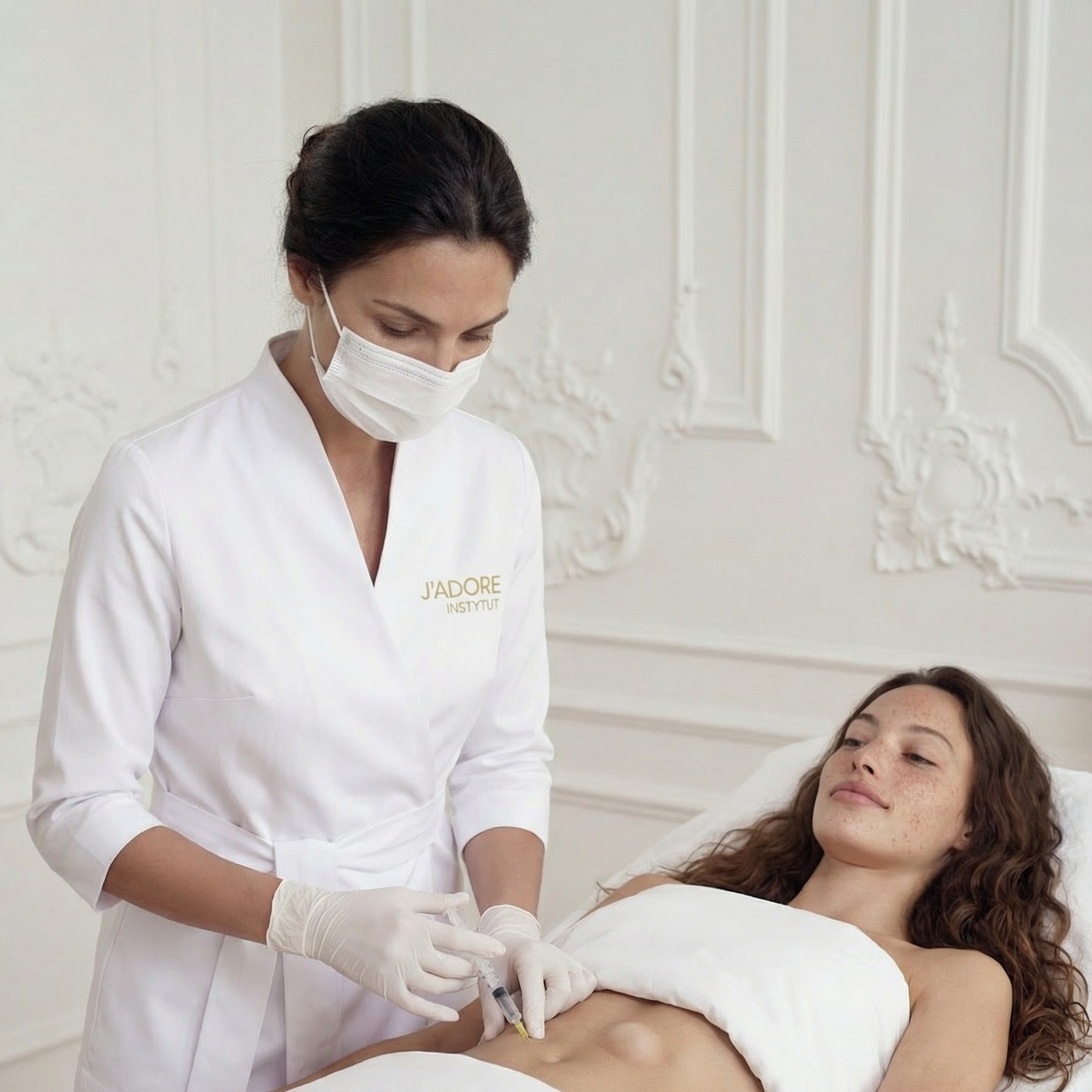
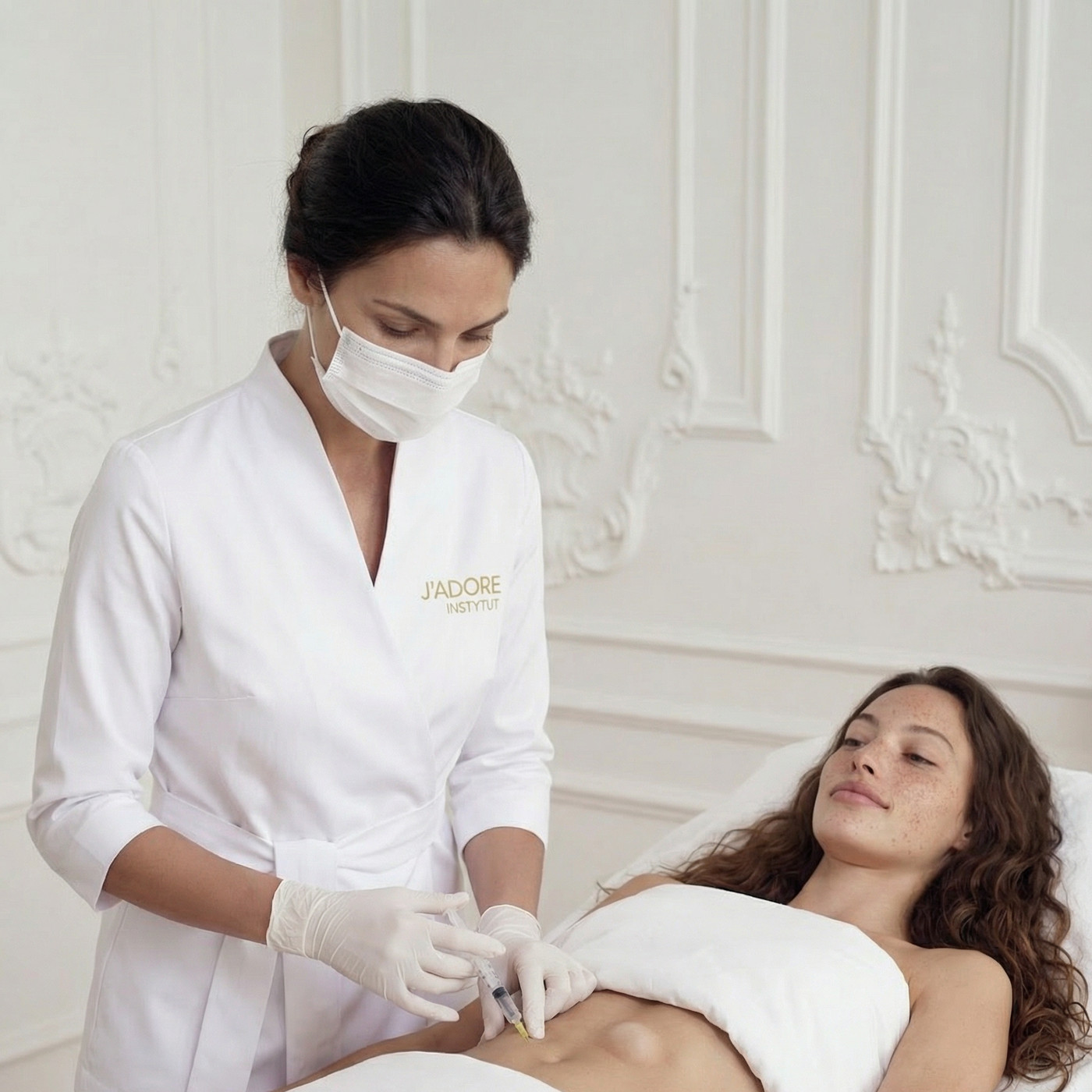
WarszawaŻelazna 59WarszawaMińska 29AKrakówKarmelicka 45Warszawa · Kraków

Careers

ENPL

Full perspective

Carboxytherapy (CO2) for women

Carboxytherapy and the female body — what makes our skin different
In women, carboxytherapy most often addresses cellulite, stretch marks and skin quality. Thin skin, subcutaneous tissue prone to an "orange-peel" texture, stretch marks after pregnancy or weight fluctuations — these are the classic indications. It's often also the first treatment women turn to for dark circles, once concealer stops being enough.
Czas
from around ten minutes, depending on the area
Efekt
the effect of the series lasts for many months
Regeneracja
practically none — you return to daily activities straight away
Seria
series usually 4–12 sessions, every 1–2 weeks
Wykonuje
experienced cosmetologist
ListenCarboxytherapy (CO2) — this whole page read aloud

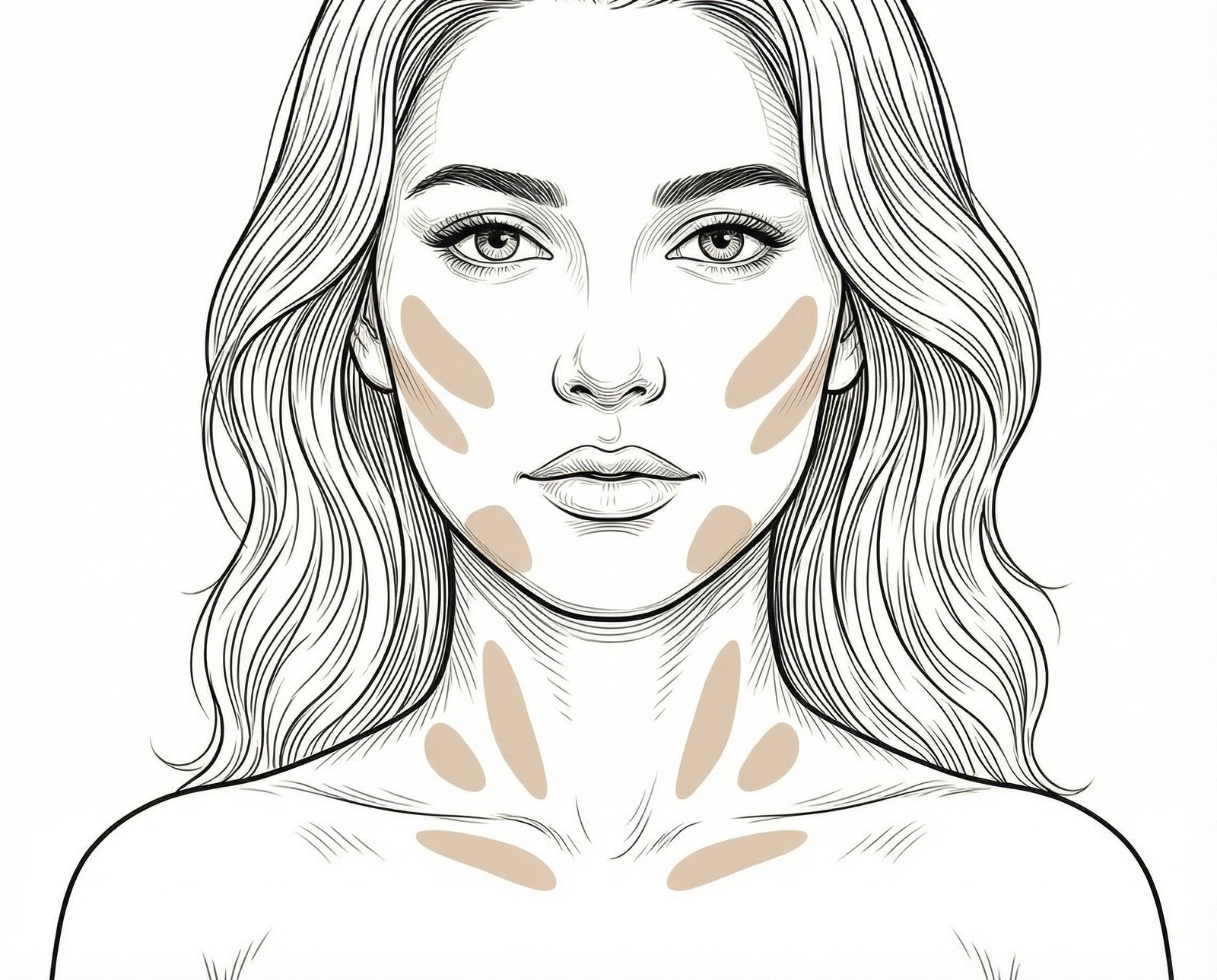
The areas we work on

  1. cellulite and firming of thighs, buttocks, arms;
  2. stretch marks after pregnancy and weight changes;
  3. dark circles and revitalisation of the eye area;
  4. lax skin on the neck, décolletage and inner thighs.
Rysunek stref zabiegowych — twarz, szyja i dekolt, sylwetka kobiecaForeheadPoliczkiSzyjaDécolletage
Indicative map of the areas

Carboxytherapy and the female body — what makes our skin different

Female skin is thinner than male skin, more susceptible to hormonal fluctuations, and loses microcirculation faster — particularly in hormonally sensitive zones: thighs, buttocks, abdomen, eye area. That's why cellulite affects women disproportionately more often than men, and stretch marks after pregnancy, rapid growth or weight loss remain, because scar tissue doesn't produce collagen on its own. Carboxytherapy works exactly where the female body needs it — stimulating microcirculation and collagen synthesis from within, at a level no firming cream can reach.
Stretch marks are scar tissue. The sooner you start, the better. Fresh (red or pink) stretch marks respond faster, because the blood vessels are still active. Old (white, pearly) ones respond too — the series simply needs to be longer. The dose of CO₂ and injection depth are selected each time by the specialist to match the stage of the stretch mark, skin thickness and your goal — there's no single protocol for everyone.

Dark circles — when concealer stops being enough

The skin under the eyes is the thinnest on the whole face — just 0.5 mm thick. Dark vascular circles (blood vessels visible through the skin) are the most common type of dark circle in women and one of the hardest to conceal. Carboxytherapy in the eye area improves microcirculation in this delicate zone — the vessels start working better, haemoglobin doesn't pool, and the darkness fades.
After a series of sessions targeting dark circles, many women find they reach for concealer out of habit — because that's what they've done for years — then realise they don't actually need it anymore. This is one of those effects you notice in real life, not just in photos.

Pregnancy, breastfeeding and hormonal changes — when we wait

Carboxytherapy is not performed during pregnancy or breastfeeding. If you're planning a pregnancy, consider a preventive series for stretch marks — before they appear on the skin, microcirculation and collagen in the subcutaneous tissue can be better prepared for the changes ahead. After birth and once breastfeeding ends, we return to the treatment with no restrictions.
Hormonal fluctuations (cycle, contraception, menopause) can affect the intensity of swelling and cellulite — if you notice it worsening at certain phases of your cycle, mention this to the specialist during consultation. The protocol can be adjusted to your body's rhythm.

Active skincare and carboxytherapy — retinoids, acids, serum

If you use retinoids (tretinoin, retinol, bakuchiol) or exfoliating acids (AHA, BHA), you don't need to stop them entirely. The rule is simple: the day before the session and for 24–48 hours after, avoid applying anything irritating to the treatment area. The rest of your routine stays unchanged.
Retinol works synergistically with carboxytherapy — both mechanisms stimulate cell renewal and collagen. If you use retinol regularly, the results of the series may be better maintained. Tell the specialist what you use day to day — she'll plan the schedule so both methods work together, not against each other.

Frequently asked questions

Can I apply makeup right after a facial treatment?
Yes — after carboxytherapy on the face or eye area, you can return to work and apply makeup almost immediately. The only restriction: if minor bruising appears around the eyes — which happens rarely, but does happen — you can apply concealer without issue, but avoid strong coloured products directly on the treatment area for the first 24 hours.
Is carboxytherapy safe while breastfeeding?
No. The treatment is not performed during pregnancy or breastfeeding. This is a firm boundary, regardless of the treatment area. Once breastfeeding ends, you can return with no restrictions.
I use retinol and acids — do I need to stop before a series?
You don't need to give up active skincare. A 24–48 hour break before each session and 24 hours after in the treatment area is enough. The rest of your routine stays unchanged. Tell the specialist what you use — together, you'll work out a schedule that won't clash with your daily skincare.
Will the results look natural — or will my skin look artificial?
Carboxytherapy doesn't change your features or fill tissue with an external substance — CO₂ stimulates your body's own regenerative processes. The result is healthier, better-perfused skin, not a change in facial structure. Naturalness is built into the mechanism itself.
Can carboxytherapy be combined with mesotherapy or hyaluronic acid?
Yes, and it's a very effective combination. Carboxytherapy improves microcirculation and stimulates tissue, which means active substances delivered during mesotherapy are better absorbed by the skin. The specialist determines the order and intervals between sessions — don't do both on the same day without a plan in place.

Where we offer it

Carboxytherapy (CO2) for women — we perform it in three J'ADORE INSTYTUT salons: two in Warsaw and one in Krakow.

  • WarszawaŻelazna 59 · Wola · Mirów
  • WarszawaMińska 29A · Praga-Południe · Kamionek
  • KrakówKarmelicka 45 · Stare Miasto · Piasek

Price list

Karboksyterpia Twarz · Bruzdy nosowo-wargowe

200 zł

  • Żelazna200 zł
  • Mińska200 zł
  • Karmelicka200 zł
Book a visit

Prices come from the salon price lists. The choice of cocktail and the number of sessions is decided by your specialist at the consultation.