WarszawaŻelazna 59WarszawaMińska 29AKrakówKarmelicka 45Warszawa · Kraków

Careers

ENPL

Full perspective

Strengthening programme (series) for women

Why women lose hair differently

In women, hair loss is most often diffuse. You may notice thinning at the parting, a 'thinner' ponytail, or increased shedding after childbirth, dieting or stress. This is often telogen effluvium, which responds well to a strengthening programme. This is a classic strengthening treatment for women — focused on thickening and improving condition.
Czas
a series of short visits spread over time
Efekt
results after a full series, maintained by follow-up visits
Regeneracja
none — you return to your daily routine immediately
Seria
a programme of several sessions in a series + check-ups; pace selected after consultation
Wykonuje
trichologist or experienced cosmetologist
ListenStrengthening programme (series) — this whole page read aloud

When it's worth it — indications

  • Increased but reversible hair loss — after stress, childbirth, a restrictive diet or infection (so-called telogen effluvium).
  • Seasonal hair loss — typical shedding in autumn or spring when you want to actively support your hair.
  • Thinning and weakened condition — hair that is thinner, less dense, 'lifeless' or brittle.
  • A scalp that cannot cope on its own — prone to seborrhoea, dandruff or tension (we start the programme by balancing the scalp).
  • Prevention and maintenance — when you want to maintain results from previous treatments or take care of your hair in advance.
  • Preparation for stronger treatments — a balanced, healthy scalp responds better to further therapy.

The areas we work on

  1. diffuse thinning and a widened parting;
  2. telogen effluvium after childbirth, diet, infection or stress;
  3. seasonal increase in hair loss (autumn/spring);
  4. hair that is thin, brittle or 'lacking volume'.
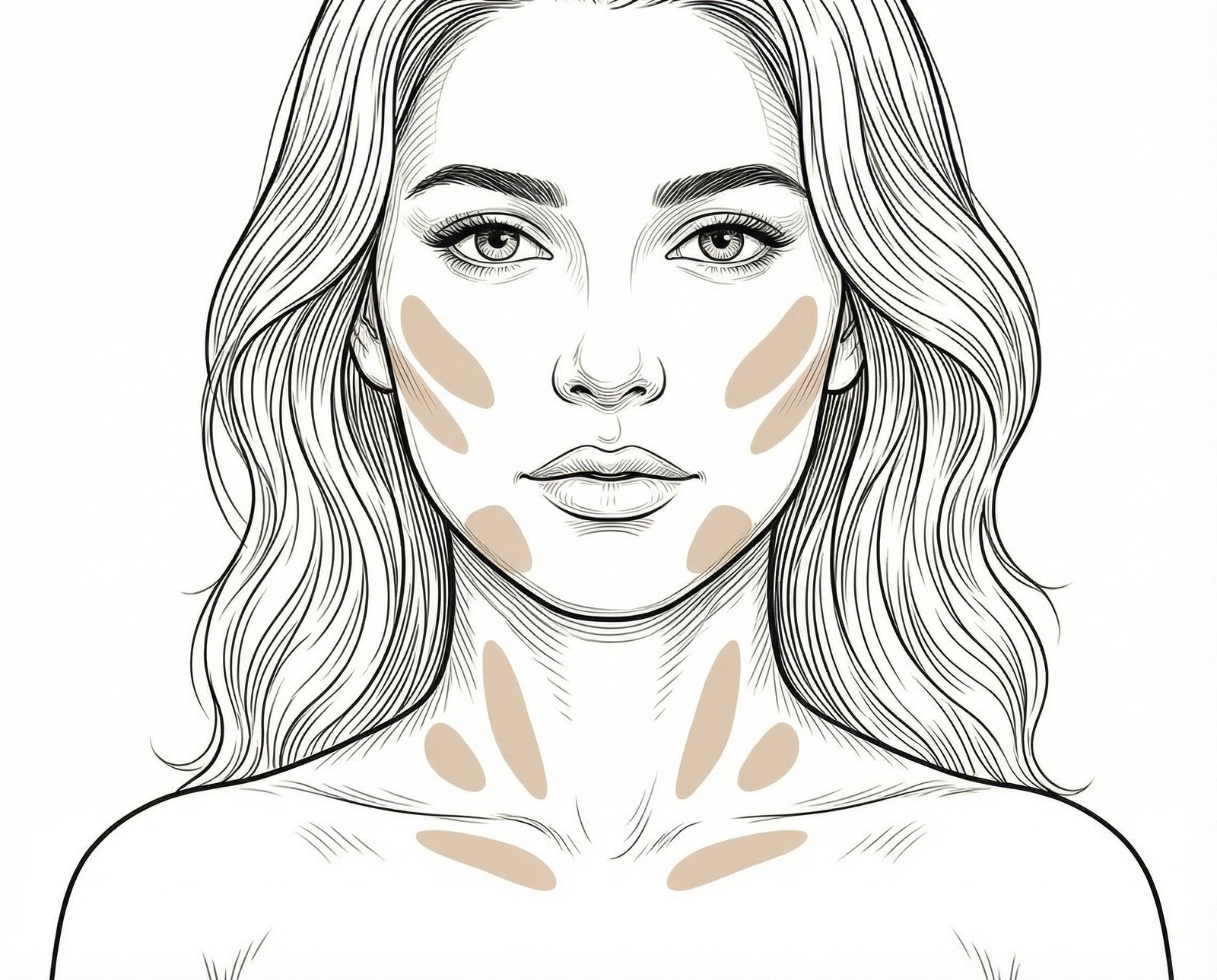
Rysunek stref zabiegowych — twarz, szyja i dekolt, sylwetka kobiecaForeheadPoliczkiSzyjaDécolletage
Indicative map of the areas

Why women lose hair differently

Female hair loss rarely looks like dramatic baldness. It more often appears as a widening parting, a thinner ponytail, or more hair left on the brush. Hormonal shifts after childbirth, restrictive diets, chronic stress or seasonal telogen effluvium are common. In these cases, the hair follicle temporarily slows down. Hair loses density and elasticity. The good news: this type of loss is reversible. The bad news: it requires time and a repeatable stimulus, not one 'miracle ampoule'.
Women's hair is also often subject to much greater external stress — heat styling, dyes and bleaches. The condition of the hair shaft and the condition of the scalp are two different things. However, both matter for the durability of the treatment results.

What the treatment does for women's hair — in stages

A trichologist designs the strengthening programme after a diagnosis, so there is no single template. The logic is constant. First, we organise the scalp (cleansing, removing excess sebum). Then we nourish and stimulate the follicles. Finally, we regenerate and stabilise. Women after childbirth often start a series when telogen effluvium is at its peak. Consistency is especially important then, as results are not visible immediately. The follicle must enter the growth phase. This follows its own rhythm, not the 'strength' of a single treatment.
Between visits, home care — a selected shampoo, serum or ampoules — is part of the programme, not an extra. It 'extends' the effect of each visit until the next one.

When a woman should start a series

  • Hair loss increased after childbirth, dieting or intense stress and does not return to normal after a few weeks.
  • The parting seems wider, the ponytail thinner, or there is 'less hair than before' — but without a visible bald line.
  • Seasonal shedding (especially in autumn) is significant every year and you want to actively shorten it.
  • The scalp is oily, prone to dandruff or tight — and blocks the effect of other treatments.
  • You want to maintain results from previous trichological treatments or prepare the scalp for stronger therapy.

Realistic expectations — without exaggeration

The strengthening treatment realistically improves the condition of the hair and scalp. It limits reversible hair loss and can thicken the hair. It does not reverse an advanced, permanent process. In the case of telogen effluvium — which naturally passes — the series shortens and eases this stage and accelerates regrowth. For androgenic processes in women (rarer but possible), the programme supports the hair but also requires parallel medical diagnostics.
We assess the first changes after several visits — not the first one. Anyone expecting a result 'after one treatment' will be disappointed. Those who persevere with the series usually see a difference.

Frequently asked questions

Can I start the treatment right after childbirth, when my hair is falling out in handfuls?
It is worth starting with a consultation to assess which stage of telogen the follicles are in. For fresh, intense postpartum hair loss, we often combine the programme with home care and monitor the reaction. The treatment itself is safe after childbirth. However, if you are breastfeeding, tell the trichologist. Some elements of the programme may require modification.
Do dyeing and bleaching interfere with the treatment?
You do not have to give up your colour. Trichological treatments work on the scalp and follicle, not the hair shaft. It is only worth keeping a gap between an intense hairdressing service and the treatment. The trichologist will tell you how many days of a break are needed.
Why do I have to buy shampoo and serum from the trichologist — isn't a regular one enough?
It is not about the brand or price, but the ingredients selected for your scalp. If you have seborrhoea, you need a different shampoo than for dry skin. If the programme includes a needling stage, the scalp is more sensitive for several hours and needs gentle care. Home products are part of the programme, not a side cost.
How many series do I need for the result to last?
This depends on the cause and how your hair responded to the first series. For telogen effluvium after a one-off event (childbirth, diet), one series plus follow-up visits is often enough. For recurring seasonal loss, a programme every autumn or spring is recommended. The trichologist will assess this after a full series and suggest a maintenance plan.
Can I combine trichological treatment with facial treatments?
Yes, these treatments do not interfere with each other. The only issue is potential stress on the body. If you are doing many procedures at once, ask the trichologist about the order and intervals. The trichological treatment itself does not affect facial treatments and vice versa.

Where we offer it

Strengthening programme (series) for women — we perform it in three J'ADORE INSTYTUT salons: two in Warsaw and one in Krakow.

  • WarszawaŻelazna 59 · Wola · Mirów
  • WarszawaMińska 29A · Praga-Południe · Kamionek
  • KrakówKarmelicka 45 · Stare Miasto · Piasek

Price list

    Book a visit

    Prices come from the salon price lists. The choice of cocktail and the number of sessions is decided by your specialist at the consultation.