WarszawaŻelazna 59WarszawaMińska 29AKrakówKarmelicka 45Warszawa · Kraków

Careers

ENPL

Full perspective

Cavitation peel (mechanical/ultrasound) for women

Your skin, refreshed — without compromising sensitivity

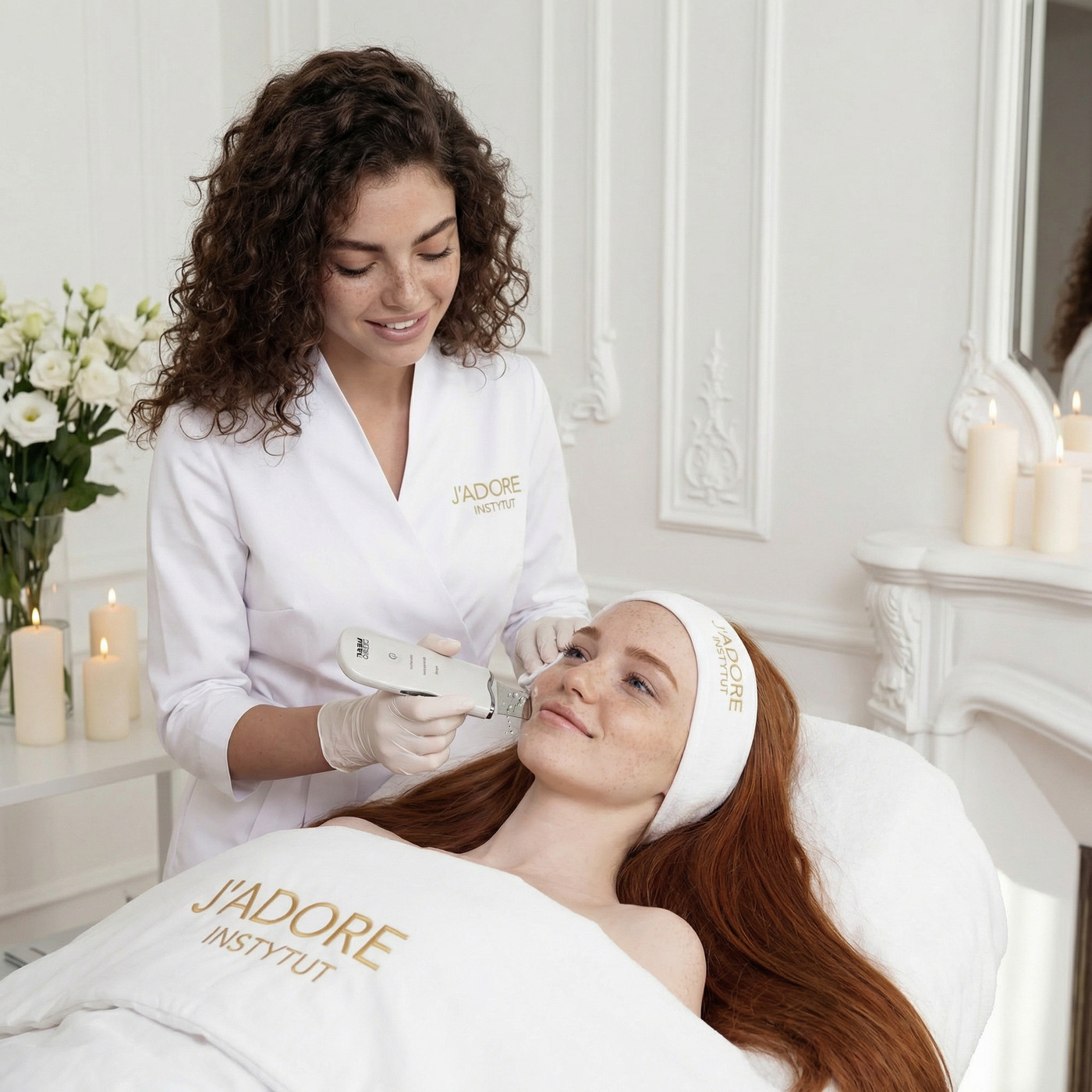
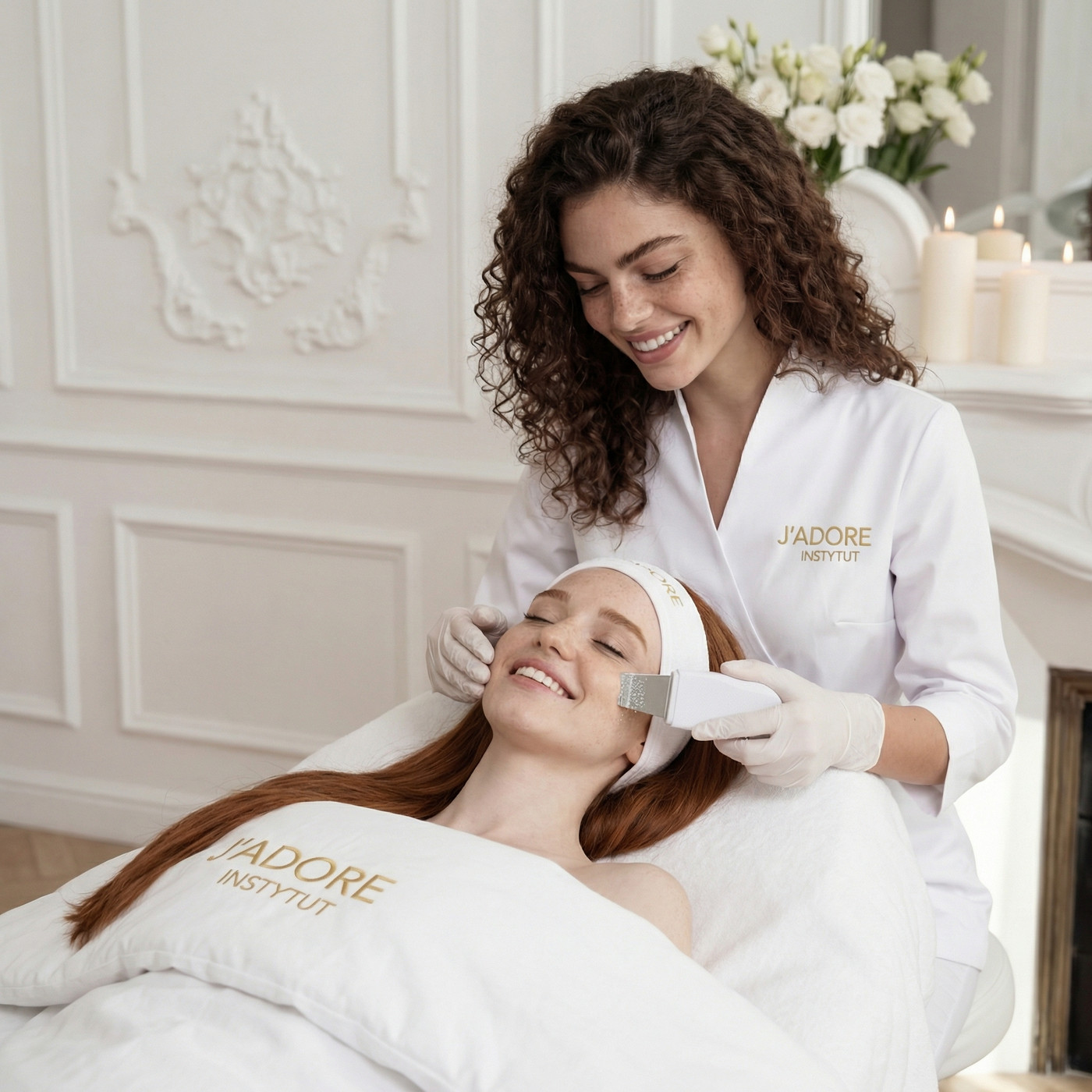
For women, cavitation is most often about radiance, smoothness and better hydration — frequently used as a "reset" before makeup, a shoot, or a night out. A key advantage is the hyaluronic serum sonophoresis after exfoliation. This is the classic cavitation peeling for women.
Czas
several dozen minutes
Efekt
result visible immediately; full hydration develops over several hours
Regeneracja
none (zero downtime)
Seria
single session or a series of 4 sessions — usually every 2–4 weeks
Wykonuje
experienced cosmetologist
ListenCavitation peel (mechanical/ultrasound) — this whole page read aloud

When it's worth it — indications

  • Dull, grey, tired-looking skin — when a layer of dead cells dampens radiance and creams alone don't help.
  • Clogged pores and blackheads — cavitation loosens sebum and debris in the pore openings; skin looks cleaner and pores appear smaller.
  • Sensitive and vascular skin — one of the few exfoliating treatments we can recommend for reactive skin, since there are no acids to cause the usual stinging.
  • Dehydrated skin that doesn't "respond" to creams — sonophoresis delivers hydrating serum deeper than surface application ever could.
  • Oily skin prone to shine — regular cleansing helps keep pores clear.
  • Preparation for a follow-up treatment — as a first step before HydraFacial, Geneo, a medical peel or mesotherapy.
  • A quick fix before an important event — an immediate smoothing, brightening effect with no redness.

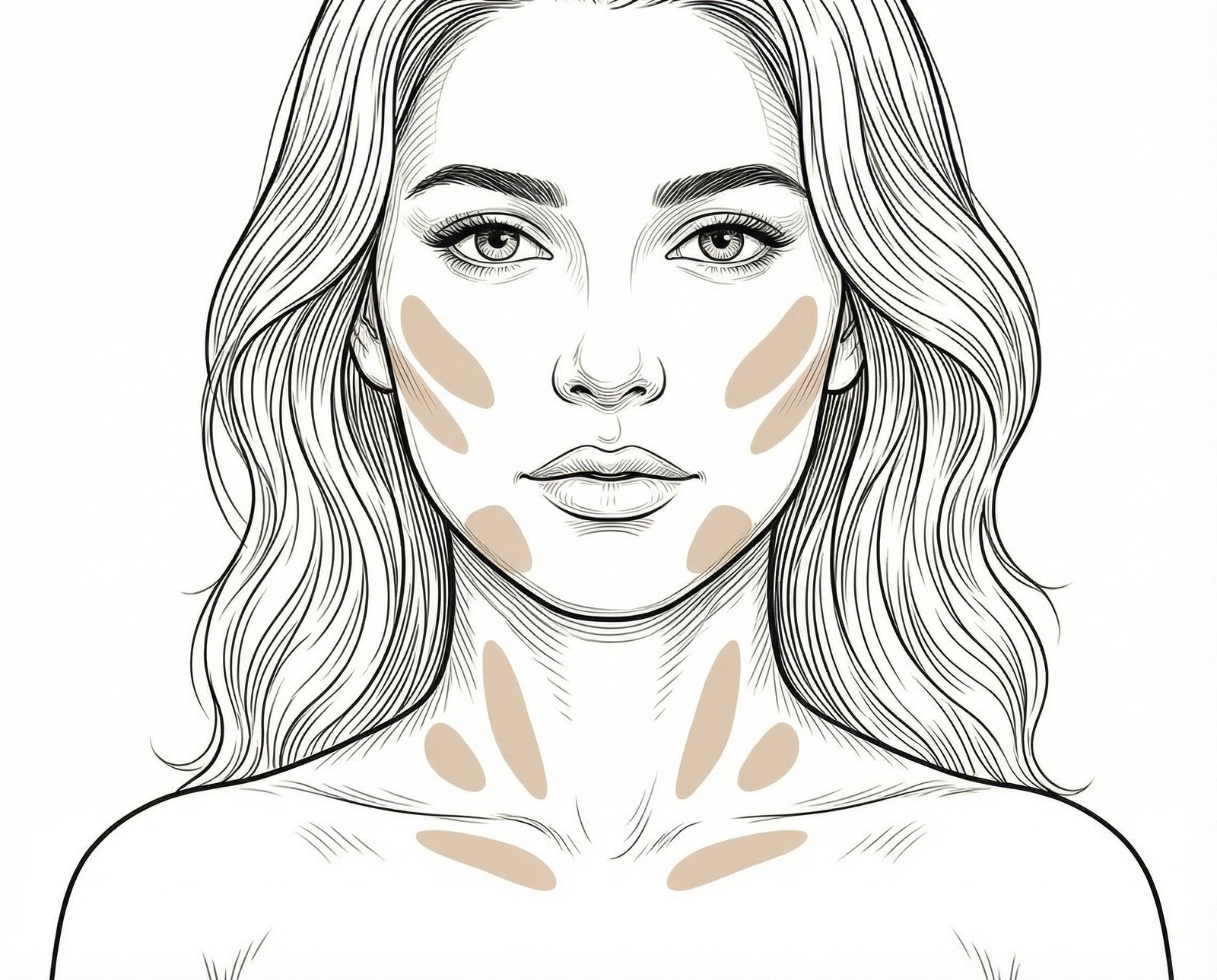
The areas we work on

  1. dull skin, "rough" texture, lack of radiance;
  2. dehydration — a clear effect after HA serum sonophoresis;
  3. sensitive and vascular skin that doesn't tolerate acids;
  4. last-minute cleansing before an important event.
Rysunek stref zabiegowych — twarz, szyja i dekolt, sylwetka kobiecaForeheadPoliczkiSzyjaDécolletage
Indicative map of the areas

Your skin, refreshed — without compromising sensitivity

Women's facial skin is, on average, thinner and more reactive than men's — which is why many women are cautious about exfoliation, and rightly so. Chemical acids can sting, mechanical peels can irritate, and the result can sometimes be worse than the starting point. Cavitation peeling is different: ultrasonic waves at 25–28 kHz break down dead skin physically, with no irritating substance, no friction, no micro-trauma. The result — smoother, radiant skin — is visible immediately, with no "redness phase" to get through.
If your skin is sensitive, vascular or reactive, cavitation is one of the few peels where you don't have to choose between effectiveness and comfort. You can have both.

Radiance with no middleman — why the effect is immediate

The secret of cavitation lies in the sequence: first, precise removal of the dead cell layer — the one that makes skin look dull and grey even with good skincare — and then, immediately after, sonophoresis. As soon as the skin is freshly cleansed, the spatula switches mode and drives the chosen active serum many times deeper than a cream applied to intact skin ever could. Hydration with hyaluronic acid, antioxidants, brightening ingredients — all reach exactly where they work best.
The result: your skin looks as if it's had hours of intensive home skincare — achieved in 30 minutes, with makeup ready to apply the moment you leave the salon.

When cavitation matters most for women's skin

There are moments when traditional peels simply aren't an option — yet the need to look after your skin remains. Cavitation peeling works without acids or chemical substances, which means it can be considered even during pregnancy and breastfeeding — we discuss every case individually during your consultation. That's rare among exfoliating treatments.
Similarly: if you regularly use retinol or acids at home and your skin is temporarily more reactive, cavitation won't clash with that state or intensify irritation. Quite the opposite — the specialist adjusts sonophoresis settings and serum to your skin's current condition, so the treatment complements your routine rather than competing with it.
  • Vascular skin and broken capillaries — no friction and no acids remove the main risk factors; cavitation cleanses without irritating delicate blood vessels
  • Combination and oily skin prone to blackheads — ultrasound reaches where daily cleansing can't, balancing pore function and reducing shine
  • Dehydrated skin that doesn't "respond" to creams — sonophoresis delivers hydration directly beneath the skin's surface, not just on top of it
  • Preparation for an important day — zero downtime, immediate radiance; ideal a day or two before an event

Natural freshness, not a "just had a treatment" look

A common concern is that skin after a peel will look "treated" — red, flaking, giving away that something was done. Cavitation is designed to avoid exactly that. Ultrasound doesn't damage the skin barrier, doesn't trigger inflammation, and leaves no visible trace. Your skin simply looks clean, smooth and radiant — and whether that's down to a treatment stays between you and the salon.

Frequently asked questions

Can I apply makeup straight after a cavitation peel?
Yes — and it's one of cavitation's biggest advantages. The treatment causes no redness or irritation that needs time to settle. You leave the salon with clean, smoothed skin ready for foundation, and freshly cleansed pores mean makeup sits noticeably more evenly than usual.
Is cavitation safe if I use retinol or acids at home?
It depends on your skin's current condition and where you are in your skincare routine. As a rule, we recommend pausing retinol for 2–3 days before the treatment. If your skin is currently reactive or irritated from acids, the specialist will assess this at your consultation and adjust the treatment to suit — rather than making it worse. Cavitation isn't automatically incompatible with active skincare — it just needs a bit of planning.
Is cavitation peeling safe during pregnancy or breastfeeding?
The absence of acids and chemical substances, and its non-invasive nature, make cavitation one of the few peels considered during these particular times. We discuss every case individually during your consultation, though — pregnancy is a time when skin can be especially reactive, and we want to be certain the settings we choose are right for you and your baby.
How natural does it look? Will people notice I've "had something done"?
The effect is subtle and natural — clean, radiant, noticeably smoother skin, with none of the usual telltale signs of a treatment. No one will say you've "been to the cosmetologist" — they'll just say you look great. That's exactly why cavitation is so popular before important events: weddings, meetings, photo shoots.
Can I combine cavitation with other facial treatments in the same visit?
Yes — using cavitation as the first step of your visit opens the skin up to the treatments that follow. It works well alongside LED therapy (soothing after cleansing), active masks, and enhanced sonophoresis. The specialist designs your visit protocol so that each step builds on the last, rather than duplicating it.

Where we offer it

Cavitation peel (mechanical/ultrasound) for women — we perform it in three J'ADORE INSTYTUT salons: two in Warsaw and one in Krakow.

  • WarszawaŻelazna 59 · Wola · Mirów
  • WarszawaMińska 29A · Praga-Południe · Kamionek
  • KrakówKarmelicka 45 · Stare Miasto · Piasek

Price list

Twarz

od 239 zł

  • Żelazna249 zł
  • Mińska239 zł
  • Karmelicka249 zł
Book a visit

Prices come from the salon price lists. The choice of cocktail and the number of sessions is decided by your specialist at the consultation.