WarszawaŻelazna 59WarszawaMińska 29AKrakówKarmelicka 45Warszawa · Kraków

Careers

ENPL

Full perspective

Brow restoration after chemotherapy / alopecia for women

Returning to your own face — why brows matter so much after treatment
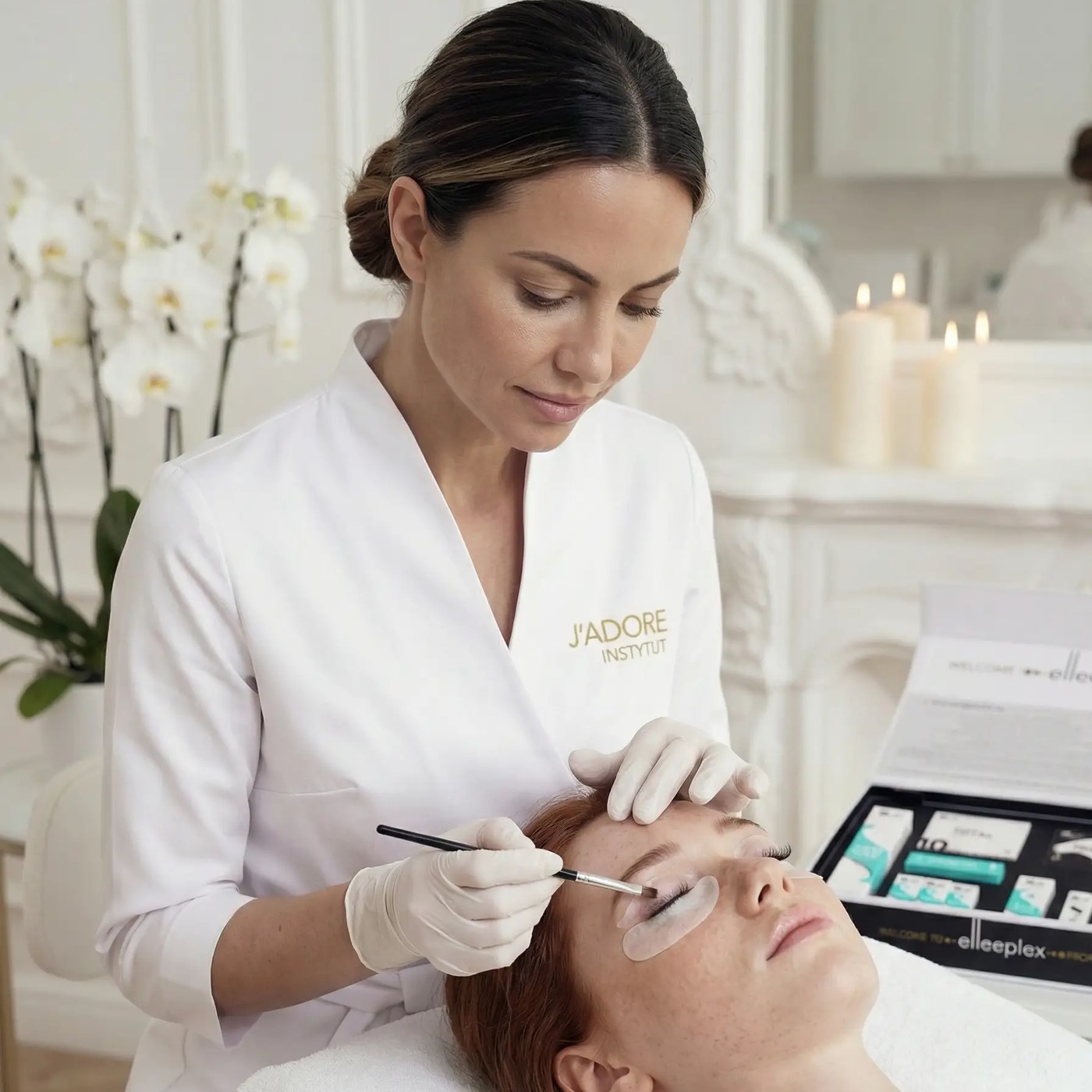
Brow reconstruction for women most often restores a soft, fuller arch and symmetry — so the face regains its "own" expression from before treatment. We usually work from a photo taken before the illness (if you have one), to recreate a shape as close as possible to your natural one. We choose colour warmly and subtly, with an eye to how it will fade.
Czas
a calm, longer visit + a short touch-up
Efekt
long-lasting; pigment fades naturally and needs refreshing
Regeneracja
a few days of healing: light scabbing and colour lightening; skin can feel more delicate after treatment
Seria
1 session + mandatory touch-up after around 4–6 weeks
Wykonuje
a qualified line therapist experienced in medical micropigmentation
ListenBrow restoration after chemotherapy / alopecia — this whole page read aloud

When it's worth it — indications

  • Brows that haven't grown back after chemotherapy — sometimes they don't return at all, sometimes they come back sparser, lighter, or in a different pattern than before treatment.
  • Alopecia areata and alopecia totalis — when brows have been lost due to an autoimmune condition.
  • Very sparse, "see-through" brows after treatment — when only a few hairs remain and the face looks "unfinished."
  • Missing brow tails or asymmetry resulting from treatment or previous procedures.
  • Wanting to go back to daily life without makeup — when you're tired of drawing your brows in with a pencil every day where nothing grows.
  • Needing to "close" a chapter of treatment — a symbolic, but very real, step back towards the person you were before illness.

The areas we work on

  1. recreating the full brow shape when it hasn't grown back after chemotherapy;
  2. restoring symmetry and a soft arch "like before";
  3. filling in very sparse brows after treatment;
  4. technique matched to post-treatment skin condition (microblading or ombre/powder);
  5. a design based on a photo from before illness, if you want to return to "your" brows.
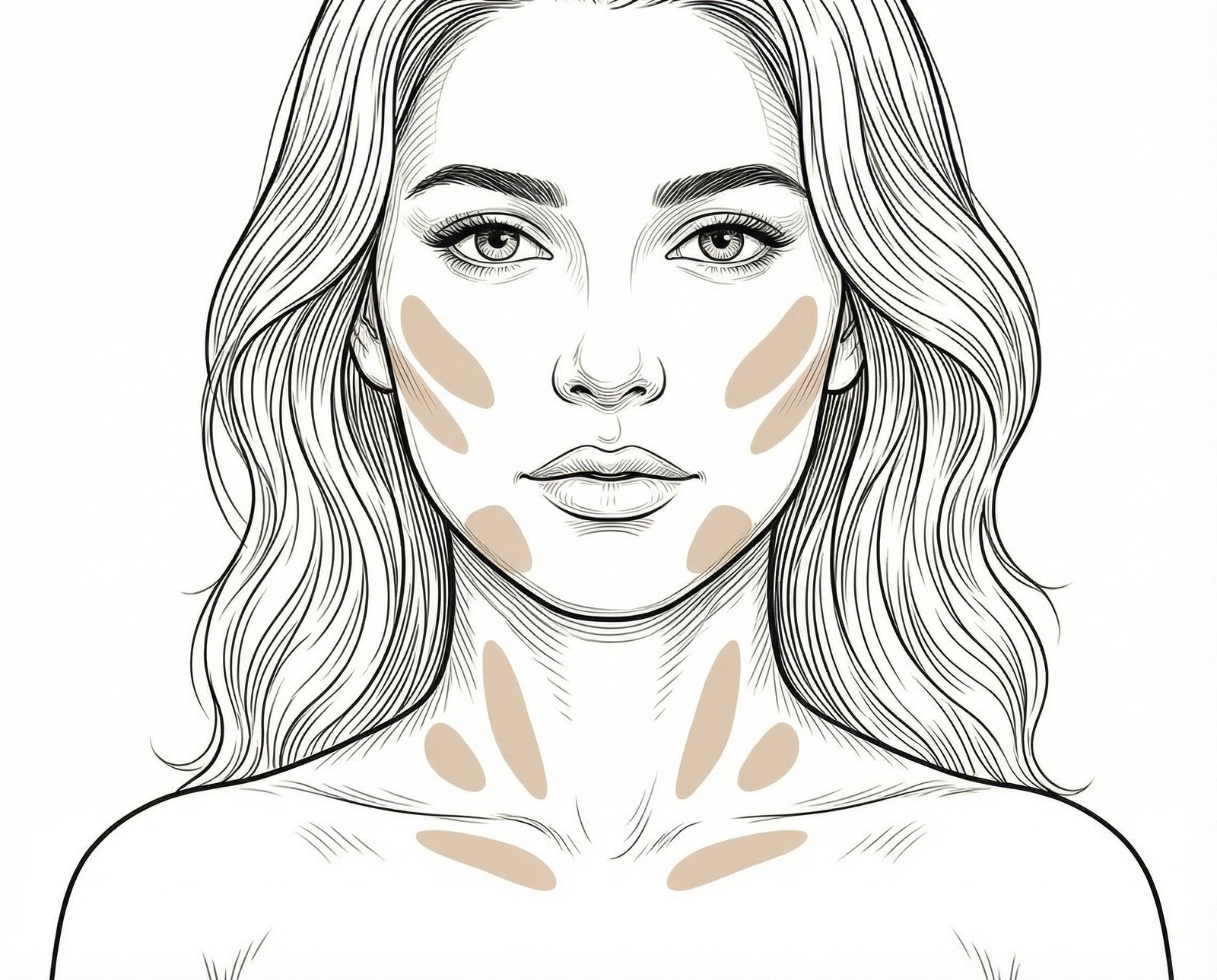
Rysunek stref zabiegowych — twarz, szyja i dekolt, sylwetka kobiecaForeheadPoliczkiSzyjaDécolletage
Indicative map of the areas

Returning to your own face — why brows matter so much after treatment

The brain recognises faces largely through the brows — more than you might think. When they disappear after chemotherapy, or through alopecia, your reflection stops feeling familiar. This isn't about vanity — it's about no longer recognising yourself. That's exactly where the conversation about reconstruction begins.
We perform this treatment once treatment has finished, on healed skin, with your treating doctor's approval. There are no shortcuts here — and rightly so: your skin, after everything it's been through, deserves full respect.

What you gain as a woman — the specifics of female anatomy and expectations

Women's skin after chemotherapy can be thinner and more delicate than before treatment, and its response to pigment less predictable. That's exactly why we start subtly: it's easier to add colour at the touch-up than to start too strong. The final result we build together is a soft, symmetrical arch — as close as possible to the shape you had before, if you have a photo from that time.
The technique — hair-stroke (microblading) or ombre/powder shading — is chosen by your line therapist after assessing your skin. Sensitive, vascular skin after treatment often takes soft ombre shading better than precise hair strokes. This isn't a compromise — it's a fit tailored to you.

When you have a photo from before your illness

If you've kept a photo from before treatment — bring it. It's one of the most valuable tools we have: we can recreate the shape that was yours, rather than designing one from scratch. Does that sound obvious? Yes — but for many women, this is the moment they cry from emotion for the first time in a long while, rather than from pain.
If you don't have a photo, we design from scratch — and that's beautiful too. We start with a conversation about how you looked and how you want to look, not a catalogue of shapes.

The concern we hear most often

Women ask: won't it look artificial, or too strong? It's a fair question, and we have an honest answer: that's exactly why we deliberately make the first session calmer. Colour lightens during healing, and we complete the full result at the touch-up 4–6 weeks later. We aim for a natural "this is me again" — not a bold line or something visible from a distance.
Skin after treatment can react differently from the textbook case — your line therapist stays in touch with you throughout healing, so you don't have to face the colour-fading phase mid-week on your own.

Frequently asked questions

Can I bring a photo from before my chemotherapy and ask you to recreate that exact shape?
Yes — and we really encourage it. A photo from before your illness is our starting point for the design. It gives us a shape that was truly yours, not an invented one. We can't always recreate it to the millimetre — skin can behave a little differently after treatment — but the direction is set, and that makes a huge difference.
My brows are very sparse, but something remains — can this be topped up, or does it need to be done from scratch?
We can work with what's there. We treat existing hairs as the base and fill in the missing parts — shape, tail, density. We choose the technique so the result is cohesive: new elements blend into what's already natural. We assess this at consultation, on your actual skin.
After the treatment, will I be able to wear my usual makeup — powder, foundation?
During healing (the first couple of weeks), the brow area needs protecting: no makeup directly on it, no acids, no retinol. Everywhere else on your face — as usual. Once fully healed and after the touch-up, you go back to your routine with no restrictions. And usually — you simply won't need to draw your brows in anymore. I'm worried that a touch-up at 4–6 weeks means something went wrong the first time. No — the touch-up is a planned, standard step, part of the process, not a correction of a mistake. Skin covers pigment during healing and the colour lightens for a while. The touch-up completes what the first session deliberately left unfinished: we check how your skin has taken the colour and top up whatever needs it. For skin after treatment, this step is particularly important and valuable.
Can I bring someone close to me — my husband, my mum, a friend?
Of course. Many clients bring someone who supported them through treatment — and that's a lovely thing to see. The salon is calm enough that having someone close by is welcome. The only thing we ask: decisions about the design and shape are made together with you, not for you.

Where we offer it

Brow restoration after chemotherapy / alopecia for women — we perform it in three J'ADORE INSTYTUT salons: two in Warsaw and one in Krakow.

  • WarszawaŻelazna 59 · Wola · Mirów
  • WarszawaMińska 29A · Praga-Południe · Kamionek
  • KrakówKarmelicka 45 · Stare Miasto · Piasek

Price list

    Book a visit

    Prices come from the salon price lists. The choice of cocktail and the number of sessions is decided by your specialist at the consultation.