WarszawaŻelazna 59WarszawaMińska 29AKrakówKarmelicka 45Warszawa · Kraków

Careers

ENPL

Full perspective

Scalp micropigmentation (SMP) for women

Why women choose SMP

SMP for women rarely means a "shaved-head" effect. The goal is usually optical density at the parting and crown — pigment woven between existing hairs so the scalp stops showing through. The SMP artist works more delicately, softly grading the edges so the camouflage disappears into the natural hairline.
Czas
foundation session + 1–2 follow-ups
Efekt
results last for years, with periodic touch-ups
Regeneracja
brief redness, zero downtime
Seria
series of sessions to build the effect + follow-ups at intervals
Wykonuje
qualified SMP artist (SMP specialist)
ListenScalp micropigmentation (SMP) — this whole page read aloud

When it's worth it — indications

  • Male pattern baldness and a receding hairline — when the hairline recedes and the scalp shows through, SMP visually rebuilds a denser line and fills in the receding areas.
  • "Freshly shaved head" effect — for those who wear their hair very short or shaved and want the impression of even stubble.
  • A thinning parting and crown — a common concern for women; pigment adds density to the skin between existing hairs.
  • Scalp scars — from hair transplants (the FUT donor line, FUE point scars), injuries or surgery.
  • Uneven density — patches, thinning areas, spots left by past inflammation where hair won't return.
  • Complementing a transplant — SMP adds density to the recipient area and camouflages the donor scar, enhancing the transplant result.

The areas we work on

  1. a widened, thinning parting;
  2. thinning at the crown (female pattern hair loss);
  3. camouflaging individual scars and patches;
  4. subtle refinement of the hairline at the temples.
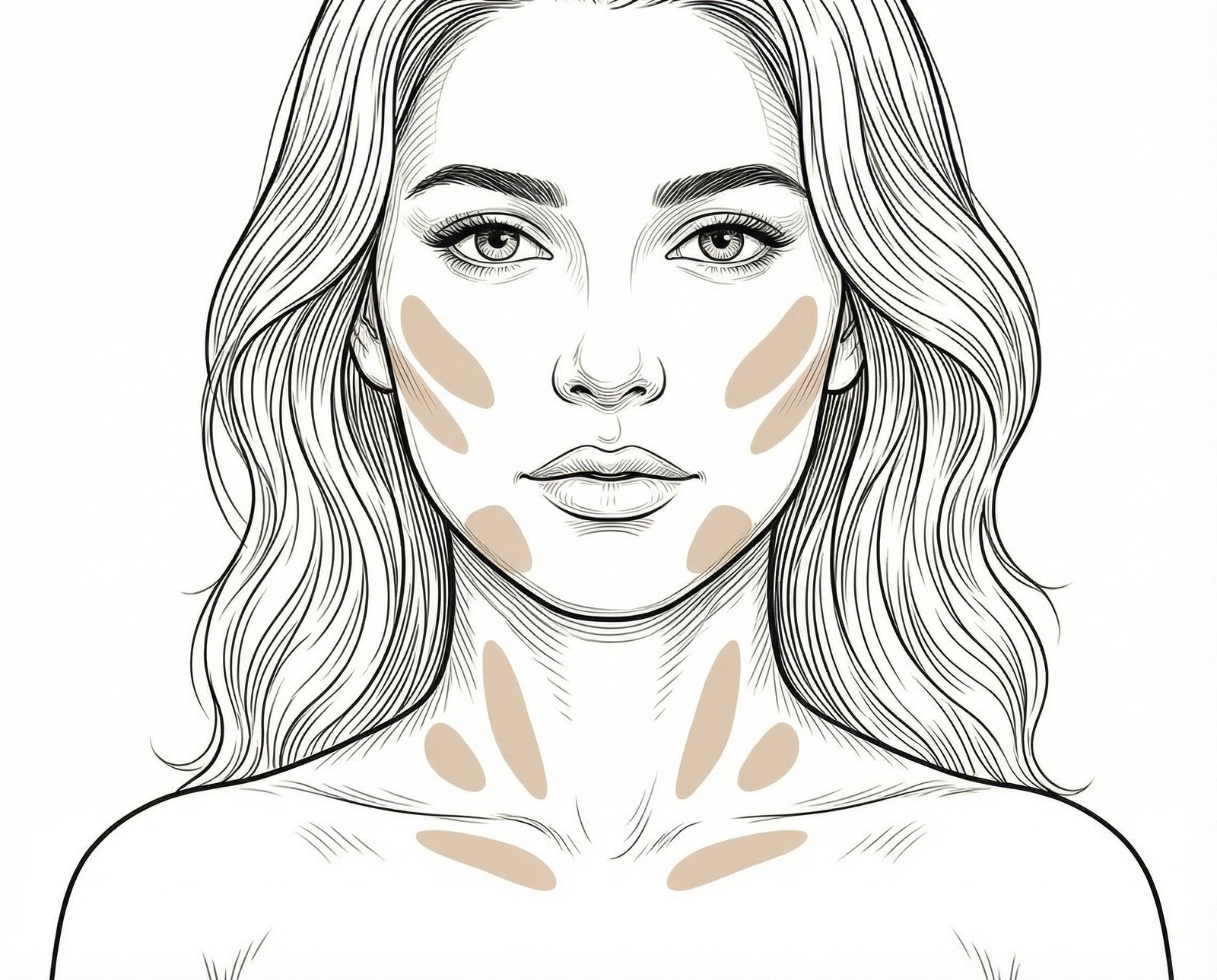
Rysunek stref zabiegowych — twarz, szyja i dekolt, sylwetka kobiecaForeheadPoliczkiSzyjaDécolletage
Indicative map of the areas

Why women choose SMP

A thinning parting, scalp visible at the crown when hair is tied back, hair loss after pregnancy or stress — these are problems rarely visible to others, but felt every morning by whoever sees it in the mirror. SMP for women is precise camouflage between existing strands — pigment fills the gaps between hairs, balancing the contrast between skin and hair. The result isn't a new hairstyle; it's the relief of no longer seeing your scalp shine through.
The SMP artist works quite differently here compared to the shaved-head effect: the dots are finer, more scattered, and the edges are softly graduated. The goal is invisibility, not a defined hairline like a stubble edge.

Common situations for women

  • A widened parting — scalp visible from the forehead back; SMP narrows it optically by adding density along both sides.
  • Thinning at the crown — the typical pattern of female pattern hair loss (Ludwig I–II); pigment evenly fills the space between hairs.
  • Gaps from trichotillomania, inflammation or injury — areas where hair hasn't returned can be camouflaged with targeted dots.
  • Subtle refinement of the temple line — when the temples are irregular or asymmetric, a few sessions can even out their optical outline.
  • Camouflaging transplant scars — women who've had FUE can camouflage the point scars in the donor area.

Day-to-day life after the treatment

The SMP effect doesn't need any special hair care — the pigment sits under the hair, not on it. You can dye your hair (once healed), use styling products and conditioners as usual. The only daily difference is sun protection for exposed scalp: prolonged sun exposure accelerates pigment fading, so SPF or a hat in the sun extends how long the effect lasts.
During healing (a few days after each session): use a gentle SLS-free shampoo, avoid intense scalp massage, avoid hot water and saunas. Everything else in your daily routine stays the same.

When to choose SMP and when to treat first

If your hair is actively falling out, we plan SMP for a stabilised situation — not as a substitute for treatment. If your follicles are still active, it's worth checking them with a trichologist first, or considering PRP or exosomes. Optical camouflage gives an immediate visual result, but it doesn't stop the underlying process — an honest SMP artist will tell you this directly and suggest the right order of steps.

Frequently asked questions

Will SMP be visible when my hair is loose — will you see individual dots?
With a well-matched shade and the right dot density, the effect is indistinguishable from the natural shadows between hairs. We assess it from a normal conversational distance — not under a magnifying glass. The key is matching the pigment shade to your hair colour and skin tone: too dark a pigment looks like dirt, the right one looks like density.
Can I still dye my hair after SMP?
Yes, once fully healed (a few weeks after the last session in the series). Hair dye doesn't affect the pigment in the skin. It's worth letting your SMP artist know about any planned colour change, so any future touch-up can be matched to your current hair colour.
Does it hurt — I have a low pain threshold?
The sensation is tolerable. Sensitivity varies across the scalp — the parting and crown are more delicate than the back of the head. Your SMP artist adjusts the pace to your comfort and allows breaks. Some people describe it as tickling with a slight stinging sensation.
How many sessions do I need for a parting and crown?
Usually a foundation series plus one follow-up — but it depends on how large the area is, the density of existing hair, and how your skin takes the pigment. We always start with a lighter, more cautious layer and build up over subsequent visits.
Can I have SMP if I'm post-chemotherapy and my hair is regrowing?
This needs individual assessment during a consultation. In general, the skin needs to be in a stable condition, regrowth needs to be under way, and there should be no active inflammation. Your SMP artist will assess your scalp and, if needed, ask for clearance from your oncologist.

Where we offer it

Scalp micropigmentation (SMP) for women — we perform it in three J'ADORE INSTYTUT salons: two in Warsaw and one in Krakow.

  • WarszawaŻelazna 59 · Wola · Mirów
  • WarszawaMińska 29A · Praga-Południe · Kamionek
  • KrakówKarmelicka 45 · Stare Miasto · Piasek

Price list

    Book a visit

    Prices come from the salon price lists. The choice of cocktail and the number of sessions is decided by your specialist at the consultation.