After a glass of wine your face burns — why does skin react this way to alcohol?
Does your skin react to alcohol? That's a sign it's worth taking action — the salon and home care together make a difference.
7 min read4:46 of audiowritten for women
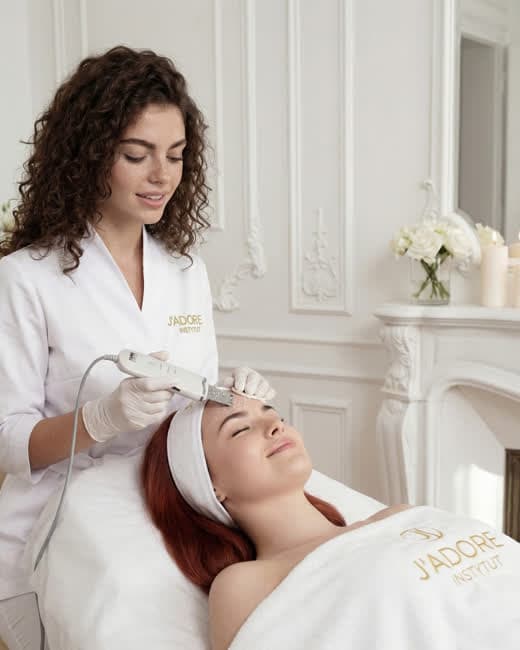
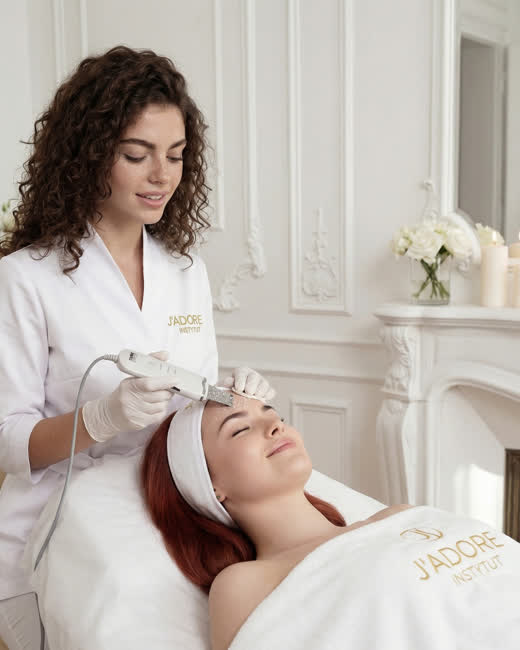
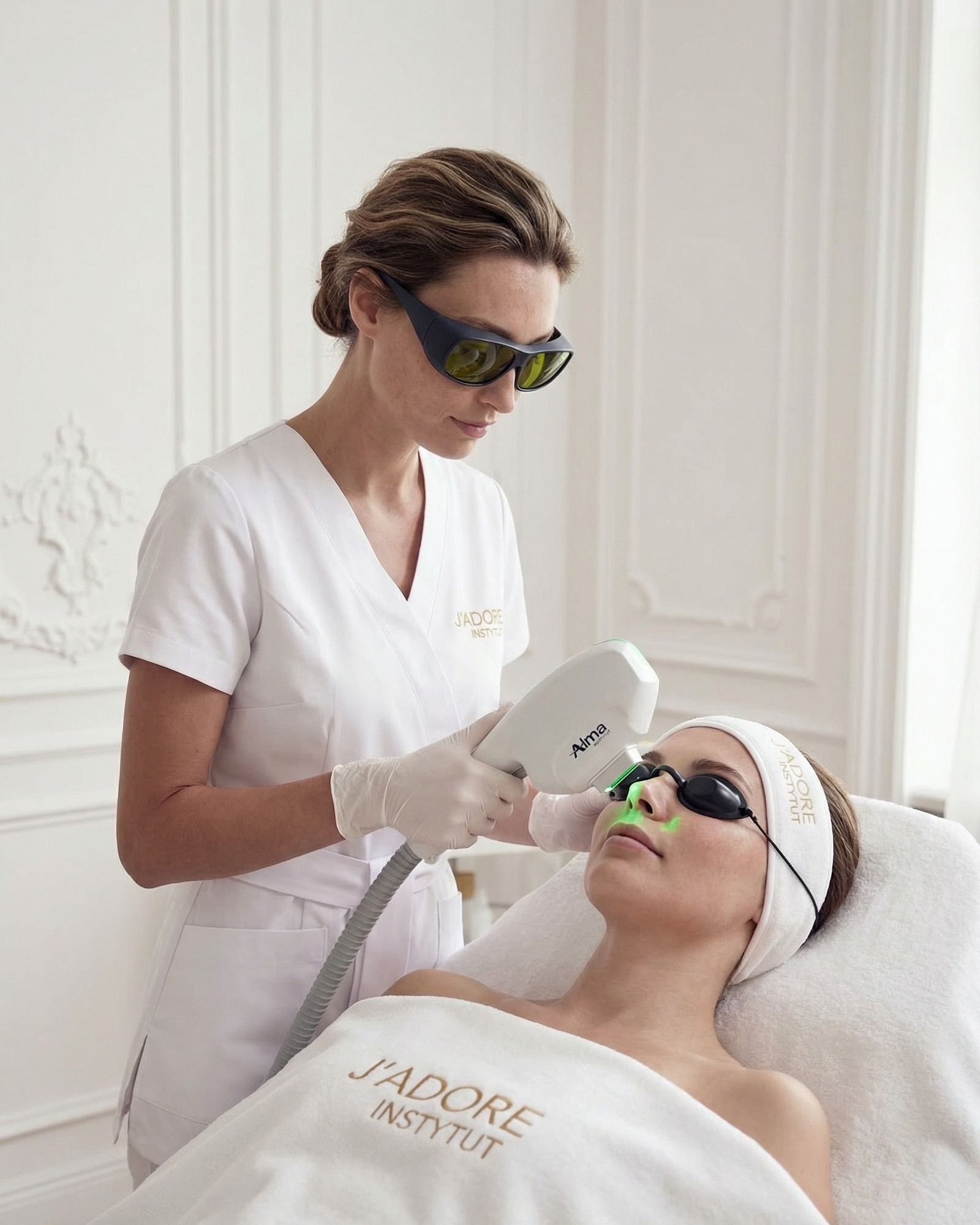
Illustrative photo. It shows an example of how the treatment is performed.
You are listening0:00 of 4:46
Listen to the article
read by Kore · 4:46
0:004:46
7 min readread by Kore3 August 2026
Ethyl alcohol affects skin on several levels at once — it dilates blood vessels, dehydrates tissue and increases inflammation. This has specific causes and can be managed effectively, both in the salon and at home. The key is to understand the mechanism and choose the right approach for your skin type.
01
Why does alcohol affect skin this way?
02
Is skin that reacts to alcohol a warning sign?
Redness after alcohol alone isn't a disease, but it can be a signal that your skin deserves closer attention.
you have vascular skin or a tendency towards rosacea,
the blood vessels in your skin are weakened and need strengthening,
your skin is dehydrated and hyper-reactive — it responds more strongly to all triggers, not just alcohol.
03
Treatments that help with vascular skin and alcohol reactions
04
What does the specialist do during consultation?
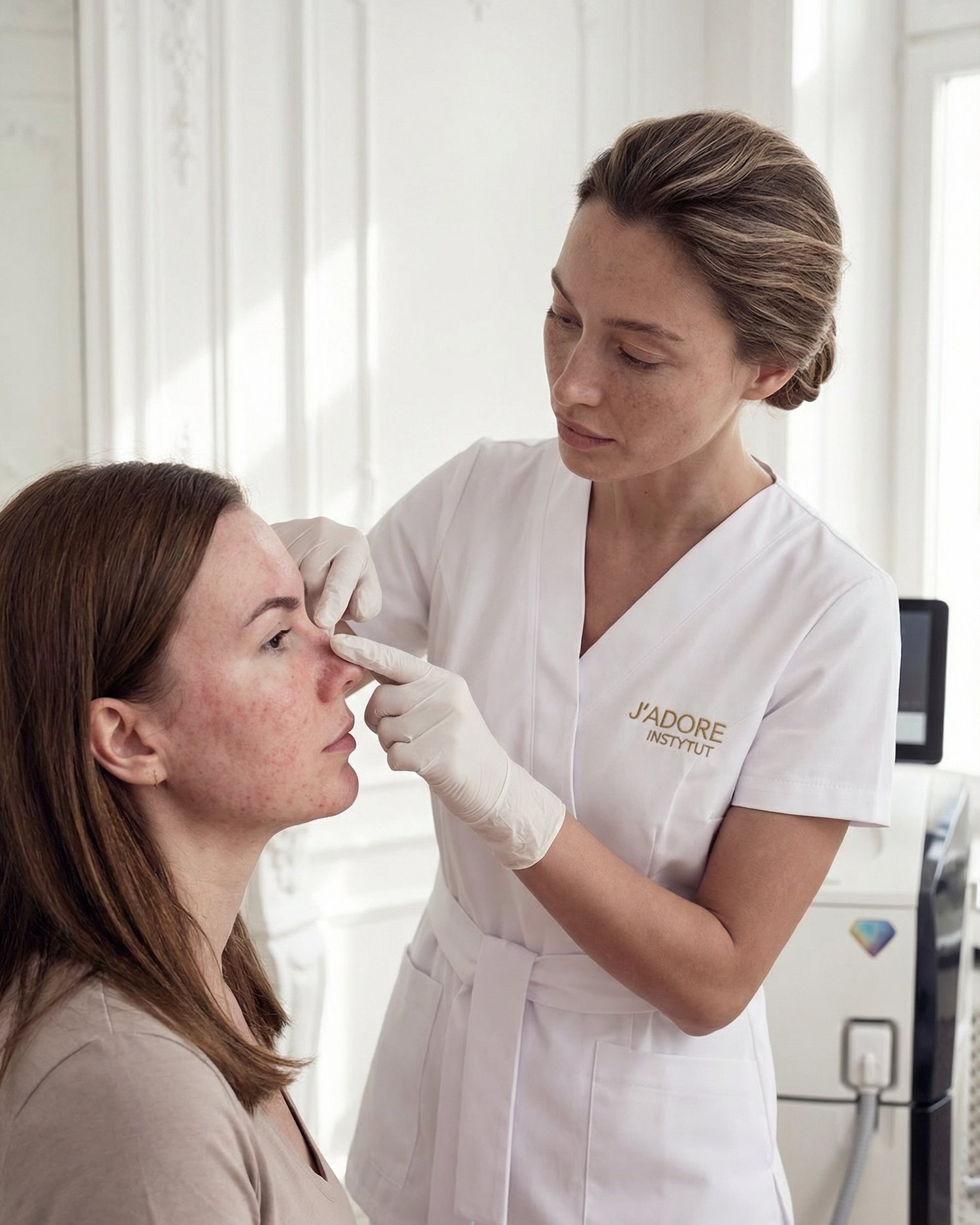
We assess your skin type, the severity of broken capillaries, and the degree of reactivity. We check whether we're dealing with rosacea, vascular skin, or reactivity caused by a weakened barrier. Based on this, we choose the right method — or refer you to a dermatologist if the condition requires pharmacological treatment.
05
Home care for skin that reacts to alcohol
SPF 50+ every day — UV radiation increases vascular reactivity. This is essential for vascular skin.
Vitamin C in the morning — an antioxidant that neutralises free radicals, evens out skin tone and strengthens blood vessels.
Avoid hot drinks — coffee, tea, soups — like alcohol, they can dilate blood vessels.
Cool showers instead of hot baths — hot water is a trigger for broken capillaries.