

What is skin fasting — definition and origins
Skin fasting is a deliberate, temporary break from most or all skincare products to "reset" the skin. The term gained popularity through the Japanese brand Mirai Clinical, which proposed it as a response to overconsumption in skincare — too many products, layers and active ingredients.
The philosophy is simple: skin is a self-sufficient organ. It produces its own sebum and NMF (Natural Moisturizing Factor) and maintains its own lipid barrier. Apply 8–12 products a day, and you "deafen" these natural mechanisms. A break is meant to let skin remember how to function on its own.
The trend fits neatly into several cultural currents at once:
- Overconsumption backlash — a reaction against 12-step Korean routines and the "more is better" mindset.
- Minimalism — fewer products, fewer steps, less effort.
- Clean beauty and naturalism — "your skin knows what it needs".
- Detox and fasting culture more broadly — intermittent fasting, juice detoxes, digital detox. Skin fasting is another version of the same impulse.
On TikTok, the hashtag #skinfasting has hundreds of millions of views. Creators show transformations: "a week with nothing on my face and my skin has never looked better." The comments are enthusiastic. But once you put the phone down and check the dermatological literature, the picture becomes less clear-cut.
What does the science say — the lipid barrier doesn't need a "rest"
Let's start with a fundamental point: skin is not a muscle that needs a recovery day after a workout. There's no mechanism for "over-tiring" it with moisture.
The epidermal lipid barrier — made up of ceramides, cholesterol and free fatty acids — has one job: protect what's underneath and retain water. It does this 24 hours a day, seven days a week. A moisturiser helps this process. It doesn't interfere with it.
Dr Joshua Zeichner, a dermatologist at Mount Sinai Hospital in New York, put it plainly in an interview for Allure: "There's no scientific evidence that skin needs a break from moisturising. If the barrier is damaged, withholding moisture makes it worse, not better."
Dr Shereene Idriss, dermatologist and creator of an educational YouTube channel, adds: "Skin fasting addresses a real problem — product overload — but with the wrong solution. The answer to too many products isn't zero products. It's the right amount."
What does the research say?
A review published in the Journal of Clinical and Aesthetic Dermatology (2021) confirms that regular moisturiser use improves epidermal barrier function, reduces TEWL (Transepidermal Water Loss) and prevents inflammation. Sudden withdrawal of moisturisers — particularly in low-humidity conditions — leads to increased TEWL and worsening barrier parameters within 48–72 hours.
In other words: your skin doesn't need a break from moisturiser. But it may need a break from specific active ingredients.
When skin fasting makes sense — product junkie syndrome
There is, however, one situation where the idea behind skin fasting has real merit. And it applies to a significant proportion of people interested in skincare.
If your routine looks roughly like this:
Morning: micellar water → glycolic acid toner → vitamin C serum → niacinamide serum → retinol cream (yes, in the morning) → oil → SPF cream → primer.
Evening: cleansing oil → acid-based cleansing gel → exfoliating toner → retinol serum → AHA cream → overnight mask → oil.
...then you have a problem. And that problem isn't called "not enough skin fasting." It's called overconsumption and epidermal barrier damage.
The symptoms? Constant irritation. Stinging after applying a cream that used to be well tolerated. Redness, paradoxical dryness (skin is dry despite layers of moisturiser), small breakouts, uneven texture, and heightened sensitivity to temperature and wind.
In this situation, cutting back your routine is absolutely warranted. But that's not skin fasting — it's repairing a damaged barrier. And there are proven protocols for that.
When skin fasting is harmful
There are groups of people for whom stopping skincare entirely can be not just ineffective, but genuinely harmful:
Atopic dermatitis — atopic skin has a genetically impaired lipid barrier (filaggrin deficiency). Regular moisturising with emollients isn't cosmetic — it's part of treatment. Stopping moisturising in someone with atopic dermatitis can trigger a flare-up within days.
Rosacea — skin with persistent redness, visible broken capillaries and a tendency to flare up. A break in skincare means no protection against irritants such as wind, temperature and UV. The result: worsening inflammation, intensified redness, and disease progression.
Acne — stopping products containing salicylic acid, niacinamide or azelaic acid — ingredients that regulate sebum production and inflammation — leads to breakouts returning. Acne-prone skin doesn't "rest" without treatment. It gets worse.
Mature skin (45+) — as skin ages, natural production of hyaluronic acid, sebum and ceramides declines. Skin past fifty needs external support — hydration, nourishment, protection. A break from moisturiser isn't a reset. It accelerates the ageing process.
Anyone who goes outdoors — and here we reach the most dangerous aspect of skin fasting: giving up SPF. Sun protection isn't just a step in a skincare routine — it protects your health. UV causes photoageing and hyperpigmentation, and increases the risk of skin cancer. Dropping SPF as part of a "reset" is like removing your seatbelt as part of a "driving reset".
The compromise — skincare minimalism, not zero skincare
If the skin fasting trend has taught us anything, it's that many people apply far too much to their faces. That's a valuable lesson. But the answer isn't an extreme fast from all skincare. The answer is skincare minimalism — deliberately trimming your routine down to what actually works.
Your absolute minimum — 3 products
Regardless of skin type, age or season, your routine shouldn't drop below three steps:
1. Cleansing — a gentle gel or foam, free of SLS, free of acids, with no "squeaky clean" feeling. The goal is to remove sebum, dirt and SPF. This is washing, not exfoliation, not treatment.
2. Moisturising — a cream with ceramides, hyaluronic acid or glycerine. It supports the lipid barrier and prevents water loss. This isn't optional — it's essential. Even oily skin needs moisture (look for light, gel-based textures).
3. SPF 50 — every morning, every day, 365 days a year. Rain, clouds, working from home — UV reaches you through windows, reflects off surfaces, and penetrates cloud cover. There's no holiday from SPF.
These three steps protect the barrier, prevent photoageing and maintain healthy skin. Everything beyond that — vitamin C serum, retinol, acids, niacinamide — is an addition. Valuable, but not fundamental.
If you want a "reset" — how to do it wisely
Instead of skin fasting, try a week of simplification:
Weeks 1–2: put away all active ingredients (retinol, acids, vitamin C). Keep ONLY cleansing + moisturising + SPF.
Observe: does your skin calm down? Do irritation, stinging and redness disappear? That's a sign one or more of your active ingredients was the problem — either on its own or in combination with others.
Weeks 3–4: reintroduce active ingredients — ONE per week. Start with vitamin C (morning). Then niacinamide (evening). Then retinol (twice a week, in the evening). Watch how your skin reacts after each addition.
This isn't skin fasting. It's elimination and reintroduction — a method borrowed from allergology and dietetics, adapted for skincare. It lets you identify what actually works for your skin, and what irritates it.
A salon treatment as a real "reset"
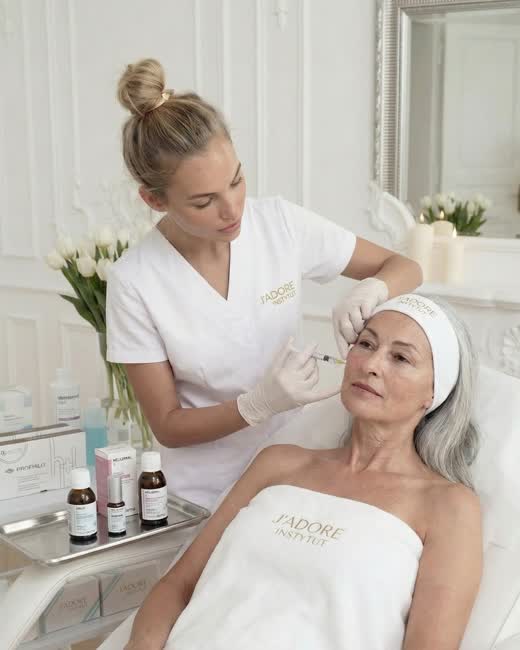
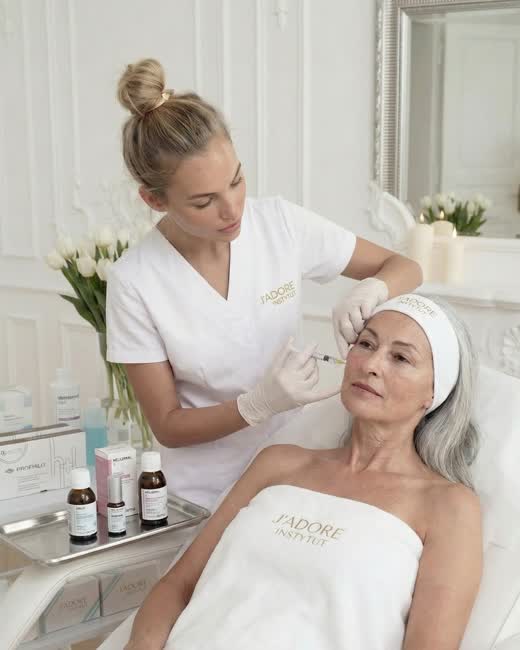
If you feel your skin needs a reset — intensive, deep, noticeable — the answer isn't "nothing on your face." The answer is a salon treatment.
Professional cleansing — manual extraction and a soothing mask. Skin after this treatment is clean in a way your home routine simply can't achieve.
HydraFacial — exfoliation, extraction and hydration in one. It resets skin at the epidermal level, with no irritation, zero downtime and immediate results.
Facial massage with professional masks — drainage, improved microcirculation, deep hydration. This resets not just the skin, but facial muscle tension too.
This is a genuine alternative to skin fasting: instead of taking skincare away, add a professional treatment every 4–6 weeks that does what home products can't.
Summary — fewer products, more strategy
Skin fasting as a trend exposed a real problem: an excess of products, layers, steps and active ingredients that, ironically, makes skin condition worse. That's a fair observation.
But the solution isn't giving everything up. It's choosing a smart minimum that genuinely works. Three products. A professional treatment once a month. And nothing more — unless your skin specifically needs it.
Skin doesn't need fasting. It needs a diet — considered, balanced and consistent.
If you're not sure where to start — a consultation with a cosmetologist at J'ADORE INSTYTUT gives you an hour devoted entirely to your skin. We assess its condition, identify problems (including those caused by product overload), and build a routine that makes sense. Sometimes the outcome of a consultation is cutting six steps from your routine. That's the best recommendation we can give.


