

 A treatment room at J'adore
FACIAL COSMETOLOGY
Stinging after a cream "everyone raves about". Sudden redness after a glass of wine, hot tea, or coming in from the cold to a warm room.
Thin, "see-through" skin with visible capillaries on the cheeks and around the nose. Sensitive, reactive and vascular skin isn't a matter of "poor skincare" — it's a weakened hydrolipid barrier and overreactive blood vessels responding to triggers others don't even notice. The worst thing you can do to it is treat it with something "strong" — an aggressive peel or steam treatment can set skin back for weeks. That's why the sensitive-skin programme at J'adore Instytut is a multi-week plan built in stages: first we calm and strengthen the barrier (EstGen with growth factors, red LED, gentle hydrating lines), and only once skin is calmer do we work on redness and visible capillaries. The treatment is led by an experienced cosmetologist. Below you'll find everything worth knowing before your first visit.
a programme spanning several weeks: series usually 4–6 sessions, every 1–2 weeks
How it works
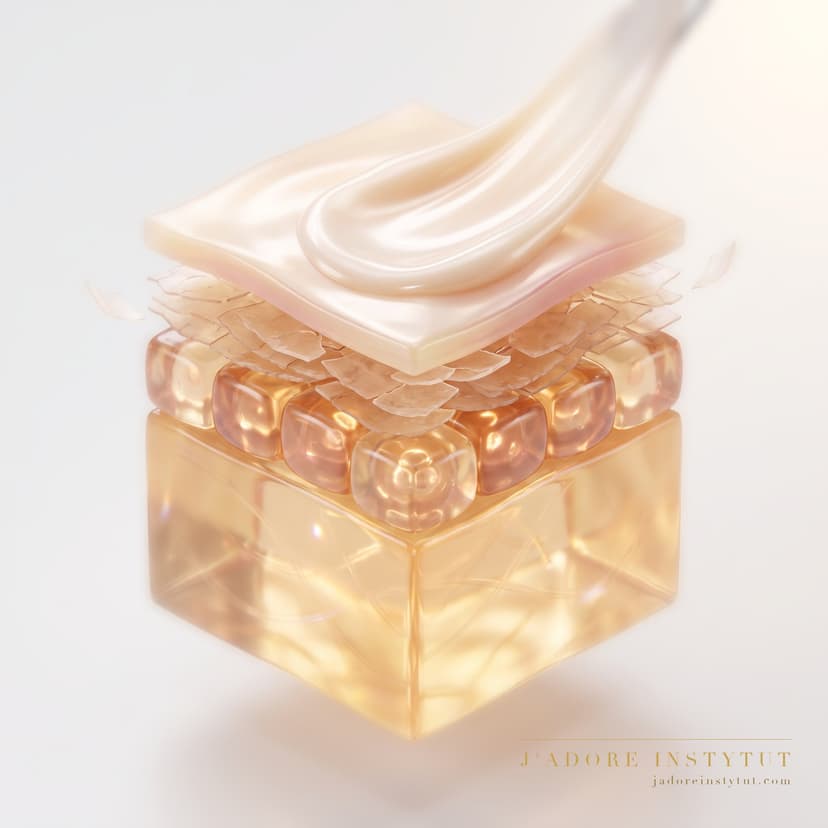
"Sensitive skin" isn't a dermatological diagnosis — it's a subjective feeling of discomfort: stinging, tingling, tightness, redness — in response to triggers that cause no reaction in others. The underlying cause is usually a weakened hydrolipid barrier: the epidermis "leaks", loses water and lets irritants penetrate deeper. On top of this, small blood vessels become overreactive (hence redness and visible capillaries), and the skin's microbiome falls out of balance.
That's why a sensible programme doesn't attack the skin — it rebuilds it, and in a specific order. First we strengthen the barrier and calm inflammation (EstGen growth factors, soothing lines such as Skeyndor Hydrasensitiv, red LED), because weak, irritated skin shouldn't be hit with an intense treatment. Only once the barrier has calmed can we safely address redness and capillaries. This is a cosmetology programme — no high-strength acids, no micro-trauma, no heat that dilates blood vessels.
Ideal for
Women's and men's needs
In women, sensitivity and reactivity are the most common "problem skin type" — thin skin, a tendency to flush, and intolerance to one cosmetic after another, often intensifying after age 30 and around menopause. Sometimes rosacea is behind it. This is the classic sensitive skin programme for women.
What we work with
In men, skin is thicker, but we add a daily irritant — shaving, meaning micro-trauma every 1–3 days — plus a habit of skipping SPF. Result: chronic redness on the cheeks and nose, capillaries, flushing after exercise and alcohol, and sometimes rosacea (in men more often with overgrowth on the nose). This is a typical sensitive skin programme for men.
What we work with
Interesting fact: the main preparation we use for sensitive skin in our salons is colostrum — the first food mammals produce, rich in growth factors and immunoglobulins. The same biology that protects and "teaches" a newborn's immune system calms inflammation and rebuilds the barrier on skin — without acids and without irritation.
Safety
With sensitive skin, results and safety depend on three things worth asking about at any salon — because here, a poorly chosen treatment doesn't just "not work". It can genuinely set skin back for weeks:
A good programme starts with identifying what's actually going on — sensitive, reactive, vascular skin, or rosacea. At J'adore this is done by an experienced cosmetologist, who knows when symptoms go beyond what a salon can treat and a dermatologist should step in. "One treatment for everything" is a warning sign.
The barrier first, capillaries later. Starting with intense stimulation on irritated skin is the most common mistake — and the fastest way to a flare-up. That's why we build the series in stages, never "everything on the first visit".
We use gentle, professional lines for sensitive skin (including EstGen with growth factors, Skeyndor Hydrasensitiv) and a medical LED lamp, adjusting intensity to how your skin reacts — no high-strength acids, no steam, no heat.
Warning sign: "intense, express capillary treatment" at a suspiciously low price · With sensitive skin, a bargain price and a promise of "intense" instant results are common warning signs. Watch out for aggressive peels and steam treatments applied to reactive skin, "miracle" preparations with no name or ingredient list, and vascular treatments performed on active redness or during a rosacea flare-up — this risks burns and increased inflammation. You have every right to ask who's running the programme, what the series plan is, and which preparations are used. A good salon will answer without hesitation — and sometimes recommend seeing a dermatologist first instead.
Contraindications
Some contraindications are permanent, and some are temporary — in which case we simply postpone the treatment until the situation resolves. This is a non-invasive treatment (no needles — except for the separately discussed biorevitalisation performed by a doctor), so the state of your skin and barrier is what matters most.
From the cosmetologist's chair
The thing most often forgotten: herpes and a "bad skin day". Clients arrive during an active flare-up asking to "calm this down today with a strong treatment". I explain that on hot, inflamed skin we only use the gentlest methods — and postpone the more intense stages. That's not a wasted visit — it's protecting your barrier.
This isn't a complete list — we'll go through your medication, skin conditions, allergies and previous treatments individually at your consultation.

The visit

Diagnostic consultation
a cosmetologist assesses the type of sensitivity (reactivity, capillaries, suspected rosacea), the state of your barrier and your triggers, rules out contraindications, and sets out a series plan alongside home care.
Stage 1 — strengthening the barrier (first weeks)
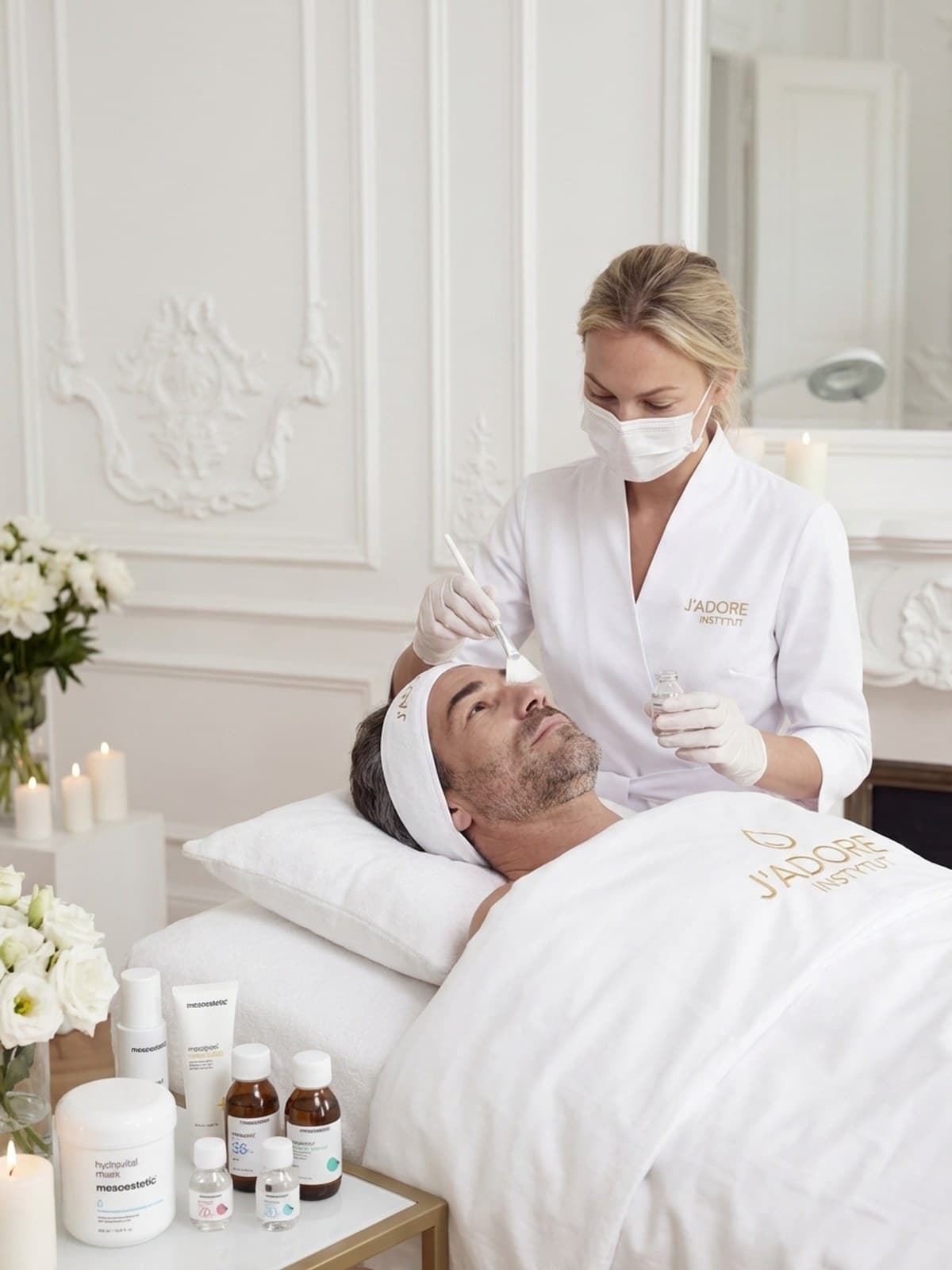
every 1–2 weeks: EstGen (bioengineered colostrum with growth factors) to strengthen the barrier and calm inflammation, soothing treatments from a sensitive-skin line (such as Skeyndor Hydrasensitiv), and red LED with an anti-inflammatory effect. This is the absolute foundation — we don't move forward without it.
Stage 2 — deep hydration and resilience (following weeks)
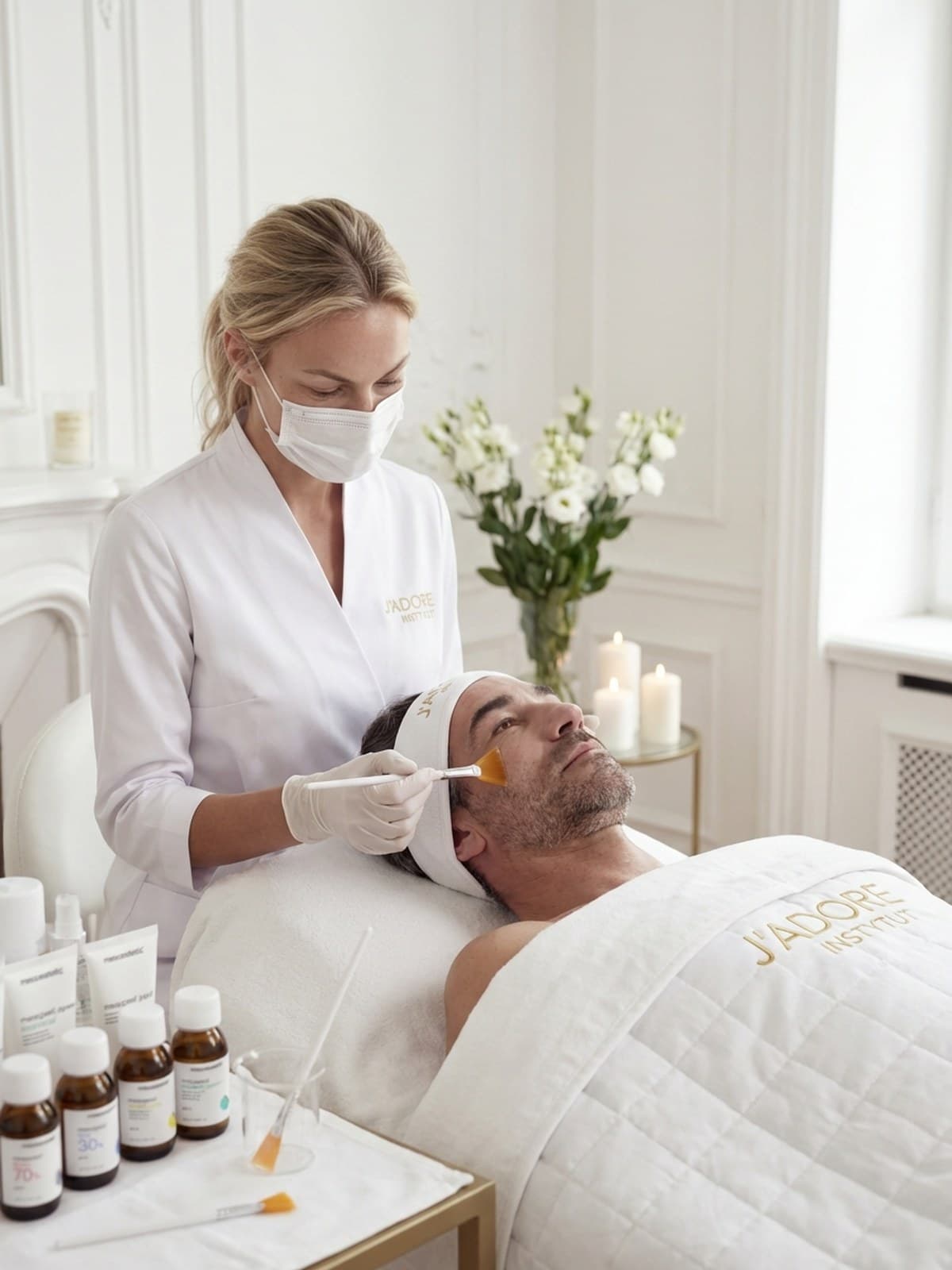
once skin is calmer, we add intensive hydration and repair: gentle hydrating treatments, and for some people (in coordination with a doctor) Profhilo-type bioremodelling, which improves skin quality and its resilience to triggers.
Stage 3 — working on redness and capillaries
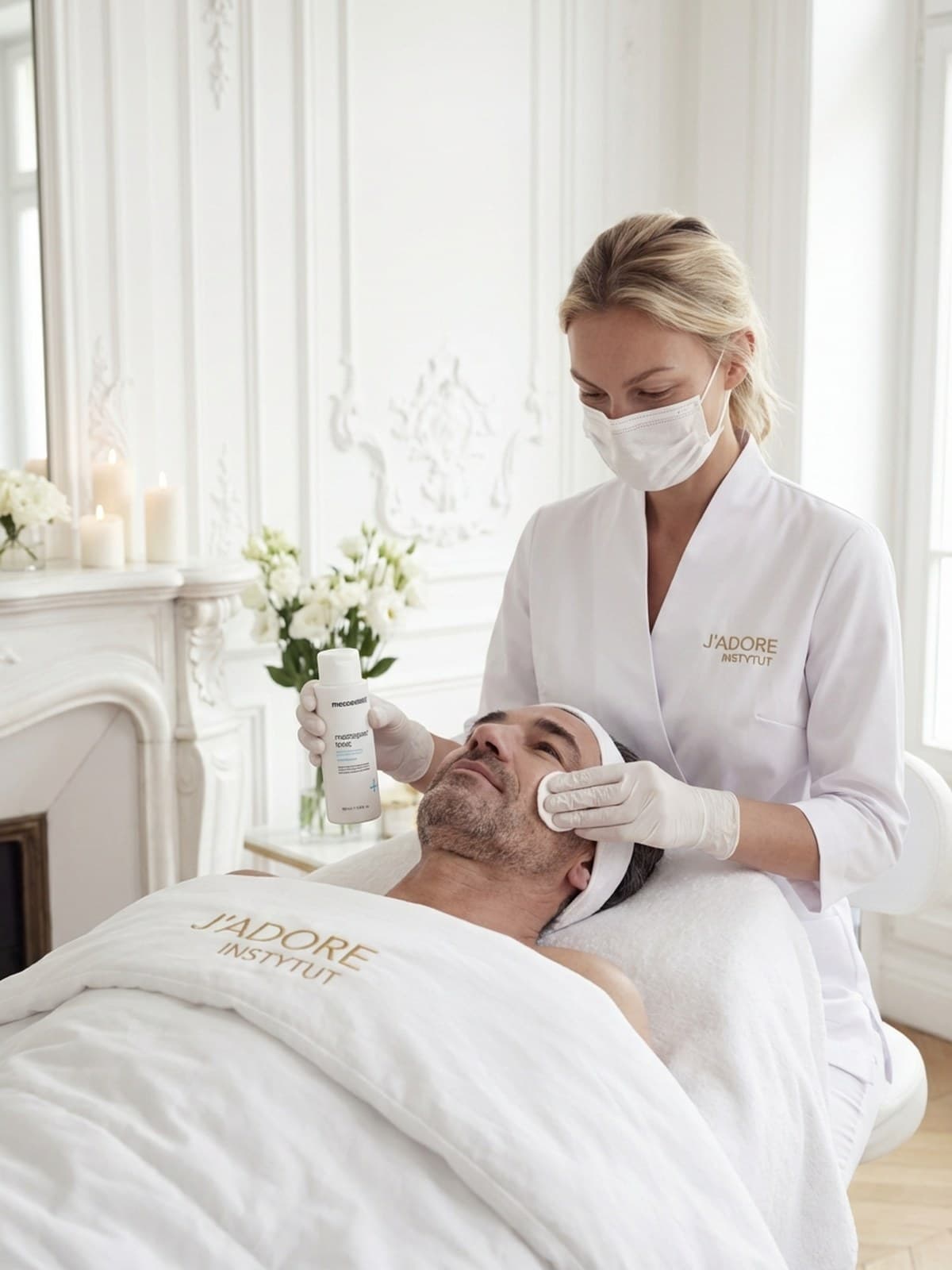
only once skin has calmed do we address visible capillaries and persistent redness with the vascular method (selective light closing capillaries). Never during an active flare-up.
Home care between visits
this is half the work: gentle cleansing without SLS, a cream with ceramides and soothing ingredients, and mineral SPF 50+ every day without exception. Without this, in-salon results won't hold.
Assessing results and a maintenance plan
after the series, we agree a maintenance protocol (periodic EstGen or LED), because sensitivity and a tendency to capillaries is a skin trait that's managed, not "cured once and for all".
What to expect
Most importantly: your skin won't stop being sensitive after one visit. Reactivity calms gradually as the barrier rebuilds — you'll usually notice less stinging and fewer episodes of redness after 2–3 sessions (a few weeks), with a clearer change after the full series. This is good news: we work safely, without a "wow effect" bought at the cost of irritation.
The most common question at the start: "will I see a difference straight away?" I explain that with sensitive skin, "instant and intense" usually means things getting worse. We aim for something less dramatic, but longer-lasting: skin that stops reacting to every little thing. It's a process that takes weeks, not one visit.
Portfolio
A record of the work in our salons — the place where we publish treatment frames and, after photo sessions, results.
A record of results — in preparation. We publish photographs of our clients only with their consent.
After the series, skin usually doesn't go back to where it started — as long as you keep up gentle home care and avoid triggers. Sensitivity and capillaries are a skin trait: we work on keeping them calm and controlled, not switching the problem off once and for all.
The sensitive-skin programme and your lifestyle
With sensitive skin, the most important factor is what you do between visits and what you avoid day to day. The common thread: anything that dilates blood vessels and weakens the barrier makes redness worse.
After a gentle soothing treatment, make-up is usually not a problem. Choose fragrance-free and alcohol-free products, ideally intended for sensitive skin. After the vascular stage, give your skin a day to breathe.
This one's key: UV is one of the main triggers for redness and capillaries returning. Mineral SPF 50+ (zinc oxide) every morning, all year round; intense sun exposure and sunbeds are off the table, especially during the programme.
High temperatures, saunas, steam treatments and hot facial baths dilate blood vessels and worsen redness. For vascular skin and rosacea, this is a constant trigger — we limit it not just after treatment.
Chlorinated water irritates freshly "worked" skin. After a soothing or vascular treatment, wait a day or two, and always thoroughly rehydrate your barrier after swimming.
Mechanical scrubs and strong AHA/BHA acids are, for sensitive skin, the fastest way to damage the barrier and worsen redness. During the programme, don't add your own exfoliation — we plan everything with your cosmetologist.
Retinol can be too irritating at the start of the programme. We introduce it (if at all) later, at a low concentration and gradually — only once the barrier is stronger.
Programme for sensitive skin / vascular skin
With sensitive skin, clients often confuse two things: redness (red, "hot" skin) and capillaries (specific, visible blood vessels). These are two different problems and two different tools — which work best in the right order:
calms reactivity and inflammation
won't close an existing, dilated capillary — that's the vascular stage's job
improves skin quality and resilience
doesn't "treat" rosacea inflammation and doesn't remove capillaries — it supports the barrier
closes visible capillaries and redness
won't strengthen the barrier — and we don't perform it during an active flare-up or on unprepared skin
Combine with
The sensitive-skin programme is, by nature, a set of methods carried out over time. A cosmetologist decides on the order and intervals at the consultation, but the programme's logic stays constant — barrier first, capillaries later:
The most common request I hear: "just get rid of my capillaries on the first visit". I explain a simple rule: we calm and strengthen the skin first, then close the capillaries. Working with laser or light on irritated, red skin can make things worse. This order isn't "just a rule" — it's a matter of safety.
Preparations and methods
Under the heading "sensitive skin programme" sit several gentle tools with different jobs — growth-factor preparations, soothing cosmeceutical lines, LED light. You don't pick these "off the shelf" — a cosmetologist selects them based on your type of sensitivity, the stage of the programme and how your skin reacts.
Bovine colostrum with growth factors (EGF, IGF, TGF-β), immunoglobulins and lactoferrin. Strengthens the hydrolipid barrier, has an anti-inflammatory effect and helps regulate the microbiome — without acids or alcohol. Safe even during active redness.
Dla kogoThe foundation of the calming stage: reactive skin, rosacea as supportive care, and recovery after sun/laser exposure.
Cosmeceutical line for sensitive and hyperreactive skin — soothing, calming the sensation of burning and redness, restoring barrier comfort. A professional in-clinic treatment without aggressive exfoliation.
Dla kogoReactive and vascular skin with discomfort (stinging, tightness) — soothing and hydration.
Red light (approx. 630–670 nm) has an anti-inflammatory effect and stimulates fibroblasts to produce collagen — no chemicals, no trauma, no risk of sensitisation. No downtime.
Dla kogoAny type of sensitive skin, and rosacea — reducing flare-ups, supporting recovery.
High-purity hyaluronic acid that rebuilds the skin matrix and provides intensive hydration. Strengthens the barrier and resilience to triggers. An injectable procedure — carried out in coordination with a doctor, on calmed skin.
Dla kogoThin, dry, vascular skin with a weak barrier — the strengthening stage.
Selective light absorbed by haemoglobin closes dilated capillaries and reduces persistent redness without damaging the epidermis. Requires a series and prepared, calm skin — we don't perform it during an active rosacea flare-up.
Dla kogoVisible telangiectasia and persistent redness, once the barrier has been strengthened.
Fact: Where do the differences between plans come from? From the stage of the programme and the type of sensitivity. We treat a woman with thin, reactive skin and cosmetic intolerances differently from a man with redness after shaving and capillaries on the nose, and differently again for skin with diagnosed rosacea. What matters is the right order and consistency — not a single "magic" preparation — and always building the barrier before addressing capillaries.
Price list
Checking free hours…
See also
The result lastsresult maintained with home care + follow-up sessionsJ’adore Instytut
Information. This text is for information purposes only and does not replace a consultation. The sensitive and vascular skin programme is a beauty treatment — a cosmetologist/specialist decides on the treatment, series length and contraindications during an individual consultation. Cosmetology supports, but does not replace, dermatological treatment; if you have diagnosed rosacea or atopic dermatitis, we recommend parallel dermatological care.
Home care
Cosmetics matched to what your skin needs after a treatment — so the clinic effect lasts longer.
 capillaries and rednessMedidermaRedness Control A&A Sensitive Cream 50mlView in the shop(opens in a new tab)
 sensitive skinCell Fusion CLow pH CleanserView in the shop(opens in a new tab)
 sun protectionDermaQuestSunArmor SPF50 30 mlView in the shop(opens in a new tab)
 capillaries and rednessPeel MissionAza Gel 30 gView in the shop(opens in a new tab)
 sensitive skinSesdermaSERENITY mask 50 mlView in the shop(opens in a new tab)
 sun protectionSkeyndorProtective cream SPF 50+ – Age Photo DefenseView in the shop(opens in a new tab)
 capillaries and rednessMedik8Calmwise™ SerumView in the shop(opens in a new tab)
 capillaries and rednessVagheggiEmozioni Plus Soothing Mist 100ml — Soothing concentrated mist/tonerView in the shop(opens in a new tab)


