
Myth 1: "PRP is agonisingly painful"
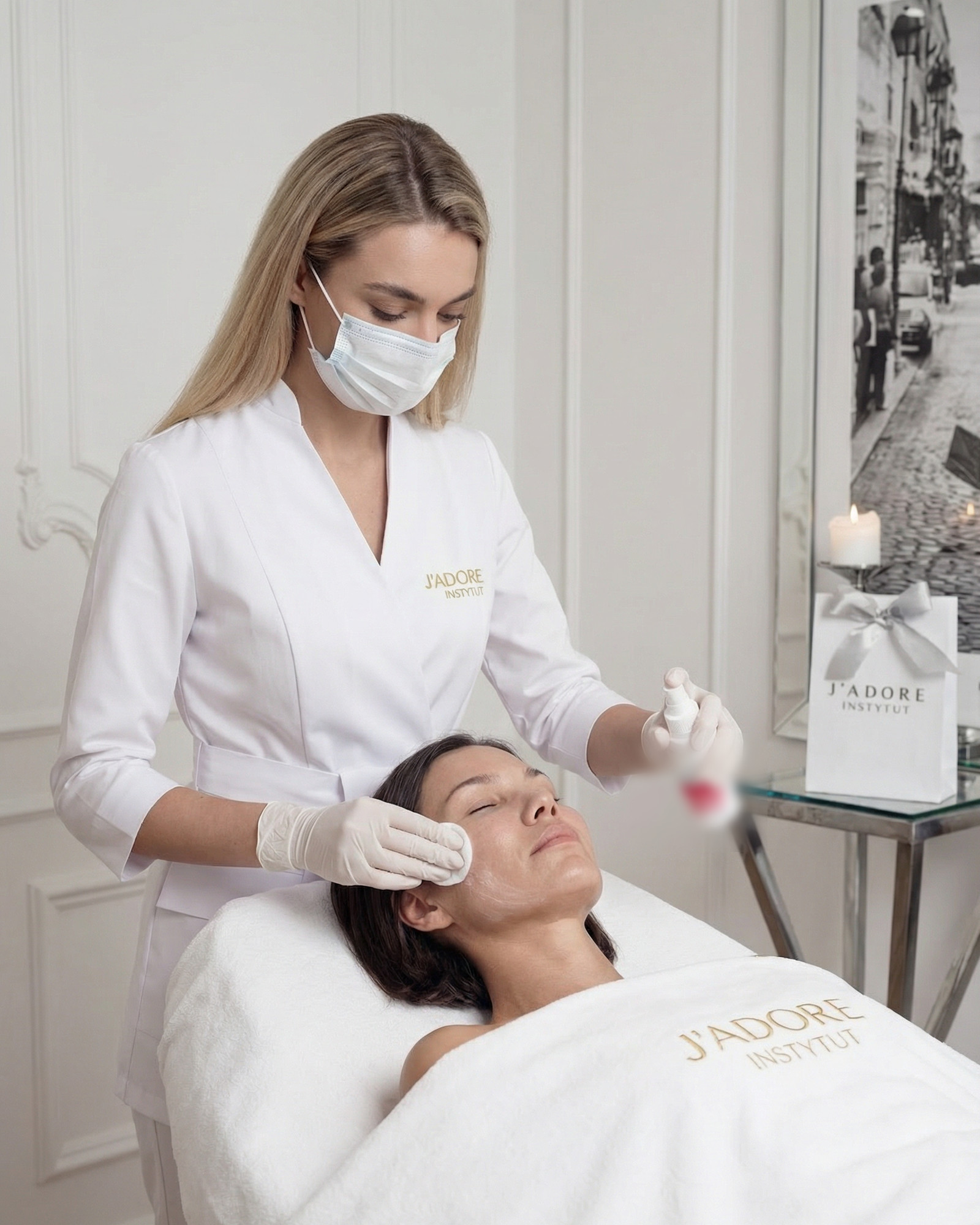
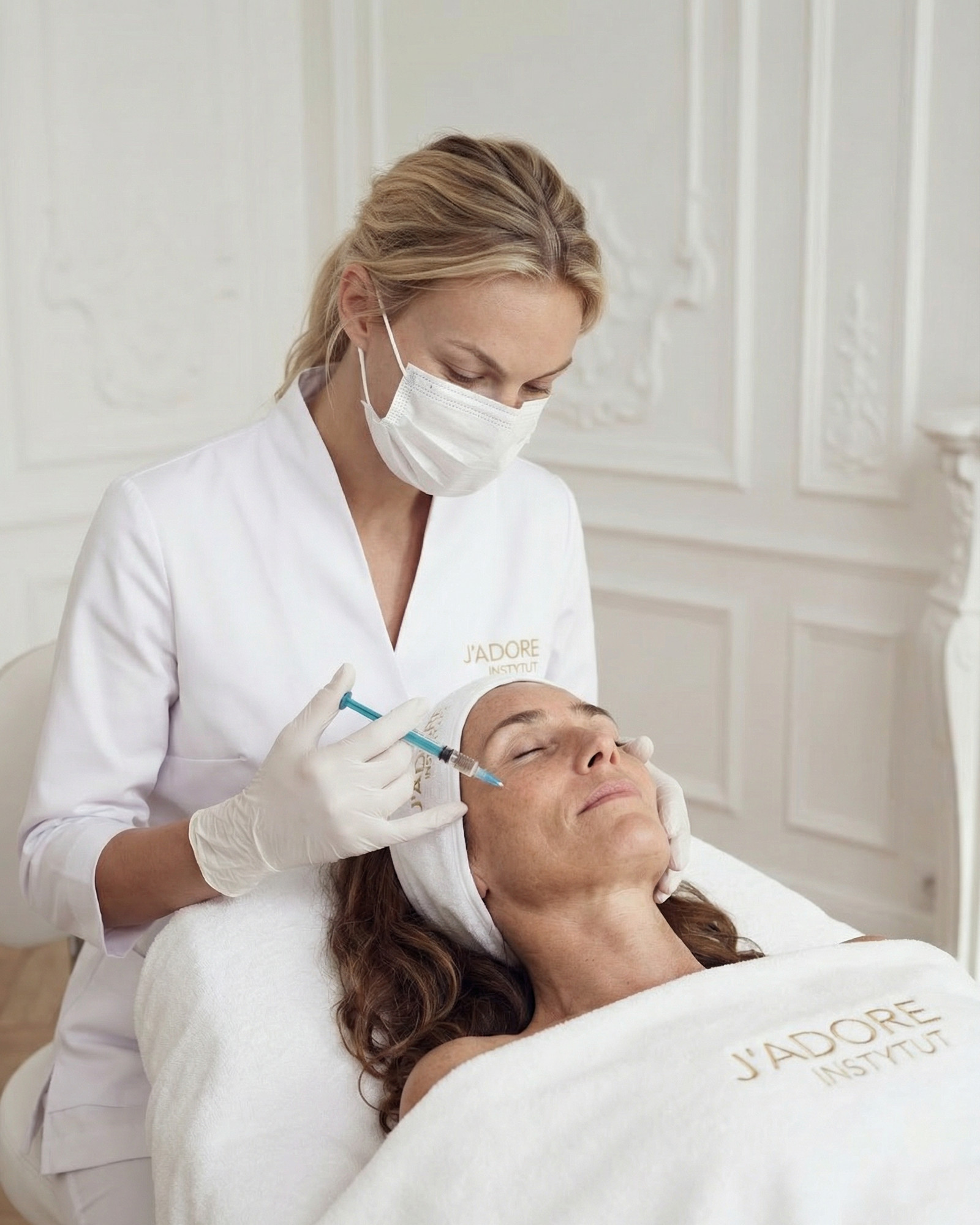
This is probably the most common reason people put the decision off for "someday". The word "injection" already conjures one image, and once you add "face" and "several points", imagination can run away with itself. The reality is far more mundane. An hour before the treatment, we apply a numbing cream (EMLA or an equivalent) to the skin — the same cream used for tattoos and other needle-based procedures. By the time the injections happen, the skin is already desensitised.
What do you actually feel? A light pressure, sometimes a mild stinging at deeper points — particularly in areas where the skin is thin or richly innervated, such as around the eyes, temples and upper lip. Most people describe this as discomfort, not pain. Some tenderness may appear for a day or two afterwards — similar to what you'd feel after an intramuscular injection. This is a normal inflammatory response, and we expect it: it's exactly what triggers the repair cascade.
Myth 2: "You see results straight away"
This myth cuts both ways — and both directions cause problems. Some people expect an instant transformation and feel disappointed when "nothing shows". Others hear that results take time and assume the treatment simply didn't work. The truth is that PRP doesn't work like a filler or a smoothing treatment — it doesn't add volume, and it doesn't erase a wrinkle mechanically. It sets biological processes in motion, and those processes have their own rhythm.
The first signs — better hydration, a smoother skin texture, slightly improved firmness — usually appear after four to six weeks. Peak results, once the new-generation collagen is fully established, typically arrive around three months after the treatment — and with a series of sessions, results build on each other. That's why PRP isn't judged after one session, and it isn't judged after a week. It's an investment in your skin's biology, not a one-off fix.
Myth 3: "One session is enough"
If a single session were enough, series wouldn't be standard practice at any serious clinic. The protocol for the face usually means three to four sessions, spaced four to six weeks apart — so each new dose of growth factors reaches skin that is already in an active state of rebuilding, rather than back at baseline. Results build on each other; they don't simply add up.
Once the series is complete, results last for many months. Some people return once a year for a maintenance session — some don't. It depends on the skin's age, its baseline condition and the pace of its natural ageing process. The number of sessions and the schedule are decided by the doctor during consultation — there's no single answer for everyone, because every skin is different. What is standard is understanding that one session is a starting point, not an endpoint.
Myth 4: "It's PRP — it's blood, so there's nothing to explain"
"If it's my own blood, nothing bad can happen" — the logic sounds reasonable, but it's imprecise. And that imprecision sometimes leads people to overlook the differences between laboratories, devices and protocols. Blood is the starting point, but the outcome depends on the quality of separation. Classic PRP and the newer PRFM (platelet-rich fibrin matrix) differ significantly — both in platelet concentration and in how long growth factors are released into the tissue.
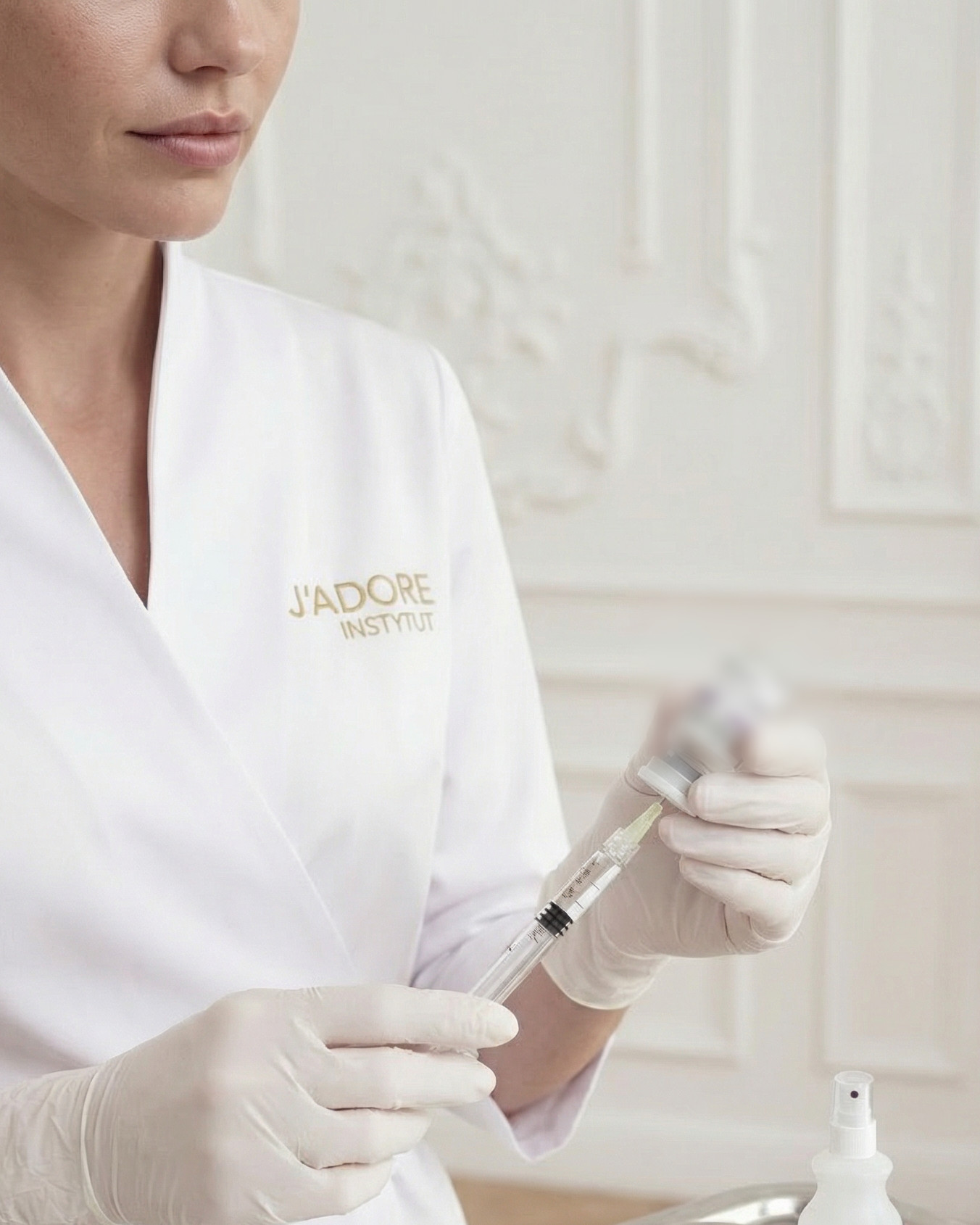
The centrifuge, its settings, the spin time and the system used — all of this directly affects the quality of the plasma that goes back under your skin. Cheaper doesn't mean equivalent. When a salon uses certified closed-system kits and calibrated equipment, you can be confident the plasma is clean and properly concentrated. Ask about the system if you're unsure — a good doctor will answer without hesitation.
Myth 5: "PRP suits everyone — it's your own blood, after all"
The logic is tempting: since these are your own cells, your body can't reject them. That's true — but immune reaction isn't the only safety criterion for this treatment. Growth factors stimulate cell division. In a healthy body, that's exactly the point. In certain conditions, the same stimulation can be undesirable, or even contraindicated.
That's why every PRP treatment starts with a medical consultation — not as a formality, but as a genuine review of your history. Your doctor will ask about medication, chronic conditions and supplements (high doses of omega-3 or vitamin E, for example, also affect platelets). Hiding anything "to get the treatment" is a direct route to complications. This is your own biology — treat it seriously.
What actually happens after the treatment — and what's normal
Redness, minor bruising, tenderness — this isn't a complication. It's the natural inflammatory response we expect. It tells us the platelets have started releasing growth factors and the regeneration cascade has begun. For most people, these symptoms settle within one to three days; on more sensitive skin, they may last up to a week.
When to call the salon? If redness intensifies after the third day instead of settling, if a fever develops, or if noticeable swelling hasn't reduced within 24 hours. This is rare, but it's a signal to get in touch. At J'adore, you're given a direct number after your treatment — you're never left with a question and no one to ask.