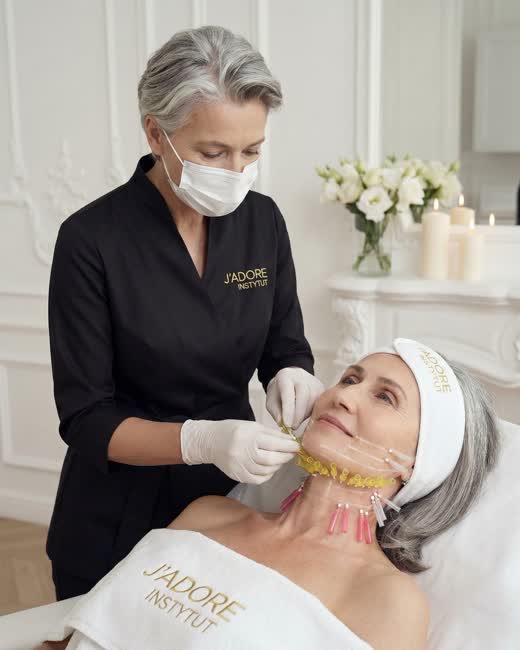
A surprising claim: what's marketed as "stem cells" often isn't
Let's start with something that sounds provocative but is simply true: in the vast majority of "stem cell treatments" offered in beauty salons, no living stem cells are actually applied. Not human, not plant — not in the form the word "cell" suggests. A living stem cell is a complex organism that needs specific conditions to survive. Applied to skin or injected without a controlled environment, it dies before it can do anything.
So what's actually in these preparations? Most often: stem cell extracts (conditioned media in which cells were grown), lyophilised cell fragments, or — and this is where it gets interesting — exosomes. Exosomes are not cells. They're their "letters" — molecules that cells send to one another as carriers of information. Understanding this distinction is the key to the whole story.
What exosomes are — the mechanism, step by step
Exosomes are membrane-bound nanospheres that every living cell produces and releases into the extracellular space. They range from a few dozen to a few hundred nanometres — invisible to the naked eye, many times smaller than the cell itself. Think of them as a kind of biological postal service: inside, they carry proteins, lipids, fragments of RNA and other signalling molecules, and their job is to deliver information to another cell, often centimetres away or more.
- Dispatch. A stem cell (or another active cell) packs a set of molecules into the exosome — as if sending an instruction manual. The "package" includes microRNA fragments that modify gene expression in the target cell, along with growth factors and regulatory proteins.
- Transport. The exosome travels through tissue fluid, blood, or — in the case of a skin treatment — through skin channels to nearby cells. The exosome's membrane is compatible with cell membranes, which makes "delivering" its contents easier.
- Reading. The target cell (for example, a fibroblast responsible for collagen production) receives the signal and changes its behaviour. It starts producing more collagen, divides more actively, or enters the ageing process more slowly. The exosome doesn't permanently alter the cell's DNA — it modulates which genes are currently active.
- Signal amplification. A single exosome can affect many cells at once. This is why the effect is often described as "paracrine signalling" — cells talk to their neighbourhood, not just to each other.
Stem cell
sender and architect
- A living, specialised cell with full DNA
- Can divide and differentiate into other cell types
- Is itself a "regeneration factory"
- In treatment: difficult to use, requires special conditions
Exosome
courier and message
- A membrane-bound nano-vesicle, NOT a living cell
- Carries biochemical instructions (RNA, proteins, lipids)
- Doesn't produce collagen itself — tells other cells to produce it
- Stable, can be processed and applied
Where the exosomes used in treatments actually come from
This is where marketing tends to go quiet, because the answer is more complex than "from stem cells". Exosomes used in treatment preparations can come from very different sources — and the source matters both for potential effectiveness and for safety.
- Human mesenchymal stem cells (MSCs) — the gold standard in research and the most frequently cited source in scientific literature. These cells are harvested from bone marrow, fat tissue or umbilical cord blood, cultured under laboratory conditions, and their secreted exosomes are collected. These preparations have high biological potential, but also the highest production costs and the most demanding regulatory requirements.
- Plant cells — popular in cosmetics marketed as containing "plant stem cells" (Swiss apple, argan, and so on). Plant exosomes are stable and safe, but their ability to influence human cells is scientifically questioned — plant and human signalling mechanisms are very different.
- Platelet-rich plasma (PRP) — derived from the patient's own blood, containing exosomes and growth factors among other things. Biologically autologous (from your own body), which eliminates the risk of rejection.
- Cultured cell lines — cells grown in bioreactors, secreting exosomes under controlled conditions. Scalability is high, but batch-to-batch standardisation remains an industry challenge.
Why does this matter? Because a generic phrase like "exosome treatment" tells you little — much like "treatment with water" tells you little about what that water actually contains. Asking about the source and standardisation of a preparation is entirely reasonable, and any reputable salon should be able to answer it.
What the science says, and what marketing leaves out
A fair summary of the current state of knowledge looks like this: exosomes are one of the hottest research areas in regenerative dermatology of the past decade. The number of scientific publications is growing rapidly. Results are promising in several directions: skin regeneration, wound healing, collagen stimulation, improved hydration, potential anti-inflammatory action. That's the genuine side of the story.
But there's another side, one advertising doesn't mention: the vast majority of dermatological exosome research is in vitro (on cells in a laboratory) or in animal models. Clinical studies on humans, conducted to rigorous standards, are still relatively few. It's precisely this gap — between "we know cells respond differently after exposure to exosomes" and "we know this specific treatment produces this specific result in this specific group of patients" — where marketing loves to live. There's a lot of room for promises in that gap.
What the science actually confirms
on solid ground
- Exosomes from MSCs influence fibroblast activity in laboratory conditions
- External exosomes can penetrate the skin after appropriate preparation (for example, microneedling)
- Exosome preparations may support wound healing — data from clinical studies
- Exosomal signalling is one of the key paracrine mechanisms in tissue regeneration
What science hasn't yet established
territory of marketing fantasy
- The optimal delivery route for specific aesthetic indications
- The effectiveness of individual commercial preparations (lack of standardisation)
- Long-term results of aesthetic treatments using exosomes
- A comparison of effectiveness between different exosome sources
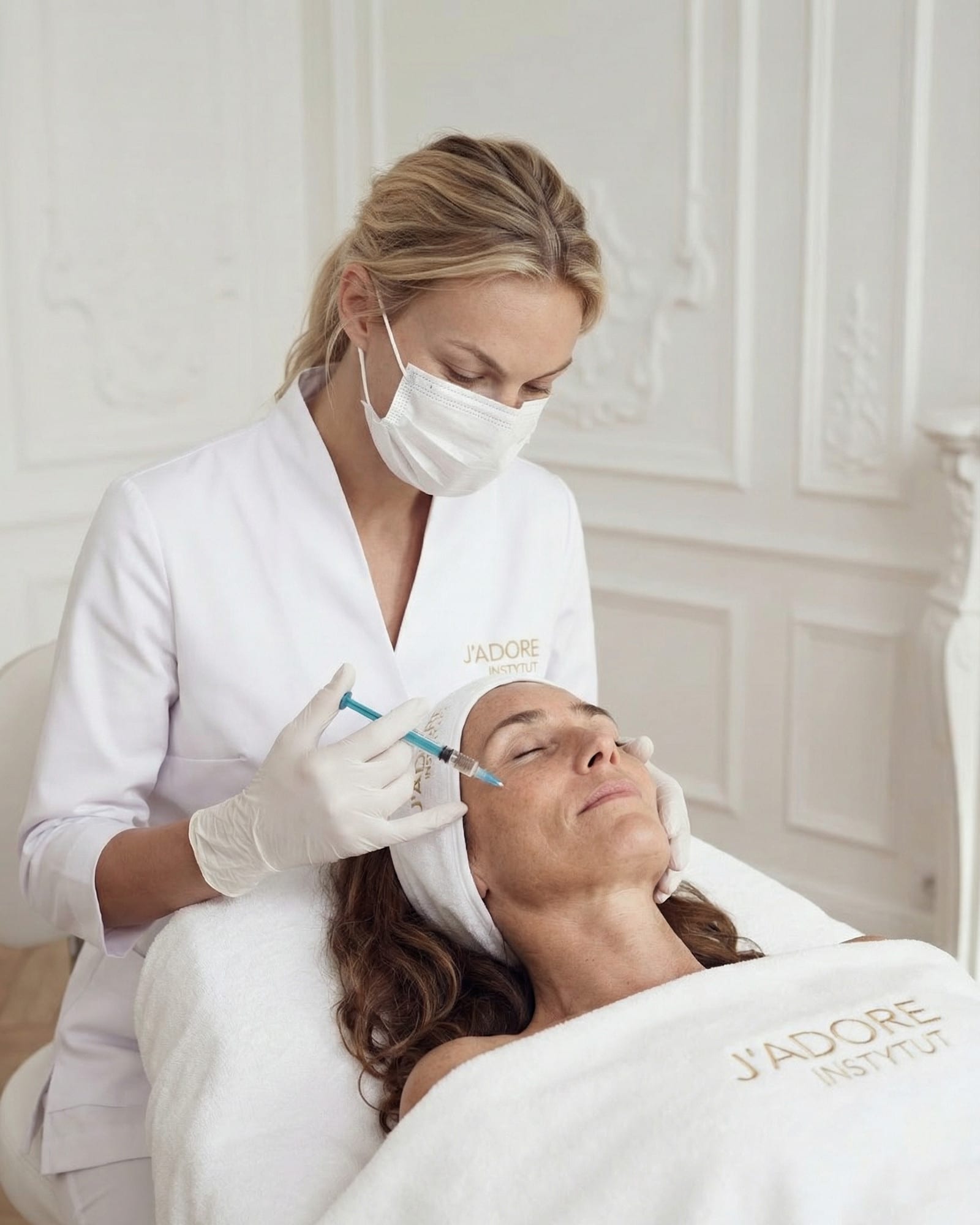
Exosomes in the salon — what it looks like in practice
Exosome treatments in an aesthetic medicine salon come in several possible forms — and the choice of application method matters, because exosomes are very small molecules that may not penetrate the epidermal barrier in sufficient concentration without assistance. This is why most protocols combine exosomes with a technique that helps them reach deeper layers.
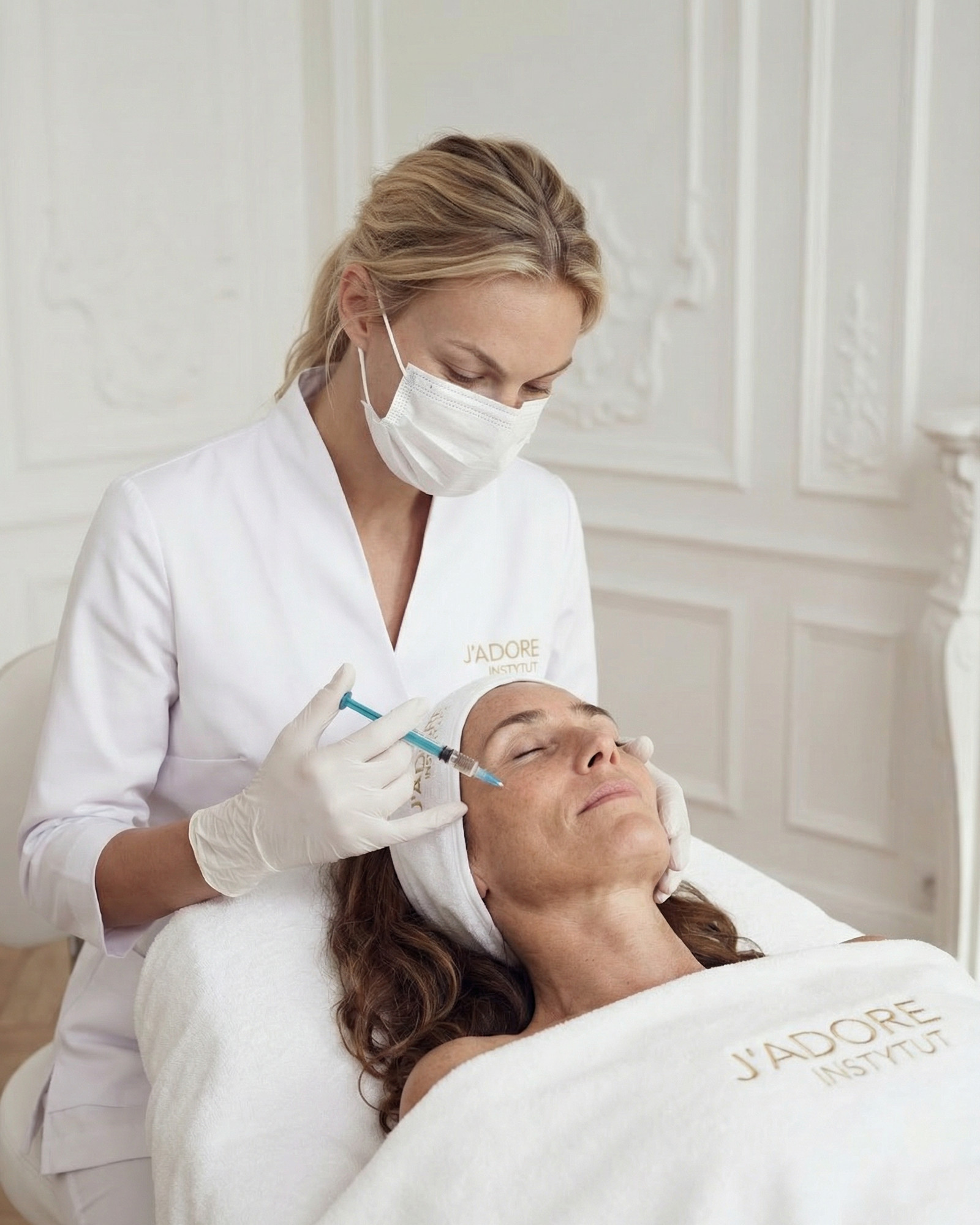
- Needle mesotherapy with exosomes — exosomal preparations delivered intradermally via micro-injections. They bypass the epidermal barrier entirely, reaching directly into the environment where fibroblasts and other regeneration-related cells work.
- After microneedling — the micro-punctures create micro-channels through which exosomes can penetrate deeper into the skin. This enhances both the effect of the exosomes and of the needling itself, which stimulates healing on its own.
- Combined protocols with other treatments — exosomes used as part of a broader course, for example alongside laser, peels or PRP. The logic: first "open up" the skin or stimulate the regeneration process, then let the exosomes act in a receptive environment.
Regardless of the treatment form, the key question is always what you're trying to achieve. Exosomes make sense as a regenerative tool that supports skin quality — but they're not the answer to every aesthetic concern. They don't "lift", they don't fill, and they won't replace a scalpel for more advanced indications. They're one element of a broader strategy, not a magic reset.
How to approach the topic wisely
The good news is that beneath the marketing noise lies genuinely interesting and promising biology. Exosomes aren't "this season's new trend" — they're a class of molecules that play a fundamental role in cell communication and regeneration, and science is slowly learning how to put that to good use. What's frustrating is that the beauty industry is cashing in on this curiosity before research can keep up with concrete answers.
Regenerative treatments — whatever form they take — make the most sense as part of a coherent plan tailored to specific skin needs. Exosomes are one tool within that plan, not a substitute for it. Whether, and in what form, they make sense for you is best discussed with a specialist who understands your context and can draw on more than an advertising brochure.