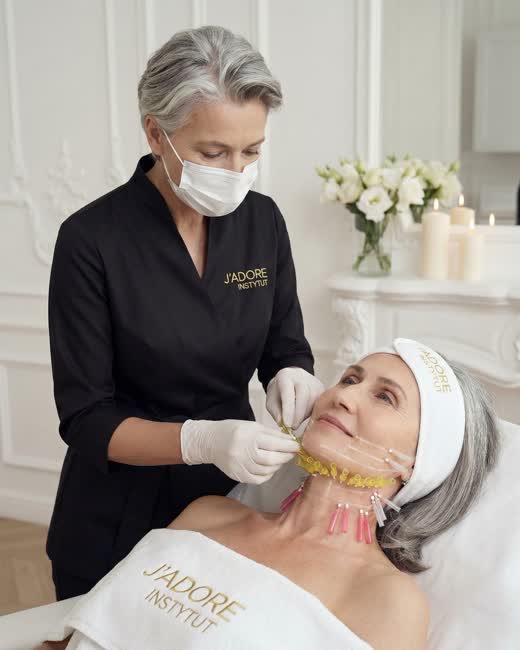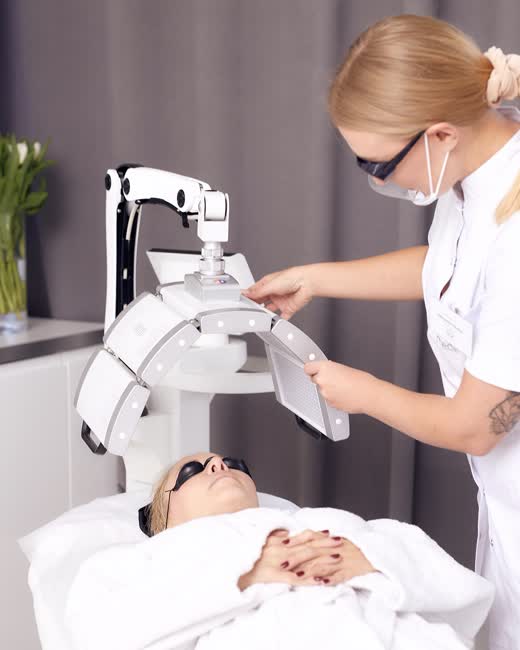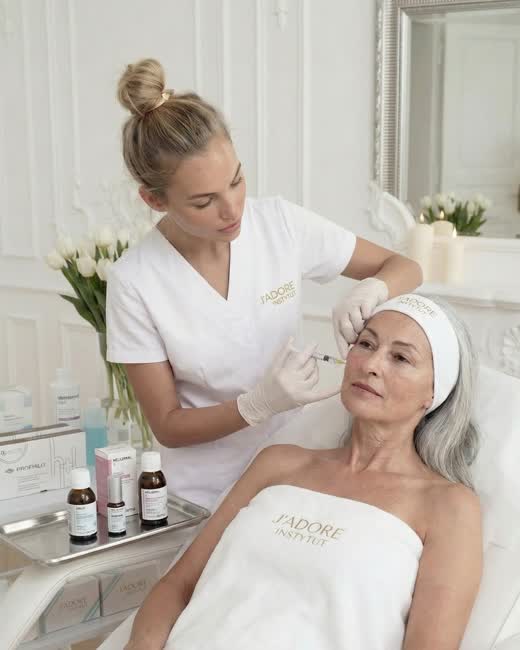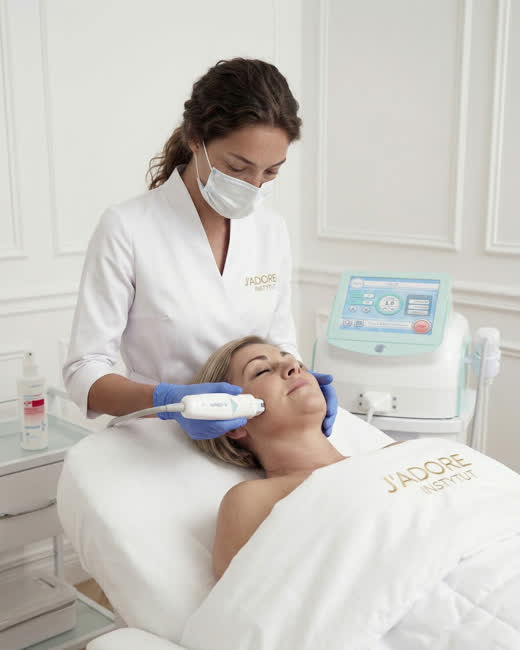
 A treatment room at J'adore
AESTHETIC MEDICINE
Skin that has lost its radiance and density, "difficult" skin that has stopped responding to classic treatments and mesotherapy, a face tired by the sun and oxidative stress, and in men — early hair thinning. These are the situations in which exosomes have the most to offer.
Exosomes do not fill and do not "stop time" — they transmit a signal for regeneration to the skin cells and mobilise them to rebuild collagen, elastin and hyaluronic acid. This is biostimulation that acts one step earlier than classic treatments: at the level of information, not of building material. At J'adore Instytut the treatment is performed by a doctor of aesthetic medicine or an experienced cosmetologist — depending on the preparation and method. Below you will find everything worth knowing before your first visit — including why they are not cheap and why the phrase "stem cells" can be misleading.
a series of several sessions every few weeks + maintenance
How it works
Exosomes are microscopic vesicles that cells use to communicate. They carry biological "instructions" — signalling molecules (mRNA, microRNA and proteins). These reach the skin cells and tell them how to work. In aesthetics, we use exosomes obtained from cell cultures to mobilise fibroblasts to rebuild collagen, elastin and hyaluronic acid.
Most importantly: exosomes do not add volume or fill. They send a regeneration signal to the skin. They also have anti-inflammatory and soothing effects. This is the latest generation of biostymulation. It works one step "earlier" than classic treatments: at the signal level, not the building block level. The result is natural and cumulative. It is an investment in skin condition built over sessions, not an "instant" treatment.
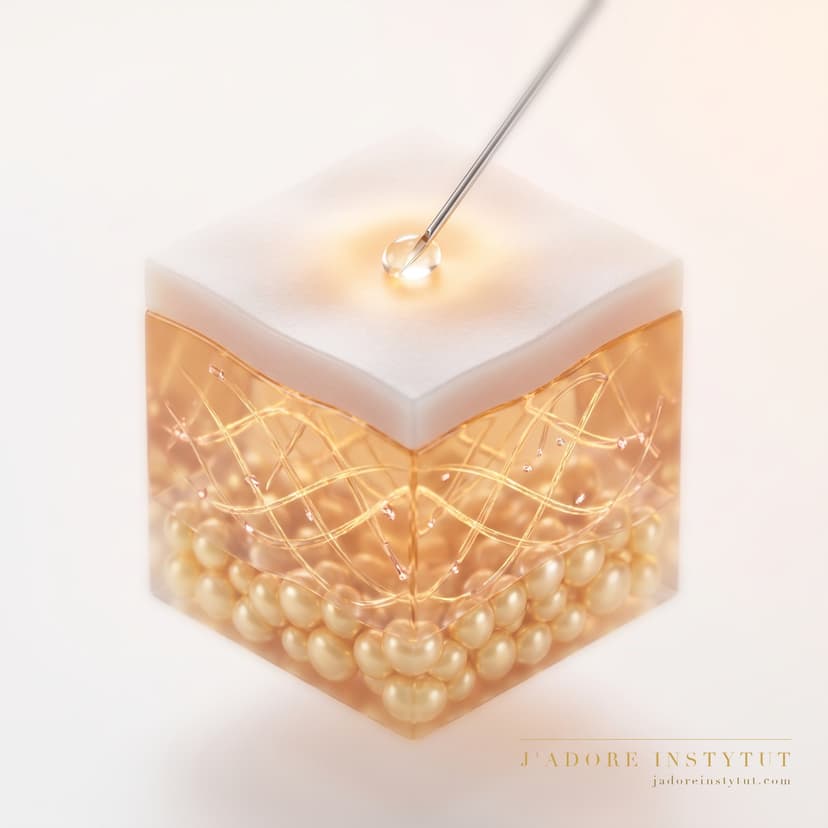
There is a lot of marketing around this topic, so it is worth being direct. Exosomes are isolated vesicles with signals. They do not divide on their own. They do not integrate into DNA and do not "colonise" the skin. They act like a message passed to cells. Once the task is done, the message is broken down. The slogan "stem cells in a treatment" is therefore imprecise. The preparation contains cell products, not the cells themselves. It is worth asking about this wherever you hear it.
Ideal for
The most common zones are the face, neck and décolletage, as well as the scalp. A specialist determines the final indication, product line and session plan after assessing the skin.
Women's zone and men's zone
Exosomes for women most often focus on facial skin quality. This includes rebuilding radiance, firmness and hydration. We regenerate "difficult" skin that has stopped responding to other treatments and provide support after laser procedures. Usually, a series of several sessions is planned, often as part of a larger protocol with laser or microneedling.
What we work with
Exosomes for men have an additional, strong indication: the scalp and early hair loss (male pattern baldness, AGA). Administered into the scalp, they support hair follicles. They are often part of a therapy for early thinning — alongside regeneration of facial skin stressed by sun, stress and shaving.
What we work with
Interesting fact: exosomes are the body's natural "communicator". Cells send them to each other constantly to exchange instructions. During the treatment, we simply provide the skin with a ready, isolated "signal package". We deliver it when it is needed most — in repair mode.
Safety
With exosomes, results and safety depend on three things you should ask about in any salon:
Exosomes are administered by an aesthetic medicine doctor or an experienced cosmetologist — depending on the preparation and method. Intradermal injection is usually the domain of a doctor. Application after microneedling or laser can be carried out by a cosmetologist as part of a protocol. Technique, hygiene and qualification based on an interview are what matter.
We work exclusively with certified lines from Polish distribution, with an invoice, with a clearly described origin, properly stored (often in lyophilised form, "reconstituted" just before the treatment). This is a technologically advanced category — the purity and source of the material matter here as much as the technique.
There is no single "exosome ampoule". A specialist selects the line (e.g. ASCE, Divas), the variant (face vs scalp) and the administration method individually. This is why a consultation is mandatory.
Red flag: suspiciously cheap "exosome treatment" · With this technology, a low price rarely goes hand in hand with quality and documented origin. You have the right to ask for the name of the line and its source (from cell cultures or plant-based?). Ask about the certificate and who is performing the treatment. A good salon will answer without hesitation. Exosomes are considered safe. Signals are broken down. There is no risk of "integration into DNA". However, like any treatment that breaks the skin barrier, they require a thorough interview.
Contraindications
Some contraindications are permanent (or require individual qualification). Others are temporary — in those cases, we simply postpone the treatment until the situation passes.
From the specialist's office
The most frequently forgotten issue: cold sores. Patients think "I only have it on my lip, and the exosomes are for my forehead — it doesn't matter". It does matter. An active virus is a risk, regardless of where it appears. It is better to postpone by a few days.
This is not a complete list. A specialist decides on qualification during the consultation (and refers to a doctor in case of medical doubts). Exosomes are considered safe. Signals are broken down. There is no risk of "integration into DNA". However, like any treatment that breaks the skin barrier, they require a thorough interview.
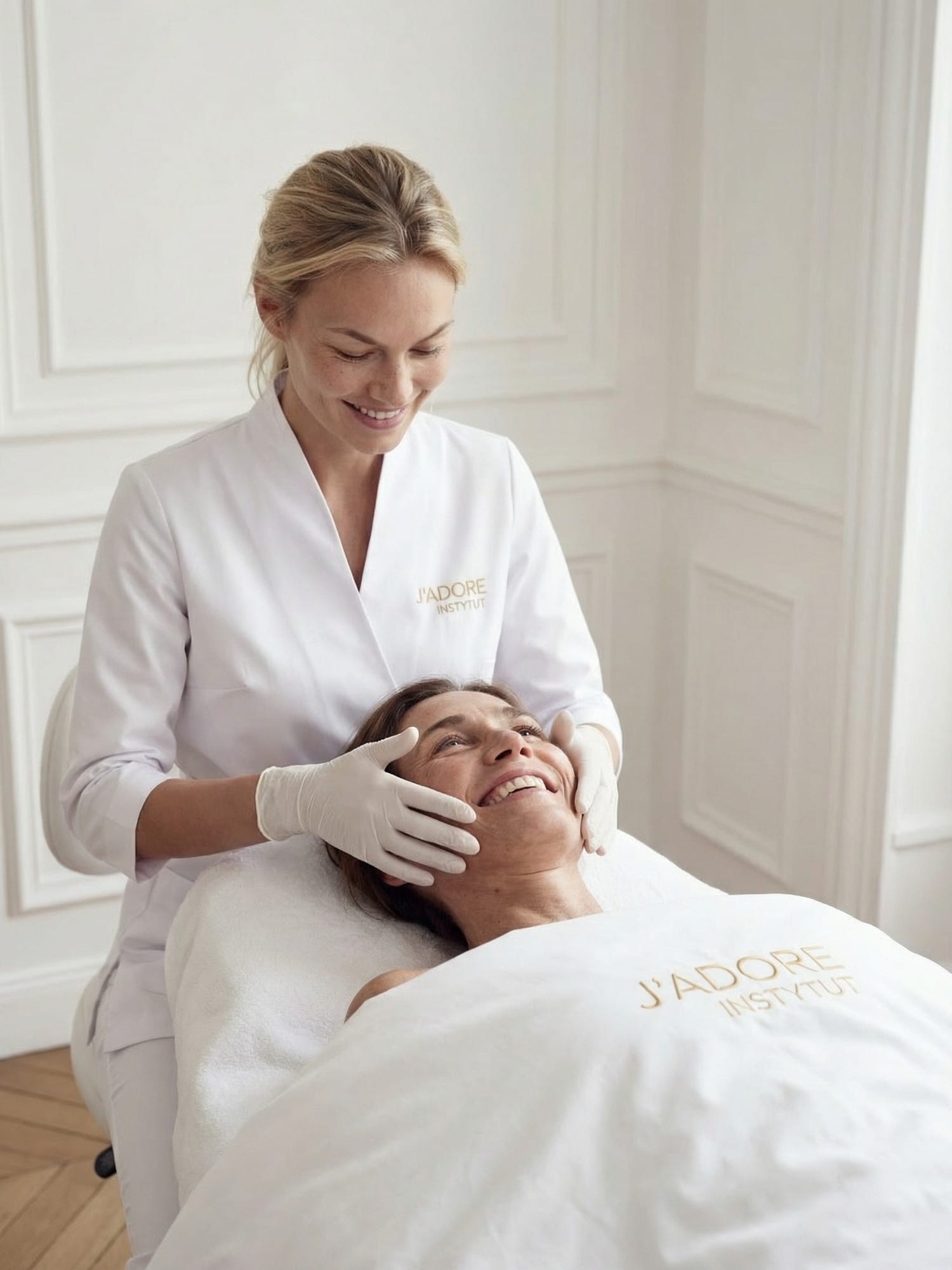
The visit
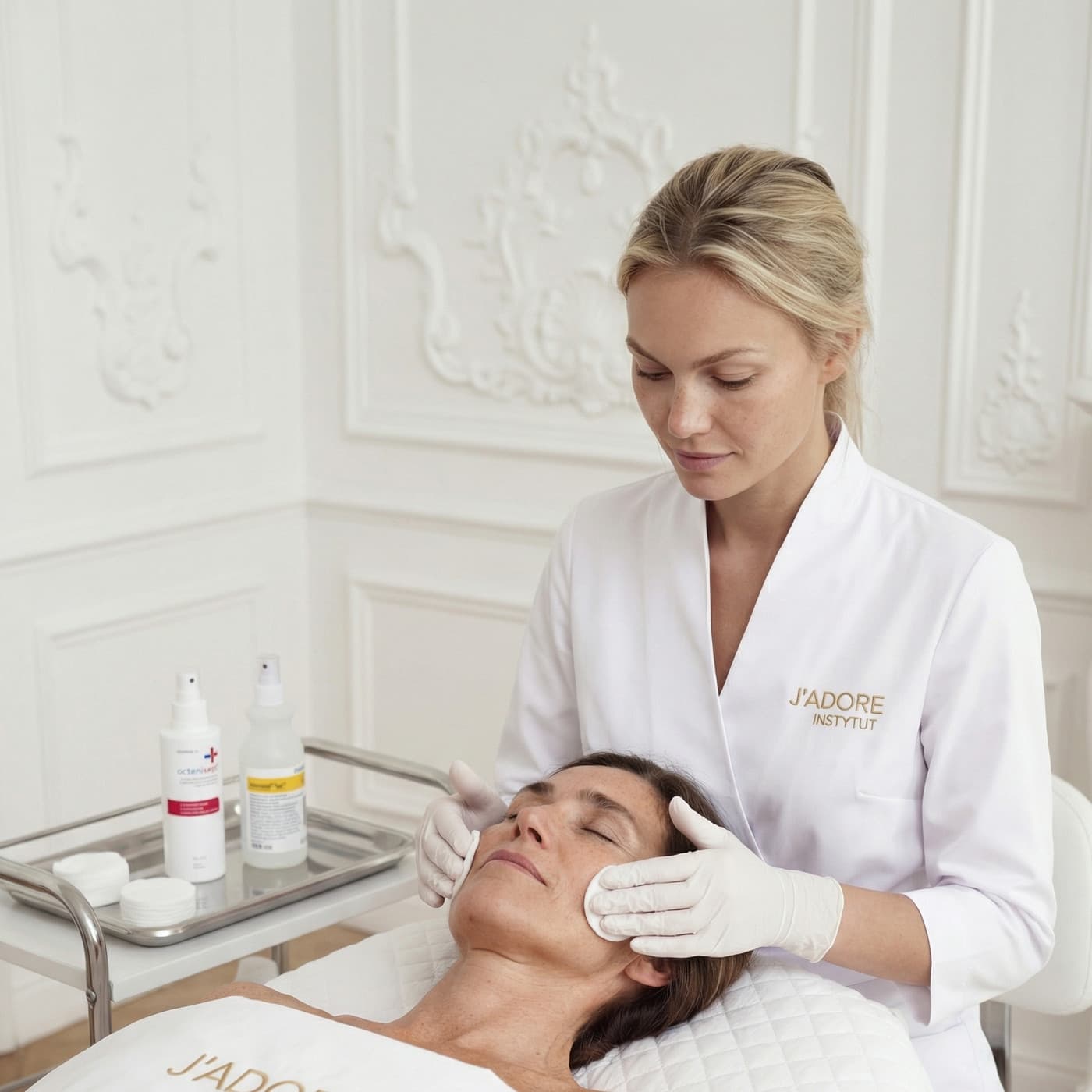
Consultation
a specialist assesses indications and selects the preparation (line and variant). They choose the administration method, determine the zone (face, neck, décolletage, scalp) and conduct an interview.
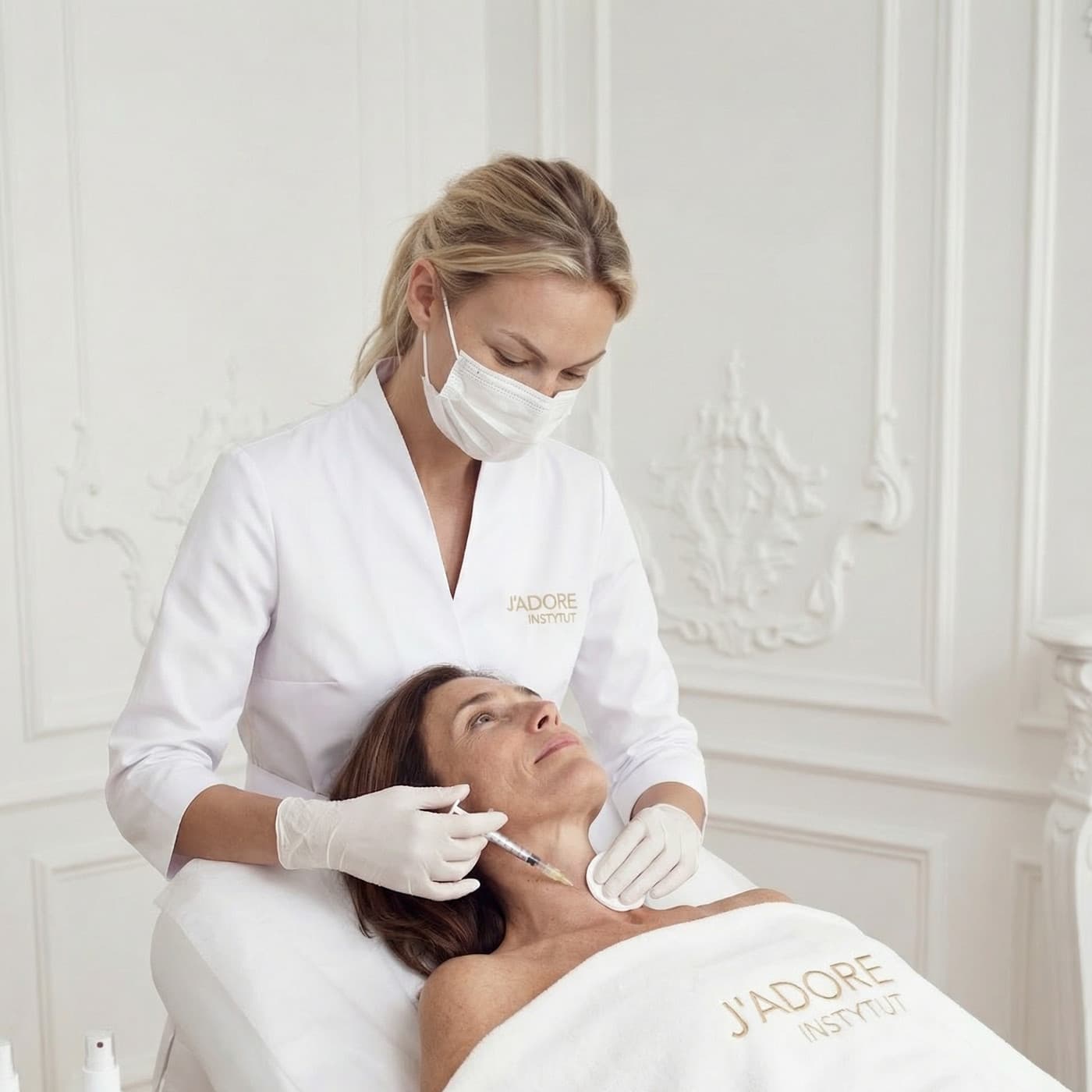
Preparation
thorough skin cleansing. If necessary, local anaesthesia is applied for comfort.

Administration
exosomes are administered as intradermal micro-injections. Alternatively, they are applied to the skin directly after microneedling (Dermapen) or after a laser. They then penetrate through the freshly opened micro-channels.
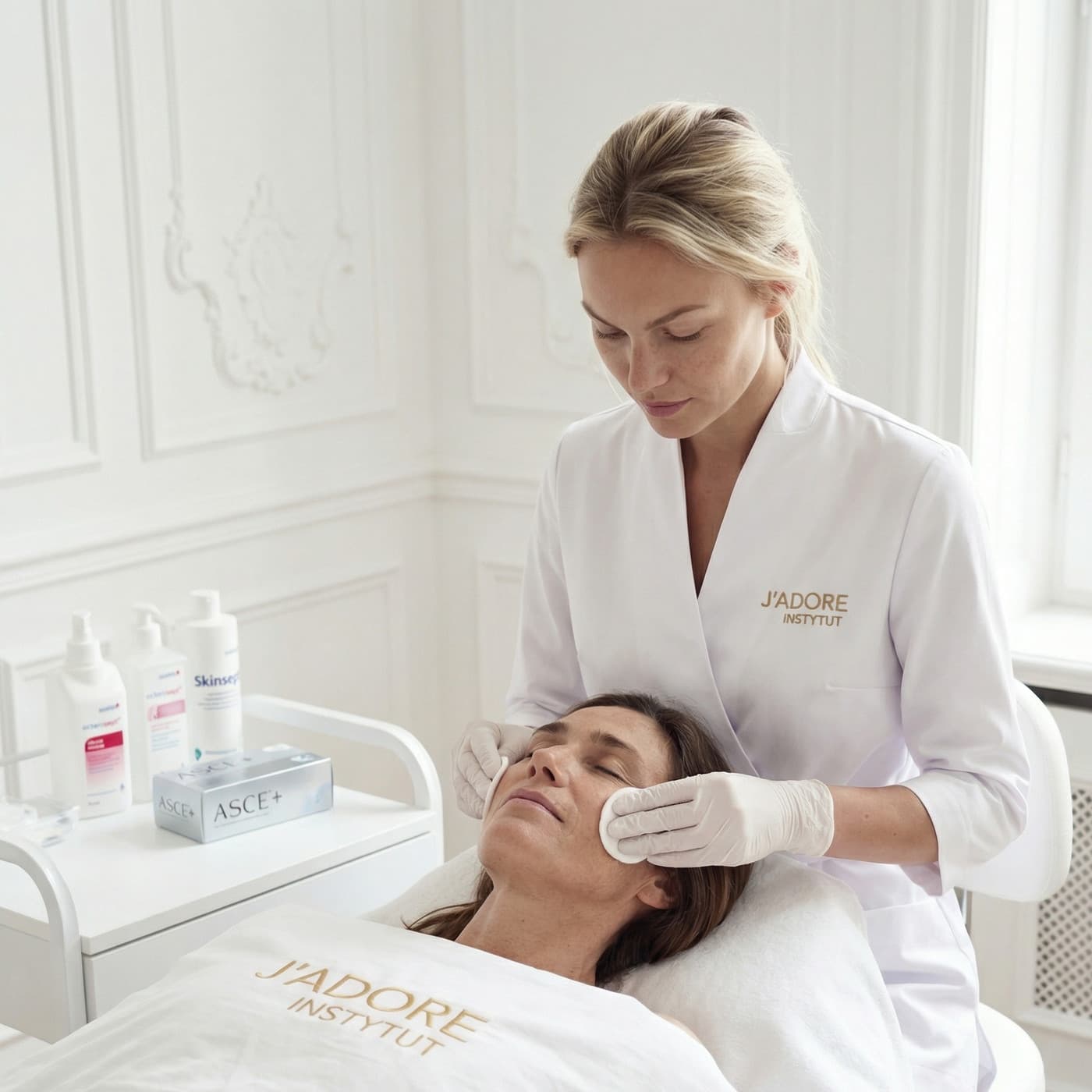
Cooling and advice
the skin is cooled after administration. You receive aftercare instructions.
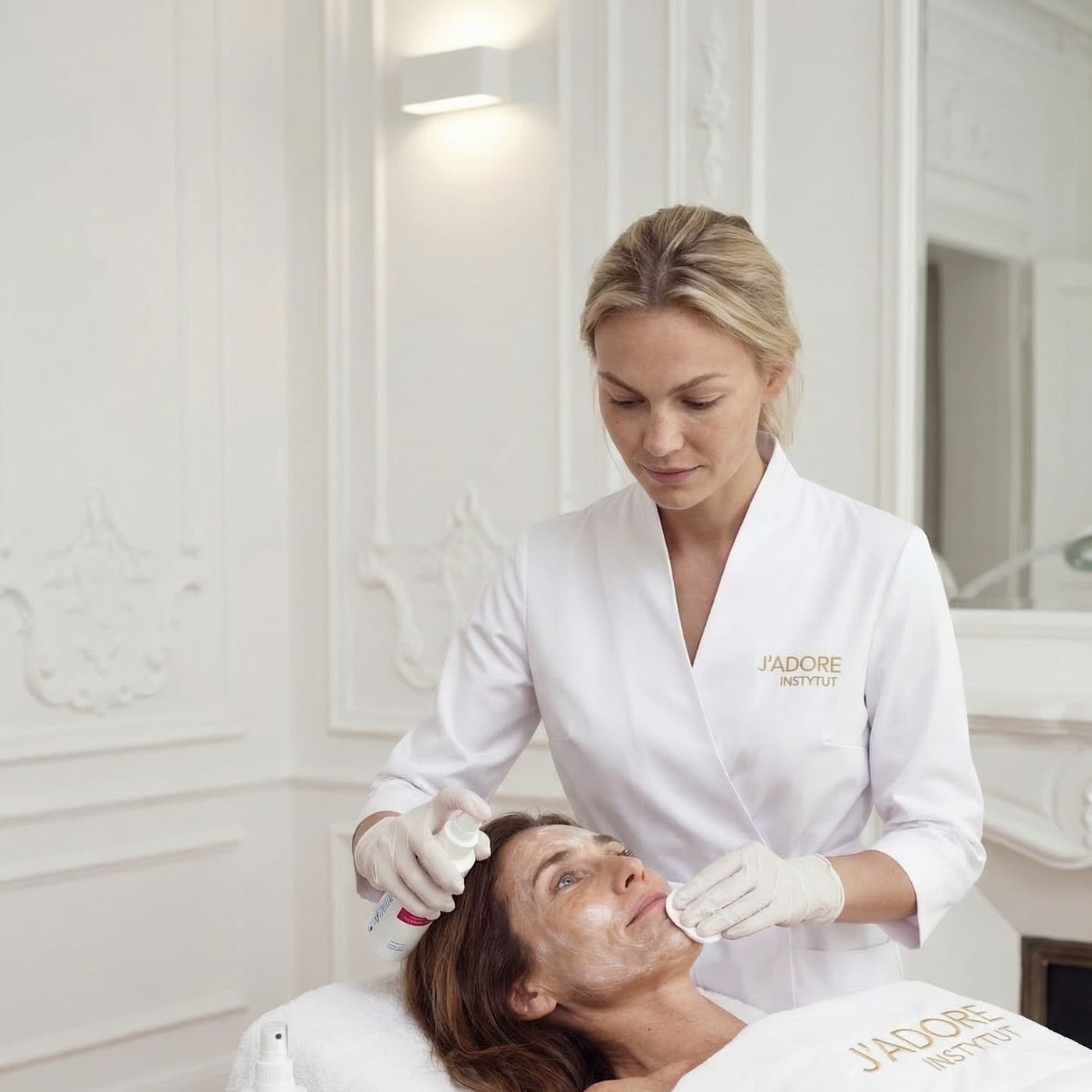
Next session date
exosomes are a "series" treatment. We set a schedule for subsequent visits.
What to expect
Most importantly: you will not see the result immediately. Exosomes work cumulatively. First changes (brighter, more rested tone, better hydration and firmness) usually appear after a few weeks. The full result is built after completing the series.
The most common misunderstanding: expecting a "wow" effect after one session. Exosomes do not work that way. It is signal-based work and it is cumulative. That is why we plan a series from the start. We evaluate the result after a few weeks and after the cycle is finished, not the next day.
The entire visit usually takes several dozen minutes including preparation. This depends on the zone and whether exosomes are combined with a laser or Dermapen.
Portfolio
A record of the work in our salons — the place where we publish treatment frames and, after photo sessions, results.
A record of results — in preparation. We publish photographs of our clients only with their consent.
With scalp treatments, the effect on hair is evaluated over a longer period, usually a few months. It is governed by the hair growth cycle. This is a cumulative treatment. Each session strengthens the previous one. To be honest: if someone promises a full, lasting effect after one treatment — it is an overpromise.
Exosomes and your lifestyle
The most common questions are not about the treatment itself, but about what happens after: makeup, sauna, sun, acids. There is one rule. For the first few days, we protect the regenerating skin. This ensures the exosome signal works and healing is not slowed down.
SPF 50+ sun protection is mandatory for about a week. UV slows down regeneration. Avoid intensive sunbathing and sunbeds during this time.
We skip makeup for the first 24 hours to avoid irritating the freshly treated skin. Later, you return to your daily routine.
Postpone sauna, swimming pool and intensive training for about two to three days. Heat and accelerated circulation do not support regeneration immediately after the treatment.
Set aside strong acids, retinol and high concentrations of vitamin C for about a week. During this time, skincare should be gentle and soothing.
Do not massage the administration sites during the first 24 hours. This prevents dispersing the preparation and irritating the skin.
For scalp treatments, wait about two weeks before dyeing your hair. This allows the skin to fully settle.
Since exosomes are often performed after another treatment (laser, peel, needling), the aftercare for that treatment sets the rhythm. Those instructions are usually more important. Before the exosome administration itself, calm and gentle skincare is sufficient.
Exosomes
These methods are often compared, but each works at a different level. This is exactly why they complement each other well. Exosomes do not replace the rest. They are often best in a duo:
send a signal for regeneration
they do not add volume, fill furrows or relax expression lines
delivers growth factors
does not work "on demand" like exosomes — it is a different regeneration pathway
nourishes the skin
it is not vesicles with signals — that is a different technology

Combine with
With exosomes, order matters more than with many other treatments. Their strength is revealed when the skin is in repair mode. Golden rule: exosomes usually go AFTER a treatment that "opens" the skin, not before it. A specialist will decide on the exact plan and intervals during your consultation:
I most often hear: "so which is better — exosomes or PRP?". Wrong question. Exosomes provide a signal, PRP growth factors from your blood, mesotherapy ready-made ingredients. A simple rule: you want the skin to regenerate faster and more strongly after a laser, or when nothing else works anymore → exosomes. Medical procedures are decided by the doctor during consultation; most often we combine methods sequentially.
Preparations
Several lines of preparations fall under the name "exosomes". They differ primarily in origin (the source from which exosomes are isolated) and the concentration and purity of the vesicles. They also vary in additives (e.g. peptides, hyaluronic acid, growth factors) and purpose (face, scalp, post-treatment regeneration). You do not choose a product "off the shelf". A specialist selects it based on your goals, skin quality and safety.
One of the most recognisable exosome lines, subjected to multi-stage purification. Many protocols combined with laser and Dermapen are built around it.
Dla kogoFacial revitalisation and "hair" variants — support for the scalp and follicles.
Another tested line used in our salons. It can be an alternative to ASCE where its profile or available variant fits better.
Dla kogoRevitalisation and skin regeneration depending on the treatment goal.
The exosome market is developing rapidly. We are not guided by a "trendy name", but by quality, certification and documented origin.
Dla kogoWe select the best available, tested line for a specific purpose (face, scalp, post-laser regeneration).
The market offers exosomes from various sources — cell-culture-derived (including from stem cells) and plant-derived (e.g. isolated from plants). These are not equivalent products: they differ in their signalling profile, documentation and intended use. What matters: a certificate and invoice from a Polish distributor, sterility and concentration control, proper storage (often lyophilisation, "reconstituted" just before the treatment) and studies confirming safety.
Fact: Why the price differences? They come from the isolation technology used for pure, stable vesicles (including ultracentrifugation and filtration). There is also rigorous quality control of every batch, research, demanding storage (lyophilisation, cold chain) and meeting regulatory requirements. "More expensive" does not automatically mean "better for everyone". It means "different, for a different need and with a different profile". A specialist selects the right line and variant after assessing the skin, not based on the name on the packaging.
Price list
Checking free hours…
From the magazine
Editorial pieces on how this treatment works in practice — what happens during the session, how to prepare, where the limits are and what the first days after look like.
See also
The result lastssix months to a year after a seriesJ’adore Instytut
Medical information. Exosomes are a technologically advanced category of regenerative preparations. The administration method (including intradermal micro-injections, application after microneedling or laser) is a procedure. It is performed by an aesthetic medicine doctor or an experienced cosmetologist — depending on the preparation and technique. The above text is for informational purposes and does not constitute medical advice. A specialist decides on indications, product line, method and contraindications during an individual consultation.
Home care
Cosmetics matched to what your skin needs after a treatment — so the clinic effect lasts longer.
 post-treatment regenerationCell Fusion CDermagenis pH Biome SerumView in the shop(opens in a new tab)
 skin radianceDiego Dalla PalmaCELL-DETOXIUM Revitalizing Tonic 250 mlView in the shop(opens in a new tab)
 sun protectionDermaQuestSunArmor SPF50 30 mlView in the shop(opens in a new tab)
 post-treatment regenerationMedMelanoSkinbiotic Elixir Probiotic Repair Serum 50 mlView in the shop(opens in a new tab)
 skin radianceSesdermaC-VIT RADIANCE Illuminating Cream 50 mlView in the shop(opens in a new tab)
 sun protectionSkeyndorProtective cream SPF 50+ – Age Photo DefenseView in the shop(opens in a new tab)
 post-treatment regenerationVagheggiEmozioni Plus — Anti-Stress Face Mask 75mlView in the shop(opens in a new tab)
 skin radianceMesoesteticMelatonin AmpoulesView in the shop(opens in a new tab)