Swollen legs by the end of the day, a feeling of heaviness, mild puffiness after a long flight — for these issues, we turn to various methods. Two come up most often: manual drainage and pressotherapy. At first glance, they seem to do similar things. In fact, they differ in mechanism, intensity and indications enough that the choice matters. This article helps you understand why.
Swollen legs by the end of the day, a feeling of heaviness, mild puffiness after a long flight — for these issues, we turn to various methods. Two come up most often: manual drainage and pressotherapy. At first glance, they seem to do similar things. In fact, they differ in mechanism, intensity and indications enough that the choice matters. This article helps you understand why.
The lymphatic system runs parallel to the circulatory system, but it works differently. The heart pumps blood with force. Lymph moves far more slowly — it depends on muscle movement, breathing and gentle contractions of the lymphatic vessels themselves. When this flow slows down — through a sedentary lifestyle, heat, long periods of standing, or after surgery — tissue fluid builds up in the spaces between cells. The result is swelling.
Both treatments, manual drainage and pressotherapy, are designed to support lymph outflow. The goal is the same. The route to it is completely different.
Manual lymphatic drainage using the Vodder method was developed in the 1930s by Danish physiotherapist Emil Vodder. For decades, it was considered too specialised for aesthetic massage. Today it's the gold standard in the treatment of lymphatic swelling.
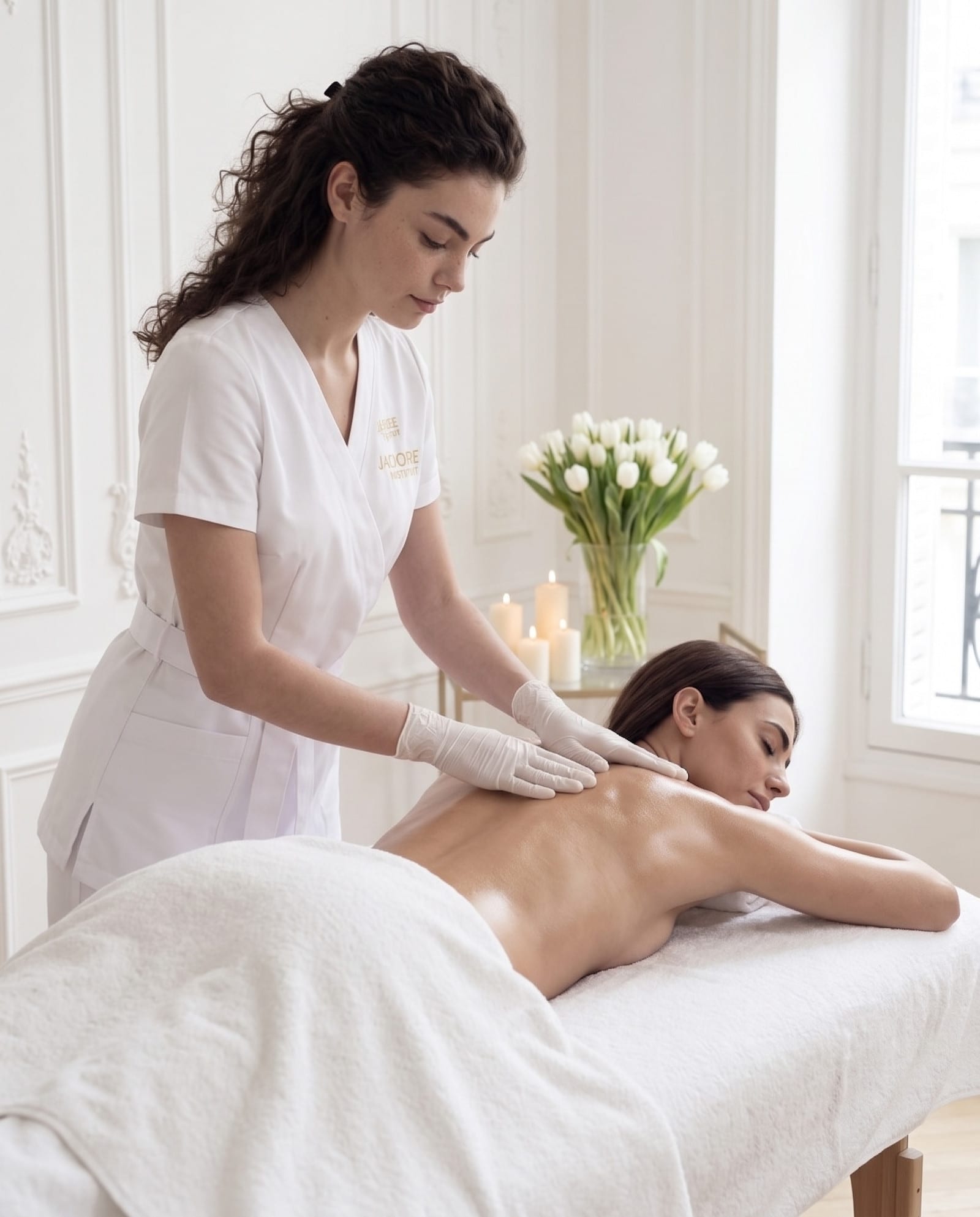
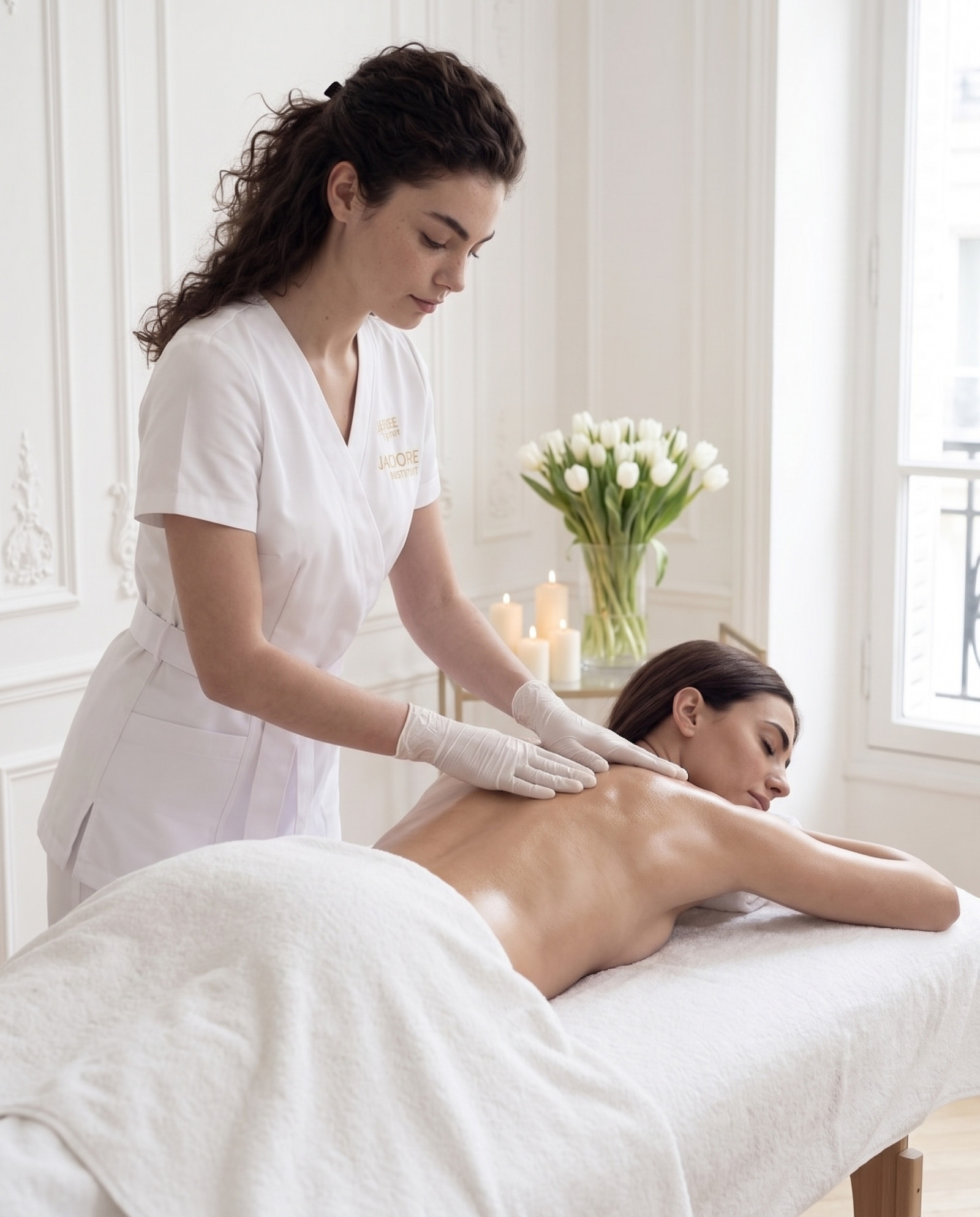
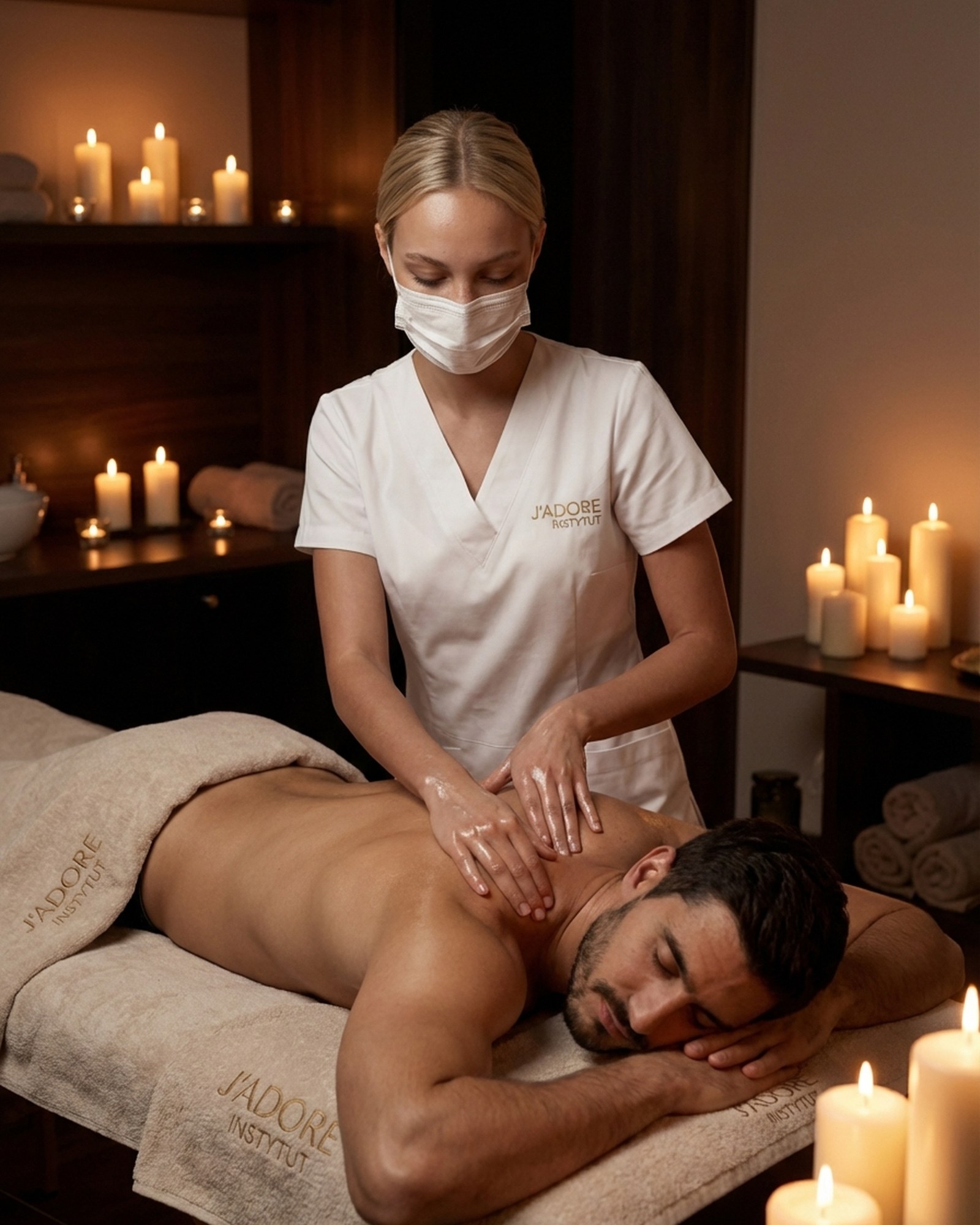
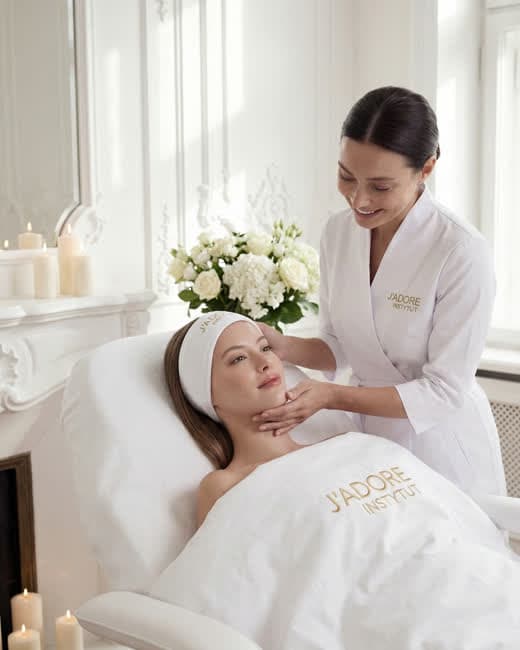
A therapist performs it entirely by hand. The pressure is deliberately light — many people are surprised that a well-performed drainage session doesn't hurt at all, and can even feel sleep-inducing. The movements are rhythmic, slow, and follow the exact path of the lymphatic vessels and the location of the nodes. Each movement has a defined direction and phase: the compression phase stimulates the vessel wall, and the release phase allows it to refill.
The therapist starts at the neck and armpits — that's where the main groups of lymph nodes sit. Only then does the work move to the limbs, "clearing the path" for the lymph. This is what sets Vodder drainage apart from a regular relaxation massage: you can't simply start at the legs and expect results, because the flow follows its own anatomical direction.
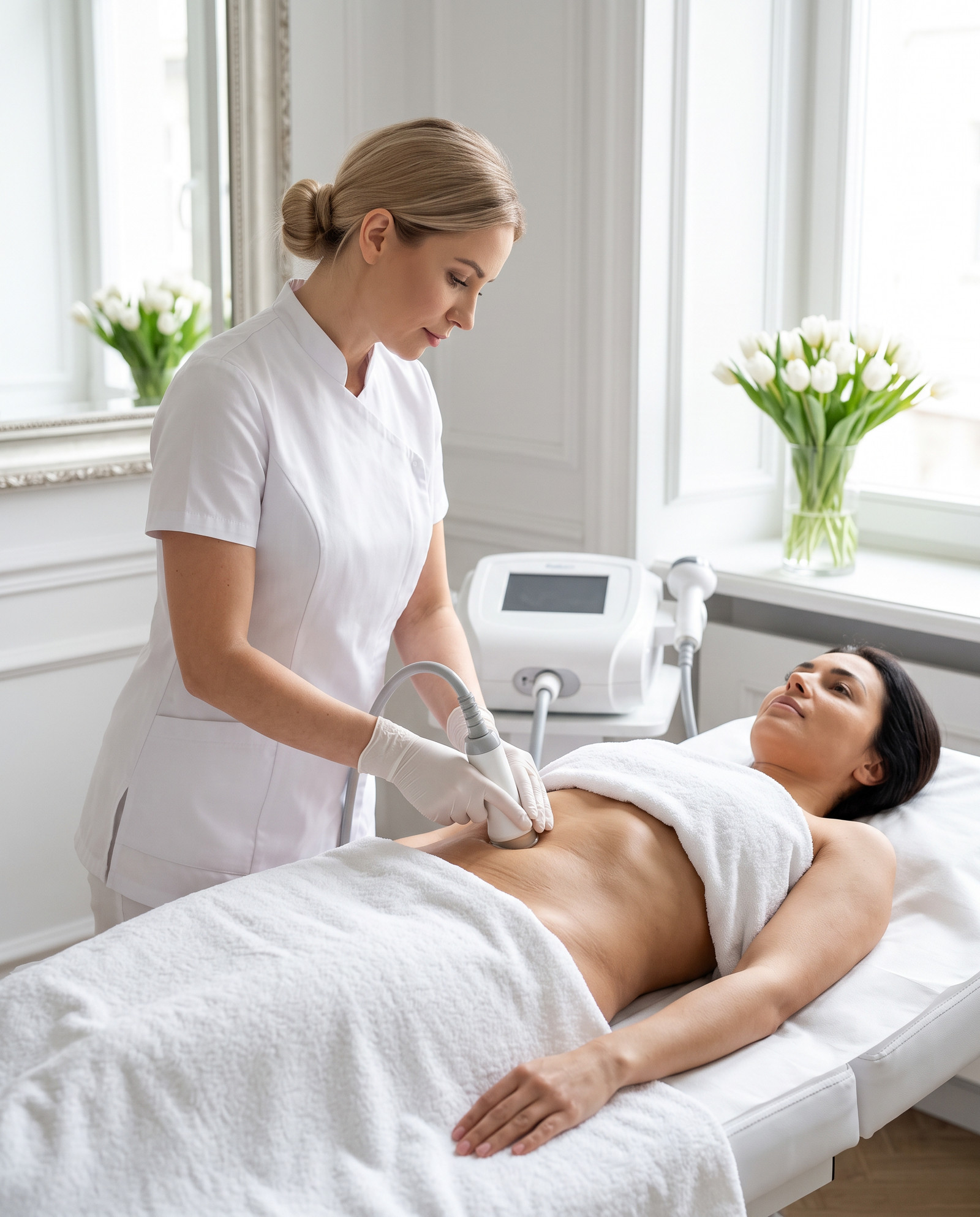
Pressotherapy works in a completely different way. You put on special trousers or boots fitted with chambers, connected to a device that pumps air. The device inflates the chambers in a programmed sequence, creating a kind of mechanical wave along the limb — from the feet towards the hips. The pressure is adjustable, and a set protocol determines the pace and order of inflation.
The treatment doesn't require a therapist to stay with you the entire time. The device runs on its own, following the set programme. For many people, that's a real convenience — you can relax, read, or even doze off. The sensation is pleasant: it feels like a series of rhythmic pulses moving up from the ankles.
Pressotherapy also comes in the form of calf boots or arm sleeves, which lets you focus the effect precisely on a specific area.
Mechanism of action. Manual drainage draws on deep anatomical knowledge and treats each node and vessel individually. The therapist feels the tissue's resistance and adjusts the technique as they work. Pressotherapy applies a standardised pressure pattern — effective, but not adaptable to individual anatomical variations or locally blocked nodes.
Who it's for. Manual drainage is recommended for people with diagnosed lymphoedema, those recovering from oncological surgery or lymph node removal, people dealing with surgical trauma, or facial swelling. It sits at the intersection of physiotherapy and aesthetic medicine. Pressotherapy works well for healthy people who want to prevent swelling, improve venous circulation in the legs, reduce a feeling of heaviness, or support recovery after training.
Sensation. Manual drainage is exceptionally gentle — noticeably softer than a classic massage. Most people fall asleep during the session. Pressotherapy produces stronger mechanical sensations, with a clearly felt pressure, though for most people it still feels comfortable and relaxing.
Specific indications. Post-surgical swelling and secondary lymphoedema call for manual drainage. Prevention, tired legs after long periods of standing or sitting, and mild swelling in active people call for pressotherapy. Cellulite and body contouring, as a supporting treatment, respond well to pressotherapy or a combination with other device-based methods.
There are situations where manual drainage has no good substitute. The first is lymphoedema — a condition in which the lymphatic system is permanently damaged or underdeveloped. It can be primary (congenital) or secondary, most often following lymph node removal during cancer treatment. In lymphoedema, manual drainage performed by a certified therapist is the method with the strongest evidence base. Pressotherapy can be used as a complement, but on its own it can't replace the hands of a therapist who knows the specific condition of the patient.
The second situation is post-surgical swelling — particularly after liposuction, abdominoplasty, or shoulder or knee surgery. The tissue is sensitive at this stage, scars are still fresh, and Vodder drainage allows work right at the edge of the surgical site with a precision no device can match.
The third situation is the face. Facial swelling after aesthetic treatments or jaw surgery, and congestive headaches — pressotherapy simply doesn't work here, because there's no suitable attachment for it, and the delicacy of facial tissue calls for a therapist's hands. Manual facial drainage can bring clear relief, and for many people the results are visible after just one session.
The fourth situation is severe swelling that needs assessment to identify its cause. The hands of an experienced therapist can detect asymmetry, hardened nodes and irregular areas that a device simply "can't see".
In everyday, non-medical use, pressotherapy is usually the more convenient and sufficient option. If you come home from work with swollen legs, spend long hours standing or sitting behind the wheel, or fly several times a month — regular pressotherapy sessions can noticeably improve how your legs feel and reduce that sense of heaviness.
For athletes, pressotherapy works as a recovery tool: it speeds up the removal of metabolites from muscles after exercise, eases muscle soreness, and shortens the perceived time needed to feel fully recovered. That's why it's increasingly found in fitness studios and wellness centres. Alongside sports massage, it forms a complete recovery protocol.
Pressotherapy also works well for preventing venous thrombosis in people after long hospital stays or with a higher thrombosis risk — though in these cases, a doctor should make the decision to use it.
For anyone looking to address cellulite or contour the legs and thighs, combining pressotherapy with LPG endermology or fat-reduction treatments creates a synergistic protocol. Each method works on a different level of the tissue, and together they can achieve results that neither could reach on its own.
Combining manual drainage and pressotherapy isn't contradictory — quite the opposite. In some protocols, they complement each other naturally. A classic example is comprehensive decongestive therapy for lymphoedema: the therapist performs manual drainage, while pressotherapy is used between sessions, at home or in the salon, to maintain the effect.
After plastic or bariatric surgery, some surgeons recommend both methods at different stages of recovery: manual drainage in the first few weeks, while tissue is still sensitive, and pressotherapy in later stages as long-term support.
In an aesthetic context, some clients describe combining manual drainage (once a week or every two weeks) with pressotherapy (two to three times a week) as noticeably more effective than using either method alone. Vodder drainage "unblocks" the flow through the nodes and vessels, while pressotherapy maintains it between visits.
Both treatments are effective for their respective indications — but neither is a diagnostic tool. Swelling can be a symptom of serious conditions: venous insufficiency, kidney or heart disease, an underactive thyroid, and in rare cases, cancer.
If the swelling is one-sided, sudden, painful, accompanied by redness or warmth in the limb, doesn't ease with rest, or recurs regularly with no obvious cause — see an angiologist or phlebologist before any treatment. This applies to both drainage and pressotherapy. Neither treatment can be used during acute venous thrombosis — this is an absolute contraindication.
At J'ADORE, before your first drainage or pressotherapy session, we ask about your medical history and any medication you take — not to discourage you from the treatment, but because safety matters more than a quick appointment.
If you're looking for a preventive treatment — your legs are healthy, but they feel tired by evening, you travel often, or you're recovering after an intense training season — pressotherapy is a comfortable, pleasant and accessible option. You can use it regularly, deciding the frequency yourself.
If you've had surgery, have diagnosed lymphoedema, persistent swelling with an unclear cause, or want to care for your face and neck after an aesthetic treatment — manual drainage calls for a therapist with Vodder certification or an equivalent qualification. This isn't about aesthetics — it's about effectiveness. Technique matters.
If you're not sure which approach suits you, it's worth starting with a consultation. A good therapist will assess your tissue condition, ask about your history, and suggest a protocol matched to your specific situation — not to a generic description found online.