Sensations can change from the first layer to removal
- 01
Cleansing
The skin may sting during degreasing if the barrier is damaged.
- 02
Application
Warmth and stinging appear, usually more noticeable in delicate zones.
- 03
Rubbing
Pressure and friction may be stronger than the preparation itself; communicate any pinpoint pain.
- 04
Removal and calming
The sensation should fade, although tightness or redness may persist temporarily.
Skin irritated before the visit reacts more sharply
- Retinoid or home acid used too close to the appointment date.
- Recent hair removal, shaving, a strong peel, or sunburn.
- Active cold sore, a scratched lesion, or severe inflammatory acne.
- Dry, stinging barrier after a new cosmetic product.
Do not mask this with foundation and do not assume that anaesthesia will solve the problem. Sometimes the right decision is a gentler protocol, and sometimes it is postponing the treatment.
Warning signs are not part of normal discomfort
The specialist should regularly ask about sensations and observe the tissue. Your task is not to endure everything in silence; a precise description allows them to change the pressure, avoid a zone, or end the application.
Rubbing matters because the preparation is not just applied
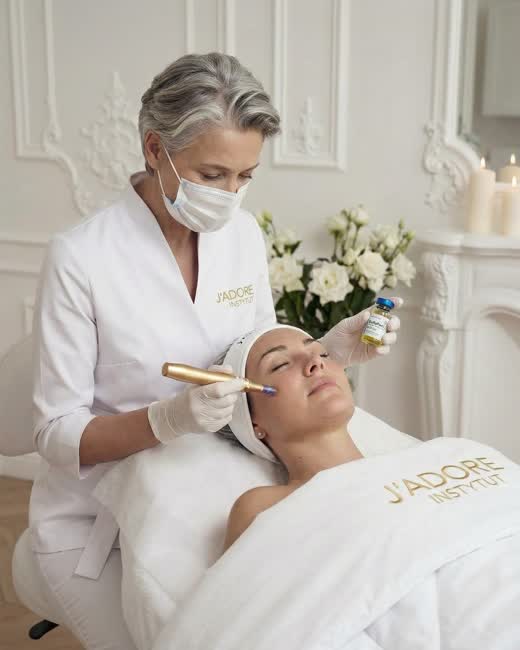
In PRX-T33, the application method involves manual work, so the sensation does not come solely from the composition. Pressure and repetitive movement on drier or more reactive skin can be unpleasant even when the stinging itself is moderate. If you feel that the friction is becoming pain, name that specific element.
The specialist can distinguish whether the problem concerns pressure, a specific point, or increasing stinging. A general "it hurts" provides less information. Say: "it stings evenly", "I feel a scratch here", or "each subsequent layer stings more". Precision helps adjust the pace and assess the reaction.
Stronger rubbing is not automatically a better version of the treatment. Effectiveness is not measured by the strength of the hands or the number of minutes endured. The technique must match the protocol and the state of the tissue, not the assumption that the client should leave with a feeling of intensity.
Subsequent layers can change the sensation abruptly
The first contact may be mild, and the next more pronounced. This does not mean you have to wait until the pain reaches a predetermined level. After each change, the specialist should observe the skin and gather information about the sensations. The decision to continue does not result from the sequence of layers alone.
If the warmth stabilises, you may still feel discomfort without it being a warning sign. If it rises quickly, becomes one-sided, or focuses on one injury, the situation requires assessment. The dynamics are important, not just the number on a pain scale.
Do not assume that the last layer must hurt the most for the procedure to be complete. The protocol can be changed or ended earlier. A safe decision takes priority over performing an identical scheme on every person.
Cheeks, nose, and jawline do not react identically
On the fuller part of the cheek, pressure may be easier to bear. Near the wings of the nose, chin, jawline, and corners of the mouth, the skin lies closer to bone structures or is more mobile. Friction may be more pronounced there, especially if there is dryness, chafing, or a freshly squeezed lesion.
Pinpoint stinging often reveals micro-damage invisible from a distance. Do not hide it under make-up before the qualification. Point out a scratch, a cold sore in your history, a cracked corner of the mouth, and the site of recent hair removal. A small area can change the way of working on the entire zone.
Lack of sensation on one cheek is not a reason to increase intensity just for symmetry. The skin does not have to sting evenly for the procedure to be performed correctly. An even result is not created by equalising pain.
Fear of needles does not guarantee comfort with a needle-free method
A person avoiding mesotherapy may choose PRX-T33 due to the lack of injections. This is a justified preference, but not a promise of a complete lack of stimulus. Chemical stinging and intensive rubbing are a different type of sensation than a prick. You may tolerate one well and the other poorly.
Say exactly what you are afraid of: pain, the sight of a needle, loss of control, swelling, or the recovery period. Thanks to this, the consultation does not boil down to the slogan "needle-free". Perhaps the most important thing will be frequent information about the next stages and the possibility of stopping, not the tool itself.
PRX-T33 should not be chosen solely as a less scary version of any treatment. First, it must match the indication. A comfortable method that is not suited to the problem is still a bad choice.
Anaesthesia can remove important feedback
In a procedure based on observing reactions, sensations are one of the sources of data. Routine anaesthesia should not be used to cover up a damaged barrier or enable stronger rubbing. The use of any preparation is decided by the person in charge in accordance with the protocol and qualification.
Do not apply anaesthetic cream yourself before leaving. It can change the appearance of the skin, cause a reaction, and make assessment difficult. If you are afraid of pain, discuss it beforehand; the salon should explain how it controls comfort and what the possibilities are for stopping the procedure.
The best protection is not a lack of feeling, but a stable barrier, a full history, calm technique, and communication. Anaesthesia does not cancel an active infection, a wound, or a reaction after a retinoid.
Barrier preparation starts earlier than in the morning
Retinoid, acids, granular peel, brush, recent hair removal, and intensive tanning can increase reactivity. It is not enough to skip cream on the day of the visit if the skin has been stinging for several previous days. Provide the names of products, frequency, and the date of last use.
Do not stop a therapy recommended by a doctor on your own just to have a peel. If the treatment conflicts with the procedure, the cosmetological appointment should be postponed or the decision consulted with a doctor. Continuity of treatment is not an obstacle to be bypassed.
On the day of the treatment, do not mask dryness with a heavy layer of product. The specialist needs to see the real state. If water and a regular cream already sting, the procedure may need to be deferred.
After removal, the feeling should move towards calming
Tightness, warmth, and redness may persist temporarily, but their direction matters. Observe whether they are fading or growing. Take a photo in neutral light and note the time if the reaction raises doubts. This facilitates factual contact with the salon.
Do not apply ice directly, do not apply a random ointment, and do not try to "neutralise" the skin with a home acid or base. Follow the instructions provided after the treatment. If they are unclear, ask before using an additional preparation.
Increasing pain, blisters, extensive swelling, hives, shortness of breath, or rapidly spreading redness require a reaction. The lack of heavy peeling in the method description does not mean that every worrying symptom can be waited out.
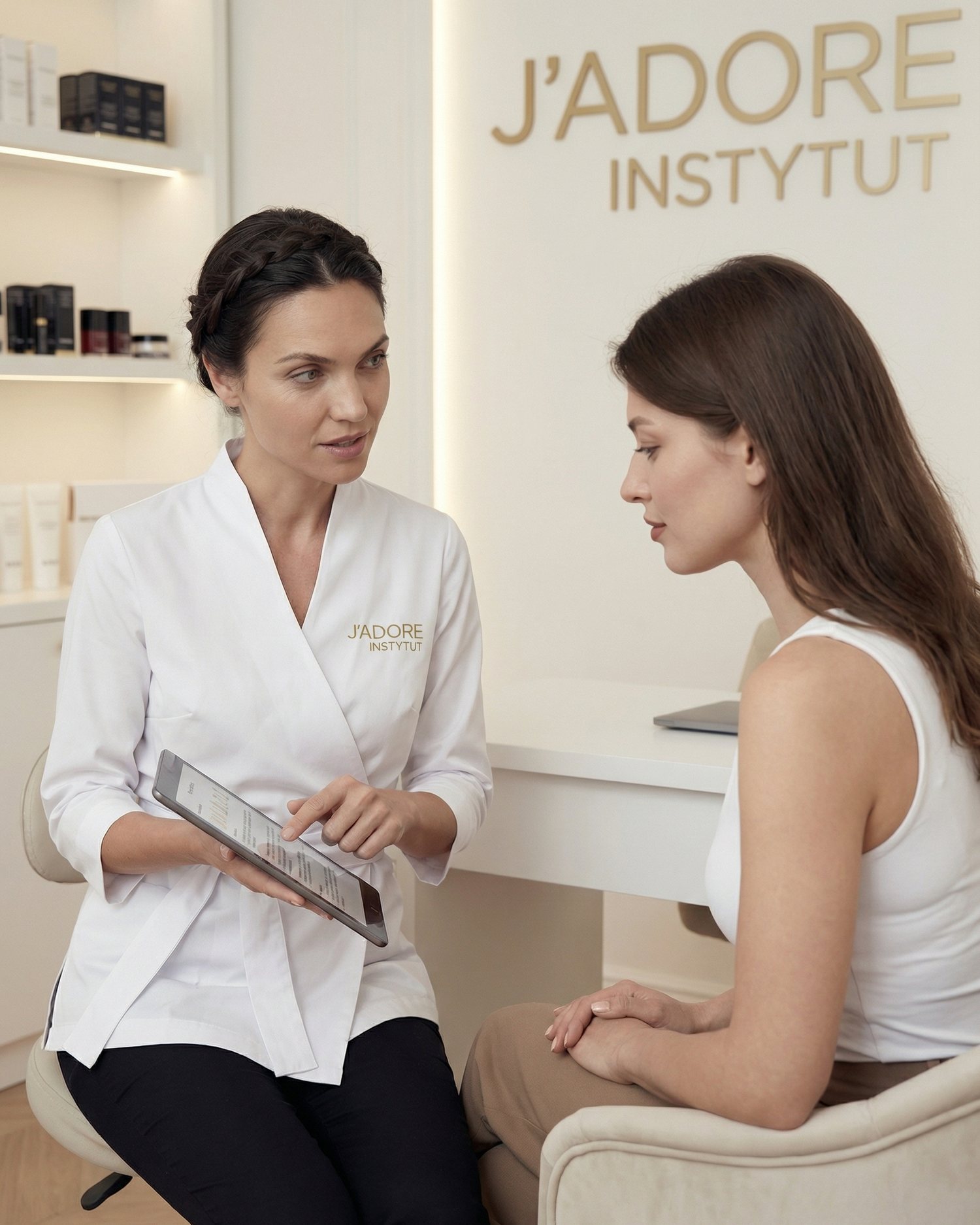
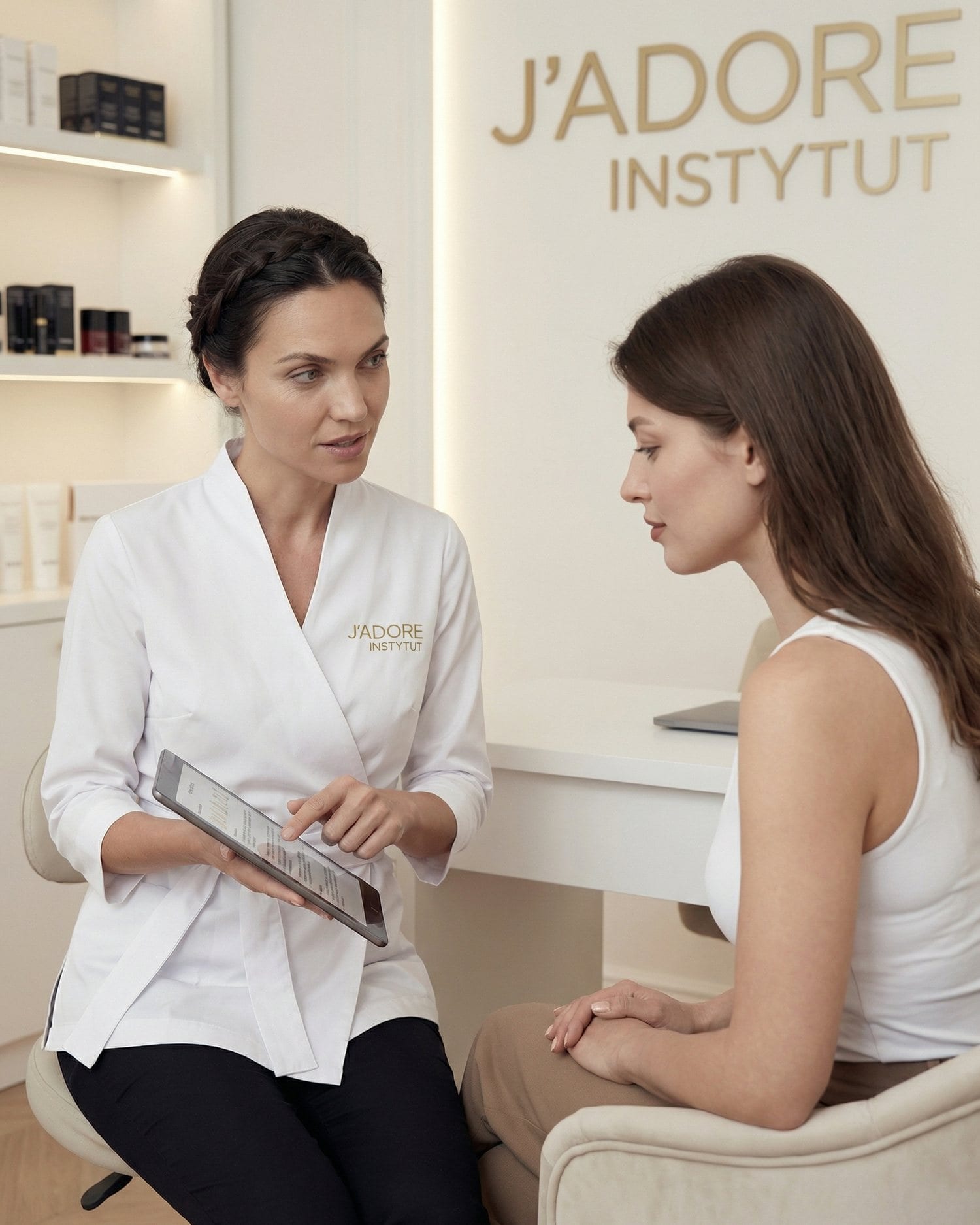
A good consultation establishes a language of pain before application
- Tell us if you are more concerned about stinging, friction, or a loss of control.
- Establish how often the specialist should check in on your sensations.
- Describe the nature and location of the sensation, rather than just a number.
- Report any increase immediately, rather than waiting until the end of the layer.
- Before you leave, note down the warning signs and the contact method.
This conversation is not meant to prolong the procedure. It ensures both sides understand the signals in the same way. If you usually remain silent out of politeness, please speak up. The specialist cannot react to a sensation they do not know about.
You have the right to ask for a break or to stop. Interrupting the application is not a failure if it protects your tissue. The treatment does not test your character or mental resilience.
The first session does not exactly predict every subsequent one.
Your skin may react differently depending on the season, current skincare, barrier hydration, and the interval since other procedures. The fact that your first visit was almost imperceptible does not guarantee identical comfort later. Before each application, we need a brief update of your history, not an automatic repetition.
Tell us about any new medication, changes in retinoids, recent sun exposure, infections, and reactions to previous treatments. Do not assume that information from a few weeks ago still describes your skin. The specialist should also ask how long any tightness, redness, or dryness persisted.
If it was more painful previously, do not come in assuming that we simply need to increase the anaesthesia. First, we determine why the reaction was intense: the state of the barrier, the technique, a specific area, or an undisclosed product. Only then do we plan the next step.
Menstruation, stress, and fatigue can affect your subjective comfort.
Your threshold for stimuli is not constant. Lack of sleep, tension, and specific days of your cycle can make you perceive friction and stinging more intensely. These are not automatically a contraindication, but they are relevant when choosing a date if you know your own reactions well.
Eat a normal meal, hydrate, and leave yourself enough time. Do not suddenly increase your caffeine intake or come in between two urgent meetings. These actions will not change the chemistry of the product, but they will reduce additional sources of discomfort and the pressure to finish the procedure as quickly as possible.
Your well-being does not replace a visual skin assessment. You may feel relaxed while your barrier is still damaged; you may also feel stressed while your tissue is in a healthy state. The qualification combines both types of information rather than choosing one.
Pain does not answer the question of whether the result will be good.
A treatment felt gently can bring the expected improvement, while an intense one may end in irritation without additional benefit. Do not judge the quality of the result the next day by how much it stung in the chair. The result is indicated by a change that meets your goal, assessed after the appropriate time.
PRX-T33 does not mechanically lift tissues, remove deep scars, or stop the cause of recurring melasma. If a promise exceeds these limits, a more intense application will not make it realistic. The method has a specific scope that suffering does not expand.
After your visit, document your reaction rather than giving an assessment in the first hour. Note the time it took for the heat to subside, any dryness, and compliance with the aftercare. This information is the basis for modifying the plan if a subsequent session is justified.
Warsaw: tell us about your skincare before you lie down on the chair.
When booking, provide the exact names of the retinoids, acids, and spot treatments you use, as well as the date of your last facial hair removal. Saying "I use active cosmetics" does not show their frequency or the area of application. If your skin stings after normal washing, report this before you arrive; it may change the date, not just the level of comfort.
Information is available on the page PRX-T33 in Warsaw. Our clinics are located at Żelazna 59 (Mon–Sat 8–21, Sun 11–19) and Mińska 29A (Mon–Sat 9–21). Report current medications, retinoids, a tendency for cold sores, and recent treatments.
PRX-T33 can be unpleasant, but it must remain controlled. The best criterion is not "did I feel nothing," but "did the specialist react to the skin's signals and did the protocol correspond to its state."
After finishing, ask for simple instructions: how to wash your skin, what not to apply, when to return to active ingredients, and which symptoms should prompt you to call us. Do not combine recommendations from several internet sources. The person conducting the treatment knows the course of the application and the reaction observed in the chair.
On your way home, do not test a new foundation or plan a sauna visit and intense training. Give your skin a quiet evening and time for careful observation without unnecessary haste. Comfort after the procedure is part of the entire experience, not a separate stage that you only deal with when a problem or clear irritation appears.