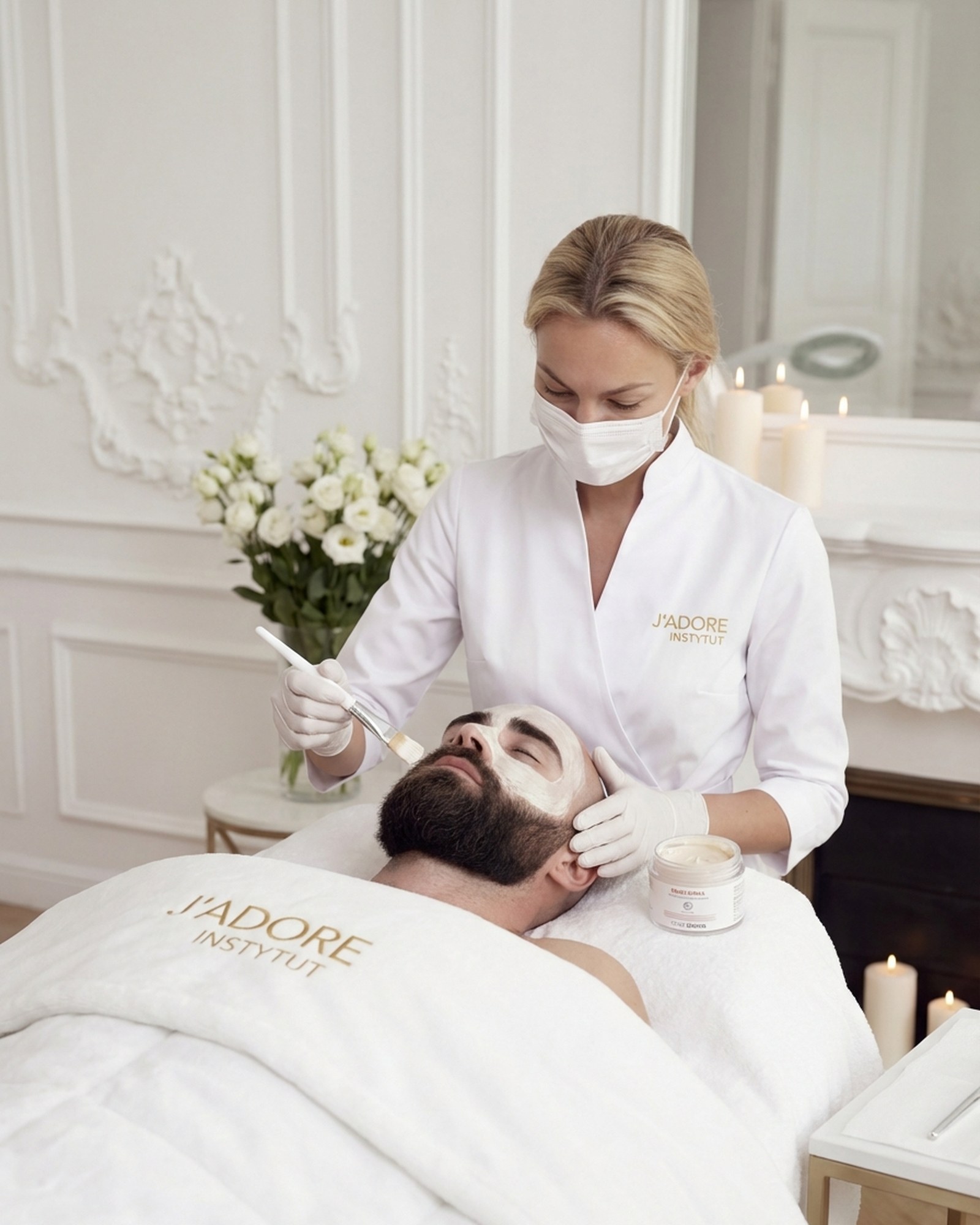
The first test of a salon takes place before you even sit in the chair
Call or send a message with a simple question: “Will someone examine my skin before my first peel and possibly change the treatment I have chosen?” The answer says a great deal about how the salon works. Ideally, your booking includes time to talk, assess your skin without make-up and step away from the original idea if needed. It is concerning to be told that pyruvic acid is always suitable for oily skin when nobody has asked about medicines, cosmetics, sun exposure or recent treatments.
Qualification does not need to feel like an examination. However, it should lead to a specific decision: we perform the procedure, modify it, choose another option or postpone the visit. A form with a few fields is not enough if the answers do not affect the plan. Also ask whether the consultation is carried out by the person who will later perform the peel. Information passed between reception and the salon may be shortened. The cosmetologist should hear directly what has happened to your skin in recent weeks.
What a cosmetologist should see before reaching for the product
Under the lamp, the distribution of changes matters, not only their number. A closed comedone looks different from a fresh spot, a scratch after squeezing, a scab or a flat brown mark after previous inflammation. The cosmetologist should also examine the areas around the lips, nose and hairline. Irritation or an active cold sore can easily be missed there. If the assessment is limited to one look at the forehead, it is difficult to speak of a considered choice of product and treatment area.
“Acne” is not sufficient qualification
A client may call every bump that appears on her chin acne. The salon’s role is not to make a medical diagnosis. It is to recognise when the presentation goes beyond a safe cosmetology procedure. Extensive, painful changes, a sudden outbreak, weeping, severe itching or suspected infection require caution and may be a reason for medical consultation. Applying acid “because it is for acne” does not address the cause and may make it harder to assess what is happening to the skin.
Your consultation should cover recent weeks, not only the day of your visit
The cosmetologist should ask for the names of products you use at home and how often you apply them. “I use retinol” does not say enough. It matters whether you used it the previous evening, whether your skin is red afterwards, and whether it is one active product or part of an extensive routine. The same applies to home acids, grain scrubs, facial hair removal and recent shaving. Even a well-chosen product may be the wrong next stimulus when the epidermis has already been intensively treated.
The discussion should include questions about medicines you take, dermatological treatments, sensitivities, wound healing, a tendency towards discolouration and previous reactions to peels. Information about oral isotretinoin or topical retinoids is particularly important. This is not so that you set a safe interval yourself using information online. It allows the cosmetologist to assess the situation and, if needed, seek the opinion of your treating doctor. A salon that does not want to know the names of products is giving up some of the information needed for a responsible decision.
Your sun calendar can invalidate even a good plan
Ask whether the salon discusses a recent tan, sunbeds, outdoor work and your realistic ability to use sun protection before the treatment. It is not enough to hand you advice saying “please use SPF” if you are due to spend the following day at an all-day outdoor session. Choosing the date is part of qualification. The salon should also consider important events. Possible redness, dryness or peeling do not always suit a wedding, presentation or facial photography.
The product name and protocol are not a trade secret
“Pyruvic peel” describes a type of procedure, but it does not yet tell you exactly what will be applied to your skin. Ask for the full product name and manufacturer. Also ask whether the formula contains other active ingredients. J’ADORE lists Mediderma Pyruvic Peel in its offer. However, the presence of a recognised brand does not replace qualification. Original packaging, a clear label, correct storage and use in line with the product protocol are all important.
You do not need to know chemistry or request the formula. However, you should receive a clear answer on why this product suits your skin’s current presentation, which areas will be avoided and what would lead to stopping the application. A red flag is liquid poured from an unlabelled container, as is irritation when you ask for its name. Product documentation makes it possible to reconstruct the visit if an unusual reaction occurs or the treatment is continued by another person.
During application, the cosmetologist should read your skin, not only the clock
Before starting, you should hear what sensations to expect and how to report them. Tingling or increasing warmth should not automatically be dismissed with “it has to be like this”. The person performing the treatment observes whether the response is even, asks where you feel discomfort and reacts when one area stings noticeably more. The nostrils, lips or a recently disrupted area may need protection or avoidance. Contact with you continues throughout the application.
A good protocol also includes preparing the treatment area for situations in which the product must be efficiently removed or its action stopped in line with the manufacturer’s instructions. This is not about theatrically displaying equipment. It is about avoiding improvisation. Before your visit, ask who remains in the salon while the acid is in contact with your skin. Leaving for reception and assessing the reaction only after a timer sounds is a lower standard than continuous observation and the option of immediate modification.
Your first peel and fifth visit should not look identical
First-time visitor
the salon gathers information about tolerance
- It does not base the plan on the statement: “my skin is resilient”.
- It discusses your skincare and previous reactions in detail.
- It establishes which signals you should report during the treatment.
- It does not promise an intense result after one procedure.
Person after several visits
the salon uses the recorded history
- It asks what happened in the days following the previous peel.
- It compares your skin condition, not only photographs taken in different lighting.
- It checks whether medicines, cosmetics or sun exposure have changed.
- It modifies the plan based on information, not automatically to make it “stronger than last time”.
A client returning after a series often says: “I peeled more the first time, so this time it was probably too mild.” A reliable cosmetologist does not treat visible epidermal peeling as the only measure. They ask about comfort, how long redness lasted, any new irritation, skincare and whether the goal of the visits is genuinely getting closer. If your skin is more reactive today, the intensity may be reduced despite a good history of previous treatments. Your experience is information, not permission to escalate.
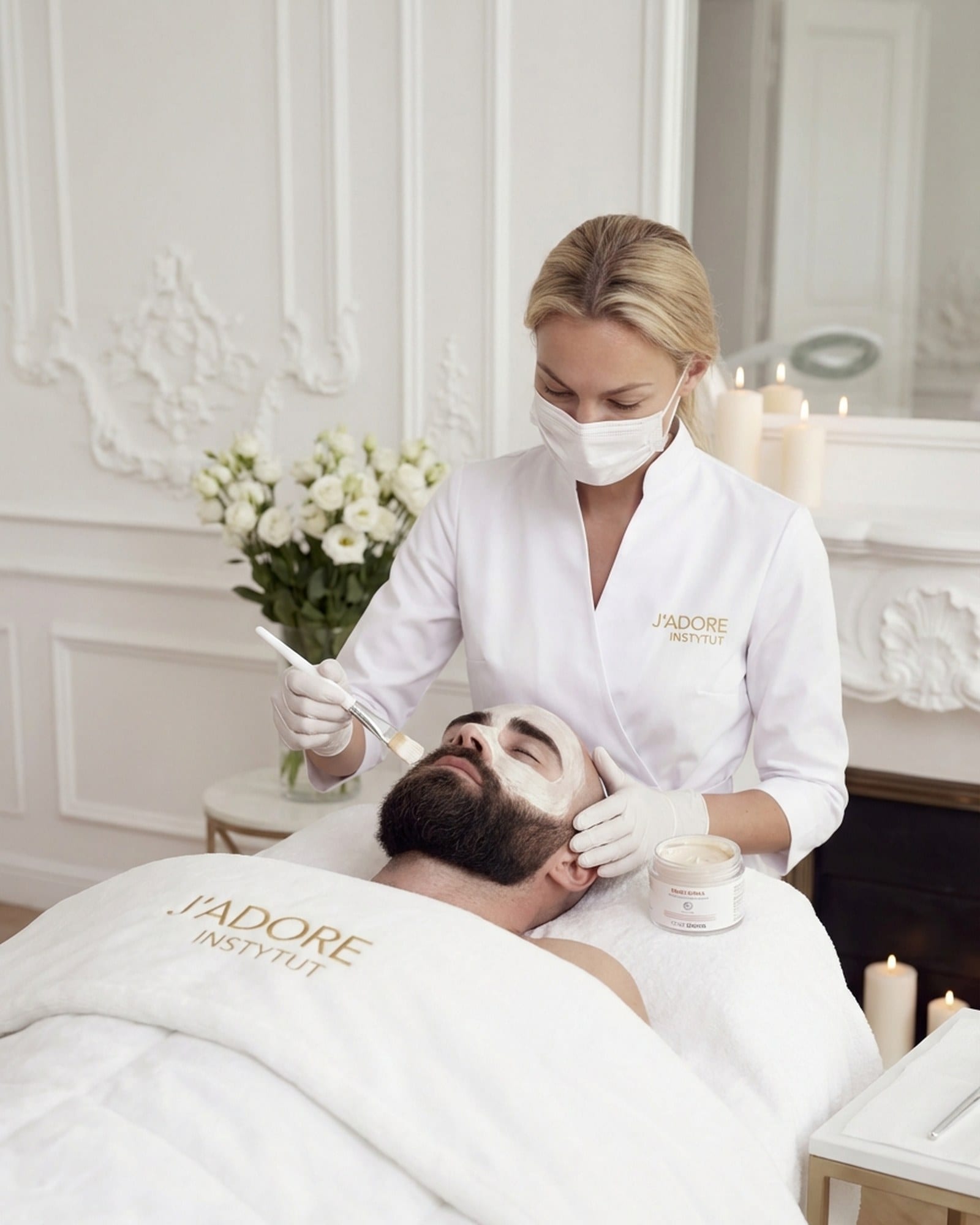
Do not buy a series blindly
A package of visits can be convenient, but it should not replace a plan. Before deciding, ask what goal will be assessed, how the cosmetologist will know the chosen direction benefits your skin, and what they will do if it is not tolerated. A sensible answer includes reassessment before the next application. The number of visits does not depend solely on the product name. Your starting point, healing process, home routine and whether the changes are within the scope of cosmetology all matter.
Aftercare instructions show whether responsibility ends at the till
After the visit, you should know what to use to cleanse and moisturise your skin, how to manage sun protection, what not to add temporarily and when to return to your own active products. The advice should relate to the product actually used and your response during the procedure. “Be gentle for a few days” is too vague, especially if your bathroom contains a retinoid, acid toner, enzyme peel and a cleansing brush device. It is helpful to receive the key points in a format you can return to.
Documentation protects continuity, not only advertising
Ask whether the salon records the product name, treatment area, relevant notes from the consultation, the course of the procedure and your skin’s response. Photographs taken with consent can help with comparison, provided they are taken in similar lighting and without beautifying filters. A photograph does not replace a description. Shine depends on lighting, while redness depends on room temperature. What matters most is being able to reconstruct exactly what was done and why the plan was maintained or changed next time.
View “before and after” materials with caution. You do not know how much time has passed, which other procedures were performed or whether the photographs show someone with a similar concern. Instead of asking whether you will achieve an identical result, ask for a description of the limitations in your case. The answer “we will see after qualification and assess things step by step” is more credible than a categorical assurance of smooth skin after a pre-set number of visits.
Red flags that an elegant interior cannot outweigh
- Booking a “strong peel” without a discussion and without the option to change the procedure on site.
- No questions about retinoids, medication, cold sores, skin damage, sun exposure or previous reactions.
- Claiming that any shine indicates resilient skin and a need for intensive degreasing.
- An unlabelled product, reluctance to name the manufacturer, or preparing a blend without explaining its ingredients.
- Treating pain, intense burning or heavy peeling as proof that the treatment is effective.
- Selling a full series before assessing the skin and without criteria for reassessment.
- Promising to remove deep scars, the causes of acne or discolouration without any caveats.
- No written aftercare instructions and no information on how to get in touch after an unexpected reaction.
One awkwardly phrased answer does not always rule out a salon. What matters is the whole process and willingness to clarify. However, if a salon consistently avoids questions, presents caution as an obstacle and promises results without assessing your skin, choose another place. With a chemical peel, a comfortable conversation matters in practical terms. You will find it easier to report stinging, mention a retinoid you have used and call for advice when you do not fear being dismissed.
Pyruvic peel in Krakow — local, but guided by the same criteria
You can find treatment and booking information on the pyruvic peel in Krakow page. J’ADORE INSTYTUT is located at Karmelicka 45/2B, 31-128 Krakow. The salon is open Monday to Saturday, from 8:00 to 20:00. The location makes appointments easier for people from the city centre. However, the address does not determine the quality of qualification. You should still have a full consultation and allow the cosmetologist to change the initial choice.
You can bring photos of your cosmetics or a written routine to your consultation. Bring a list of medications and a brief history of previous peels. Also mention planned trips and important events. The more accurate the picture of the past few weeks, the fewer decisions rely on memory and general labels such as “oily skin”. A trustworthy salon is not one that always confirms the treatment selected online. It is one that can calmly explain why it will perform, modify or postpone it today.
Ten questions that help you choose without pretending to be a specialist
- 01
Do you assess the skin without make-up before the treatment?
You are looking for a genuine assessment and the option to change the plan, not mandatory confirmation of your booking.
- 02
What in my skin condition supports choosing a pyruvic peel?
The answer should address visible features and your goal, not one word from a form.
- 03
What could make you decide not to use it today?
The salon should be able to define the limits and not treat postponement as a failure.
- 04
Which product exactly do you use?
The full name, manufacturer and a clear label should not be concealed.
- 05
Who will perform the procedure?
Find out the role of the person in charge and make sure they conduct the consultation.
- 06
How do you monitor the reaction during the treatment?
Observing the skin and communicating matters, not only measuring the time.
- 07
Which sensations should I report immediately?
Clear instructions make it easier to distinguish expected discomfort from a warning sign.
- 08
What are the realistic limits of the result for my concern?
An honest answer also includes what the peel will not change.
- 09
What will I receive in writing after my appointment?
The recommendations should cover skincare, protection and returning to active ingredients.
- 10
How can I get in touch if I have an unusual reaction?
Aftercare requires a clear contact channel and information on when to use it.
You do not need to ask every question word for word. Treat them as a filter: can the person you are speaking to connect your skin condition, the product, the procedure and aftercare into one logical process? The best answer is not always “yes, we will do it”. Sometimes it is: “let us calm the barrier first”, “consult this change with a dermatologist” or “let us reschedule after your trip”. Willingness to decline is often what separates qualification from selling a name from the price list.