Why a razor leaves a shadow — within hours
Shaving with a razor works on one simple principle: the blade cuts the hair at skin level or slightly below it. That's all a razor can do — it only reaches as far as the blade can go. The hair beneath the skin stays untouched and keeps growing.
This is where the underarm problem starts. A hair cut by a razor has a sharp, blunt end — like a stick cut with secateurs. It's thick, hard and clearly visible, even before it's grown back above the skin's surface. That's the dark shadow that appears within hours of shaving — almost instantly with darker hair. It's not about hair length, but about its cross-section: a blunt, perpendicular cut catches more light than a naturally tapered tip.
Underarm skin has another feature that complicates matters: it's thin and richly innervated, and it folds with every arm movement. A razor blade needs a taut, flat surface to work properly. Where the skin folds, it's easy to get micro-injuries, chafing and stinging irritation — especially where the skin gathers into creases.
What sugaring actually does — and why the mechanics differ
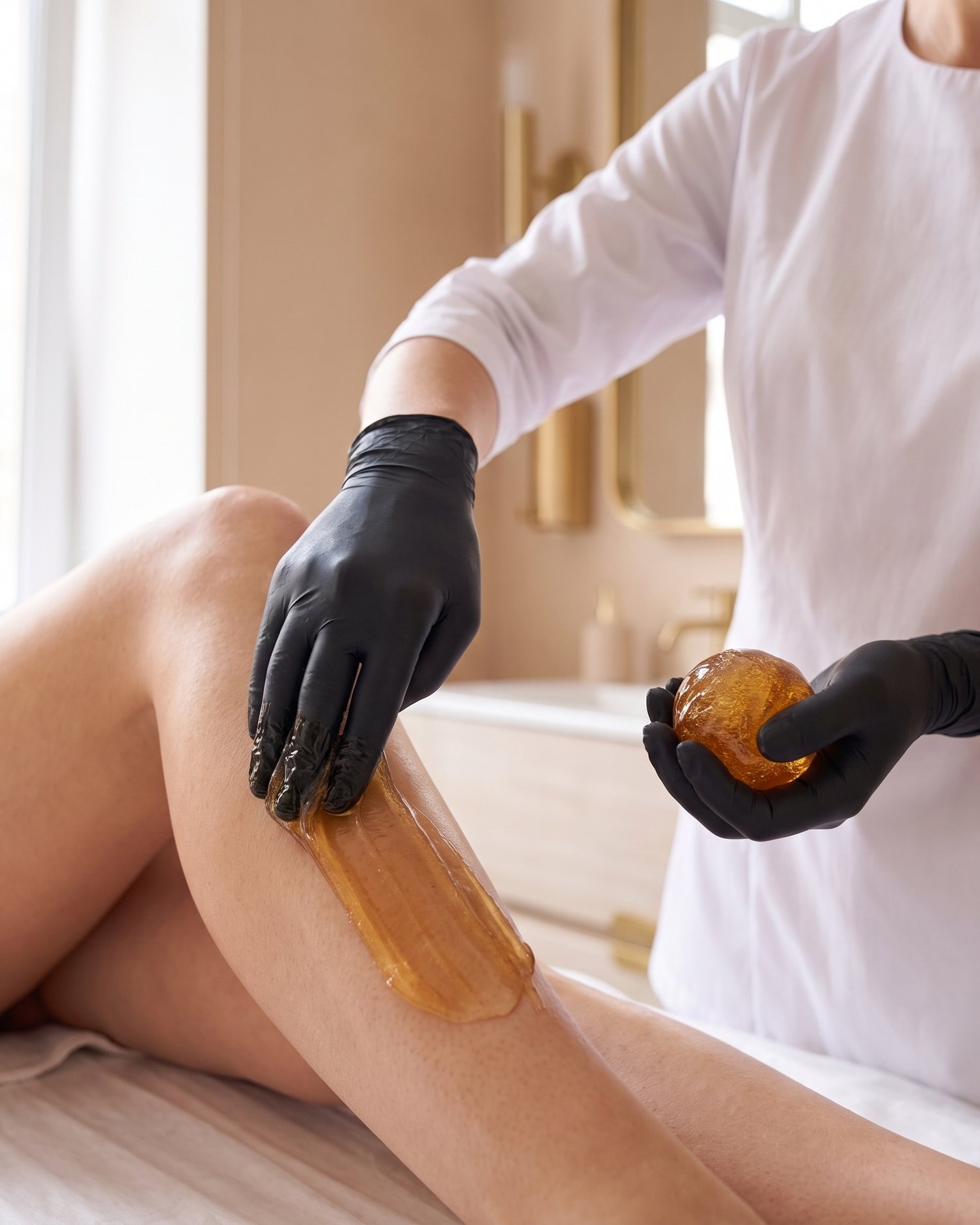
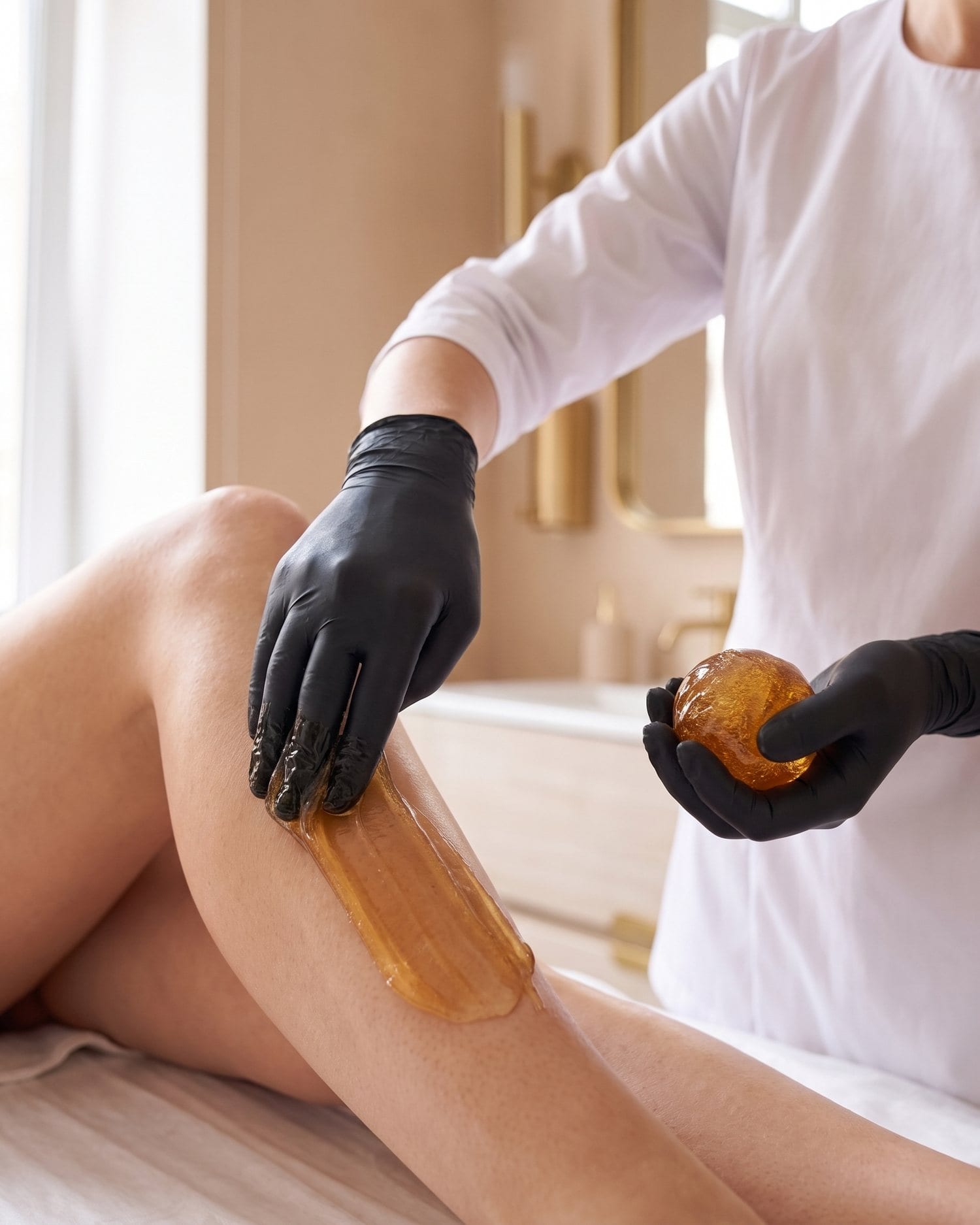
Sugar paste works on a completely different principle than a razor. Instead of cutting the hair, it wraps around it and pulls it out of the follicle, root and all. The difference is similar to pulling weeds out by the root versus mowing them at ground level — the results after a few weeks are incomparable.
- 01
Paste bonds to the hair, not the skin
Because of its composition, sugar paste has an affinity for keratin — the protein that makes up hair — rather than for the epidermis. Applied against the direction of growth, it wraps around each hair and works its way between the hair's cuticle and the follicle.
- 02
Removal in the direction of growth
The actual pull happens in the direction the hair grows — reducing the risk of it snapping and increasing the chances it comes out with the root. This is the opposite of wax hair removal, which pulls against the grain.
- 03
The hair leaves the follicle
When the hair comes out with the root, the follicle is empty for a while. This means regrowth appears later — not in days, but in weeks. And it grows from scratch, with a naturally tapered tip.
- 04
The skin after the treatment — what's left
Sugar paste has a mild exfoliating effect — it removes dead skin cells along with the hair. The skin may look slightly reddened for a while (blood flows to the follicles), but it settles down quickly. No blunt, sharp hair tips means no shadow.
Ingrown hairs — where they come from, and why shaving encourages them
An ingrown hair is a hair that, instead of emerging, curls back under the skin and grows in the wrong direction. The result is red bumps, inflammation, and sometimes painful, pus-filled lesions. In the underarm area — because the skin folds and hair grows in multiple directions — this is a particularly common problem for people who shave regularly.
The mechanism is simple: the sharply cut hair tip grows upward but meets resistance — dead skin cells that have already "sealed over" the follicle. Instead of breaking through this thin layer, the hair curls sideways or inward. The sharper the tip (as after shaving), the more likely this is to happen. The more micro-injuries shaving causes, the faster the epidermis thickens — and the more tightly the follicle seals shut.
Shaving with a razor
what contributes to ingrown hairs
- A sharp, perpendicular hair tip
- Micro-injuries and minor skin inflammation
- Fast regrowth — before the epidermis softens
- Thickening epidermis with frequent shaving
Sugaring
how it changes this dynamic
- Hair removed with the root — grows from scratch, with a natural tip
- Paste exfoliates the epidermis — the follicle is less "sealed"
- Longer intervals between sessions — the skin recovers
- Regular sugaring can gradually weaken the follicle
Is underarm skin a special case — and what does that mean for the treatment?
Underarms are one of those areas where hair removal requires care and experience — whatever the method. The skin here is thin, prone to redness and folds with every arm movement. Hair often grows in several different directions within a small area — which means, with sugaring, our specialist applies the paste in stages, adjusting direction section by section.
After sugaring, the skin may look slightly red for a few hours — a normal effect of blood flow to the follicles, which fades on its own. For the first 24 hours, avoid heavy sweating, saunas and tight-fitting clothing. For many people, the skin stays smoother for the rest of the day than after shaving — and stays that way for several weeks.
How regular treatments change the skin over time
A single sugaring session gives different results than sugaring done regularly over several months. This matters, because many people compare their first experience with years of shaving and draw conclusions from that — which is a bit like judging a gym after one visit.
- Hair grows finer. When a hair follicle is regularly emptied by removing the hair at the root, regrowth often becomes finer and less noticeable over time. This is the result of the follicle itself gradually weakening.
- Regrowth is slower. The hair has to grow from scratch — from the root to the skin's surface. With regular sugaring, the intervals between sessions can naturally lengthen.
- The shadow disappears. New hair, grown after removal at the root, has a naturally tapered tip. There's no blunt, hard end showing through the skin. Underarm skin can look noticeably lighter — even with dark hair.
- Ingrown hairs become less common. Regular sugaring combined with gentle exfoliation between sessions helps keep the follicles "open". The skin is less likely to seal over a growing hair.
Sugaring vs other methods — what's worth knowing before you choose
Sugaring isn't the only hair removal method that takes the hair out at the root — but it has several qualities that make it especially well-suited to sensitive underarm skin. The comparison below covers mechanics and skin effects only — we're not ranking methods that work well for different people.
Shaving with a razor
fast, but short-lived
- Instant result, available at home
- Shadow within hours
- Risk of irritation and ingrown hairs
- Needs repeating every few days
Sugaring
slower, but deeper
- Hair removed with the root — longer-lasting results
- No blunt end means no shadow
- Paste exfoliates rather than irritates the epidermis
- Long-term results with regular sessions
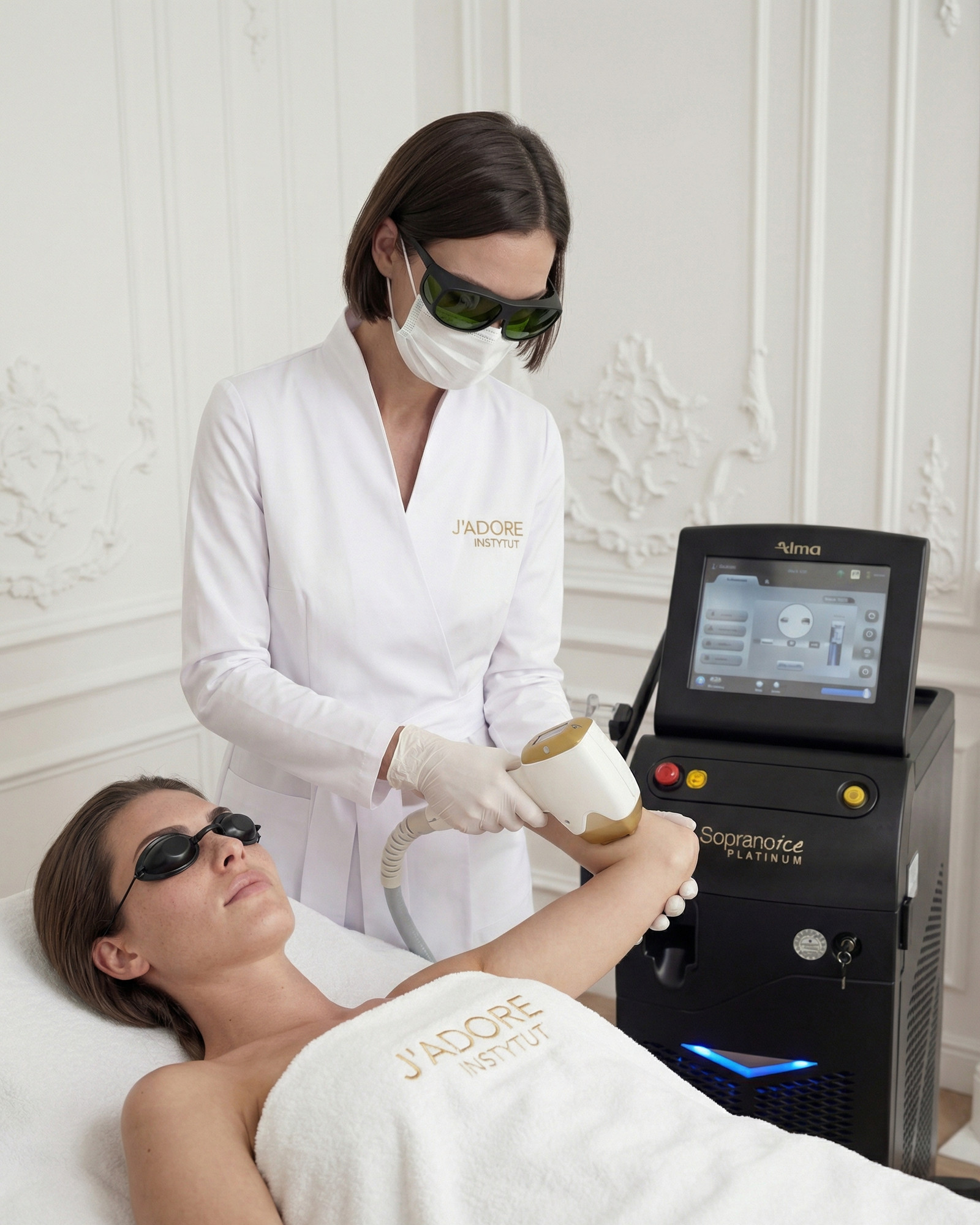
Laser hair removal is a separate category — it targets the follicle to remove hair permanently. If you're considering a permanent solution to shadow or ingrown hairs, it's worth thinking of it as a longer-term goal. Sugaring and laser aren't mutually exclusive at different stages of life — many people use sugaring first and later complement the results with laser.
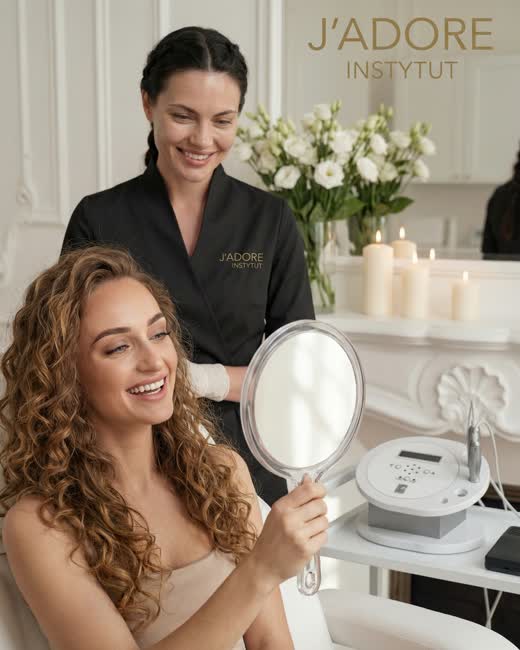
Sugaring + enzyme peel
Regular exfoliation between sugaring sessions helps keep hair follicles clear and reduces ingrown hairs. Enzyme peels work more gently than mechanical exfoliation — suitable for underarm skin.
Sugaring + laser hair removal
Sugaring can be used between laser sessions, while regrowth is still visible. After completing a laser series, many people use sugaring to manage any remaining regrowth.