What actually happens in the hair follicle
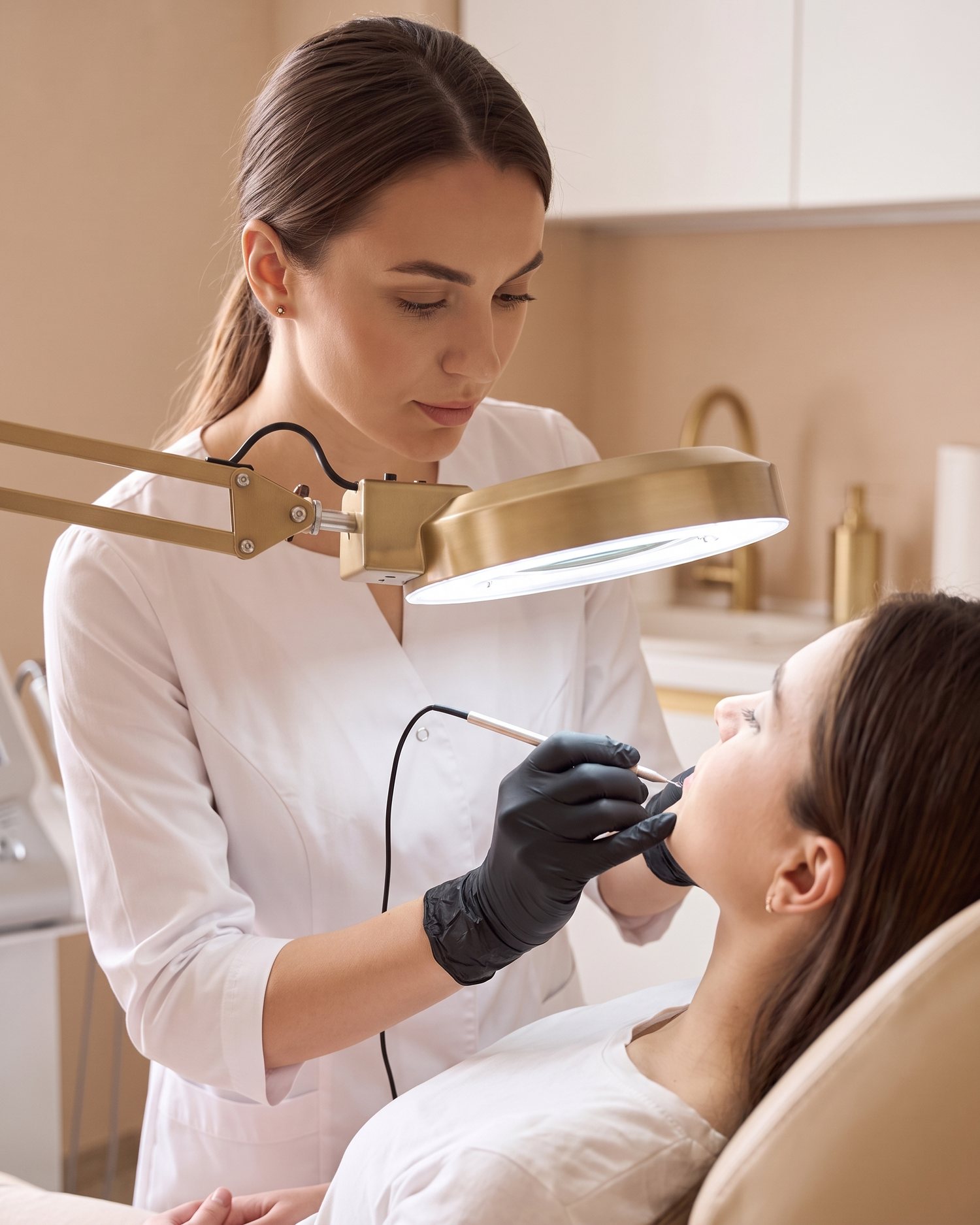
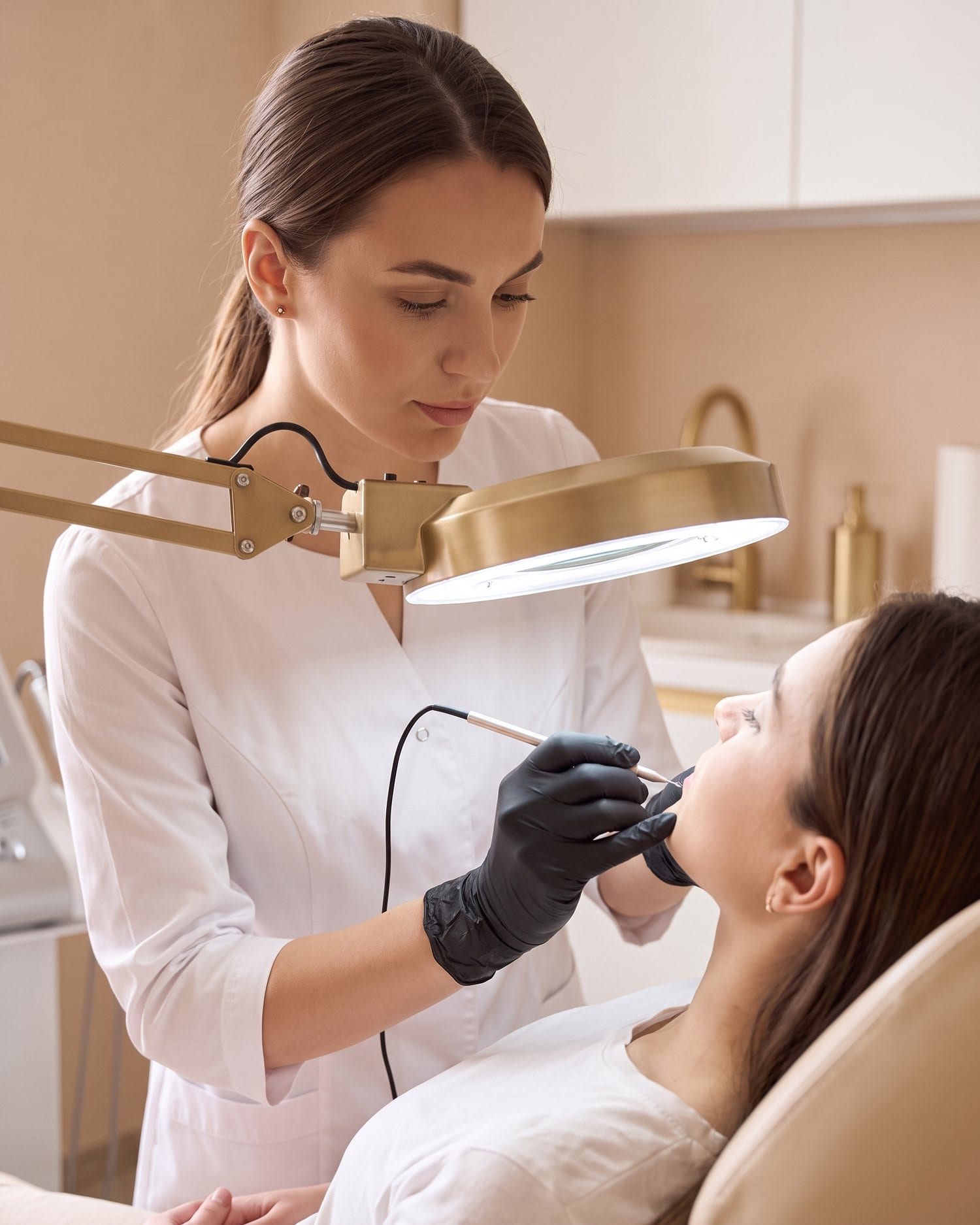
To understand the sensations during electrolysis, you need to understand the mechanism. Your specialist inserts a very fine probe along the hair channel, down to the hair follicle — the small structure deep in the skin that produces the hair. A short pulse of energy follows (depending on the method chosen: galvanic current, high-frequency current, or a combination of both), which permanently destroys the follicle's stem cells. A hair with no healthy follicle simply doesn't grow back.
This is the crux of it: the surface of the skin isn't the target — the work happens deep in the follicle. That's why electrolysis succeeds where other methods fail: it reaches the source of growth, not just the hair itself. But it's also why a certain sensation occurs: the energy pulse reaches an area rich in nerve endings.
It's worth knowing that three different electrolysis methods produce slightly different sensations, because they work differently. The galvanic method (direct current) works more slowly and tends to feel gentler, but is also slower overall. Thermolysis (diathermy, high-frequency current) is faster but more intense. Blend, which combines both, balances effectiveness with a compromise on sensation — and is often chosen for trickier cases, such as curly or deeply rooted hairs.
Where the sensations come from and how to describe them
The sensations during electrolysis are real — there's no point downplaying them. But it's worth describing them precisely, because "pain" means very different things to different people. Most clients describe the sensation as a sting or warmth at the point of the pulse — somewhere between a prick and a light burning feeling. It lasts a fraction of a second per hair.
- A sting — brief, localised, appears exactly at the point of the pulse and fades almost instantly
- Warmth or a burning feeling — noticeable for a moment after the pulse, especially with heat-based methods
- Tingling — some people feel a cumulative sensation after a series of pulses in one area
- Mild skin redness after the treatment — normal, and it usually fades within a few hours
Importantly: the sensations are brief. One session involves dozens or hundreds of pulses, but each one lasts a fraction of a second. Many people say that over the course of a session, they "settle into a rhythm" and stop focusing on each individual pulse — it becomes background rather than the centre of attention.
What affects the intensity of sensations
The only honest answer to "how much does it hurt" is: it depends. And it depends on a few specific things, some of which you can partly control.
More sensitive areas
sensations are usually more intense
- Upper lip and chin area
- Bikini and groin
- Underarms
- Nose and ear area
Gentler areas
sensations are usually milder
- Legs and lower legs
- Arms and forearms
- Back and décolletage
- Brows (when correcting and thickening)
- Phase of your menstrual cycle — skin is usually more sensitive around menstruation; it's worth scheduling sessions mid-cycle
- Skin condition — well-hydrated, well-prepared skin reacts more gently than dehydrated or irritated skin
- Your specialist's experience — the precision of inserting the probe along the hair channel directly affects the sensation; incorrect insertion means more discomfort without a better result
- Method and settings — your specialist adjusts the intensity based on your feedback; you can always ask for a change
- Your state on the day — a tired, stressed or dehydrated person feels more; if you're having a hard day, mention it before the session
What a realistic series of sessions looks like
This brings us to the second big topic: how many sessions? Here too, honesty matters, because electrolysis isn't "one treatment and done". It's a commitment to a series — and understanding why makes the whole process much easier to handle mentally.
- 01
Consultation and first session
Assessment of hair growth, choice of method, and scheduling. The first session tends to be the longest — this is when your specialist maps the area and calibrates the settings to your skin and sensations.
- 02
Sessions every 2–4 weeks (intensive phase)
The most frequent visits. Each session treats the hairs that have just entered the active growth phase. Many people notice a clear thinning of hair after just a few visits.
- 03
Sessions every 4–8 weeks (stabilisation phase)
Hair growth is becoming sparser. Sessions get shorter, as your specialist has less to work on. The gaps between visits naturally lengthen.
- 04
Follow-up sessions (maintenance phase)
Occasional visits to check for new hairs emerging from previously dormant follicles. For many people, this phase can mean a single session every few months, or even less often.
The overall length of the series depends on the area, hair density and individual biology. For small areas (upper lip, brows), a few to a dozen or so sessions is often enough. For larger areas (legs, back, bikini), the number can be higher. What to realistically expect: gradual, visible thinning of hair after successive sessions, not sudden disappearance after the first one.
Electrolysis vs laser — why it's worth knowing the difference
The question about electrolysis very often comes paired with a question about laser: "Wouldn't laser be better?" It's a good question — because both methods remove hair, but they work differently and suit different situations.
Electrolysis
electric current, hair by hair
- Recognised as permanent hair removal
- Works on every hair colour and skin type
- Precise — suitable for the face, brows and sensitive areas
- Slower — sessions can take longer over larger areas
Laser hair removal / IPL
light-based, targets hair pigment
- Fast — covers large areas at once
- Ideal for dark hair on light skin
- Usually less sensation over large areas
- Described as "permanent reduction" (not permanent removal)
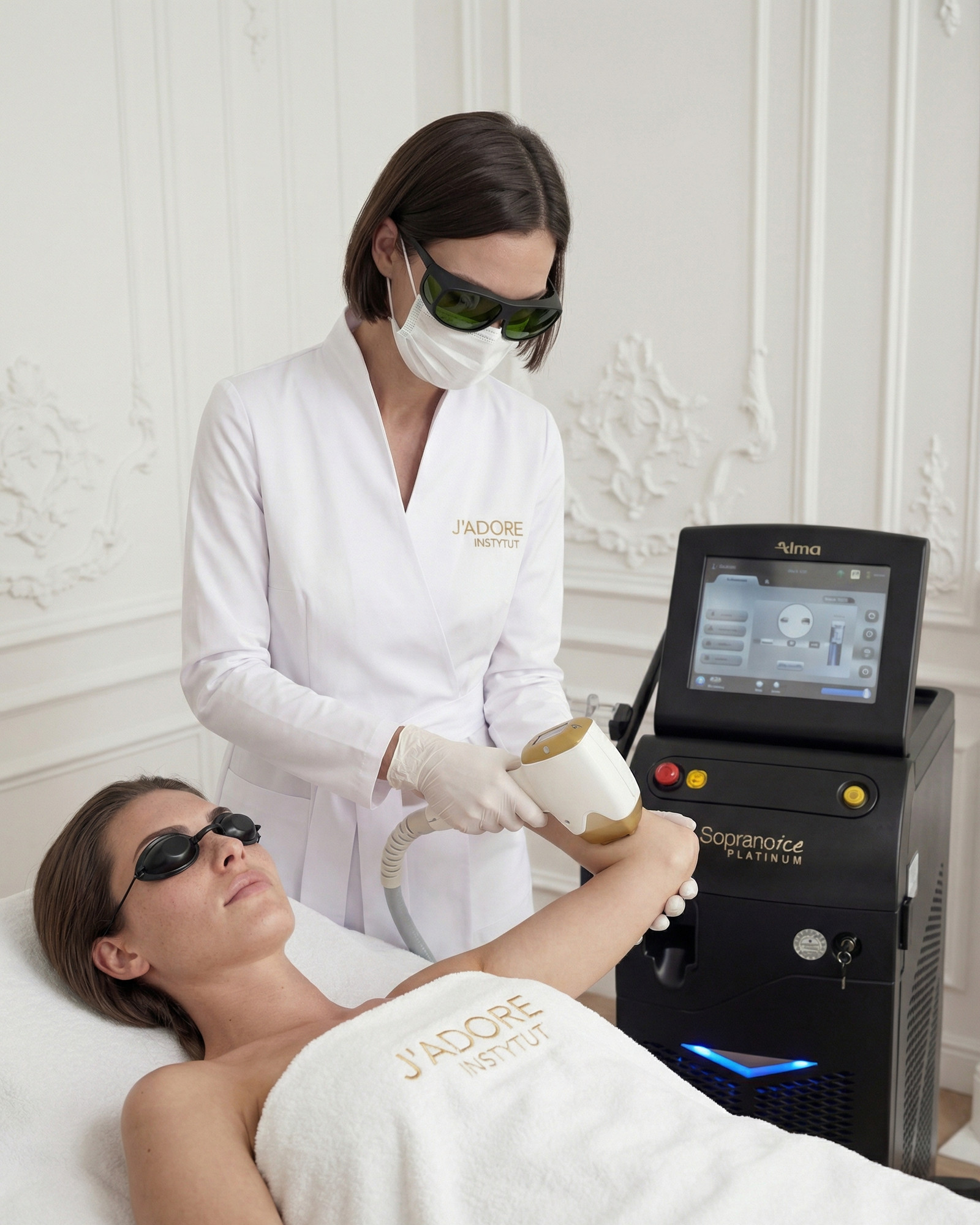
In practice, the two methods can also complement each other: laser quickly reduces hair volume over a large area, while electrolysis finishes off what laser couldn't reach — light hairs, stubborn individual follicles, precise zones. For many people, this combination proves the most time-efficient.
What to do before and after your session
Good preparation and proper aftercare genuinely affect both the comfort of the treatment and how quickly your skin returns to normal. It isn't complicated, but it's worth knowing.