1. "What problem do you want to solve and how will you assess it?"
A good consultation starts with the goal: heavy legs, periodic retention, cellulite texture, laxity or one-off preparation before an event. Each goal requires a different variant and a different assessment method. An answer like "wraps slim everything" means there is no plan.
A cosmetologist should distinguish between fluid shifts and fat tissue reduction. A faster drop in circumference after drainage is not local fat burning. If a place guarantees permanent centimetres after one session, it is building its offer on the measurement of temporary retention.
2. "Which symptoms disqualify me from the treatment today?"
The salon should ask about pregnancy, circulatory diseases, thrombosis, phlebitis, varicose veins, diabetes, sensory disorders, allergies, wounds and active skin lesions. The list is not a formality. Pressure, occlusion and active ingredients may be inappropriate for some of these problems.
Sudden unilateral swelling, calf pain, clear redness, heat in the limb or shortness of breath require urgent medical assessment. A responsible salon does not try to "drain" such a leg first. Refusing the treatment is then proof of competence.
3. "Why are you choosing this product line and not another?"
Arosha has variants aimed at different goals, including drainage, contouring and firming. Ingredients can provide a sensation of cold or heat and behave differently under occlusion. The cosmetologist should link the choice to the symptom, skin condition and contraindications.
It is not enough to answer that a given variant is the "strongest". Intensity is not a synonym for effectiveness. For reactive skin, skin that has been recently depilated or is prone to irritation, a milder plan may be the only reasonable one. Ask for a test if you have allergies or are unfamiliar with the preparation.
- What is the main active ingredient?
- What sensation can I expect?
- What will you do in case of burning or itching?
- Can the variant be changed during the series after re-assessment?
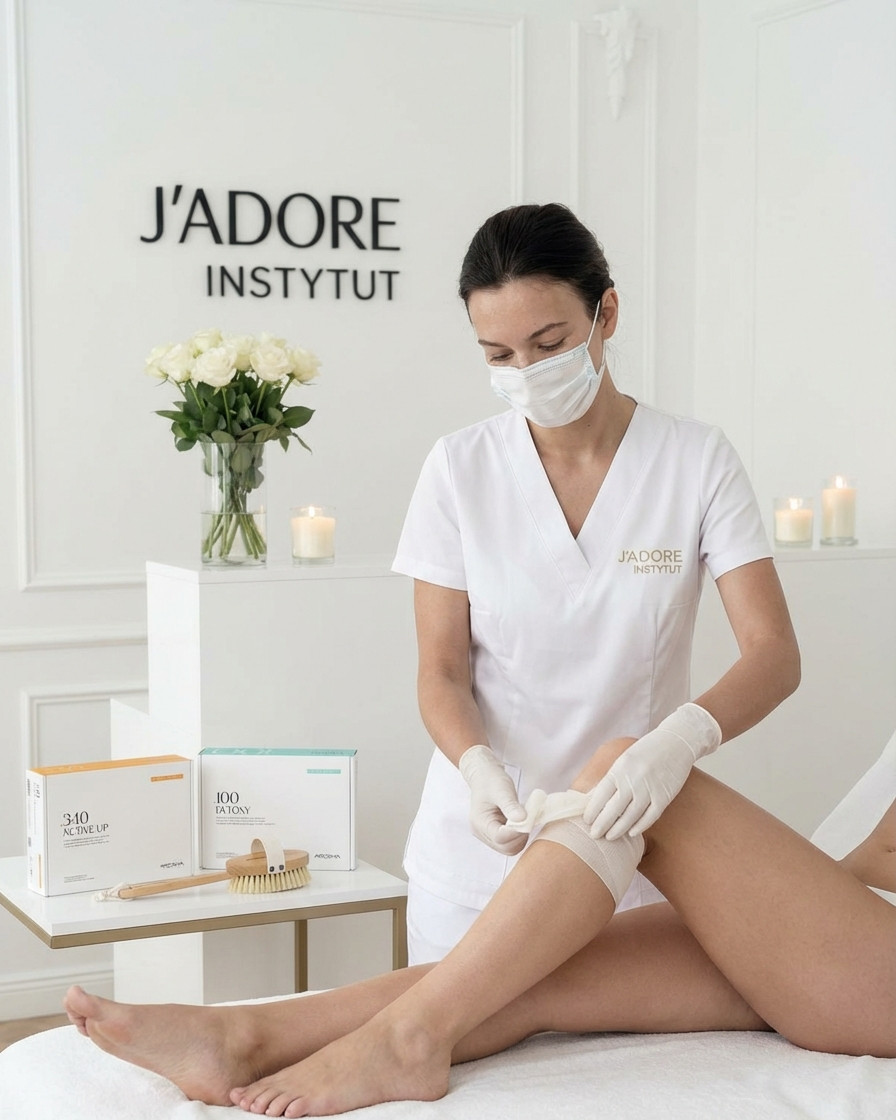
4. "What do you do with the skin before wrapping and when do you skip the peel?"
Preparation may include gentle cleansing, brushing or a peel. It is not mandatory proof of quality. When the skin has micro-injuries, irritation after shaving, recent depilation, eczema or intense redness, mechanical friction can increase the reaction to the preparation.
A good answer includes the possibility of skipping the stage. A salon that performs the same intensive peel on every person works according to a menu, not according to the skin. Also, ask if the preparation is included in the service and how it affects the time and scope.
Flexible protocol
skin decides
- assessment before peeling
- possibility of skipping
- gentle preparation
- reaction monitoring
Rigid protocol
menu decides
- peel always and strongly
- no questions about depilation
- occlusion on irritation
- no contingency plan
5. "How do you control the pressure during the treatment?"
Wraps should be applied evenly. The pressure is meant to support the ritual, not cause pain, numbness, bruising or clear whitening of the toes. The cosmetologist should check for comfort after wrapping and return to it during the rest period.
An answer that "it must press hard to work" is worrying. Tighter does not mean better. The person performing the treatment should know how to unwrap the bandage quickly and when to stop. Leaving the client alone without the possibility of calling for help is a poor standard.
6. "Who performs the treatment and how do they react to a change in health status?"
The brand name of the wraps does not replace the competence of the person who qualifies, wraps and observes the reaction. Ask about training, experience with vascular problems in the interview and escalation rules. A cosmetologist does not diagnose a disease, but must recognise a situation outside the scope of the service.
Qualification must be repeated. A new medication, pregnancy, surgical procedure, injury, worsening of varicose veins or infection can change the decision between sessions. The salon should not treat the first-day questionnaire as an eternal consent for all subsequent visits.
7. "How do you measure the result so as not to confuse drainage with fat loss?"
Circumference depends on the time of day, hydration, salt, cycle, temperature and time spent sitting. Measuring in the evening before the session and immediately after removing the wraps can show a fluid shift. This is real, but it does not have to be permanent. An honest salon calls this effect a drainage effect.
During a series, photos and measurements should take place under similar conditions. The same tape placement, position, light, time and interval from the treatment limit manipulation. Ask if you will see results also after a few days, not only on the couch.
- Do not accept a guarantee of a specific number of centimetres.
- Ask how long the lightness lasts after the first session.
- Assess skin texture in the same light.
- Record daily symptoms, not just the measurement after the ritual.
8. "How many sessions do you propose and when will the plan be shortened?"
Wraps can be a single ritual or part of a series. The number of visits depends on the goal and the response. The largest package is not a diagnosis. Ask after how many sessions a formal assessment will take place and what must happen to continue, change the variant or finish.
A good answer allows for shortening the plan. If the goal has been achieved, the response is weak or a contraindication has appeared, another wrapping does not become necessary just because it has been paid for. Check the validity of the package and the rules for freezing it in case of illness.
- 01
Qualification
Goal, symptoms, contraindications and line selection.
- 02
Reaction test
The first session shows your tolerance to pressure and the product.
- 03
Mid-point assessment
Comparison of comfort and skin condition under consistent conditions.
- 04
Continue or stop
A decision based on results, not the number of vouchers.
9. "What do you combine Arosha with and why?"
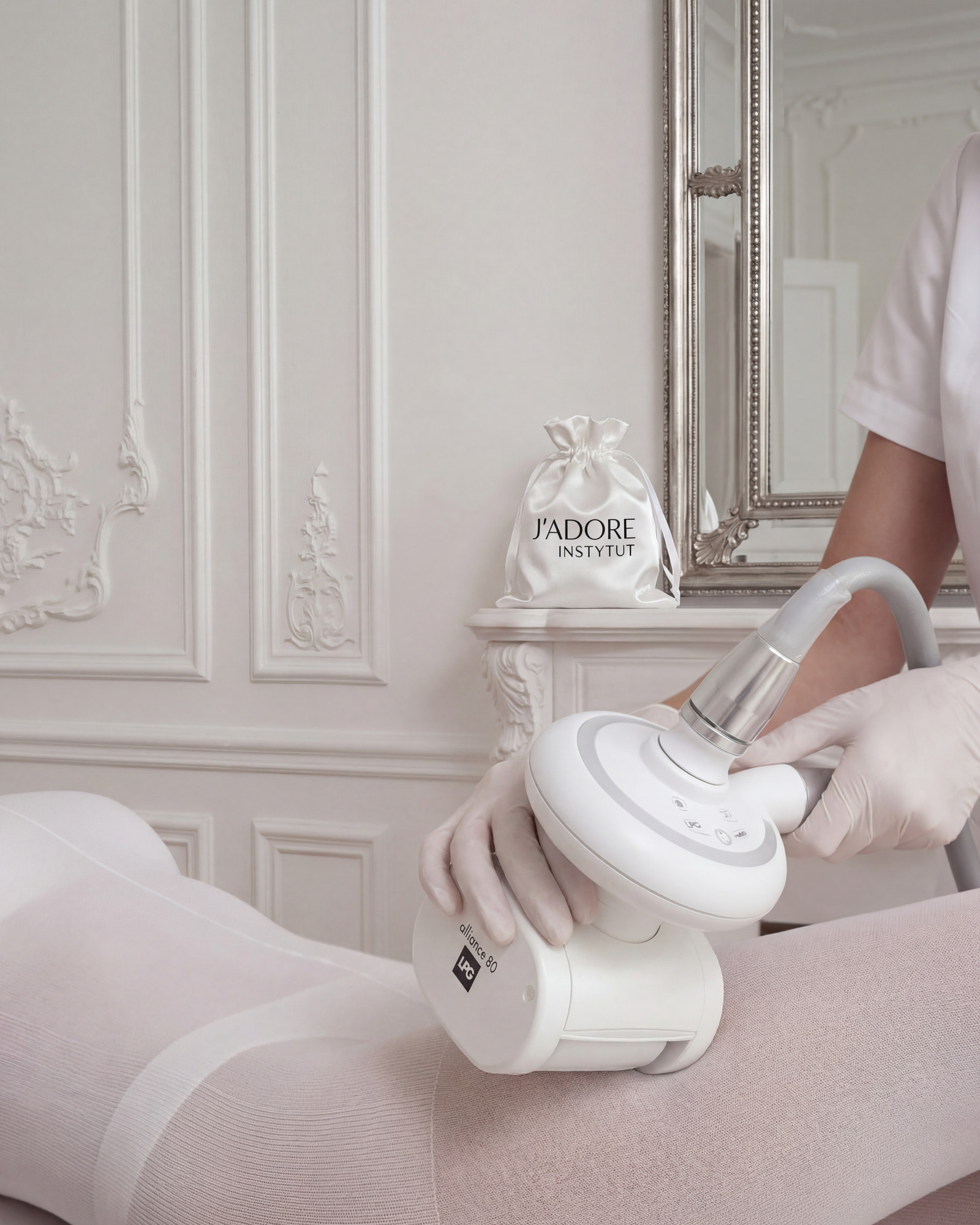
Your plan may include drainage, endermology or other body treatments. Each should have a distinct role. Drainage addresses fluid retention, mechanical work can target tissue and texture, and Arosha adds pressure and cosmetic ingredients. More methods do not guarantee a greater effect.
Ask about the order, intervals and safety criteria. If the answer is limited to "they work better together", the salon has not explained the plan. For reactive skin and vascular issues, accumulating stimuli may be a poor choice.
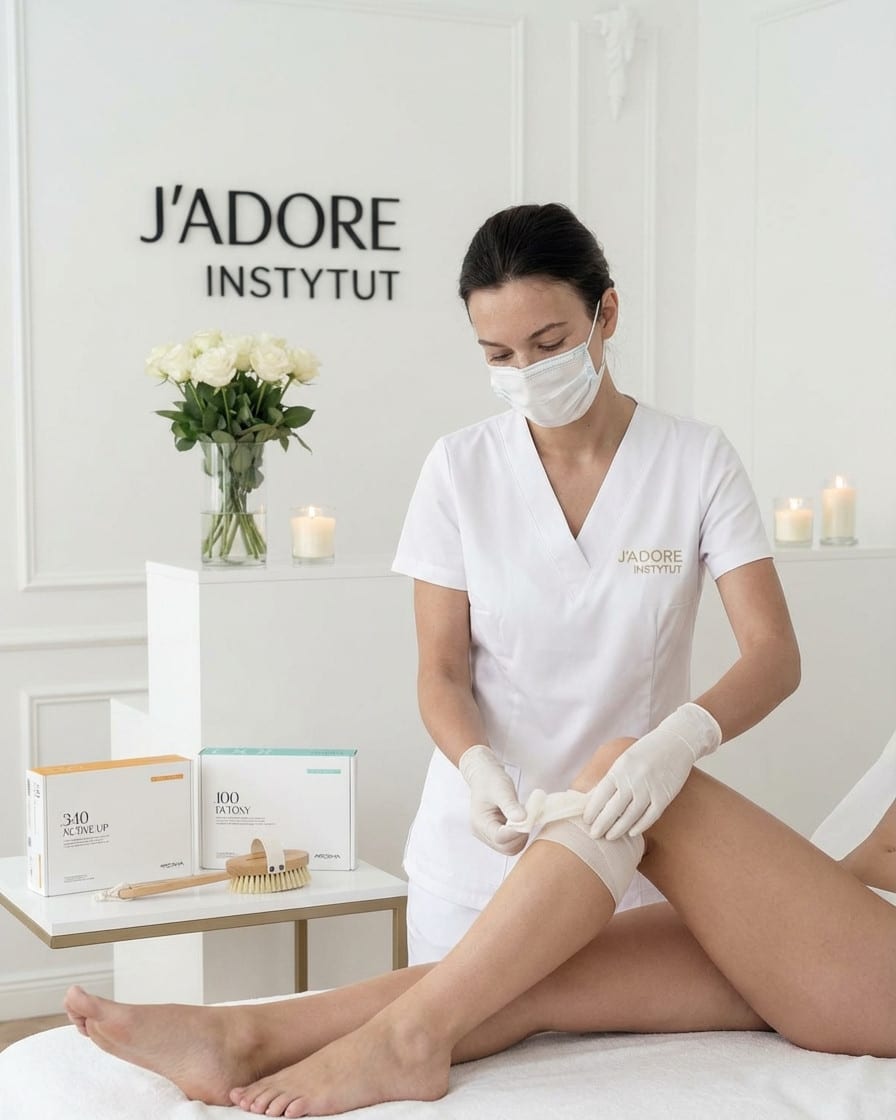
10. "What aftercare will I receive and who do I call in case of a reaction?"
After the treatment, recommendations should be simple and tailored: skin care, activity, hydration, monitoring reactions and avoiding additional irritation. The salon should indicate a contact channel in case of intense itching, rash, pain or persistent sensory disturbance.
You do not automatically need an extensive set of cosmetics. You need to know what not to do: aggressive brushing, warming preparations on irritated skin and wrapping yourself in foil at home. Product sales must not replace care.
- Ask for written aftercare instructions.
- Establish which symptoms are normal and which are alarming.
- Check the possibility of contact after leaving.
- Do not agree to downplaying pain or a rash.
11. "Can I see the composition and preparation date of the materials?"
Preparations should be stored and used according to instructions, and materials must be clean and prepared for the individual. You have the right to know the name of the line and the composition, especially if you have allergies. An open container without a label or a preparation poured into an anonymous bottle makes it difficult to assess a reaction.
Hygiene includes hands, surfaces, textiles and the way bandages are handled. The scent of perfume and elegant decor do not cover up a lack of order. If something raises doubts, ask for an explanation before application, while you can still calmly opt out.
12. "What will this treatment definitely not do?"
The most credible answer includes limitations. Bandages do not slim the entire body, do not remove fat cells, do not treat vein diseases and do not provide permanent centimetre loss after one visit. They can support a feeling of lightness, fluid retention and skin appearance within a well-chosen plan.
If the salon answers without resistance and proposes a different path when the goal goes beyond the method, that is a good sign. If every question ends in the sale of a larger package, you are not dealing with a qualification. You are dealing with a sales funnel.
Verify the answers in practice during the first session.
Even a good phone conversation does not replace observation on-site. Pay attention to whether the questionnaire is actually discussed, whether the preparation has a label, whether the skin is examined before the peel and whether the practitioner remains available during the rest period. The first session is a test of the standard, not just the product.
After leaving, note your sensations after two hours and the next day. The feeling of lightness may be pleasant, but also check for itching, burning, uneven pressure, dryness and the return of swelling. The salon should accept this information without being defensive and use it to adjust the next session.
Do not judge solely by the staff's politeness. Equally important is the willingness to say "no": no extra peel, no stronger variant, no treatment today. Boundaries are part of quality. A place that always fulfils the client's wish despite contraindications is not flexible — it is risky.
Before purchasing a package, read the terms regarding validity, location changes and health breaks.
Warsaw offers a choice between two locations, but a package does not always have to be valid in both. Check this before payment, as well as the availability of a specific line. Ask about freezing the series in case of infection, new medication, pregnancy, injury, vascular changes or an allergic reaction. A safe break should not penalise the client with the loss of all visits.
Also establish whether unused sessions can be exchanged after re-qualification or what the refund policy is according to the regulations. This is not about negotiating an exception after a problem has occurred, but about an informed purchase. A salon confident in its process can clearly explain the rules without pressure for immediate payment.
Warsaw: ask the same questions at Żelazna and at Mińska.
J'ADORE INSTYTUT operates at Żelazna 59 and Mińska 29A/46. You can check the scope and booking on the Arosha bandage page in Warsaw. When booking, state your goal, the area, the duration of the swelling, illnesses, medications, varicose veins and allergies. Confirm the availability of a specific line for your chosen location.
Do not choose a salon based on the most spectacular photo of legs. Choose a place that knows how to name the mechanism, check contraindications, control pressure and stop a series without defending the sale. In body wrapping, the answer "Arosha will not do that" is one of the strongest proofs of quality.
Write down the answers before your visit. It is easier to compare facts than a good impression after a conversation.