First, define the decision: shape, longevity, skin or lack of hair.
A person saying "I don't know if I should get my brows done" may have several different questions. One does not know the shape they feel good in. Another likes their makeup but fears the healing process. A third has oily skin and wants to know if thin lines will stay sharp. A fourth notices sudden hair thinning. Each case needs a different first address.
A PMU consultation is most effective where the question concerns the feasibility of pigmentation: technique, shade, mapping, old work and contraindications. It does not replace a week-long test of a new look or diagnostics for sudden hair loss. Before you choose an appointment, formulate one sentence: "I want to check if...". The last part of the sentence usually indicates the right method.
Also, separate the need for convenience from the need for correction. If you draw the same arch every day and want to shorten your morning, the starting point may be to fix a known direction. If you are trying to use pigment to fix a drooping eyelid, strong lip asymmetry or a scar changing the skin texture, a consultation must first set the boundaries. PMU can visually tidy up some features, but it does not change tissue structure or movement.
An in-person consultation wins when you need to examine the skin and old pigment.
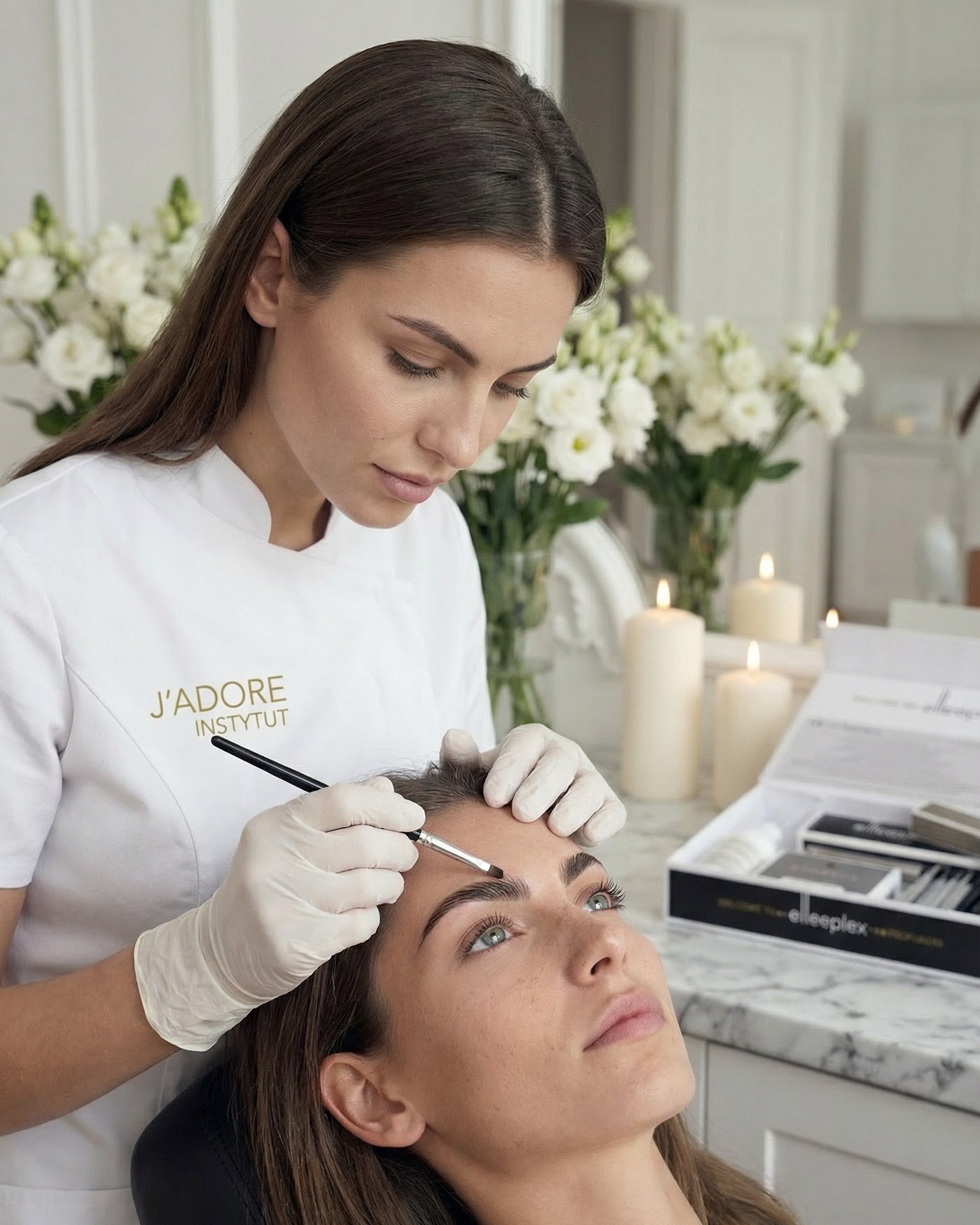
In good light, a linergist sees pores, flaking, redness, scars and colour residues that a phone camera might not capture. They can check the border of the natural lip vermilion, the direction of the hair and the behaviour of asymmetry while speaking and smiling. A design drawn on the face can be viewed from several angles, at rest and in motion. A description in a message cannot provide this.
Choose an in-person meeting before your first PMU, when correcting someone else's work, after a significant change in your skin or when you are wavering between techniques. Its result should be a plan, not pressure for immediate tattooing. If you are not ready, you can stop at the drawing and recommendations. Lack of interference allows you to verify your decision calmly.
Consultation with a linergist
assesses the possibility and design of future PMU
- analysis of features, skin and existing pigment
- mapping on the face and choice of technique
- health interview and healing plan
- possibility of advising against or postponing the treatment
Reversible trial
checks how you feel with a new form
- pencil makeup, tint or henna
- observing the shape in everyday situations
- no information on pigment retention in the skin
- easy change of direction without removing PMU
Trial makeup answers the question of whether the new face is still you.
The drawing made during a consultation is quick and done in focus. Trial makeup can be worn all day: see it in the bathroom, office, car and in a photo without a filter. This is a better path when the biggest fear concerns the expressiveness or change in the character of the face, rather than the technical possibility of pigmentation. It especially helps people who have barely highlighted their brows or lips before.
A cosmetic trial has limits. The product lies on the surface and may have a different texture and coverage than healed pigment. It will not show how the shade will behave in the skin or if delicate lines will blur with seborrhoea. It does, however, give important emotional information: whether you instinctively wipe the tail of the brow, whether you feel comfortable with a more defined arch, or whether the lip contour feels alien after a few hours.
Henna and tint allow you to test the form for longer than one evening.
Brow colouring is a good intermediate stage if your own hair creates a sufficient base. A stylist can tidy the line, darken the hair and, depending on the product, leave a temporary trace on the skin. Over the following days, you see if you like the width, intensity and daily presence of a more defined eye frame. The effect gradually disappears, so the change does not involve removal.
This method will not solve large gaps where there is no hair and does not exactly mimic PMU. The colour on the skin behaves differently than pigment after healing, and the arrangement of natural brows limits the possible form. Choose henna or tint when testing a visual change. Choose a conversation with a linergist when you want to determine if a similar direction can be safely made permanent.
Lamination works on the hair, so it is not a replacement for reconstruction.
Lamination changes the arrangement of your own hair. It can visually widen the brow, cover a small gap and show how much volume can be obtained without pigment. It works well when there is plenty of hair, but it grows downwards, crosses over or is difficult to keep in the desired direction. If the result meets the need, permanent interference may prove unnecessary.
With a large gap, scar or missing tail, setting will not create material that is not there. Lamination will also not show how the PMU shade will behave. It is an alternative for a person wanting discipline and visual fluffiness of existing brows; not for someone expecting the recreation of a missing fragment. In such a case, a consultation can compare pigmentation with further styling without promising real hair.
Online advice organises questions but loses out on qualification.
A video call or exchange of photos can clarify the basic differences between powdering, hair-stroke technique, lip pigmentation and eyeliner. It also helps to establish what information to collect, whether old makeup will likely be an obstacle and whether the offer covers the given case at all. For someone living far away, it is a reasonable filter before travelling.
The screen changes colour, contrast and scale. The camera's automatic processing smooths out pores, evens out redness and can hide pigment residues. It is also impossible to reliably assess the texture of a scar or draw a design that you will see in natural proportions. Remote advice can end with an initial direction, but the final qualification should take place face-to-face before breaking the skin.
If you use online advice, take photos by a window, without makeup and automatic smoothing, straight on and from both profiles. Add a close-up and a frame of the whole face, because a detail alone does not show proportions. Describe the date of the previous PMU, any lightening and how your skin usually heals. Even good material will not replace an inspection, but it allows you to avoid an answer based on one dark selfie from the bathroom.
A dermatologist is the first choice for a symptom whose cause you do not know.
Similarly, with retinoid therapy, medications affecting clotting, a tendency for abnormal scarring or recurring cold sores, you must combine competencies. The doctor is responsible for the disease and treatment, the linergist for the design and aesthetic execution. Do not choose one instead of the other when the questions belong to both fields. The order is: diagnosis and stabilisation, then qualification for PMU.
Bring a list of symptoms and their chronology to the medical visit, instead of asking only for permission for the treatment. The information that a patch in the beard has enlarged in the last month is more important than just a photo of the current loss. After a diagnosis, ask when the skin can be reassessed aesthetically and what symptoms should stop the plan. The linergist needs the current state, not a general certificate without context.
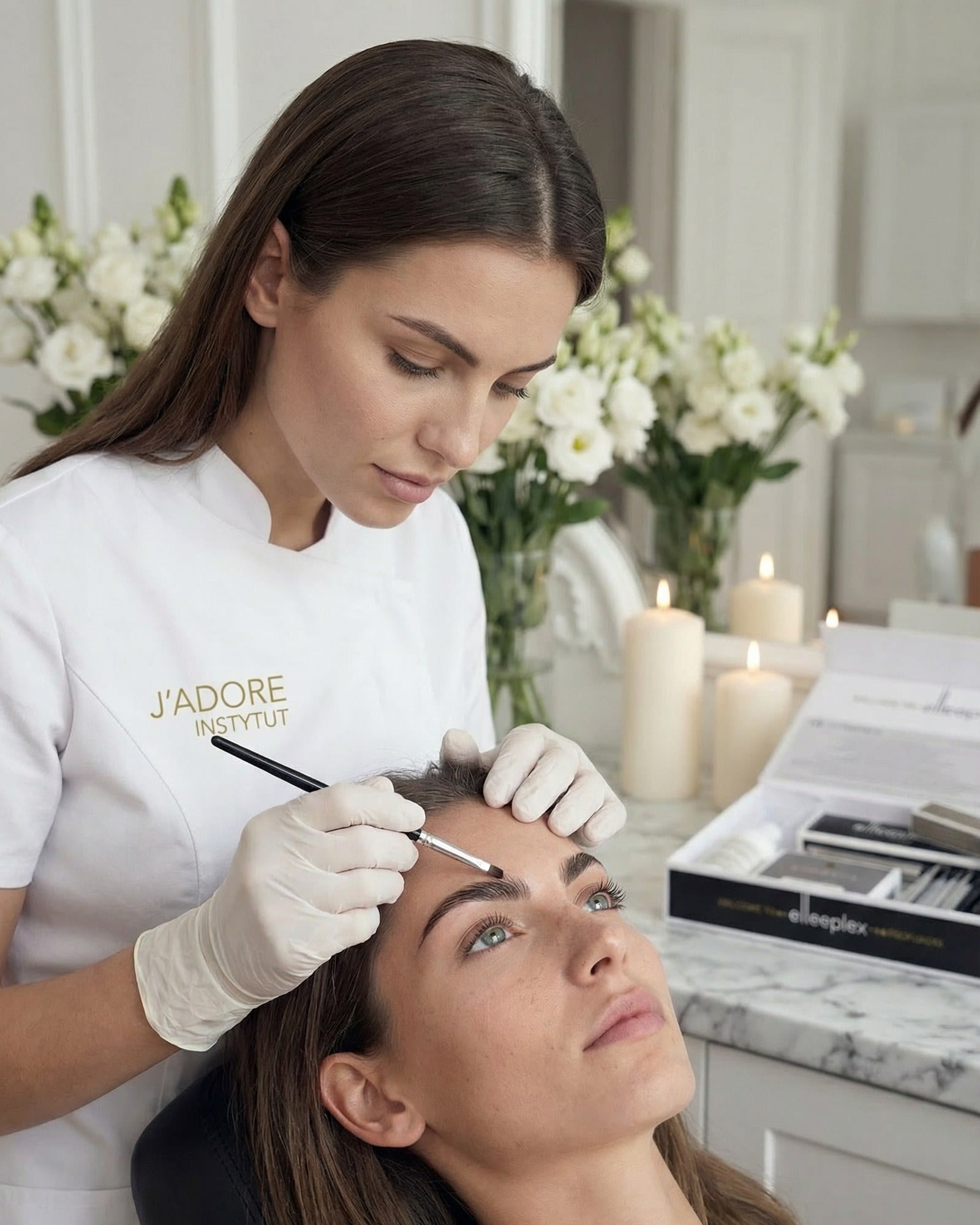
Consultation and treatment on the same day are for those who are decided, not for those who are wavering.
Combining stages can be organisationally convenient if you know the linergist's style, have a thought-out goal, the skin is calm and the interview reveals no obstacles. There must still be time for analysis, design, corrections and informed consent. A reserved chair does not take away the right to stop the visit if the drawing does not fit or information appears that changes the qualification.
A person wavering between several shapes, having old PMU or planning a change before an important event benefits from separating the appointments. You can photograph the design, think about the intensity and ask about recommendations without time pressure. An additional visit is not necessary for everyone, but it is the right alternative to a decision made because the treatment station is already waiting.
Before an event, a margin is needed not only for the first healing but also for assessing the healed shade and any refinement. If the date is close, makeup done with cosmetics may be a safer image solution than fresh pigmentation. PMU is planned so that an important day does not fall during a period of stronger colour, flaking or uncertainty after the first session. Date pressure does not improve skin reaction.
With brows, the choice depends on the amount of hair and tolerance for a permanent form.
Thick brows growing chaotically may need shaping and lamination. Light hair with a good line is often enough to tint. Sparse brows with gaps can benefit from PMU, but the technique is chosen for the skin, not the name of a trend. Total or sudden lack of hair first requires explaining the cause, and only then a reconstruction design.
If you do not know how strong a form is yours, start with a pencil or tint. If you know the desired shape but do not know if the permanent result will heal well, choose a linergist. If existing pigmentation is still dark, do not book a refresh without an inspection. The safest path is sometimes one stage longer, but each stage should answer a separate question.
There is also a simple test of your daily routine: for a few mornings, draw the same design and write down what you correct. If you move the start, narrow the tail or lighten the colour every time, the concept is not yet stable. When you repeat the shape without hesitation and like it in different light, the consultation can focus on translating a known preference into the skin's possibilities. The repeatability of your own choice is more valuable than the number of saved inspirations.
For lips and eyeliner, reversible trials have different limitations.
Lipstick is a good way to check if you prefer warmer or cooler tones, but its full coverage does not match the transparent finish of healed lip blush. A lip liner can show you how you feel with a more even line, but PMU should not design a new lip shape far beyond your natural vermilion border. In cases of significant asymmetry or colour change, we must first determine what is safe and achievable.
An eyeliner drawn with cosmetics allows you to wear different thicknesses and wing lengths. However, it does not show how your eyelid skin behaves during pigmentation or the limitations caused by tissue laxity. If the line breaks when your eye is open, simply copying it permanently will not solve the problem. A trial shows us the style you like; a consultation translates that style into your anatomy and checks if the design will remain clear during movement.
For lips, a separate stage may involve a consultation regarding recurrent cold sores, active cracks or unclear lesions. For eyelids, temporary contraindications may include eye inflammation or an irritated lash line. Do not try to cover up a problem with heavier makeup for your appointment. Your linergist needs to see the actual state of the area, as a beautiful design performed on skin that is not ready remains just a drawing.
A consultation in Warsaw makes sense when it may also result in a decision not to proceed.
For your consultation with a linergist in Warsaw, bring a list of your medications, a history of previous pigmentations and photos showing both your desired and unwanted results. You do not need to know the name of the technique. The purpose of the meeting is to match the method to your skin and features, and sometimes to point out a simpler, reversible path.
In the capital, our salon at Żelazna 59, 00-848 Warsaw is open Mon–Sat 8–21 · Sun 11–19, and our clinic at Mińska 29A/46, 03-808 Warsaw operates Mon–Sat 9–21. Please check which address is on your booking before you travel.
The most important criterion for choosing between a consultation and an alternative is simple. When testing your taste, use a solution that can be washed off or one that will fade on its own. When considering the introduction of pigment, you need a design and an in-person assessment. When your skin shows an unknown symptom, choose medicine. An informed decision is not about finding one method for everyone, but about setting the correct order of steps.
A key takeaway: if you cannot yet say what you want to make permanent, test the look first. If you know what you want to make permanent, check whether your skin and any existing pigment allow for it to be done sensibly.
You can combine paths instead of choosing one once and for all. First, shaping shows your natural line, then trial makeup tests a new width, and a consultation assesses whether a similar effect can be translated into pigment. At other times, a dermatologist stabilises the skin before the linergist returns to the design. A good sequence reduces the number of unknowns before each next step and allows you to stop when a simpler solution already meets your goal.