What collagen actually is — and why we lose it
Collagen makes up around 30% of all proteins in the human body. It's a biological scaffold — responsible for the strength of skin, tendons, bones, blood vessels and the cornea. Scientists have identified at least 28 types of collagen, but in the context of skin, two matter most:
- Type I — makes up 80% of skin collagen. It's responsible for firmness and resistance to stretching.
- Type III — found mainly in the dermis, giving it elasticity and bounce. With age, the proportion of type III decreases in favour of type I, which makes skin stiffer and thinner.
After the age of 25, the body loses on average 1–1.5% of its collagen every year. By age 50, you can lose as much as 25–30% of your collagen reserves. But age isn't the only culprit. UV exposure, smoking, sugar (glycation), oxidative stress, poor sleep and a bad diet speed up collagen breakdown by several additional percentage points a year.
The result? Wrinkles, loss of facial contour, thinner skin, slower wound healing. And a desperate search for a way to reverse it.
Myth 1: Collagen cream rebuilds collagen in the skin
This is the most persistent myth in cosmetology. It sounds logical: skin loses collagen, so apply a collagen cream and the problem is solved. Unfortunately, biochemistry is unforgiving.
So what does a collagen cream actually do? It forms an occlusive film on the skin's surface. This traps water in the epidermis, smooths the surface optically, and can improve comfort for dry skin.
- Traps water in the epidermis (hydrating effect).
- Smooths the surface optically.
- Can improve comfort for dry skin.
Hydrolysed collagen in a cream (smaller molecules, 2,000–5,000 Da) penetrates slightly deeper, but it still doesn't reach the fibroblasts in the dermis — the cells that actually produce collagen. Manufacturers who promise "collagenesis stimulation" from a cream are edging close to misleading advertising.
Myth 2: Collagen supplements are placebo
This one is far more complex, because reliable clinical research on collagen supplementation is growing. Collagen hydrolysate (collagen peptides) is collagen broken down enzymatically into fragments of 2,000–5,000 Da. Once swallowed, these peptides are absorbed from the digestive tract into the bloodstream — confirmed by studies using radioisotope-labelled peptides.
But there are several important caveats:
- Dose matters. Most studies showing positive results use at least 5 g a day, with 10–15 g being the optimal dose. Collagen gummies containing 1 g are a marketing gimmick.
- Time. Results appear after a minimum of 8 weeks of regular use.
- Source. Marine (fish) peptides have a lower molecular weight and often better bioavailability than bovine or porcine ones.
- Supplementation doesn't reverse advanced ageing. It can improve skin parameters, but it won't replace structural collagen lost from the dermis.
What really rebuilds collagen: tissue biostimulators
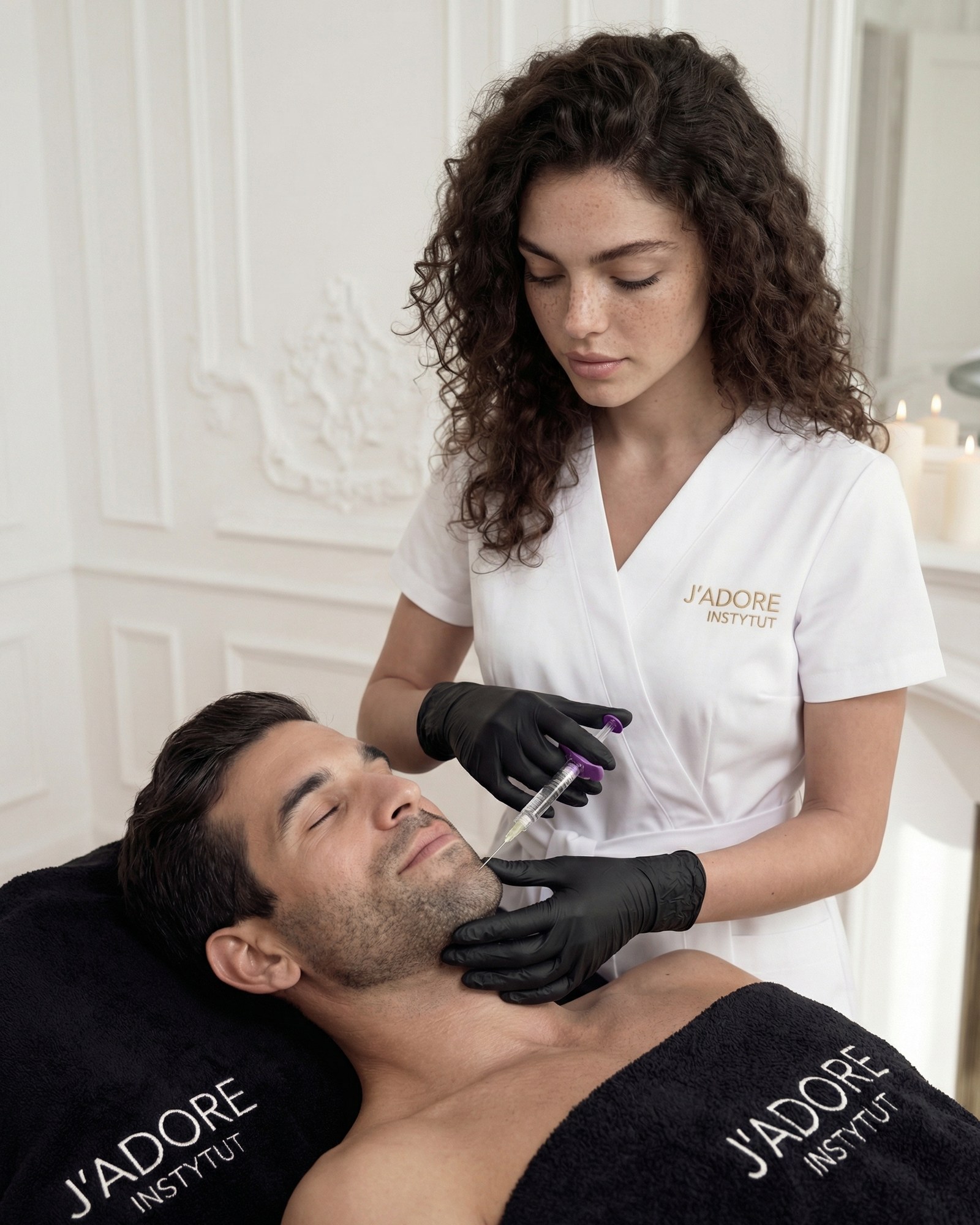
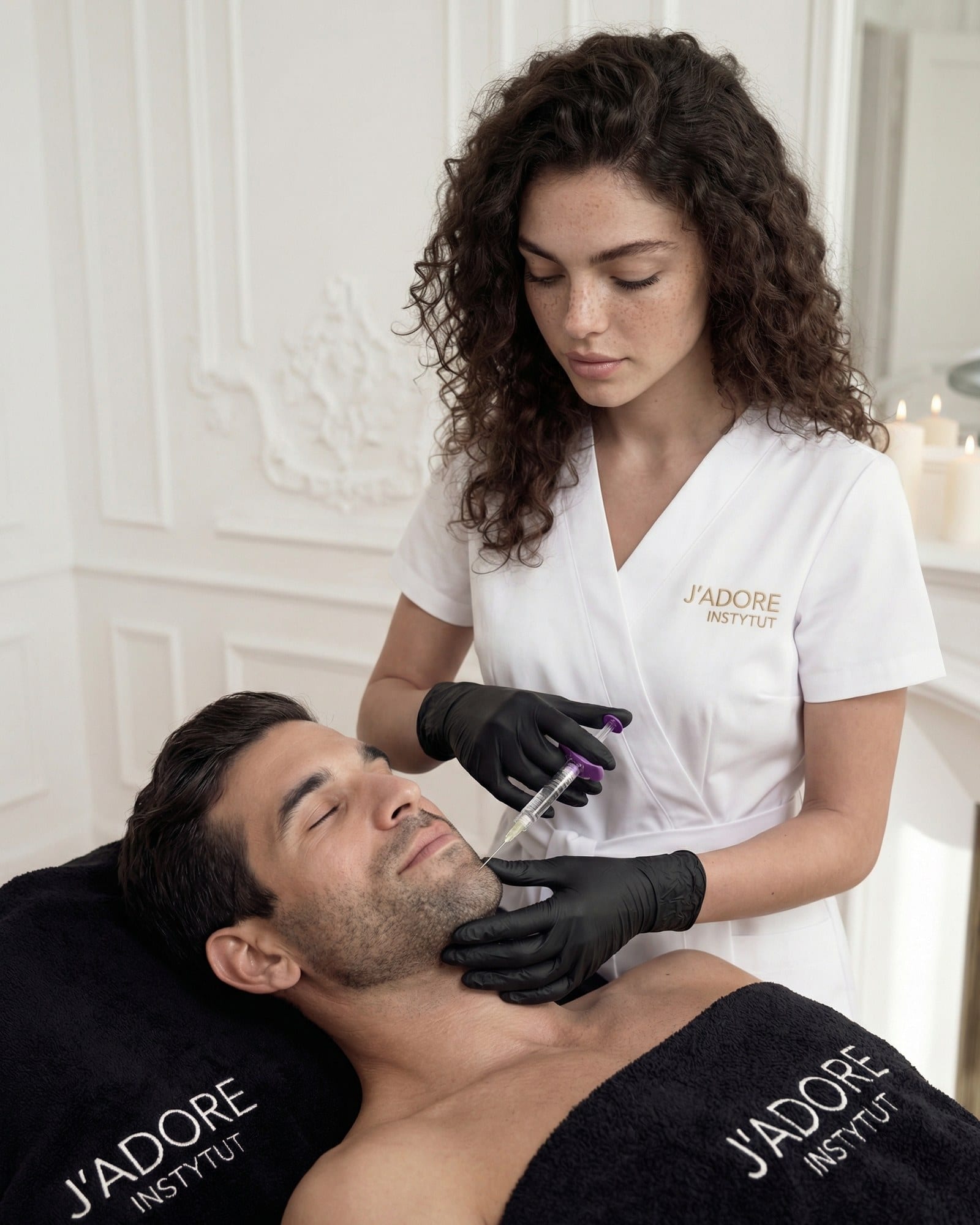
If a cream hydrates the surface and a supplement supports collagen from within, tissue biostimulators work exactly where the problem originates — in the dermis, at fibroblast level. The mechanism is simple: you introduce a substance that wakes up fibroblasts and prompts them to produce new collagen. But the substances themselves differ fundamentally from one another.
Skin biostimulator — next-generation hyaluronic acid
Hyaluronic acid preparations for skin biostimulation differ from gels selected to increase volume. Some formulas use thermal bonding of hyaluronic acid. The technique and injection points are determined for the specific product.
Hyaluronic acid spreads beneath the skin and stimulates several types of collagen as well as elastin. Clinical studies have shown increased type I and III collagen after 2 sessions, spaced 4 weeks apart. This is tissue remodelling — an improvement in skin quality from within, not just filling.
Sculptra — poly-L-lactic acid (PLLA)
Sculptra works through a different mechanism: PLLA microparticles, injected into the dermis, trigger a controlled inflammatory response that activates fibroblasts to produce new collagen (neocollagenesis). The effect builds over several months after treatment and can last as long as 2 years.
Sculptra works particularly well for facial volume loss and thin, atrophic skin. A series usually means 2–3 sessions carried out several weeks apart.
Nithya — collagen amino acids
Nithya is a preparation based on synthetic amino acids identical to those that build human collagen (glycine, proline, hydroxyproline, alanine). Delivered by injection, they supply fibroblasts with ready-made building blocks for collagen production — bypassing digestion and absorption entirely.
Vitamin C — the forgotten link
None of the mechanisms above works optimally without vitamin C. Ascorbic acid is a cofactor for enzymes essential to collagen synthesis — without it, the body literally cannot build a stable collagen molecule. That's why scurvy (severe vitamin C deficiency) causes bleeding gums and connective tissue breakdown.
- Orally: 500–1000 mg of vitamin C daily (ideally in a buffered or liposomal form).
- Topically: A serum with 10–20% L-ascorbic acid — protects collagen from UV degradation and supports local synthesis.
Effectiveness ranking: from surface to depth
An honest summary, without the marketing gloss:
- Collagen cream — acts on the epidermis. Result: hydration, optical smoothing. Doesn't rebuild collagen.
- Supplement (hydrolysate, 5–15 g/day) — acts systemically. Can improve skin elasticity and hydration after 8–12 weeks.
- Tissue biostimulators (e.g. hyaluronic acid, Sculptra, Nithya) — work in the dermis, at fibroblast level. High, proven effectiveness, with results visible within weeks and lasting many months.
A holistic approach: the only strategy that truly works
The best results come from combining all three levels at once:
- Diet and supplementation — protein in your diet, collagen hydrolysate (around 10 g/day), vitamin C, zinc, copper.
- Home care — vitamin C serum, retinol (stimulates fibroblasts), SPF 50 every day (UV is collagen's number one killer).
- In-salon treatment — tissue biostimulators as the foundation, chosen to suit individual skin needs.
How to check how much collagen you really have
Modern diagnostics offer tools that move the discussion from subjective impression to measurable data:
- Skin ultrasound (DUB/Dermoscan) — measures dermal thickness and collagen density.
- Cutometer — an objective measurement of skin elasticity.
- AI skin analysis (e.g. VISIA) — analyses texture, pores and skin firmness.