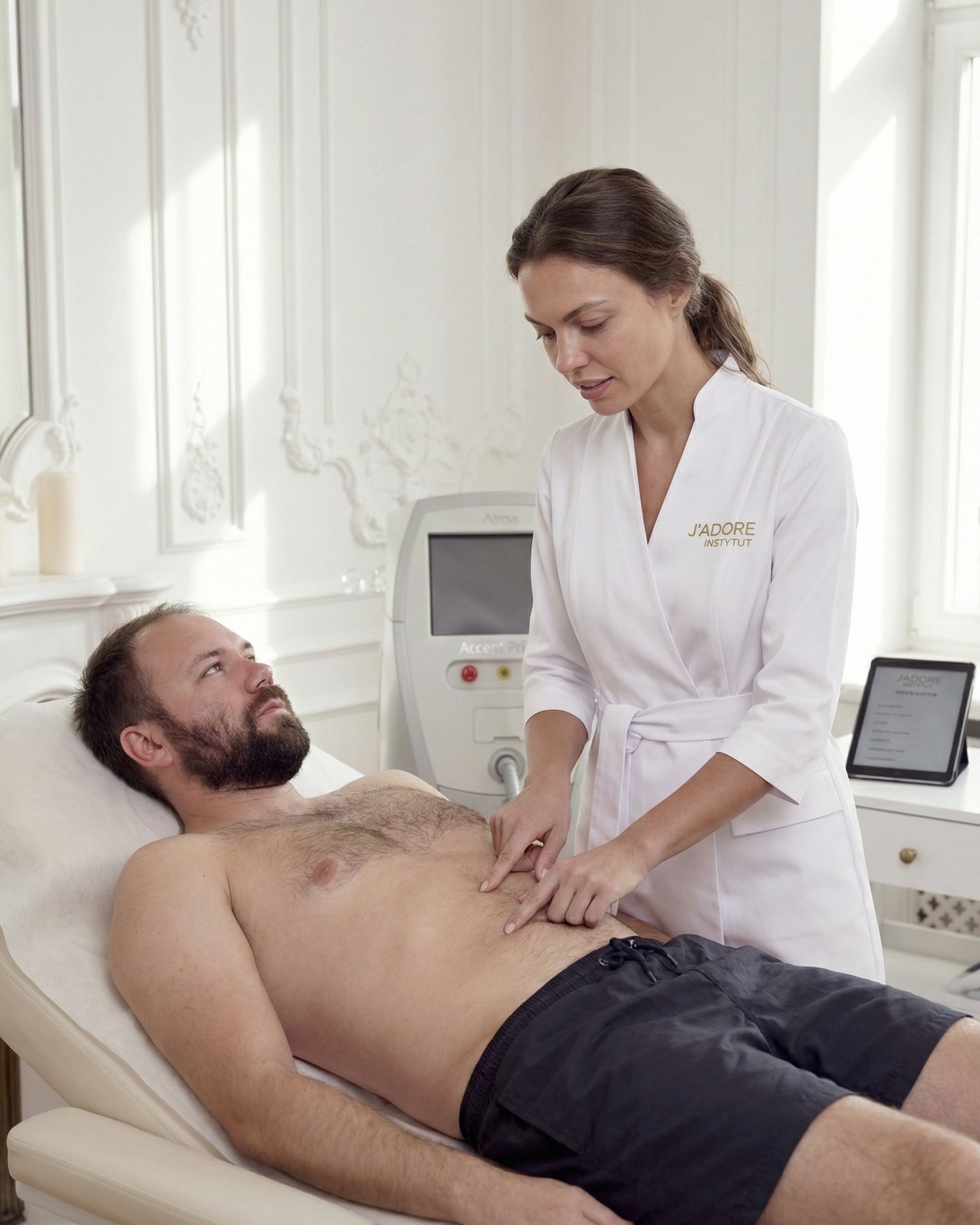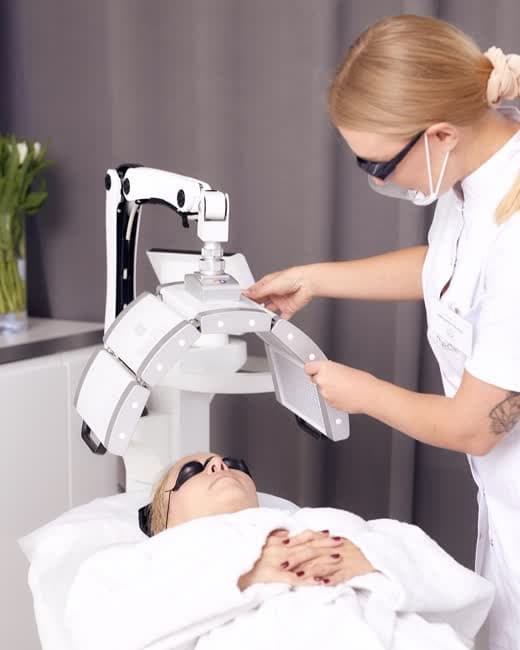
Before leaving, note down the device, the zone, and the help channel.
After the anaesthetic and the emotions, it is easy to forget part of the instructions. Ask for written recommendations referring to the device used, the depth of work, the zone, and the reaction observed immediately after the procedure. Elysses and INDERMO may have different heads and settings; the abbreviation RF alone does not create one identical wound.
- The name of the device and the type of disposable cartridge used during the session.
- The treatment area, with specific indication of the eye area, jawline, and neck.
- Products applied after the final pass and their names.
- The method for the first wash and a list of preparations to temporarily discontinue.
- A contact phone number for working hours and instructions for urgent situations.
- The deadline by which the salon expects a follow-up photo, if recommended.
Take an initial photograph while still in the salon, when the light is constant. Mark the areas where stronger redness or minor bleeding occurred immediately. A later difference will be easier to assess than when comparing with a random selfie. Also ask for the parameters to be recorded in your file, even if you do not receive a full copy.
The first hours: cold should soothe, not freeze.
Do not touch your face to check the temperature every few minutes. The anaesthetic can alter your perception, and your hands carry microorganisms. Return home without rubbing with a scarf, a tight mask, or standing in front of a hot air vent. In the car, do not direct a strong, cold stream of air directly onto your skin.
- Hygiene on the go. If you are returning by public transport, avoid pressing your phone, dirty hands, or a collar against your face.
- Space organisation. At home, wipe down the surfaces you will touch during your skincare routine and prepare your products before washing your hands.
- Limiting reflexes. Simple organisation limits the moments when you reflexively look for packaging after having already touched your skin.
In the evening, use only what was included in the instructions.
The timing of the first wash depends on the protocol and the final products, so do not set it based on someone else's social media post. If you were advised to leave a specific preparation on, follow the time stated on your card. When washing is permitted, use clean hands, lukewarm water, and a mild cleanser without granules, a brush, or intense fragrance.
Dry by gently patting with a disposable towel or a fresh, soft material intended only for the face. Do not rub. Apply a thin layer of the recommended skincare. A larger amount does not accelerate recovery and may make it difficult to observe the surface.
The first night requires clean contact and a cool bedroom.
- Bedding hygiene. Change your pillowcase to a freshly laundered one to ensure a clean environment for your skin after the treatment.
- Sleeping position. Avoid sleeping with your face in the pillow if your cheeks or forehead were treated, to limit friction and pressure on the skin.
- Hair protection. Tie your hair back loosely so that strands do not stick to the moist surface of your face and do not transfer hair products to the treated area.
Avoid alcohol, very hot showers, hot water bottles near your face, and intense bedroom heating. Vessels are already reactive after the stimulus; additional heat can increase redness and swelling. If you usually wear a compression device on the treated zone while sleeping, ask your practitioner how to proceed tonight.
The first 24 hours: makeup waits until the surface is closed.
The American Academy of Dermatology recommends waiting at least 24 hours after microneedling before applying makeup. With RF and a more intensive protocol, your practitioner may indicate a longer break. Do not shorten it because the redness is inconvenient for a meeting. Pigment, preservatives, and dirty tools then reach a freshly compromised barrier.
Once you have the go-ahead to return to makeup, use a clean product and washed brushes. Do not apply it with an old sponge that has been sitting in your makeup bag for weeks. If the points are still oozing, a scab appears, or the skin hurts to a light touch, put the makeup away and send a photo to the salon.
Days two and three: redness should change direction towards a calmer state.
The skin may still be pink, slightly swollen, rough, and dry. The shade in a darker skin phototype does not always look like classic red; it may be darker or uneven. More important than the colour is the trend: less heat, less swelling, and fading tenderness.
Tiny points from the punctures may become more visible as the surface dries. Do not scratch them, do not roll them with your fingers, and do not use an enzymatic peel for faster smoothing. Every mechanical tear creates new inflammation and increases the risk of a mark.
The sun requires a plan based on shade, not just a filter.
If the recommendation is to start using a filter only after a specific stage of healing, use physical protection and limit outings during the earlier time. Later, apply protection without rubbing hard. Travelling in a car by a window, walking at noon, and working on a terrace are also exposure, even without tanning.
Do not assume that RF eliminates the risks associated with a fresh tan. The energy does not act identically to a laser, but the punctures and inflammatory reaction can still lead to pigmentation disorders. If new, clearly darkening areas appear after a week, show them to your practitioner instead of introducing a depigmenting acid on your own.
An umbrella and a hat must not rub your forehead or trap sweat under a tight brim. Choose a loose, clean cover and plan shorter walks. If you must work outdoors, mention this before the procedure; sometimes a different date is a better solution than trying to protect fresh skin in full sun.
Heat, sweat, and public water return only after the skin has calmed down.
Heavy training, saunas, hot yoga, and long, steamy showers increase temperature and blood flow. Sweat contains salt and can sting in fresh points. Wait for the period indicated on your card, and if the redness does not subside, do not return according to the calendar — ask for an assessment.
Swimming pools, jacuzzis, lakes, and the sea add contact with chlorine, salt, or microorganisms. A return is possible after the surface has closed, without oozing, fresh scabs, or increased tenderness. The mere fact that a few days have passed is not sufficient when the skin still looks like a wound.
- Choose a calm walk instead of interval training in the first stage.
- Do not apply a gym towel to your face even after the period of greatest redness has ended.
- A helmet, a tight headband, and a chin strap can rub the treated area.
- Do not return to the sauna to "open your pores" or accelerate the effect.
- If activity increases pulsing or heat, stop and cool the area.
Days four to seven are not a green light for your full routine.
When redness fades, it is easy to assume the skin is fully recovered. However, dryness, mild roughness and increased reactivity may persist longer. Continue the gentle regimen until the time specified by your practitioner. Retinoids, acids, peels, strong vitamin C, brushes and alcohol-based products should be reintroduced one by one, not all on the same evening.
Introduce one familiar product and observe the response. If it stings for longer than a brief, mild tingle, or if redness returns, wash it off as advised and contact the salon. Do not try to "acclimatise" the skin after the treatment by repeating an irritating application.
Warning signs differ from standard redness in their direction and quality.
- Signals requiring urgent assessment. Pay attention to blisters, greying or blackening of a skin fragment, increasing severe pain and rapidly worsening swelling.
- Symptoms of infection and inflammation. Purulent discharge, fever, spreading redness, muscle weakness or new sensory disturbances should be cause for concern.
- Action in emergencies. An expected reaction usually fades gradually. Do not wait for your scheduled follow-up if any of these signals appear.
The FDA lists burns, scarring, fat loss, distortion and nerve damage in reports following fractional microneedling RF. This does not mean every unevenness predicts a severe complication. It means you must not normalise loss of sensation, tissue depression or pain that feels like an electric impulse.
Do not apply antibiotics, steroids or antiseptic preparations left over from another condition to a blister without an assessment. Some products cause contact irritation themselves and alter the appearance of the lesion. Protect the area from friction, note the time of onset and obtain instructions from an authorised person.
Document the reaction without filters and without self-diagnosing from a photo.
Photograph your face in the same light, from a similar distance and without make-up. Take a shot of the entire zone and a close-up of the area that concerns you. Note the time, pain level, skin temperature, products used and whether the symptom is growing. This information helps your practitioner distinguish a trend from a difference in lighting.
Do not post a photo in a group instead of contacting an authorised person. Other users do not know the settings, the device, your medical history or your medications. If the salon dismisses clear symptoms or does not respond, contact a doctor. In an acute situation, use urgent care rather than a private message queue.
Keep the original files, not just screenshots after a filter. Automatic phone beautification can smooth out pinpoint marks, while night mode changes the shade of redness. If you send a photograph, add an object of a known colour and describe whether the image corresponds to what you see directly.
After a week, assess the healing, not the promised lifting.
The first few days are not the right time to assess collagen remodelling. Swelling may temporarily smooth the surface, and dryness may temporarily worsen it. After a week, you are primarily asking if the barrier is returning to normal behaviour, if the redness has disappeared and if it is safe to expand your skincare.
Do not compare a photo taken immediately after the treatment with a photo taken before the visit as proof of firming. To assess the effect, you need the timeframe indicated in your plan and identical conditions. If the goal was scars or laxity, the conversation about the next session should consider the full reaction, not just the number of days on the calendar.
In Krakow, establish a plan for RF before booking the treatment.
You can check the scope of the service on the fractional microneedling RF in Krakow page. Before your appointment, ask if the procedure will be performed on Elysses or INDERMO, which cartridge is intended for the zone and who will assess the reaction after you leave. Disclose medications, implants, sensory disturbances, a tendency to scar, active infections and previous healing problems.
Krakow visits take place at Karmelicka 45/2B, 31-128 Krakow; the salon is open Mon–Sat 8–20. If a worrying reaction appears later, follow the previously established contact procedure instead of waiting solely for the reception to open.
- When am I allowed to wash my skin for the first time after this specific protocol?
- Which preparation should I apply in the evening and in what quantity?
- From what moment should I use the indicated sun protection?
- How long should I postpone make-up, training, the swimming pool and the sauna?
- How will I know that I can bring back retinoids or acids?
- Which symptoms require a message and which require an urgent medical consultation?
- Does the salon want a follow-up photo the next day?
- How are the cartridge number and device settings documented?
Take home a short instruction and limit improvisation. If healing proceeds calmly, simplicity allows you to observe it. If it changes direction, documentation and quick contact help you react before attempting self-treatment obscures the picture.
If you are travelling from outside Krakow, plan for the possibility of returning for a follow-up or determine in advance who will assess you locally. Consultation via photo has limitations: it cannot check temperature, sensation, depth of the lesion or pain upon touch. In the event of a warning signal, distance should not become a reason to wait until the next day.
The most important rule of the week is simple: the reaction should gradually lose intensity. Any reversal of this direction — new severe pain, recurring swelling, spreading redness or sensory disturbance — requires a new decision. The skincare calendar then ceases to apply, and assessment becomes the priority.
Do not plan the next treatment while the skin is still reacting. The follow-up should include the entire healing record, products used at home and any deviations from the recommendations. A change in settings or method should result from this information, not from a desire to achieve stronger redness next time.