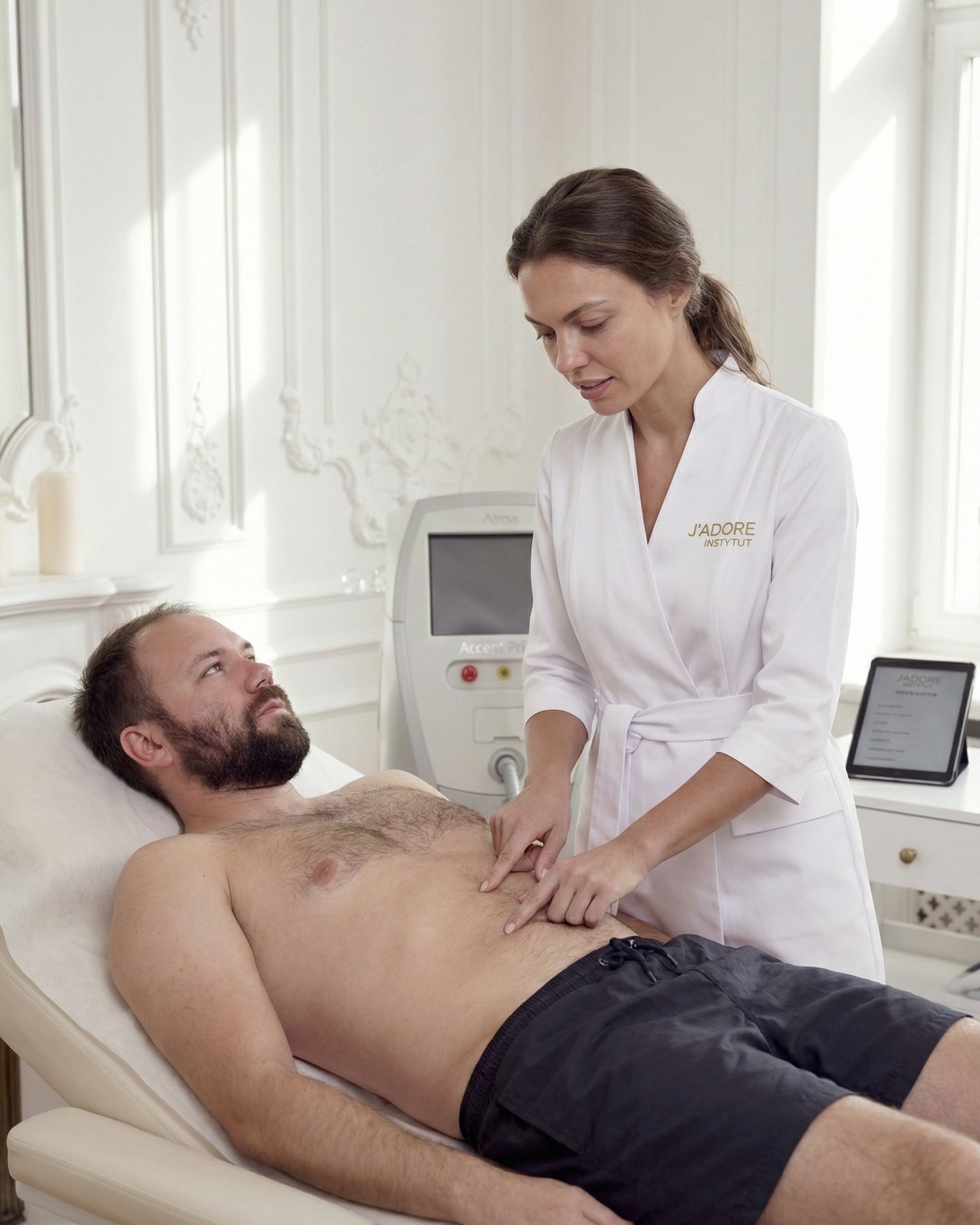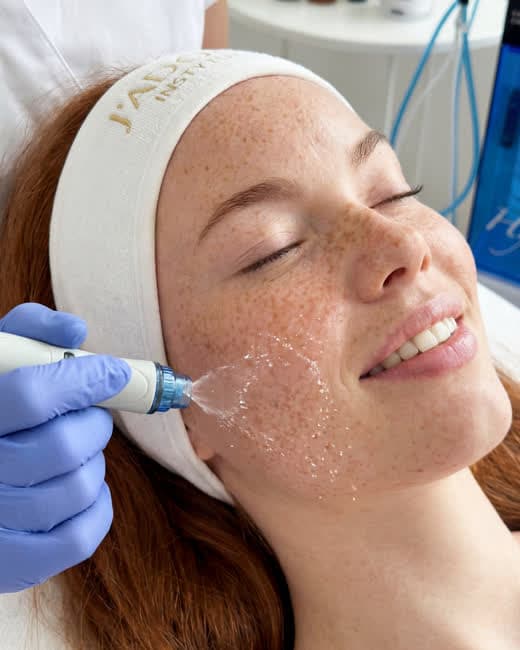
The first session is a biological and technical test
Record your reaction for several days instead of relying on memory after a month. Photographs taken in the same light are helpful, as is information on when the skin stopped feeling hot, when the marks faded and whether any unusual itching appeared. Do not photograph only the most difficult moment. A full sequence allows you to distinguish a short-term response from a process that has been building up. Such a log facilitates a safe decision for the next meeting.
The consultation determines whether the goal is acne scars, pores, laxity, stretch marks or uneven texture. Each of these problems lies at a different depth and has a different structure. The cosmetologist selects the zone, cartridge, depth and energy, and then observes the immediate reaction. The first meeting is not a template for automatic repetition. It provides information on how your skin tolerates the chosen range.
After the treatment, the duration of redness, swelling, pinpoint scabs, potential discolouration and the healing process are what matter. If the reaction is longer or stronger than expected, the next stage may require a later date or milder settings. When the skin heals correctly, parameters are still increased only if the goal requires it. A stronger stimulus is not a reward for good tolerance.
An interval of four to six weeks allows time to assess the response
The local J’ADORE treatment material indicates a tentative series of three to five sessions every four to six weeks. This is a starting point, not a promise of a uniform calendar. Micro-injury and heating of the tissue initiate a repair reaction that lasts longer than the visible redness. Puncturing again too soon may impose further trauma on skin whose response cannot yet be reliably assessed.
The date is moved if irritation, active peeling, inflammation, a tan or an infection remains. It is not accelerated because an important event is approaching sooner than expected. A series can be planned with a calendar, but biology takes precedence. A correct interval ends not only with the passage of a specific time but also with a calm, rebuilt surface without alarming symptoms.
The first visible effect is not the same as full remodelling
- Limit the frequency of checks. Do not examine the result daily by pinching the skin, stretching a scar or taking photos from increasingly close distances, as such observation focuses attention on random differences.
- Maintain hygiene of the process. Touching the fresh area can unnecessarily irritate it, so it is better to let the process run without constant testing.
- Plan a timeframe. Agree in advance on two or three dates for photographs and a specific criterion to be changed, and in the meantime, focus solely on using the recommended skincare.
Immediately after the treatment, the skin may appear tight due to temporary swelling. When the swelling subsides, some people assume the result has disappeared. This early image does not measure new collagen. Subtle smoothing of the texture may appear earlier, but a fair assessment of a single session occurs after several weeks, preferably using photos taken in similar light and without changing skincare just before comparison.
On scars, observe shadows under side lighting, the depth of edges and how make-up sits, rather than just smoothness under frontal light. For pores, seborrhoea and skin hydration on the day of the photo matter. For firmness, you must maintain a similar position of the face or body. Without repeatable conditions, simple swelling, a camera filter or different light can easily masquerade as an effect.
Scars, stretch marks and laxity require different paces
- Acne scars. They may have sharp edges, wide bases or a pinpoint character, which influences the work technique.
- Stretch marks. These are bands of altered skin, where the age and colour of the change determine the action plan.
- Laxity. This is not a deficit for pinpoint filling, but a feature of a larger area requiring a different approach.
- Individualisation. The same device name does not mean an identical number of passes or meetings, because the plan results from the tissue, not from a general regeneration label.
With several goals at once, you must establish a priority. Attempting to treat the face, neck, scars and a large body area simultaneously with the maximum range may unnecessarily burden healing and make it difficult to attribute the reaction. Sometimes it is better to separate areas, and sometimes to work with one plan. The cosmetologist should explain why the chosen order allows you to measure change and maintain safe regeneration.
A deep scar may improve more slowly than the fine texture around it. This does not mean you need to shorten the interval. Perhaps it needs a different parameter, a different complementary method or a realistic limitation of the goal. A series is not a contract for the complete removal of a change. It is a controlled process in which predictions are updated after each stage.
Numbers from a package do not replace a checkpoint
Purchasing a fixed number of visits in advance may give an impression of order, but the skin does not read the package terms. A tentative range of several treatments helps plan the season and time budget, but after each session, a decision is needed: continue, change settings, extend the break or end the series. A well-executed plan has a stop criterion, not just the next date.
Ask what will be documented. Photos, a description of parameters, the number of the head used, the area and the reaction after the treatment allow for continuity. If the next visit is performed by another person, they should know the history. The statement "we'll do it like last time" is too imprecise if strong swelling occurred previously or one zone healed more slowly.
Ending after a smaller number of sessions may be appropriate if satisfactory improvement has been achieved or the skin does not tolerate further stimulus. An additional visit makes sense when there is a specific, measurable goal. It is not performed just to use up a package. This is the difference between a planned series and a sold series.
A break does not erase the effect and does not require double power
A holiday, infection, exacerbation of a skin disease or more difficult healing may interrupt the rhythm. Upon returning, you do not make up for lost time with two treatments close together. The cosmetologist examines the skin again, checks what has changed during the break, and arranges the next step. Remodelling from an earlier session does not disappear because the calendar was shifted.
A longer break may even provide a fuller picture of the effect, but it is also sometimes associated with a new tan, a change in medication or another treatment. Report everything that has appeared since the last visit. Do not assume that once-excluded contraindications remain excluded for the entire series. The interview should be briefly updated before every skin disruption.
A series before an event is planned from the end
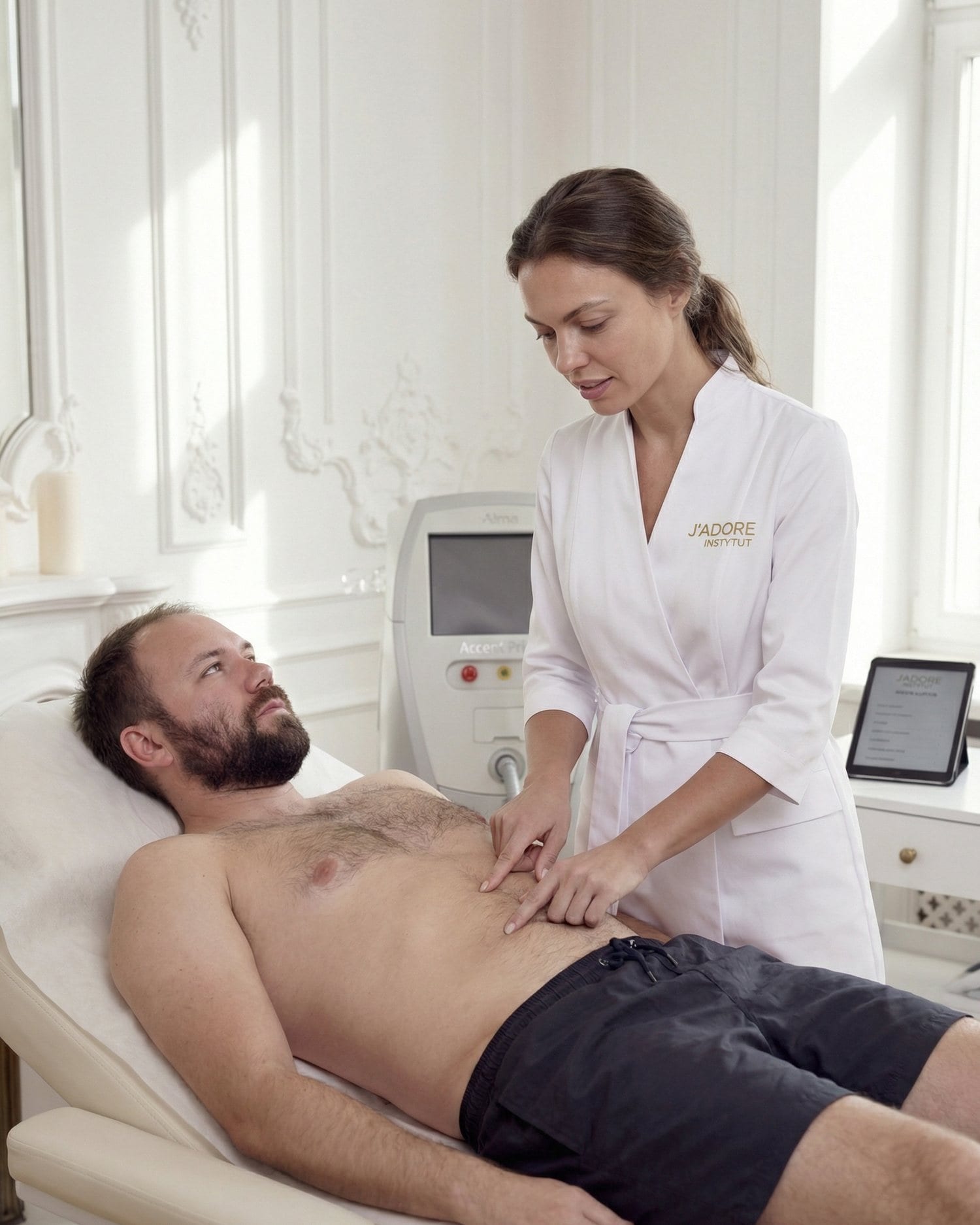
Think about the zone in everyday life. A treatment on the face before an appearance may be more troublesome than on a covered abdomen, but a body area rubbing against a trouser belt also needs calm healing. Choose clothing, transport and duties so as not to overheat or rub fresh skin. These small elements reduce the risk of irritation and allow for a better assessment of the reaction to the procedure itself.
A wedding, photo shoot or trip should not fall right after the last needling. You must leave time for redness to subside and for the effect to be assessed without temporary swelling. Since structural improvement develops gradually, the plan starts several months earlier, not with an intensive session in the last week. If time is short, an honest decision may be to postpone RF until after the event.
The time of year matters mainly due to sun exposure and the possibility of consistent protection, not because the device only works in winter. A person planning a beach holiday in the middle of a series must include a break and the absence of a fresh tan before the next visit. Working on an exposed abdomen requires different logistics than on a constantly covered zone, but every area needs protection after the treatment.
A complication changes the session plan; it is not a stage to wait out
After such an episode, you do not automatically return to the previous treatment map. When the specialist allows further work, the cosmetologist may exclude areas where healing proceeded incorrectly from the treatment, limit the number of passes or change the depth of punctures and RF energy. With post-inflammatory hyperpigmentation, it is particularly important whether the spot is fading or spreading beyond the pinpoint needle marks. This decides the further pace, and sometimes the resignation from working in a given zone.
A burden does not have to be solely a complication from the previous session. A tendency for hyperpigmentation after inflammation, recurrent herpes, fresh acne lesions, scarring after injuries or medications affecting healing must be reported before starting punctures. In fractional microneedling RF, location also matters: a thin, reactive jaw or neck area does not always tolerate the same intensity as cheek skin with uneven texture.
Well-conducted modification is sometimes less spectacular than expecting a rapid increase in parameters. It may mean longer observation, treatment only on a selected fragment of scars or postponing the procedure until the skin calms down. The goal is not to tick off the next meeting, but to avoid applying RF energy to tissue that is currently signalling overload.
In Warsaw, start the plan with photos and one goal
If your primary goal is treating scars, do not add a new priority like neck firming halfway through a series just because of a promotion. Expanding the scope changes healing times and makes assessment difficult. You can plan a new area separately once we have checked your tolerance. A consistent plan does not mean rigidity; it means every change has a justification and its own baseline.
For fractional microneedling RF in Warsaw, arrive without a fresh tan. Please inform us about any medications, implants, a tendency for keloids, active skin lesions, or recent procedures. If you have photos of your skin from before acne treatment, surgery, or weight changes, these can help us establish a starting point. Do not discontinue your regular therapy on your own before your appointment.
During your first consultation, choose a main goal and a way to measure it. For scars, this might be a smaller shadow in side lighting. For pores, it could be a more even texture. For the abdomen, it might be improved tension in the same position. After the first session, note your actual healing time. Only this data allows us to plan the next stage without guesswork.
The most important conclusion is this: the number of treatments is not the sum of available appointments. It is determined by successive assessments. Skin that looks calm on the surface may still be remodelling, and visible improvement does not always require the maximum number of sessions. A good plan can slow down, change direction, and conclude when further trauma no longer provides a proportional benefit.