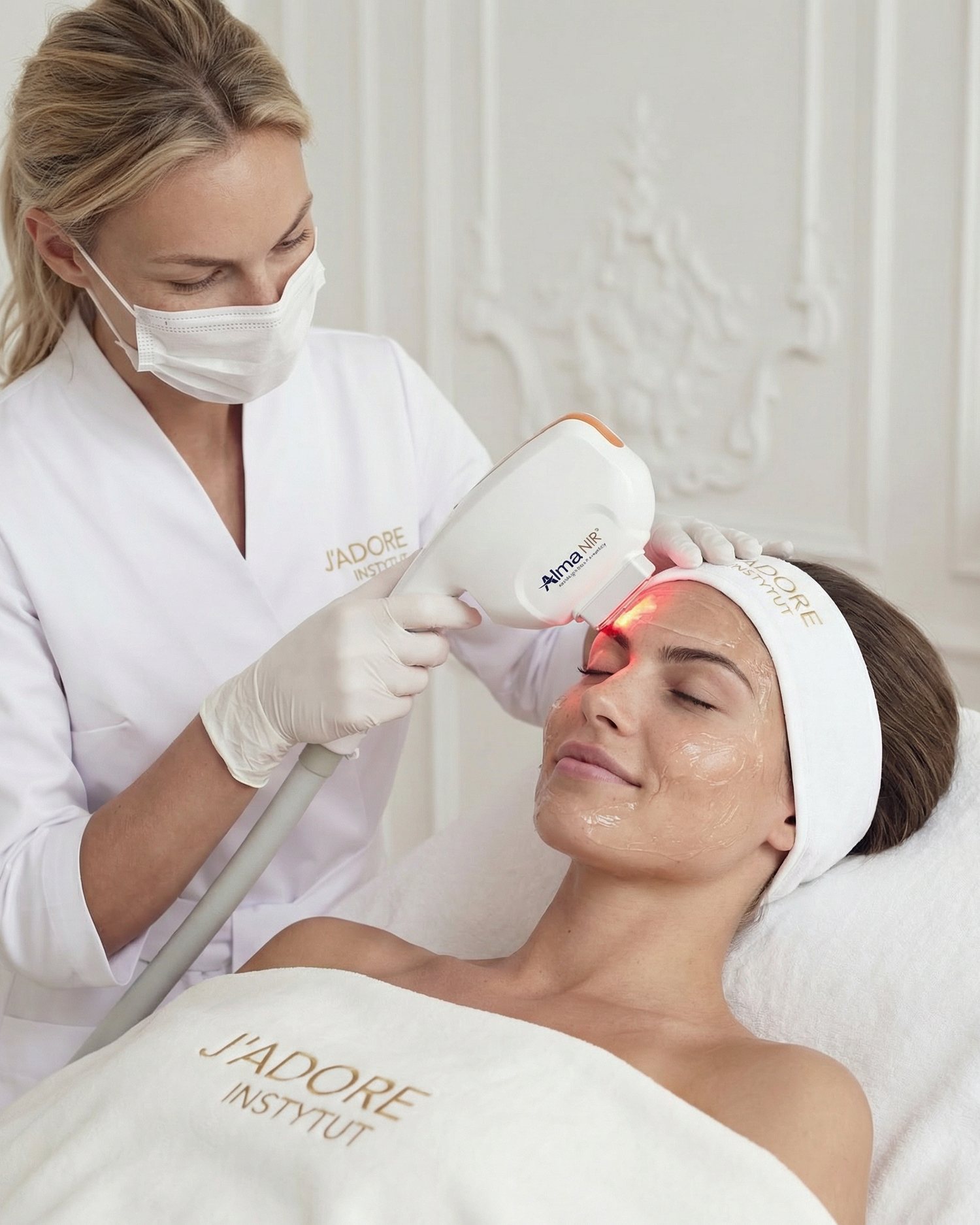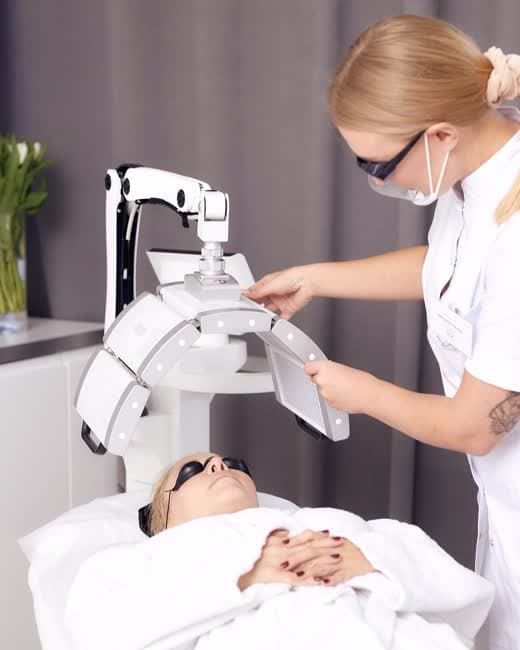
Check your calendar for exposure and other procedures a few days earlier
Start by writing down what happened in the treated area. Tanning, sunburn, irritating hair removal, clinical peels, lasers, radiofrequency, vacuum massage, or other thermal procedures can change the starting point. The fact that a mark is no longer visible in the mirror does not guarantee readiness for more energy. The clinic should know the type and date of any previous treatment.
Do not combine several methods into a tight package before the event on your own. Stimuli do not add up like loyalty points. When you combine heating, intense massage, and exfoliation, it is harder to predict tolerance and attribute potential irritation to a single cause. The person performing the NIR may change the order, extend the interval, or cancel the session based on the current state of your skin.
Also, review your plans for the period immediately following the appointment. A long journey in tight clothing, a sports camp, sauna visits, or a massage treatment on the same area limit your ability to observe the skin calmly. These are not contraindications by definition, but they create conditions that the specialist should take into account. An appointment is only suitable when its surroundings do not force you to ignore the aftercare.
- Before
Gather the area's history
Note down tanning, energy-based treatments, manual procedures, and episodes of irritation.
- The last few days
Do not provoke your skin
Stop home experiments, observe the barrier, and report any new changes.
- Day of the visit
Arrive with clear information
Wear comfortable clothing, do not mask redness, and have a list of medications and questions ready.
A list of medications is more important than a list of bathroom cosmetics
Do not stop prescribed treatment on your own to "fit" into the appointment. Skipping a dose does not cancel the medication's effect and may harm the condition it was prescribed for. If in doubt, the decision rests with your doctor and the person responsible for the consultation. Sometimes the correct preparation is to postpone the treatment, not to change the therapy.
- Over-the-counter preparations. The interview also includes herbs, "circulation" supplements, pain-relief ointments, and warming patches, which are often overlooked.
- Impact on the skin. A patch removed in the morning can leave redness at the treatment site, and topical products can change heat perception during thermolifting.
- Data completeness. Note down everything you use regularly or what has been applied to the given body part recently.
Impaired heat perception changes the consultation process
During NIR, the operator observes the skin and asks about sensations. If there is numbness, neuropathy, nerve damage, reduced sensation after surgery, or chronic circulatory disorders in the area, the feedback may be less reliable. This is not a detail to mention after heating has begun.
Also, mention implants, past surgeries, scars, hernias, active inflammation, and diseases concerning the treated part. The scope of information needed depends on the area being worked on. Different questions will arise for the face, the abdomen after surgery, or a thigh with sensory disorders. Lack of pain does not always mean correct energy tolerance.
After an old abdominal surgery, the skin next to the scar looks calm, but you may distinguish heat from cold less effectively on a narrow fragment. Since the wound healed long ago, you may not consider it important and only enter the name of the surgery on the form. However, for NIR, the sensation map is a key part of the history. Before the visit, check with a gentle touch, without heating, whether both sides react similarly, and point out the difference during the interview. The operator may bypass the area, change the plan, postpone the procedure, or ask for a medical assessment; they should not compensate for a weaker signal with more heat. This is information for the consultation, not an invitation for home temperature testing.
Do not scrub, heat, or experiment two days before the visit
The last few days are not for catching up on skincare. Avoid strong mechanical scrubs, dry brushing, cosmetics that cause stinging, and warming compresses on the planned zone. If you use active ingredients recommended by a dermatologist, ask about them beforehand instead of stopping automatically. The goal is skin in its usual state, not a surface altered by a home treatment.
Hair removal also needs to be considered. Freshly shaved skin may have tiny nicks, wax or sugar paste can cause redness, and depilatory cream can cause chemical irritation. The method and timing depend on the area and reactivity. If hair removal usually leaves red dots, do not plan it just before NIR to make moving the applicator easier. The clinic may have its own technical requirements.
Do not try to "pre-hydrate" the skin with a thick occlusive mask or a new oil. Proper hydration of the body is part of daily functioning, not a one-off challenge performed the night before. On the surface, the absence of stinging, chafing, and active rash is more important. A cosmetic you have not used before may create redness just before the consultation, masking the true starting point.
Skin ready for assessment
Natural starting point
- without fresh burns and chafing
- without stinging from new cosmetics
- with normal sensation preserved
- with disclosed treatment history
Masked skin
Consultation becomes more difficult
- redness covered by self-tanner
- smoothness after aggressive exfoliation
- stinging suppressed by an accidental ointment
- recent procedure omitted in the interview
Self-tanner and fresh tan make reading the skin difficult
NIR is not the same as a treatment targeting melanin, but the state of the skin after sun exposure still matters. Sunburn, persistent warmth, dryness, or tenderness are reasons to re-evaluate the date. Do not try to hide colour differences with self-tanner. A cosmetic layer can hinder surface inspection, leave streaks, and change applicator friction.
Say when and for how long the area was exposed, even if you do not see redness. The plan after the visit also matters. If you are going to the beach the next day, have a workout in the heat, or use a sauna, the specialist should know this before making a decision. Preparation includes post-treatment conditions, as you cannot separate device settings from what the skin will be exposed to later.
On the day of the treatment, do not apply layers you cannot name
Wash the planned zone gently. Do not cover it with warming balm, essential oil, perfumed butter, or a product with particles. On the face, skip heavy makeup if the clinic advises so; washing it off right before the treatment may unnecessarily increase friction. If you must use a medicinal cosmetic, do not skip it without consultation — say what you applied and at what time.
Do not try to change sensations with painkillers taken solely for the visit. The comfort of NIR should result from correct parameters, technique, and communication, not from silencing the body's signals. If you take medication for another indication, report it normally. Hiding pain or temperature deprives the operator of an important part of monitoring.
- bring the names of medications and supplements you are taking
- Prepare the dates of your recent treatments in this area.
- Disclose any recent tanning, infection or irritation.
- Do not apply perfume to the planned treatment area.
- Arrive well-hydrated and avoid extreme overheating of your body.
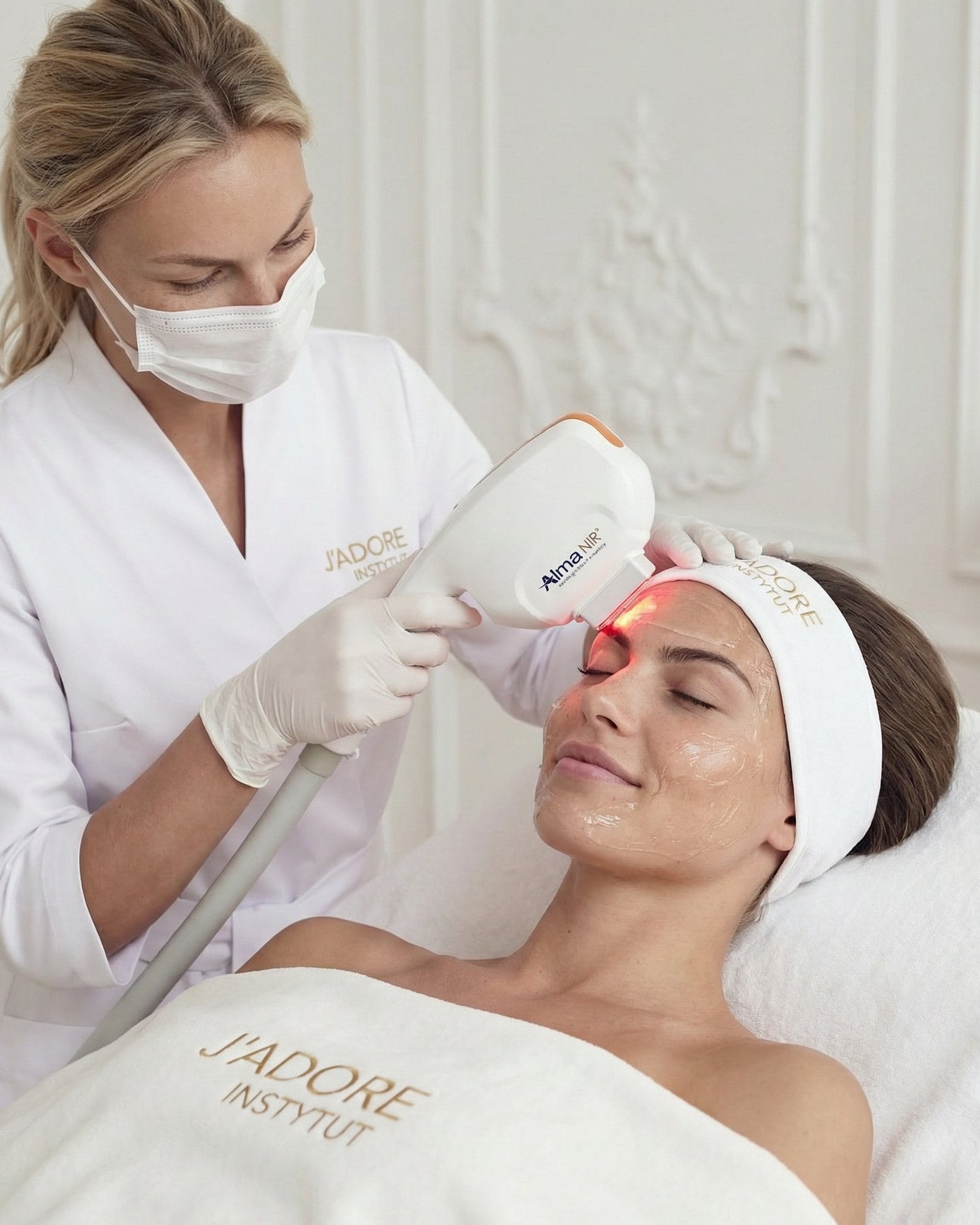
Your clothing should expose the area and not compress it after you leave.
For an abdomen treatment, choose an outfit with a waistband that does not cut into the treated zone. For thighs and buttocks, loose-fitting bottoms work best. For arms, choose sleeves that are easy to roll up without tight elastic. You do not need special clothing for the face, but consider a hat, scarf or helmet strap if they will rub against your skin for a long time after your visit.
Practical preparation also includes your journey home. A hot car, a brisk walk in the heat or immediate exercise can add to your body temperature. We do not mean you should organise your day as if after surgery. We mean you should avoid a situation where you immediately trap your skin under tight, damp clothing after controlled heating.
A consultation may result in a change of area or date.
Before starting, the specialist should examine your skin, take a medical history, discuss heat sensations and set a realistic goal. If an active infection, injury, severe redness or a concerning lesion is visible in the area, the treatment may be postponed. This decision does not mean your preparation was wasted. It means that the information was used as intended.
It may also turn out that your expectations do not match the technology's capabilities. NIR can support skin tightening, but it does not remove large amounts of excess tissue, reshape bone or replace surgery. If you are preparing for a one-off transformation before an important day, the consultation should correct this plan before we deliver any energy.
Prepare photos showing the area before previous treatments if you have them, but do not expect an assessment based on photos alone. Body positioning, muscle tension and lighting can mimic changes in firmness. The specialist should examine the tissues in a comparable position and explain what will be monitored. The more precise the goal, the less temptation there is to increase intensity just for a more spectacular "after" photo.
The best checklist fits into a single message to the clinic.
If you are unsure whether a medication, a fresh tan or a previous treatment is relevant, write to us before your visit. Provide the name of the procedure, the area, the date and the current appearance of your skin. A photo without a filter can help, but it does not replace an examination. A reply allows you to avoid arriving only to find out that your skin requires rest or a medical consultation.
Prepare your own questions as well: what sensation is expected during heating, how the operator monitors your reaction, what you can do after returning home and which symptoms require a phone call. Ask if the treatment covers the entire indicated area or selected parts, and how comparison photos will be taken. This way, you will not interpret silence as consent to increasingly higher temperatures. During the session, you have the right to report a change in sensation and ask to stop; communication is a part of control, not an obstacle for the specialist.
If your physical condition on the day of your visit deviates from the norm — you have a fever, infection, rash or a fresh injury — inform the clinic before you arrive. Do not try to pass the qualification process using makeup, antipyretics or by omitting symptoms. Thermolifting is a planned treatment. Its date can be changed, but safety cannot be recovered by explaining later that the ailments started earlier.
When choosing NIR thermolifting in Warsaw, also ask which platform and handpiece will be used for the treatment and what recommendations apply to your specific area. The name "thermolifting" is sometimes used for various energy sources. Preparation for infrared should not be mindlessly copied from instructions for radiofrequency, HIFU or ablative lasers.
If visiting the capital, check the location in your confirmation. Mińska 29A/46, 03-808 Warsaw is open Mon–Sat 9–21, and Żelazna 59, 00-848 Warsaw is open Mon–Sat 8–21 · Sun 11–19. Do not assume that the address from a previous booking remains current.