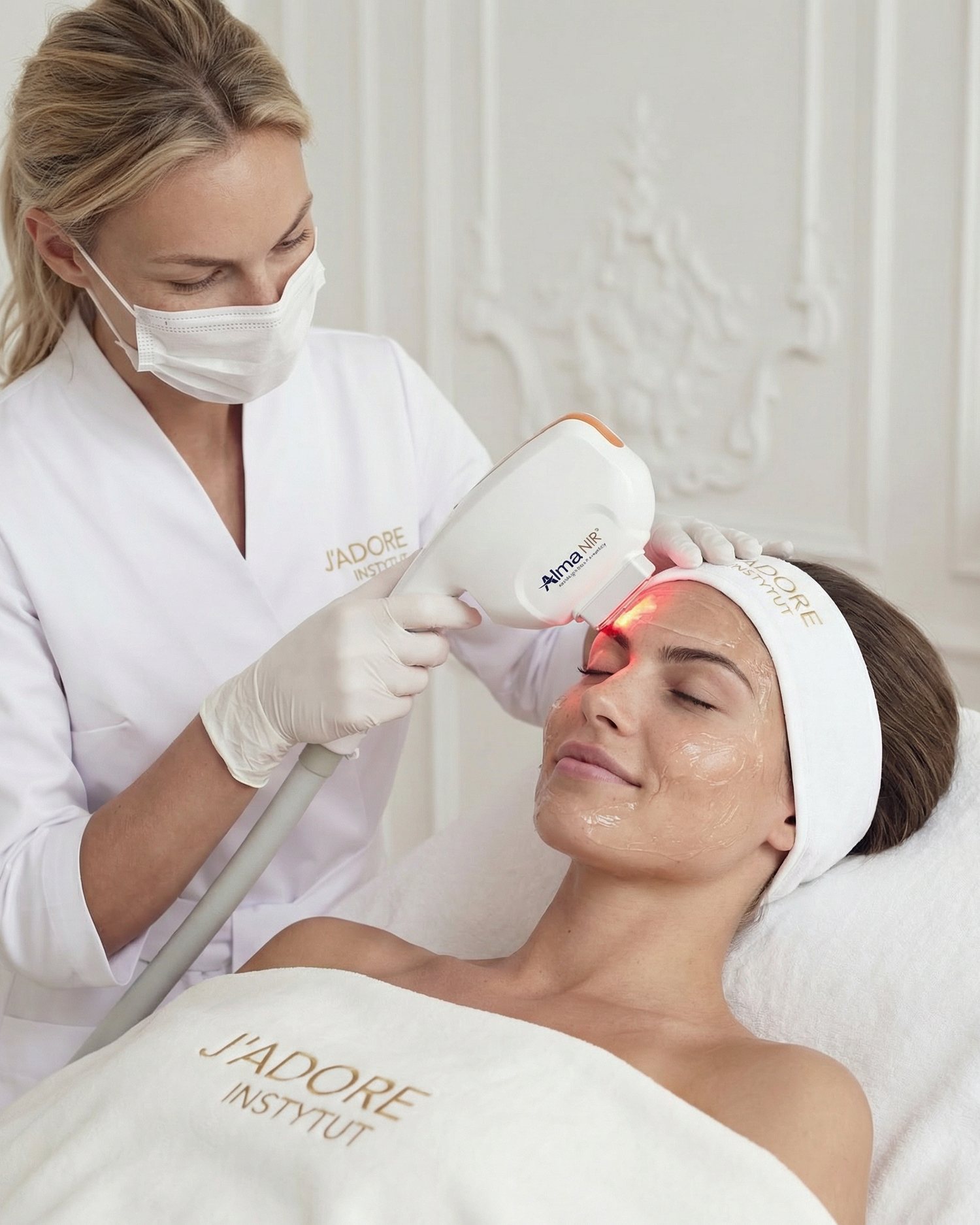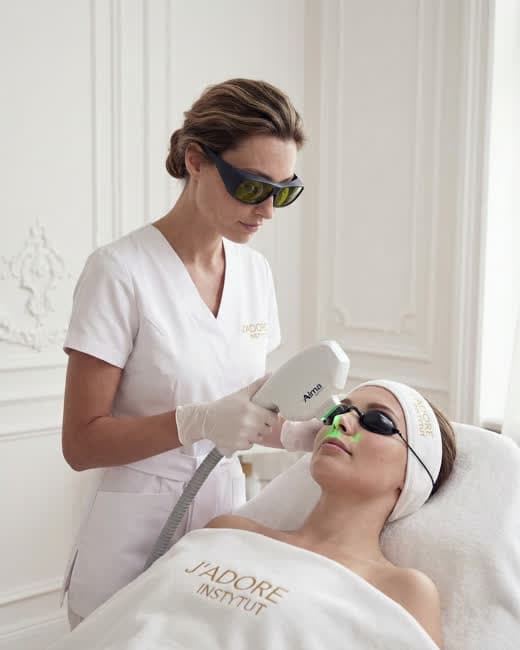
NIR heats tissues without removing the epidermal layer
In the NIR applicator, light energy from the near-infrared range is converted into heat. The operator guides the applicator over the area and monitors the skin's reaction instead of performing individual punctures or evaporating its surface. This explains why, after a correctly performed procedure, you should not expect the typical healing of an open wound. However, the skin was still intentionally heated, and its comfort may differ from its baseline state for some time.
A lack of visible damage is sometimes mistaken for a lack of effect. Meanwhile, the intention of thermolifting is to provide a thermal stimulus in the deeper layers. Redness, a feeling of warmth, or increased sensitivity to touch may occur without peeling. Therefore, aftercare following NIR is not meant to "repair burnt skin" but to limit additional stimuli until the surface returns to its usual sensation.
The first few hours are for releasing heat, not maintaining it
If your skin is slightly warm, choose loose clothing and do not compress the treated zone. On the abdomen, a tight belt can trap sweat and increase friction; tight sportswear has a similar effect on the thighs. On the face, a scarf, helmet, or a tightly fitted mask can be problematic. The goal is comfort and ventilation, not sterile isolation of the skin from the world.
Pay attention to your body position on the way home. After working on the abdomen, sitting for hours with a tight belt can produce different sensations than a leisurely walk. After an arm treatment, the strap of a heavy bag might press exactly into the heated area. These small details do not change the NIR mechanism, but they can create local redness from pressure, which is later easily mistaken for a reaction to the energy.
- 01
Monitoring the reaction
After an abdominal treatment, a client returns without redness, but an electric blanket leaves a mark corresponding to the surface of the blanket, not the applicator.
- 02
Responding to discomfort
In case of burning, turn off any additional heat source, remove any tight belts, and observe the skin in normal light.
- 03
Contacting the clinic
If the discomfort does not subside, contact the clinic and mention any additional heating; this will help distinguish a post-treatment reaction from a home-induced temperature spike.
In the evening, gentle washing and a simple cosmetic are enough
If you feel dryness, apply a thin layer of a simple moisturiser that your skin has not rejected before. A long ingredient list does not mean better support. On the first evening, the absence of burning and comfort are more important than active remodelling. A perfumed lotion, a warming oil, or a product with many stimulating ingredients can turn calm observation into guessing what caused the redness.
If the treatment was performed on the face, do not apply a thick layer of product just to feel "regeneration." Occlusion can increase the sensation of heat, and massage during application can add friction. On the body, wrapping lotion in foil or wearing shapewear immediately after application has a similar effect. The product should provide comfort in a thin layer; a larger amount does not automatically translate into a better skin response.
- lukewarm water instead of a very hot bath
- hands instead of a brush, sponge, or rough towel
- a familiar cleansing product without a strong fragrance
- a simple cream or lotion only if it improves comfort
- no homemade cooling mixtures or essential oils
Training, saunas, and hot baths add the same stimulus: temperature
Intense exercise raises body temperature, triggers sweat, and increases clothing friction. Saunas, steam, and long hot baths do this even more directly. After a procedure whose essence was controlled heating, it makes no sense to immediately add another uncontrolled heat source. This does not precisely strengthen the stimulus; it only makes it harder to assess the reaction.
Adjust your return to activity based on the recommendations and how your skin behaves. If the area is still clearly warm, burns under clothing, or turns red with slight movement, a heavy workout is not a good endurance test. A calm walk is a different situation than intervals in synthetic leggings. The key question is: will a given activity increase the temperature, moisture, or pressure in the treated area?
Retinoids, acids, and mechanical peels do not accelerate remodelling
- Distinct mechanism. NIR works through a different pathway than exfoliating cosmetics, so retinoids, acids, or enzyme masks do not lead in a straight line to tighter skin.
- Irritation risk. Combining these methods can increase the burning of the surface, which has become temporarily more reactive after heat.
- Misconception. It is misleading to assume that since the treatment leaves no wound, you can return to your entire active skincare routine in the evening without asking.
Returning to active ingredients depends on tolerance, the area, and the recommendations of the person performing the treatment. Do not determine this according to a rigid internet schedule. When a regular cream does not sting, the redness has disappeared, and the skin is neither hot nor tender, you can discuss gradually restoring your routine. If you are using a dermatological medication, do not stop it or restart it on your own solely because of thermolifting.
A gradual return also means not introducing everything on the same evening. When acid, brushing, and a strong lotion return at the same time, the appearance of burning provides no information about the culprit. It is more sensible to start with a basic routine, observe the area, and restore ingredients with higher irritation potential according to the plan. A clinic treatment is not an opportunity to test a whole shelf of samples.
The sun is not a continuation of NIR, but a separate burden
The near-infrared light used in the device and accidental sun exposure are not interchangeable. Outdoors, there is ultraviolet radiation, which the operator does not control. If the face, neck, or décolletage were treated, use the protection indicated by the specialist and limit direct tanning. For body areas, remember that thin summer fabric can expose the skin during movement.
Protection is not just about applying a product once in the morning. What matters is the amount, even coverage, reapplication according to the product instructions, and behaviours: shade, clothing, and avoiding intentional tanning. If the skin is more sensitive to touch or heat after NIR, the beach is not the place to check if the redness has already passed.
Massage of the treated zone can be pleasant, but it is not neutral
After thermolifting, there is sometimes a desire to "distribute the effect" with a massage. NIR does not leave a product under the skin that needs to be modelled. Strong kneading, cupping, dry brushing, or a roller add pressure and friction. If the treatment involved the abdomen, thighs, or arms, similar stimuli can also be provided by intense manual procedures performed on the same day.
This does not mean touching the skin is forbidden. Gently applying a lotion is different from an energetic modelling session. If you are planning to combine NIR with massage, endermology, or another technology, the order and interval should follow the protocol of both procedures. The specialist must know what was performed earlier, because redness after several stimuli no longer clearly says which one proved too intense.
Mild redness is expected, but blistering and increasing pain are not.
Temporary pinkness, warmth or tenderness may be a normal response to the stimulus. These should gradually subside rather than intensify. Pay close attention to any clearly defined, painful areas, persistent burning, blisters, weeping, significant swelling or changes in skin colour. These are not symptoms to wait out in the hope of a better result.
Photograph the treated area in diffused daylight and send the image to the salon according to the instructions provided. State the time the symptom began, its progression and anything you applied or did after the treatment. Do not cover the area with heavy make-up or apply random ointments before an assessment, unless advised by an authorised person. Seek medical help if the reaction escalates rapidly or if you experience general symptoms.
The first week should not be a competition for visible lifting.
Immediately after heating, the skin may look tighter due to a temporary tissue reaction. This is not a fair moment to judge the remodelling. The processes associated with thermal collagen stimulation do not end the moment the applicator is removed. Daily photography at different angles usually shows more differences in light and hydration than in the actual skin structure.
Instead of looking for changes every morning, check your comfort: has the skin returned to its normal temperature, does your clothing irritate the area, or does your usual cosmetic sting? Take comparison photos in similar lighting, positions and muscle tension. On the abdomen, breathing and pelvic tilt change the image more than you might notice in the mirror; the same applies to lifting your chin when treating the face.
- After the session
Calming the stimuli
Let your skin cool down and limit pressure, heat and friction.
- The following days
Returning to your routine
Resume your usual activities according to your comfort and the salon's advice, without adding several intensive procedures at once.
- Follow-up
Assessment under the same conditions
Compare photos and sensations, and plan the next stage only after analysing your reaction.
The next session depends on the skin's response, not just the schedule.
A series may be part of a thermolifting plan, but every visit should start with a brief summary of the previous one. Tell us how long the warmth lasted, whether there was tenderness, what happened after exercise and whether you returned to using active cosmetics. The information "everything was fine" is less useful than a specific description of the area's reaction.
If the skin is still irritated or if you have been tanning, had an infection, started a new medication or had another treatment in the area between sessions, the schedule may need to be adjusted. Rescheduling does not automatically ruin the effect. It allows you to avoid applying energy to an area whose current state was not accounted for in the original plan.
The next visit is not just about asking if you were red. It is worth describing whether the heat was distributed evenly, whether one fragment remained tender, whether your usual clothing started to bother you and whether the skin reacted differently to known cosmetics. Such a tolerance profile helps to assess the further plan. Automatically repeating settings without a conversation deprives the series of the possibility of real adjustment.
The plan after NIR should be short but specific.
A good aftercare card answers everyday questions: when you can wash the area, what type of cosmetic to choose, what to do about exercise, how to limit sun exposure and which number to call if you notice a worrying reaction. It does not need to contain a dozen specialist preparations. The simpler the home procedure, the easier it is to notice whether the skin is returning to balance or reacting to something new.
Recommendations should also take into account your work and body care. A person spending the day in a hot kitchen has different conditions than someone working at a desk, and a physiotherapist performing shoulder massages puts different strain on their own hands after the treatment. For NIR on the face, mandatory stage make-up may be important; for the thighs, a uniform made of thick material. Tell us about these realities, because a general "return to normal" can mean something different in each case. A good plan does not require time off, but it identifies the activities that need to be temporarily modified.
Save the phone number while still in the salon and make sure you know the hours it is operated. If a reaction appears in the evening, you will know whether to send a photo, call the facility's emergency number or seek medical help. Contact instructions are just as practical as the name of a cream. They reduce the temptation to look for a diagnosis in comments under a random video, where neither the device settings nor the skin condition before the session are visible.
If you choose NIR thermolifting in Krakow, also ask about recommendations for the specific area before you leave. The face encounters make-up and radiation, the thighs encounter clothing friction, and the abdomen encounters belts and exercise. The technology remains the same, but the life of the area after the treatment is different.
At Karmelicka 45/2B in Krakow (31-128), the salon is open from Monday to Saturday between 8:00 and 20:00. When choosing your NIR time, consider your journey home: a hot car, thick clothing or a brisk walk uphill can immediately add a thermal stimulus.
The most important detail is simple: thermolifting does not need a home booster. Regular washing, barrier comfort, reasonable limitation of heat and observation do more good than a series of experiments. Record unusual sensations instead of checking your skin with further stimuli, as a description of the reaction will be useful during the next qualification and will allow you to compare subsequent sessions without relying on unreliable memory. If the reaction is increasing instead of fading, contacting the salon is part of the care, not a sign of panic.