The profile of men's skin — what sets it apart
Men's skin differs from women's skin in several key ways. This directly shapes which treatments and products work best.
- Thicker structure — men's skin is around 10–20% thicker than women's. Products and treatments need to deliver active ingredients deeper to be effective.
- Higher sebum production — for much of their lives, men produce more sebum. This leads to enlarged pores, shine and acne.
- Faster healing — men's skin regenerates more efficiently after treatments, so regenerative treatments often show visible results sooner.
- Wrinkles appear later, but can be deeper — prevention matters here more than ever, and the results of smoothing treatments can be very pronounced.
- Daily shaving — micro-injuries to the skin barrier build up over the years. They cause irritation, ingrown hairs and inflammatory reactions.
Acne and excess oiliness
Oily skin prone to blackheads and blemishes is a common issue for men — especially before the age of 35. Higher sebum production combined with thicker skin means pores clog easily. Even small lapses in skincare show up fast.
Post-shaving irritation
Daily shaving means daily micro-injuries to the skin. Over months and years, this can lead to chronic redness, ingrown hairs, post-inflammatory hyperpigmentation (PIH) and so-called shaving-related acne.
- EstGen — can soothe irritated skin and support repair of the skin barrier.
- LED therapy — helps reduce inflammation.
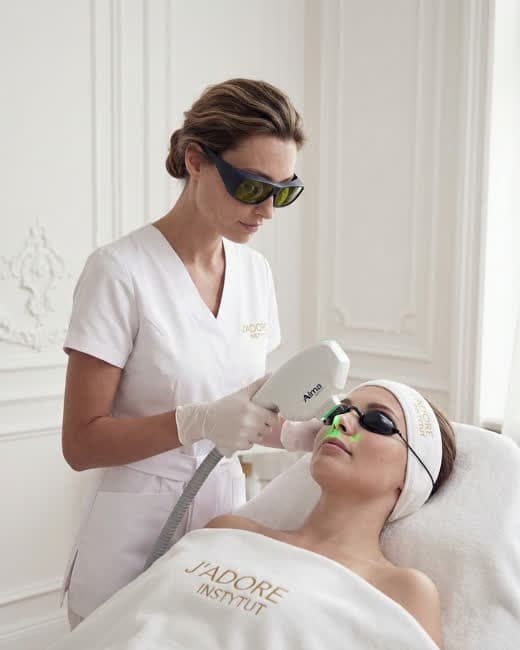
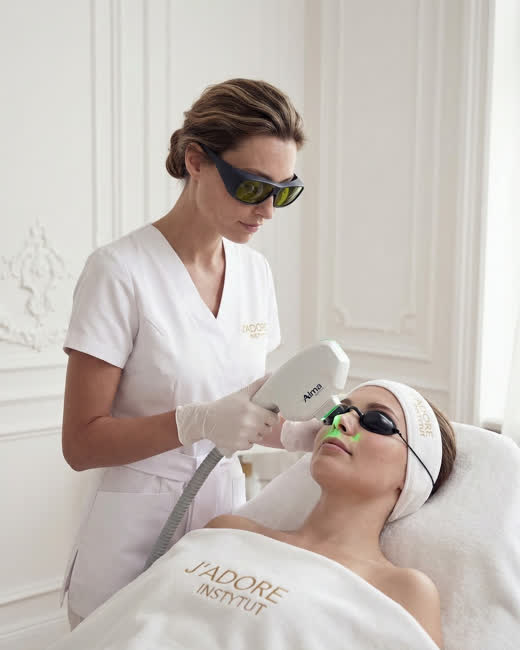
- Laser hair removal on the beard and neck area — for many men, this eliminates or significantly reduces the need for daily shaving.
Enlarged pores and uneven skin texture
Enlarged pores are common in men — thicker skin and higher sebum production both contribute. But this isn't irreversible. Consistent skincare and the right treatments can noticeably improve skin texture.
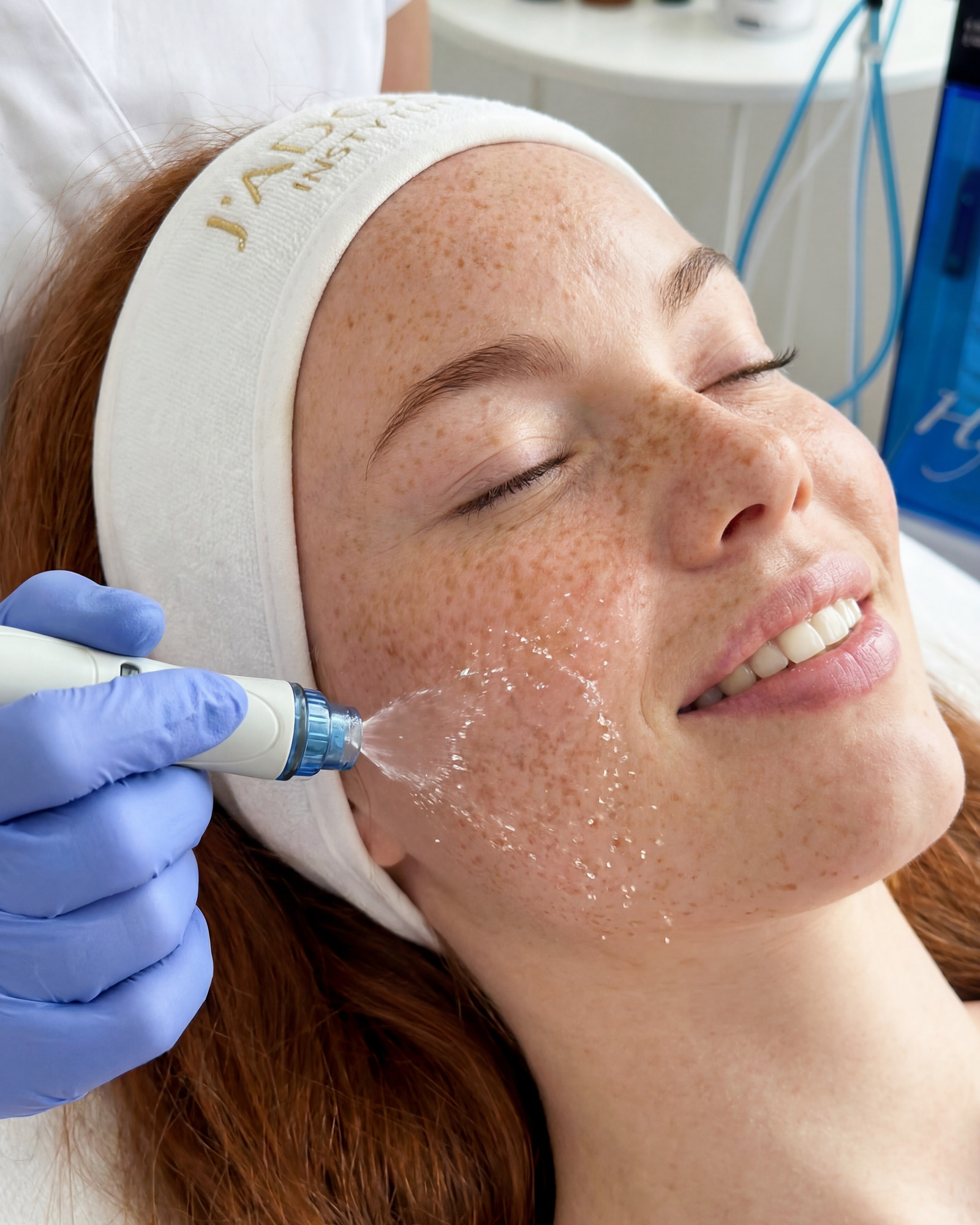
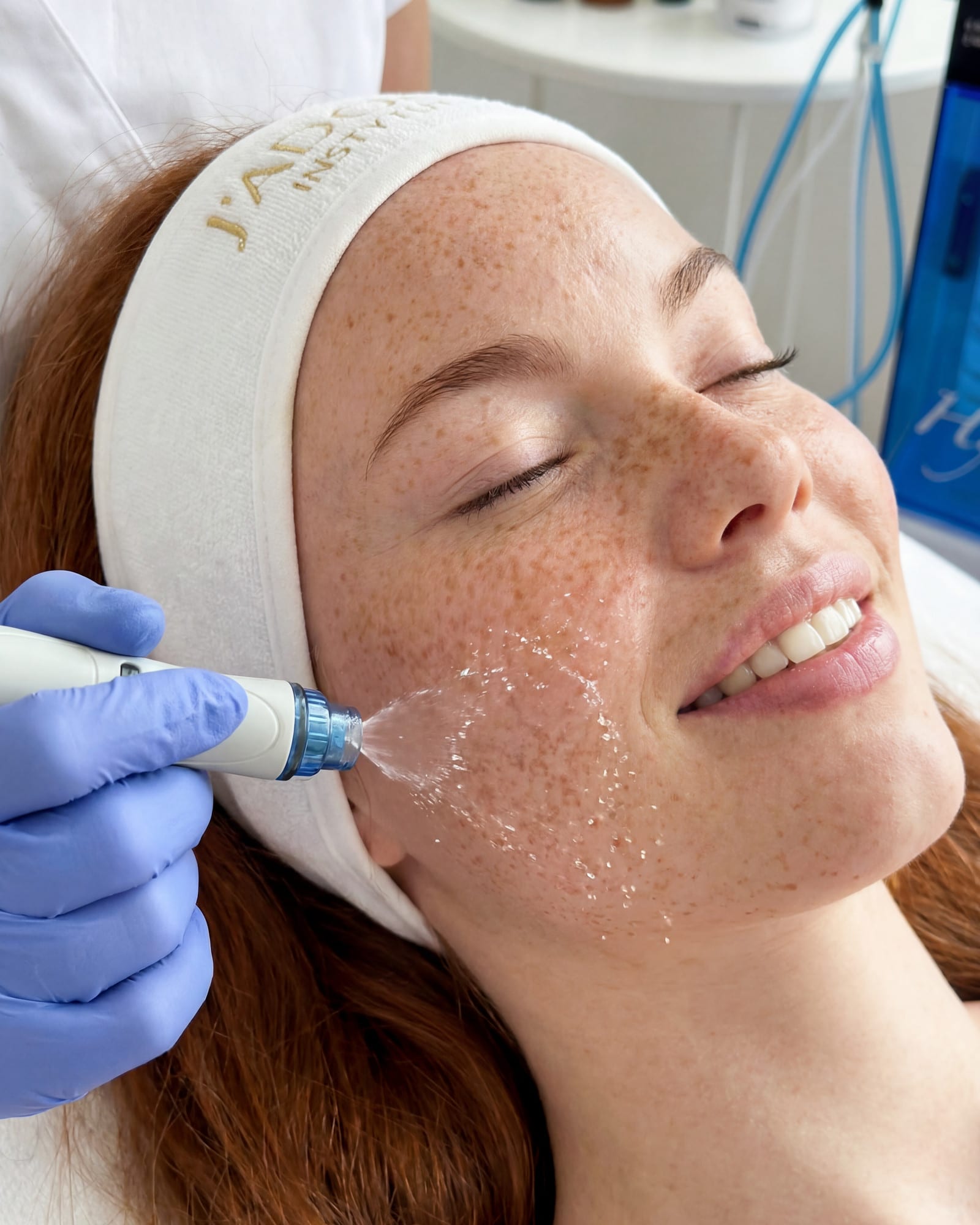
- HydraFacial — mechanical cleansing combined with a pore-tightening serum.
- Cavitation peel — exfoliation without acids, safe even for sensitive skin.
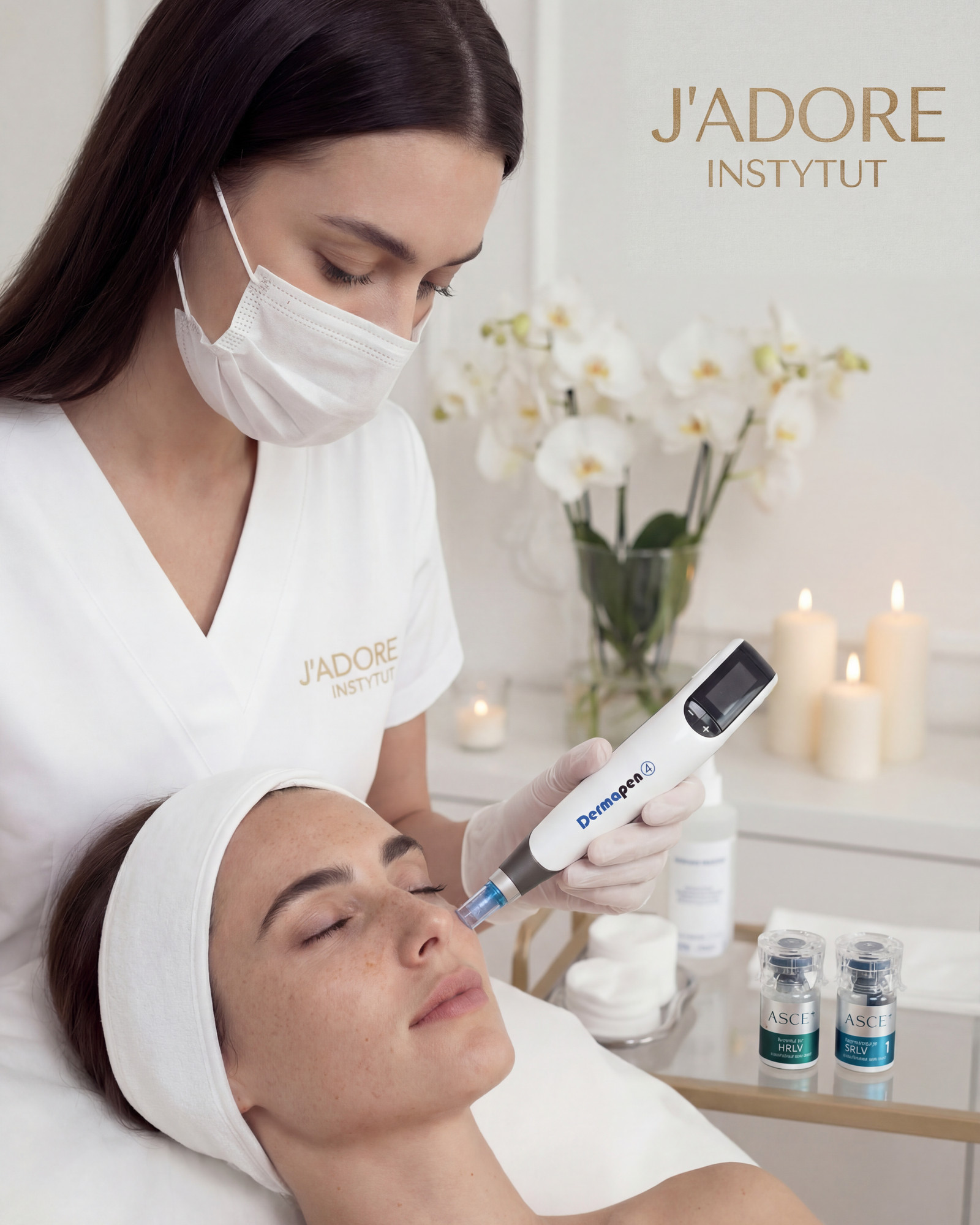
- Dermapen (microneedling) — stimulates collagen production. For many, it improves the appearance of pores and overall skin texture.
Early wrinkles and signs of fatigue
Expression lines — on the forehead, around the eyes, between the brows — often appear later in men than in women. When they do appear, though, they tend to be deeper. Dark circles and under-eye swelling, on the other hand, affect men of every age.
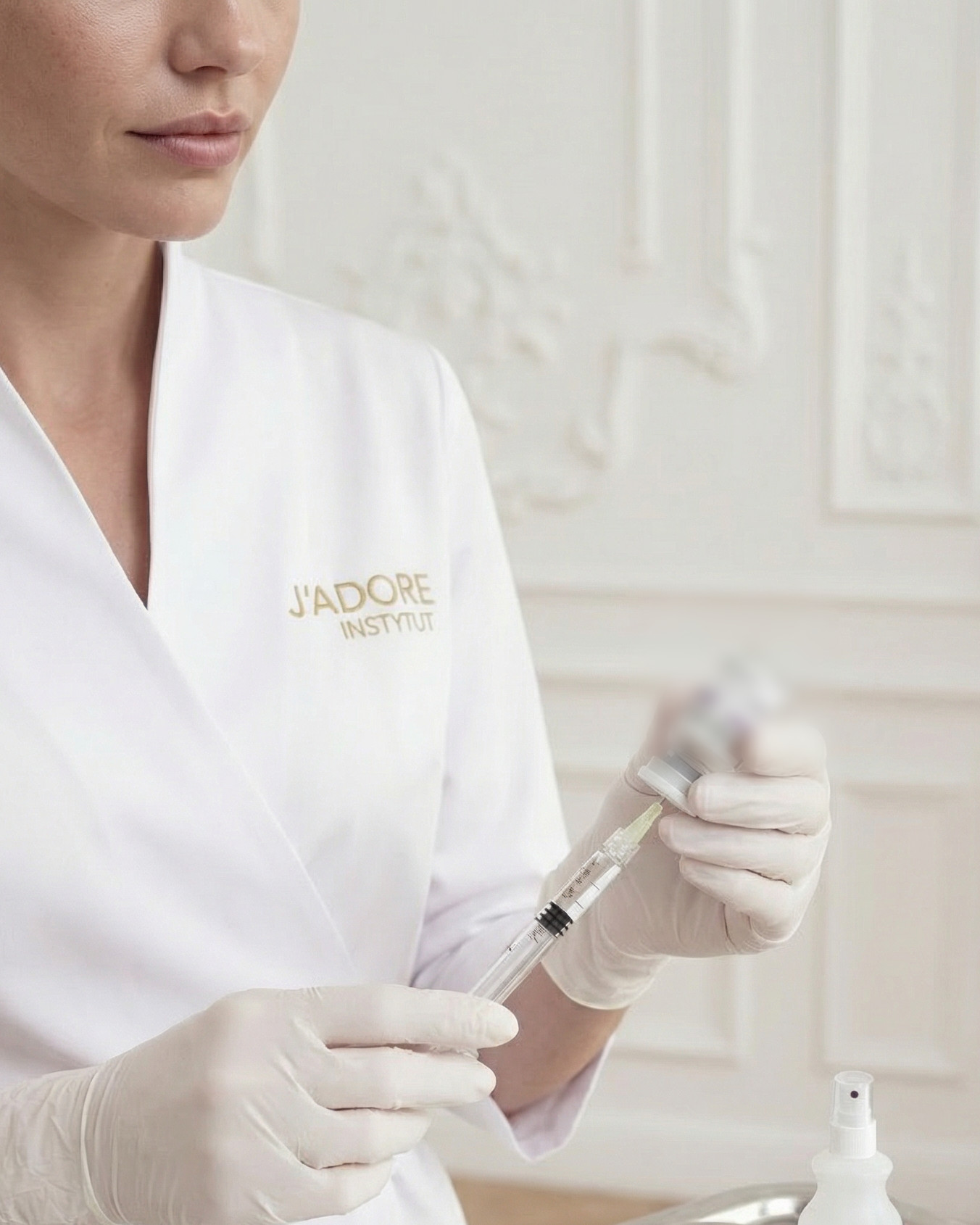
- Botox — commonly used in men on the forehead and between the brows (the so-called frown line). Results can be very pronounced.
- Skin biostimulator — deep hydration and improved skin elasticity, without changing facial features.
- Mesotherapy around the eyes — can reduce dark circles and swelling, and improve the condition of the skin around the eyes.
Facial hair and brows — groomed, but natural
Well-groomed brows and facial hair are now standard in men's grooming. It's not about a "feminine" aesthetic — it's about caring for your overall appearance.
- Brow shaping and styling — natural, but well-groomed. At your first visit, we determine the shape that suits your features.
- Brow tint — a more intense, more defined brow colour.
- Beard trimming with conditioning masks — comprehensive care for both the beard and the skin beneath it.
A home routine for men — kept simple
Men often don't need elaborate skincare routines. Three or four products used consistently give better results than ten products used sporadically.