Why blackheads are so hard to ignore
A blackhead is a blocked hair follicle opening — a build-up of sebum, dead skin cells and debris that oxidises and darkens on contact with air (hence the "black dot"), or stays trapped under a thin layer of skin (a closed, whitehead-type blackhead). From a medical standpoint, it isn't inflammation — not until it's interfered with. That interference is the most common source of problems, not the blackhead itself.
Six myths — one by one
Myth 1: "If you squeeze it out, the pore clears and stays clear." Fact: a pore isn't a container that stays empty once emptied. After its contents are removed, the follicle immediately starts producing sebum again — that's its biological function. What's more, unskilled squeezing can damage the follicle wall and cause it to widen. An enlarged pore looks more visible than the blackhead that was in it before, and over time it becomes harder for it to return to its original shape.
Myth 2: "Just press hard enough and it all comes out." Fact: much of what you feel during squeezing isn't the blackhead's contents coming out — it's the tissue around the pore reacting to the pressure. Pressing too hard damages blood vessels in the dermis and can push bacteria from the skin's surface deeper. The result: redness, swelling, pain — and within a few days, potential inflammation in exactly the same spot, only deeper and harder to treat.
Myth 3: "Good skincare means regular cleansing — which is exactly what I'm doing." Fact: this word is a trap. In cosmetology, "cleansing" means something completely different from mechanical squeezing. Proper skin cleansing removes debris from the surface, regulates sebum production and supports the natural hydrolipidic barrier. Squeezing is tissue trauma, not skincare. The difference is like washing a window versus smashing a hole in it because more dirt would fall out that way.
Myth 4: "Toothpaste, baking soda, wax — home remedies work just as well as a salon treatment." Fact: home "hacks" for blackheads all share one thing in common — they give you no control over what they're doing to your skin. Toothpaste is alkaline and contains whitening ingredients never meant for facial skin; baking soda is abrasive and destroys the skin's acidic protective mantle; home hair-removal wax used on the face is too hot and imprecise. The results can be dramatic — burns, irritation, a damaged skin barrier. Skin responds well to acidity and consistency, not experiments.
Myth 5: "Oily skin is dirty skin — you need to wash it hard." Fact: this is one of the most damaging myths in skincare. Excess sebum is a hormonal and genetic issue, not a hygiene one. Aggressive, frequent washing dries out the skin's surface and — paradoxically — stimulates the sebaceous glands to produce even more sebum, as the skin tries to compensate for the lost oil. It becomes a vicious cycle: wash harder → skin gets oilier faster → more blackheads appear. Breaking this cycle takes patience and a good cosmetologist.
Myth 6: "Doing it once won't hurt." Fact: squeezing leaves micro-injuries that take several days to heal. During that time, the area is more vulnerable to bacterial infection. Repeated in the same spots — a natural tendency, since blackheads have their "favourite" areas — this can lead to permanently enlarged pores, post-inflammatory hyperpigmentation and, in people prone to it, scarring. The nose, chin and forehead are particularly at risk, where skin is both thinner and denser than elsewhere.
Red flag: when home treatment does the most damage
What actually helps — instead of squeezing
If squeezing does more harm than good, the logical question is: what actually works? There's no single answer, because blackheads have different causes — which is why one product rarely solves the problem for good. Still, there are a few things dermatology and cosmetology consistently confirm.
- Salicylic acid (BHA) — works inside the pore, dissolves sebum and exfoliates from within. The most targeted ingredient for blackheads in daily skincare.
- Retinoids (retinol, tretinoin) — speed up cell renewal and regulate sebum production. Results appear after a few weeks of consistent use, not overnight.
- Glycolic and lactic acid (AHA) — exfoliate the surface of the epidermis and reduce the risk of clogged pores. Gentler on sensitive skin than BHA.
- Niacinamide — regulates sebum production and reduces the visibility of pores over a few weeks.
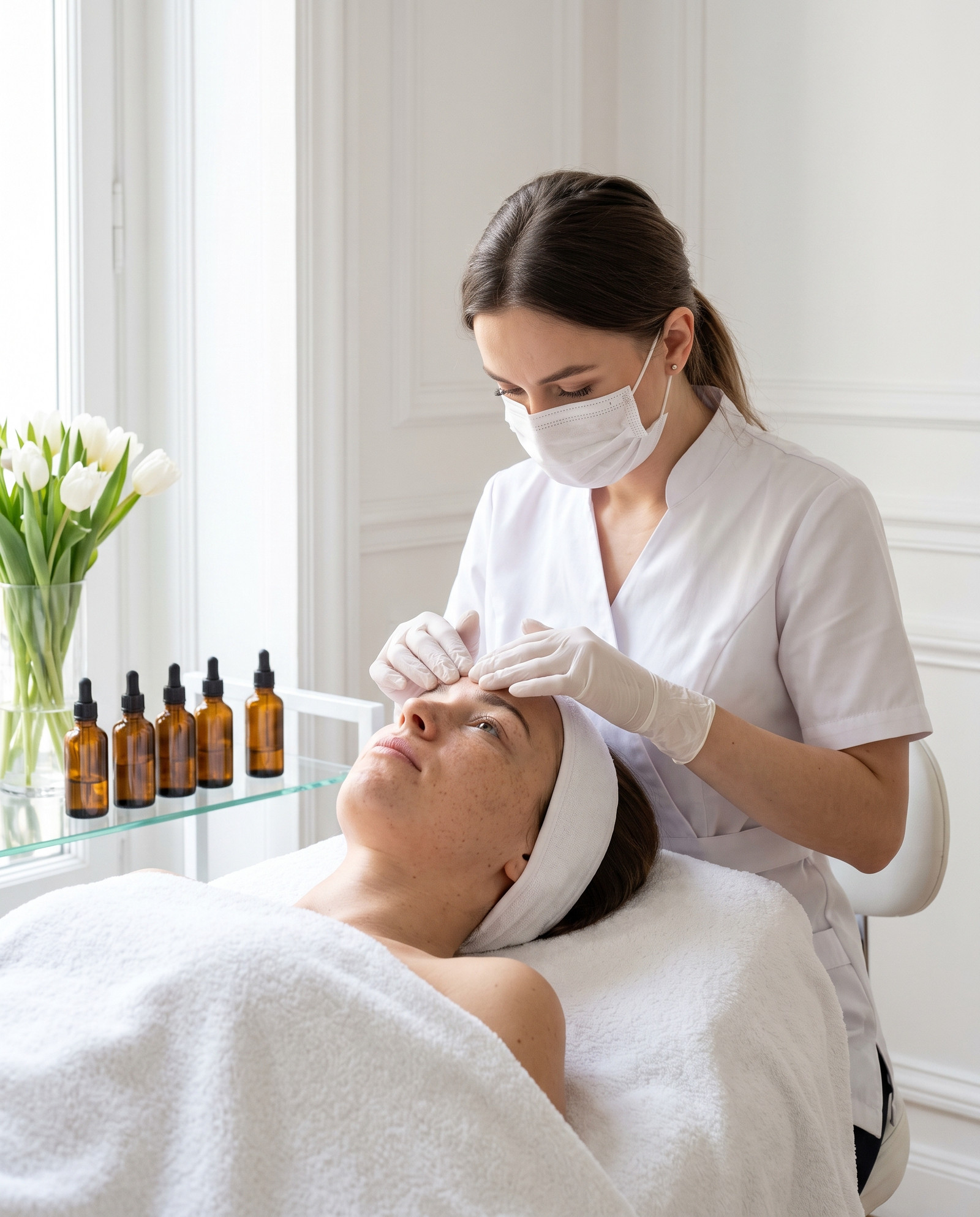
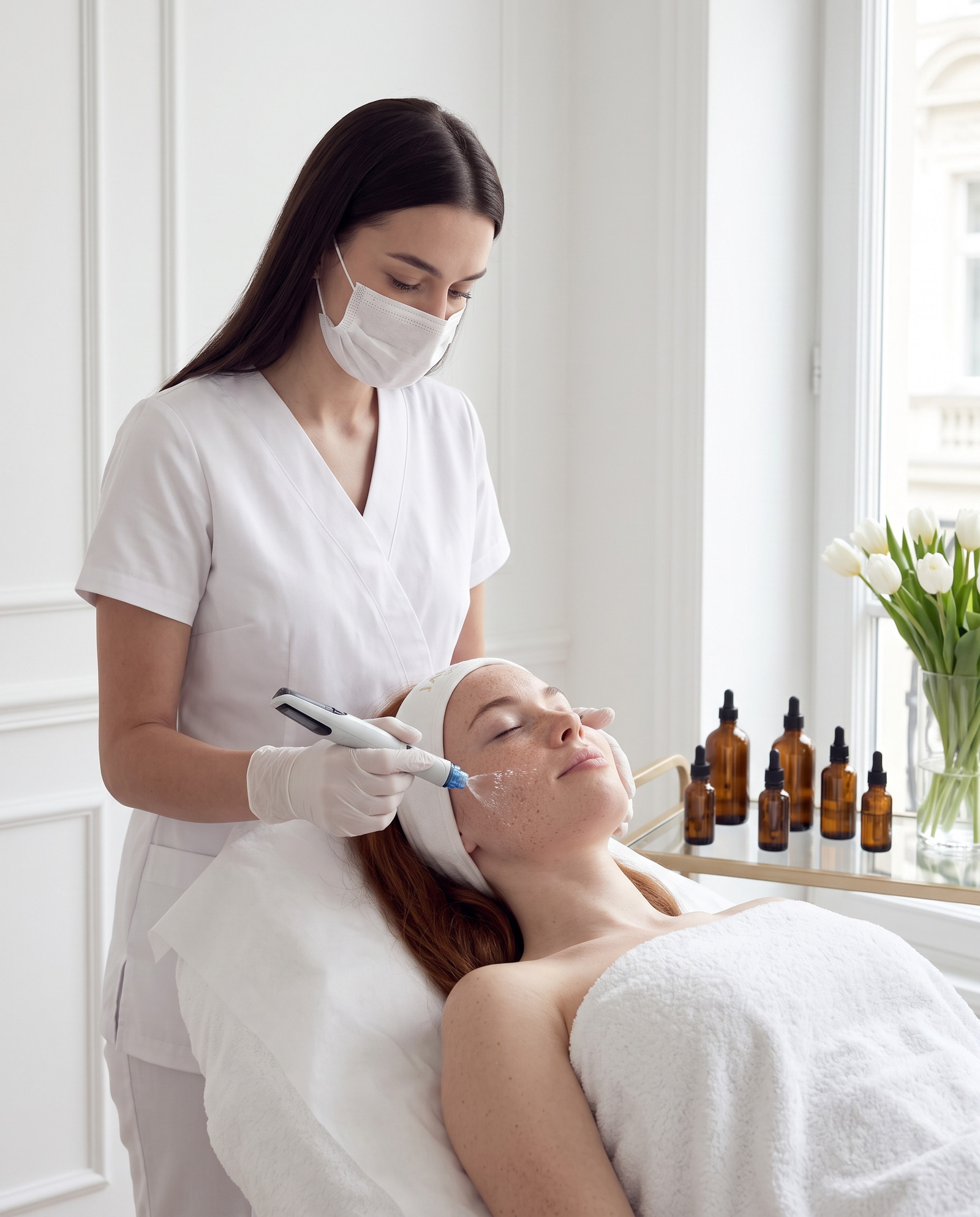
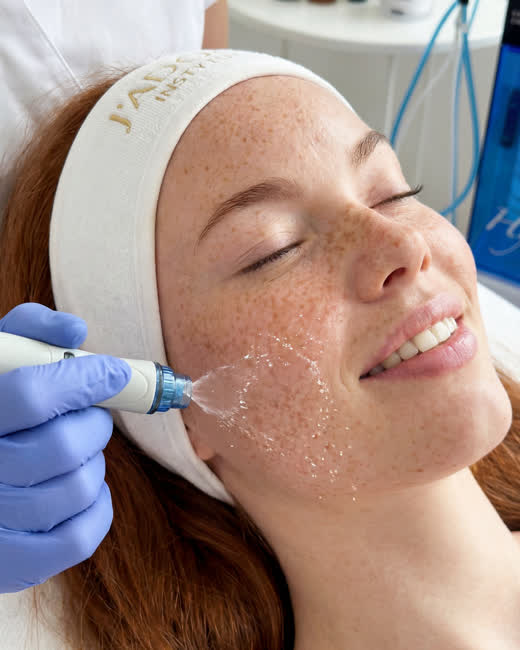
- Professional manual cleansing — the only safe method of removing blackheads, because technique and tools make all the difference here.
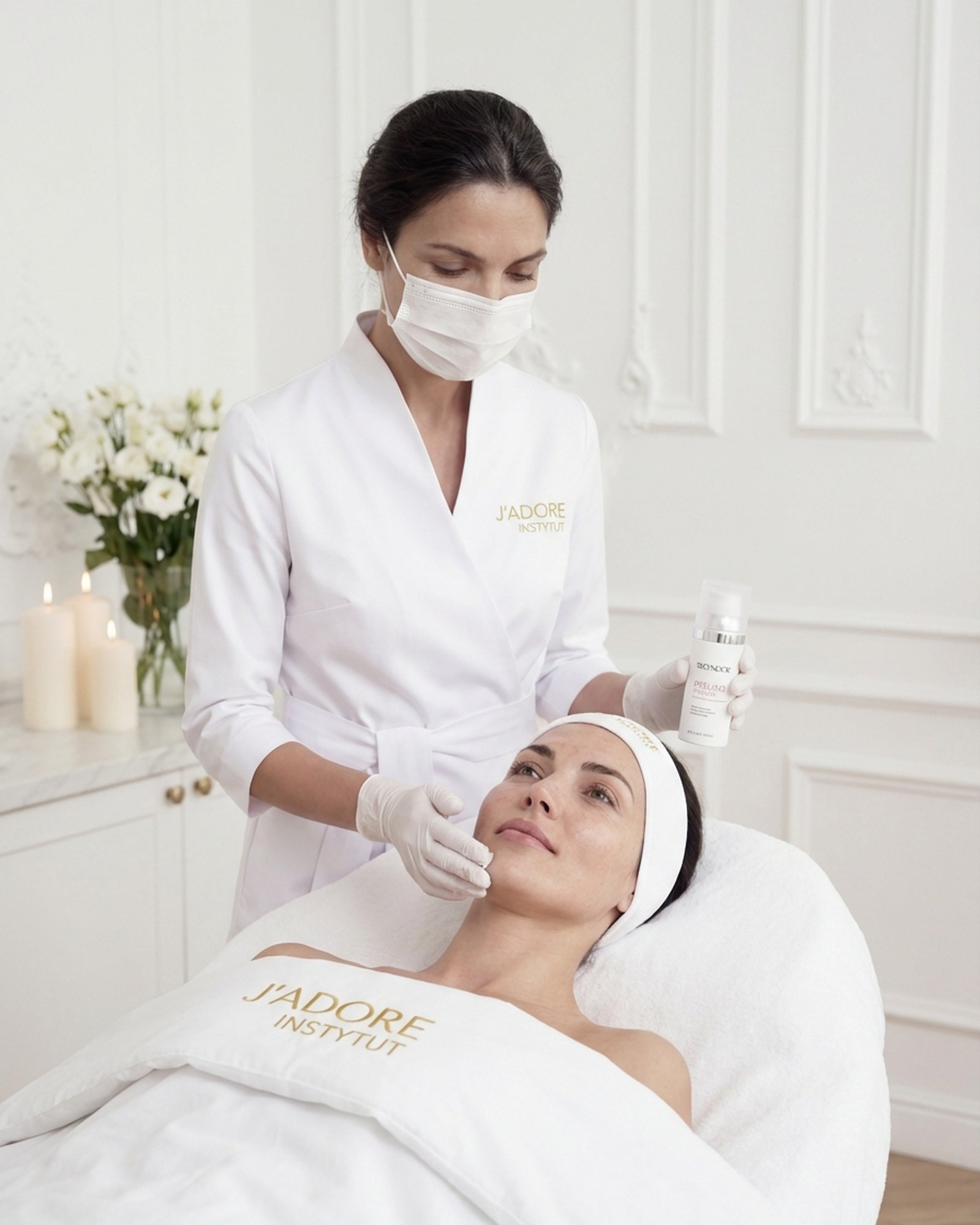
This last point needs unpacking, because we often get asked: isn't a salon cleansing session just the same thing you'd do at home, only more expensive? The difference is fundamental. In the salon, skin is properly prepared (warmed, softened), tools are sterile, technique minimises tissue damage, and — crucially — we assess which blackheads can be safely removed at that moment. A cosmetologist knows when to stop. No mirror, and no feeling that it's "almost out", can replace that knowledge.

Blackheads in women and men — same anatomy, different habits
Blackheads don't discriminate — they affect oily, combination and, surprisingly to many, even dry skin. The difference between women and men lies mainly in skin thickness and how much sebum is produced. Men's skin is, on average, thicker and more prone to oiliness, which makes blackheads more common, deeper-set and harder to remove without the right tools. At the same time, men are less likely to follow a regular skincare routine — the result is often a neglected T-zone, a nose with visibly enlarged pores, and a tendency towards sudden interventions along the lines of "I'll just squeeze it out".
In women, blackheads often flare up cyclically — before a period, during pregnancy, or when switching contraception, whenever hormone levels affect sebum production. This is worth noting, because it suggests skincare products alone might not be enough: sometimes a conversation with a gynaecologist or dermatologist is needed, not another cleansing toner. In our salon, we always ask about your cycle and hormonal history — it isn't idle curiosity, it's part of the assessment.
Where to start — if you want a real change
If you've been squeezing blackheads at home for years, your skin is probably stuck in a state of chronic irritation that fuels sebum production on its own. Breaking that cycle starts with one decision: stop squeezing and let a cosmetologist take over for at least a few weeks.
A first manual cleansing session in the salon often brings a sense of relief that years of home treatment never achieved. This isn't a placebo effect — it's the result of properly prepared skin and pore contents removed without further tissue damage. After the treatment, your cosmetologist will recommend home care ingredients — usually salicylic or glycolic acid at concentrations safe for daily use — to extend the cleansing effect and gradually reduce your skin's tendency to clog. Regular treatments and consistent home care are the only strategy that truly changes your skin — not a one-off session in front of the mirror.