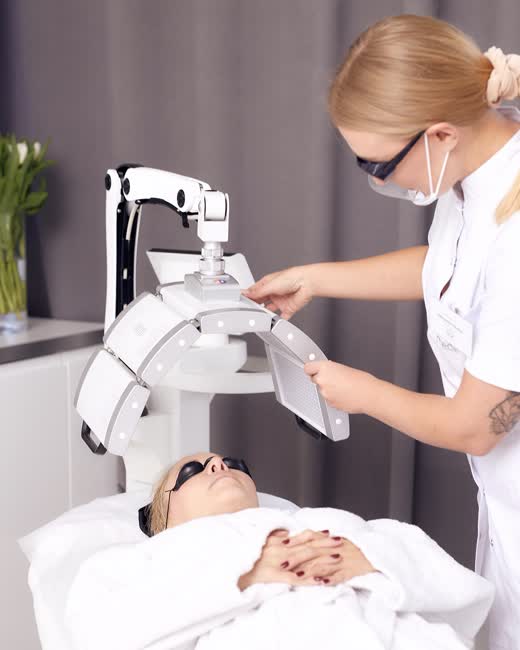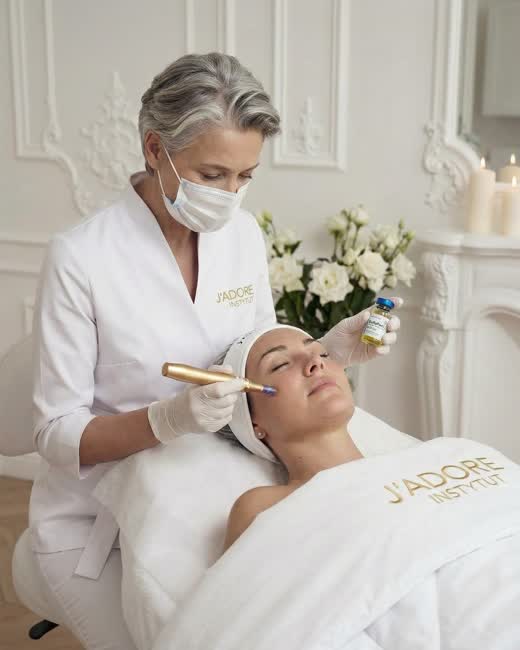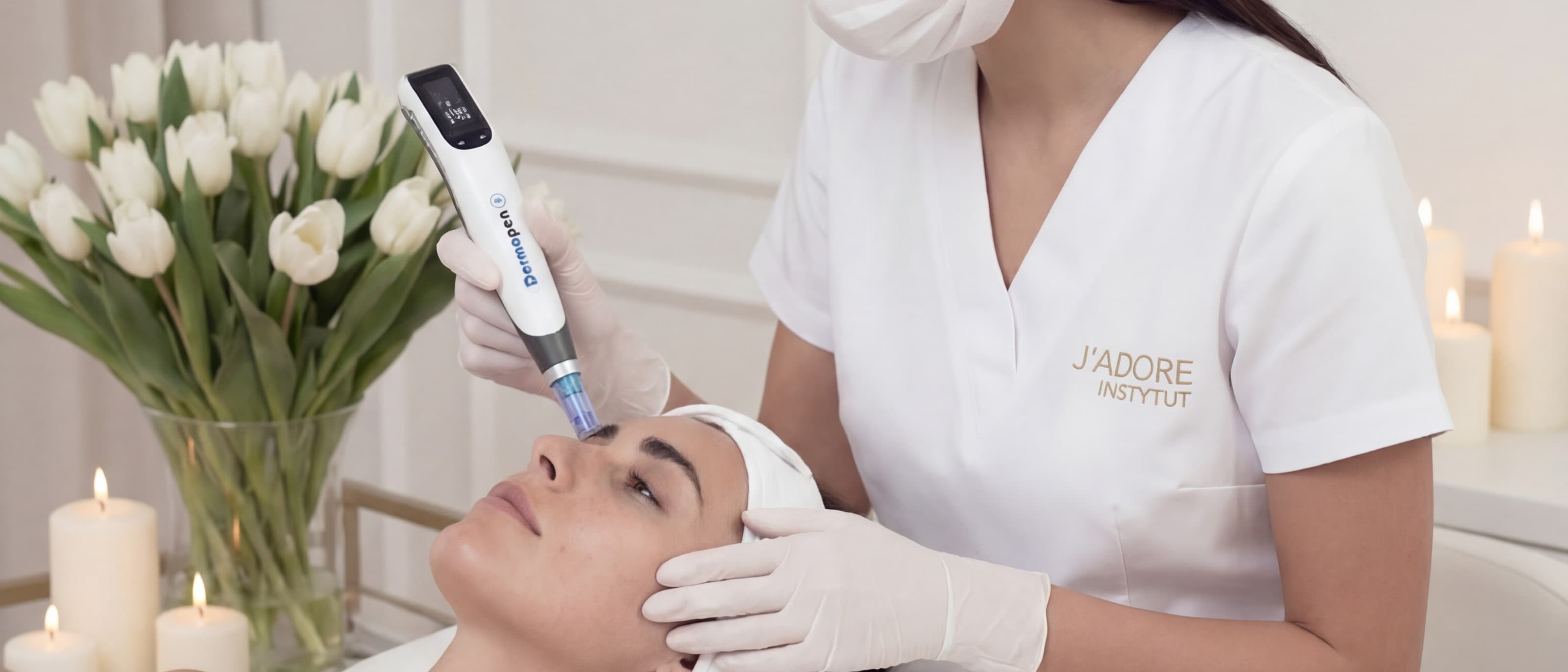
 A treatment room at J'adore
FACIAL COSMETOLOGY
Microneedling mesotherapy (Dermapen), also known as fractional mesotherapy, involves performing controlled micro-punctures of the skin. The treatment is used for acne scars, enlarged pores, fine wrinkles and uneven skin texture.
Its selection and parameters are decided by a cosmetologist after consultation; the skin's reaction is individual. Below you will find information about the visit, aftercare and booking.
The number of treatments and the intervals between appointments are determined by the specialist after assessing the skin. The plan depends on the area, the type of lesions and the skin's individual response.
How it works
Dermapen is a pen-shaped device with a sterile, single-use cartridge with microneedles. During the treatment, it performs controlled micro-punctures. The cosmetologist selects the working depth according to the area and skin assessment during the consultation.
The term fractional mesotherapy here refers to microneedling of the skin. The visit also includes the selection of serum and skincare. Their selection should be discussed with a cosmetologist, taking into account skin sensitivity and previous treatments.
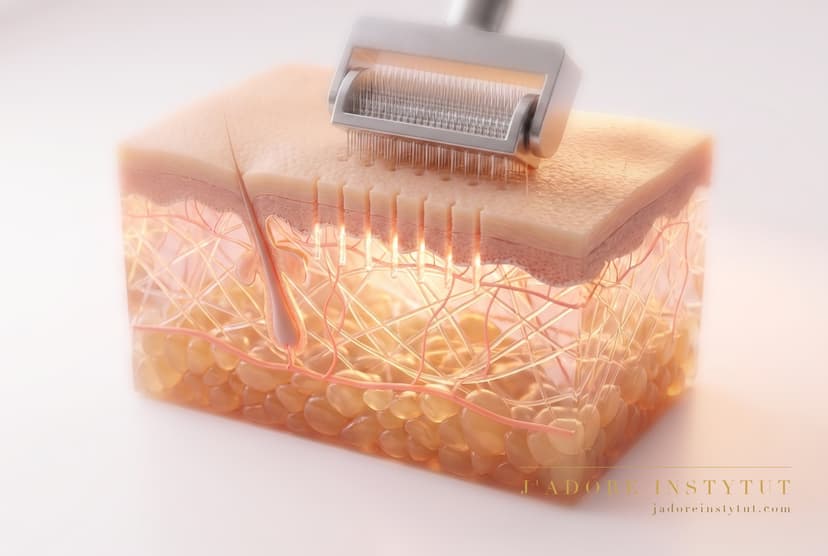
Before your visit: the names “microneedling mesotherapy” and “fractional mesotherapy” appear in Dermapen descriptions. During the consultation, it is worth confirming the scope of the planned treatment.
Ideal for
Women's and men's needs
During the consultation for women, we discuss acne scars, pores, skin tone and firmness. The cosmetologist assesses whether microneedling mesotherapy is suitable and determines the scope of the appointment.
What we work with
During a consultation for men, the cosmetologist assesses scars, pores and skin condition, also taking into account shaving and daily skincare. On this basis, they select the parameters and treatment plan.
What we work with
Scope of the treatment: microneedling is also sometimes used for stretch marks and post-traumatic scars. Whether it can be performed in a given area is decided by the cosmetologist after a consultation.
Dermapen, fractional microneedling RF or fractional laser
Dermapen, RF microneedling and fractional laser differ in their mechanism of action and healing process. The choice of method is determined by an assessment of the skin and contraindications.
mechanical micro-injuries + serum
the type and depth of scars require consultation
needles + RF energy (heat)
the scope of the treatment and healing time are discussed by the specialist
thermal micro-columns
the recovery time and risks are discussed by a specialist
From the cosmetologist's chair
We do not select a method solely on the basis of the name of the problem. The consultation includes an assessment of the skin, a medical history and a discussion of the possibilities for planning regeneration.
Safety
Before microneedling, it is worth asking about the qualifications of the person performing the treatment, the sterility of the cartridge and the choice of skincare. We discuss these matters during the consultation.
At J'adore, the treatment is carried out by an experienced cosmetologist, who assesses your scar type and skin phototype, and chooses needle depth, serum and number of sessions. This is expertise, not "running a pen over your face".
The needles come into contact with blood and lymph — the cartridge must be new, single-use, and opened in front of you. A shared head is an unacceptable infection risk.
Ask about the composition and origin of the product used. The selection takes into account the condition of the skin and information from the consultation.
Qualifications and hygiene of the treatment · The cartridge should be sterile and single-use. Before the treatment, you can ask about the cosmetologist's qualifications, the serum used, the course of the appointment and the recommendations after microneedling.
Contraindications
This treatment involves breaking the skin's surface (microneedling) — so some contraindications are absolute, and some are temporary: in those cases, we simply postpone the treatment until the situation resolves.
From the cosmetologist's chair
The most commonly overlooked issue is herpes. Clients say, "I only have it on my lips, and we're treating my cheeks — that shouldn't matter." It does matter: an active virus during skin needling carries a real risk of spreading, regardless of where it appears. It's better to postpone by a few days and treat healthy skin.
This isn't an exhaustive list — we'll go through your medications, skin conditions, phototype and previous treatments individually during your consultation.
The visit

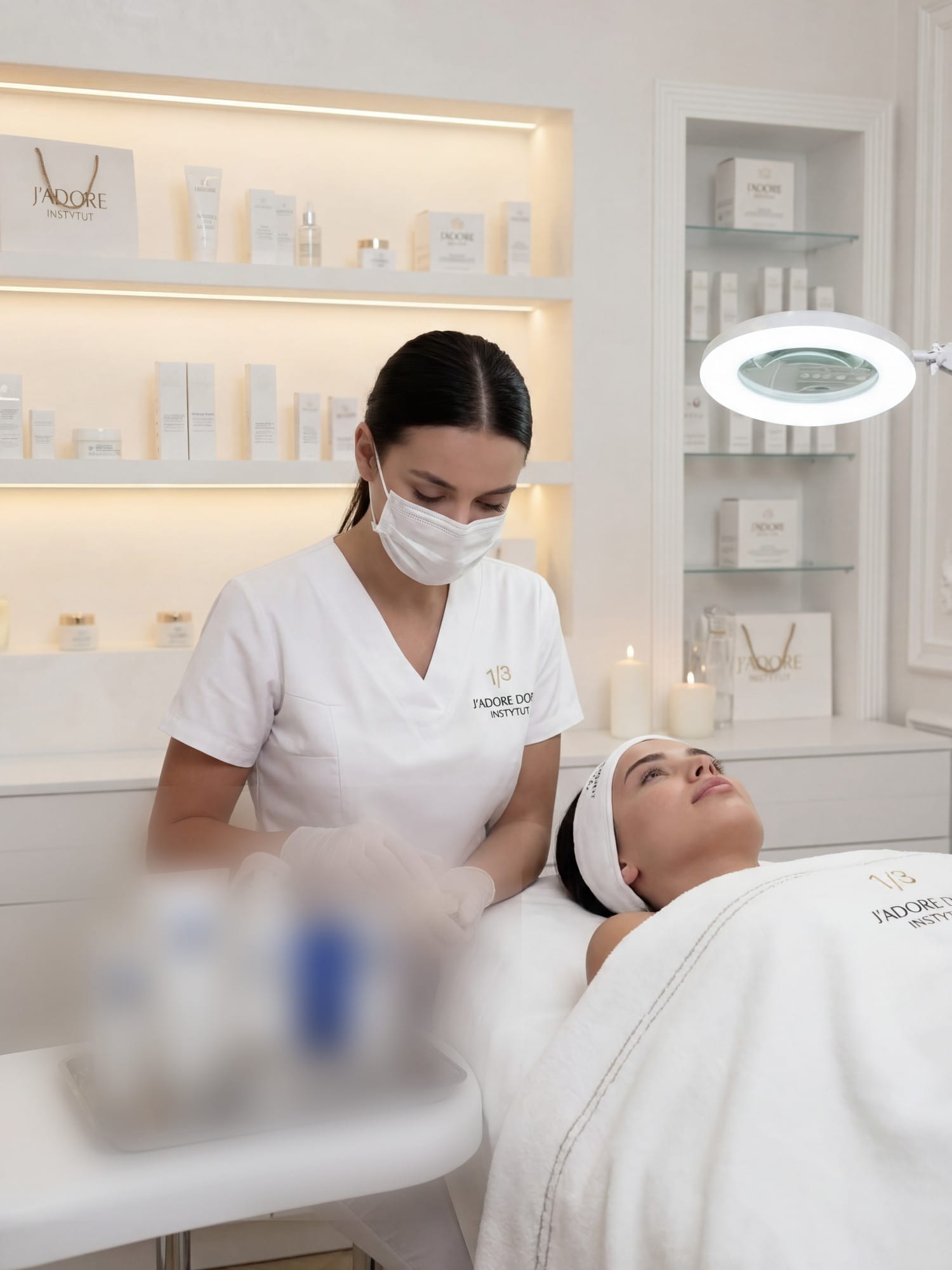
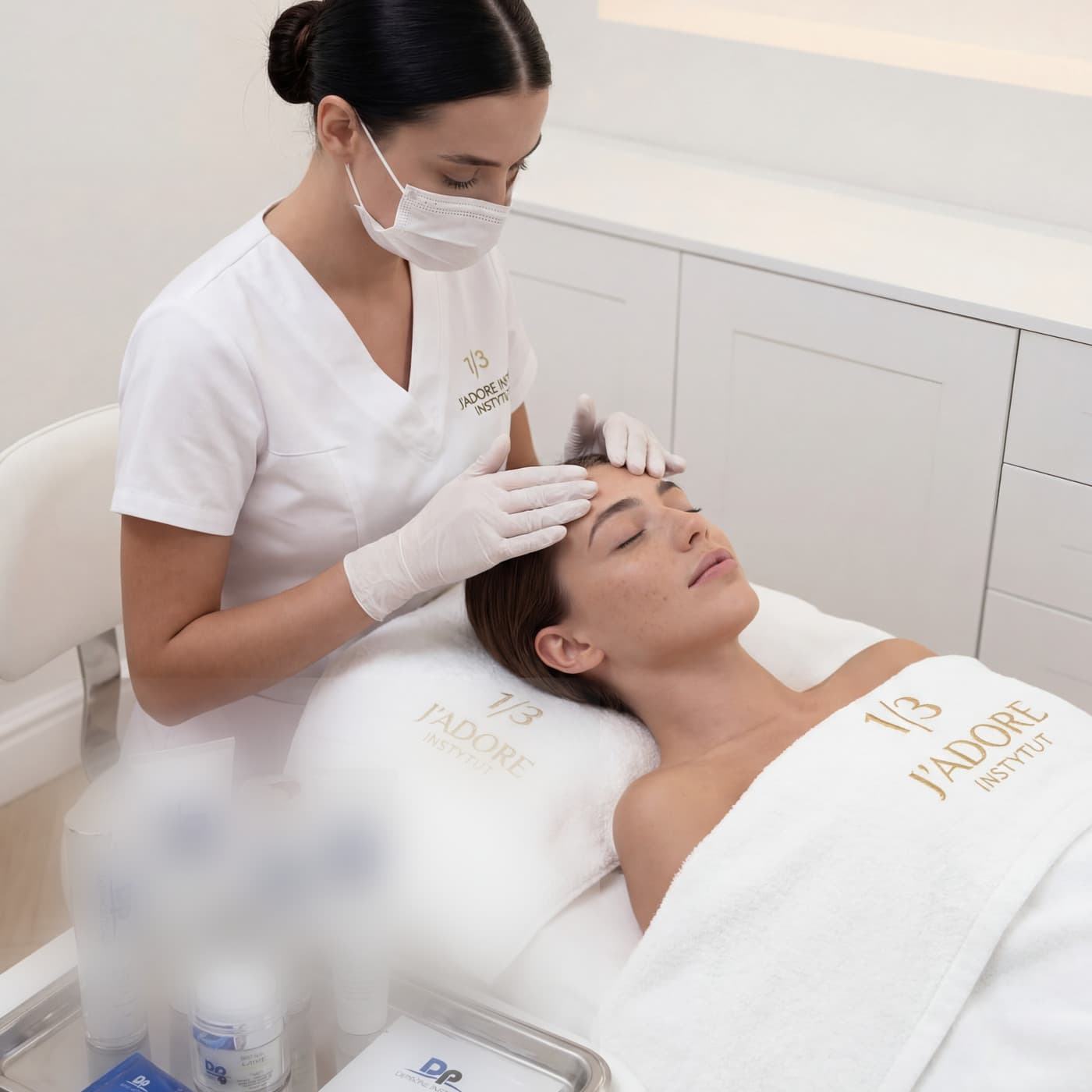
Consultation & skin assessment
the cosmetologist evaluates your concern (scars, pores, tone), skin phototype and expectations, chooses needle depth and serum, and rules out contraindications.
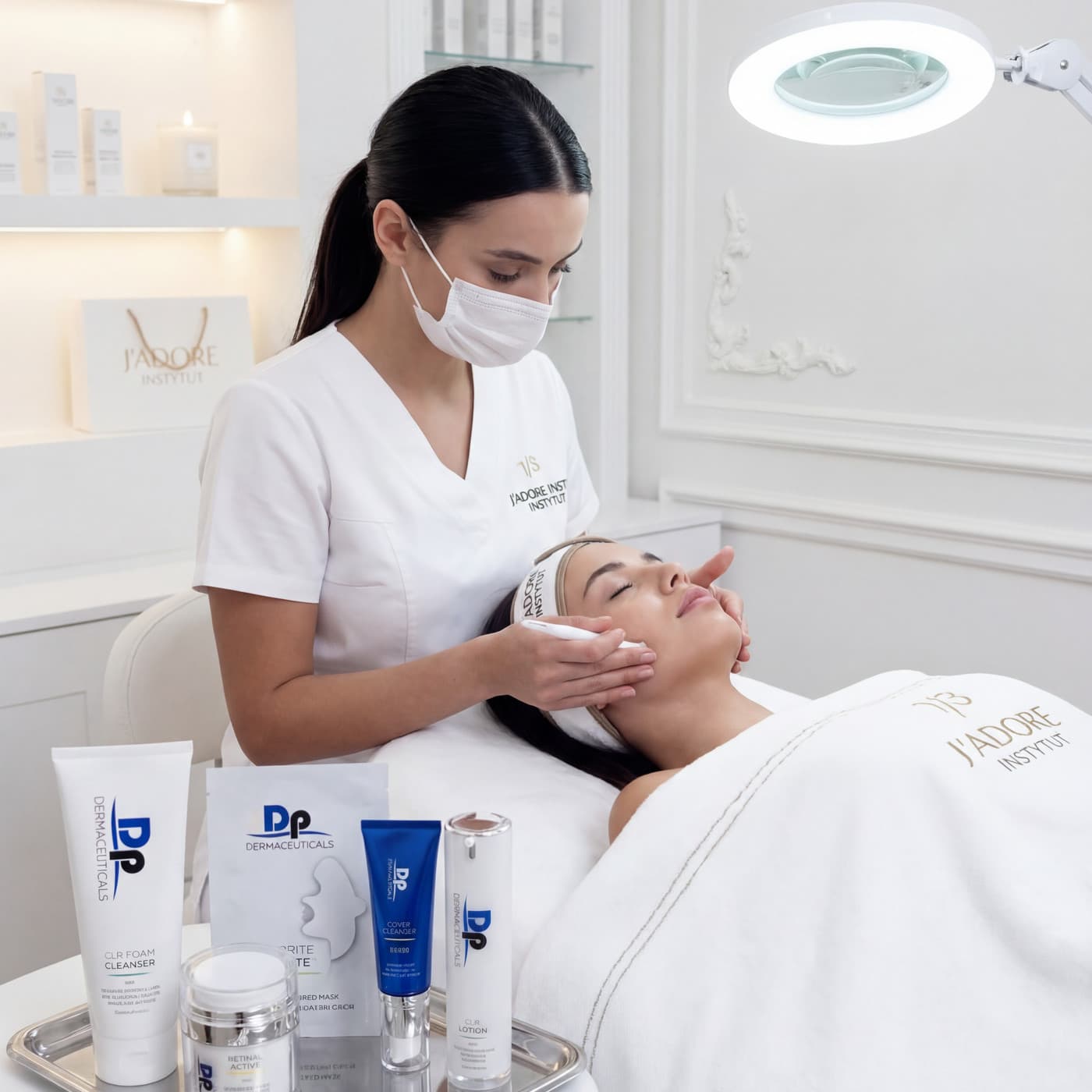
Makeup removal and cleansing
preparing the skin for the treatment.
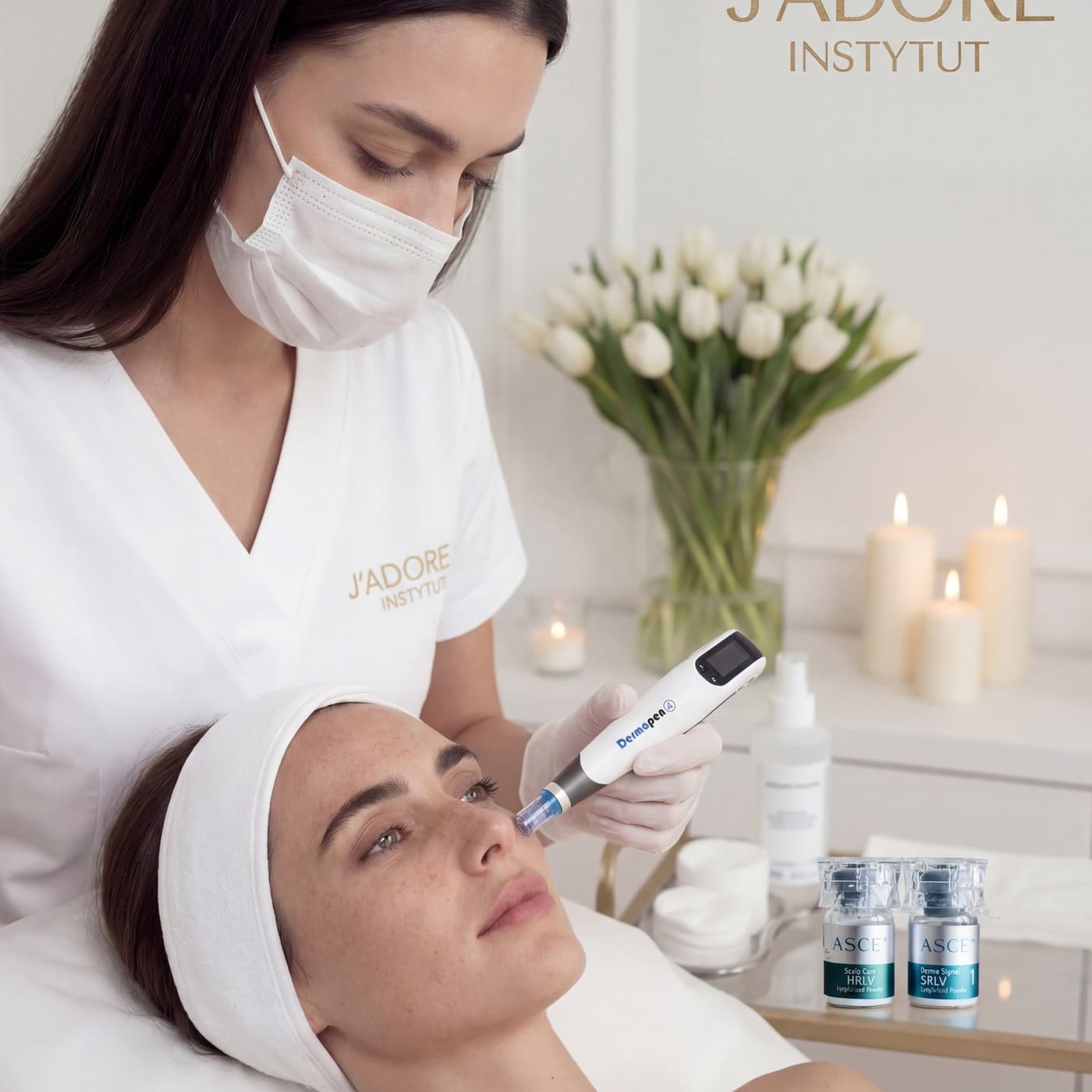
Preparation for microneedling
discussion of sensations during the treatment and individual recommendations.
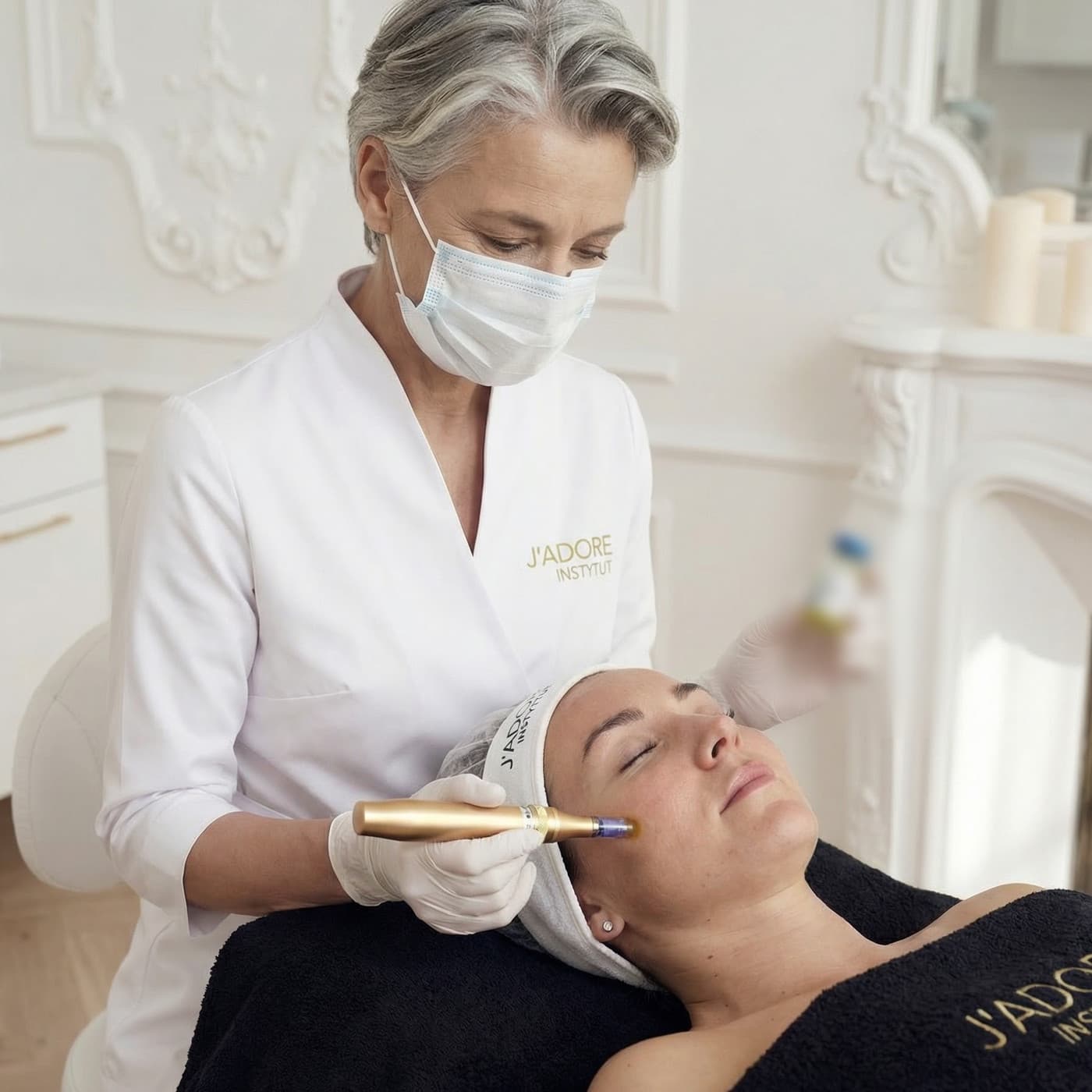
Dermapen microneedling
the device is guided over selected areas; sensations are individual.
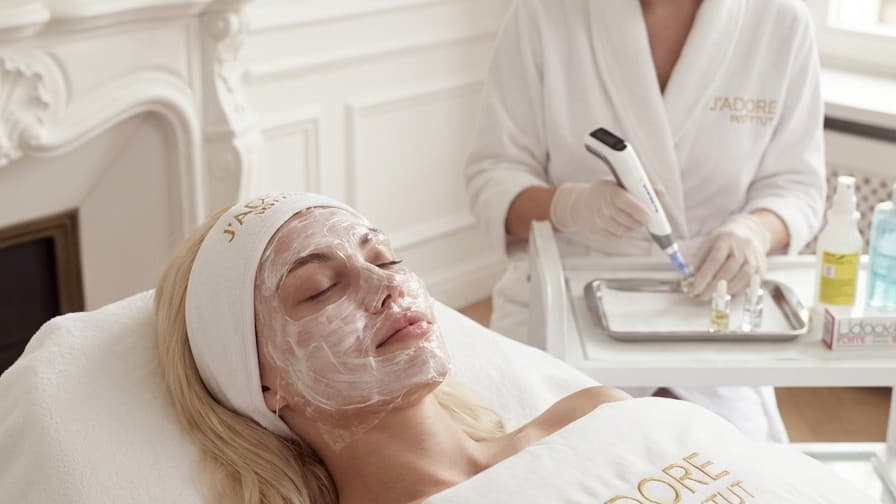
Serum application
according to the plan established during the consultation.
Mask and recommendations
conclusion of the visit and discussion of care for the following days.
Skin after the treatment
After microneedling, redness, swelling or a feeling of tightness may occur. The intensity and duration of these reactions vary from person to person. Their course and aftercare are discussed by the cosmetologist during the appointment.
Before the treatment, we discuss the healing time and the limitations of microneedling. If you notice a concerning skin reaction, contact the clinic.
Portfolio
A record of the work in our salons — the place where we publish treatment frames and, after photo sessions, results.
A record of results — in preparation. We publish photographs of our clients only with their consent.
Skin reaction is individual. The range of possible changes and the limitations of the treatment are discussed by the specialist during the consultation. The number of treatments and the intervals between appointments are determined by the specialist after assessing the skin. The plan depends on the area, the type of changes and the individual skin reaction.
Dermapen and your lifestyle
After microneedling, the skin may be sensitive. You will receive recommendations regarding hygiene, sun protection and returning to everyday activities during your visit.
For the first day, the skin has open micro-channels — we hold off on makeup for about 24 hours, to avoid introducing irritation or bacteria into the healing needle sites.
This is crucial: after Dermapen, skin is sensitive to UV, and sun exposure risks hyperpigmentation. Sunbeds are out, and we apply SPF 50+ daily for at least 4 weeks.
High temperature intensifies redness and swelling, and encourages bacterial growth. We hold off on sauna and hammam for around 2 days.
Chlorinated or unfiltered water on open micro-channels risks irritation and infection — we hold off on pools, jacuzzis and the sea for a few days.
We pause AHA/BHA and strong peels for around a week — during this time, the skin should be healing, not exfoliating further.
Discuss returning to retinol and other active cosmetics with the specialist. Also inform her about any medications you are taking; their use requires individual assessment before the treatment.
Fractional mesotherapy / Dermapen
Cleansing, microdermabrasion and microneedling are different types of treatments. Before choosing a method, the cosmetologist assesses the skin and discusses expectations.
superficial treatment
selection of the treatment requires an assessment of the skin
mechanical exfoliation of the epidermis
a different method than microneedling
controlled micro-punctures
after the treatment, healing time must be taken into account
Combine with
Planning other treatments alongside Dermapen requires a consultation. Discuss your previous and planned appointments so that their order and intervals can be determined.
The type of changes, the condition of the skin and previous treatments help to select the method. The plan may involve various visits, but their sequence and intervals require an individual consultation.
Products included
The scope of microneedling, the choice of serum and the plan for further appointments depend on an assessment of the skin. It is worth discussing your current skincare routine and any previous treatments with the specialist.
Serum selected by a cosmetologist after assessing the skin.
Dla kogoThe choice depends on the condition and sensitivity of the skin.
The possibility of use is discussed with a cosmetologist.
Dla kogoThe selection takes into account the condition of the skin and the skincare being used.
The composition and use should be discussed before the treatment.
Dla kogoIndividual selection after consultation.
The doctor decides on the qualification and the method.
Dla kogoThe date and scope of the appointment are discussed individually.
Inform the doctor about any previous or planned microneedling.
Dla kogoThe doctor decides on qualification during the consultation.
The sequence of visits and intervals is determined by the specialist.
Dla kogoAfter an assessment of the skin and current skincare routine.
Fact: The scope of the visit and the selection of care are discussed during the consultation. You will find current prices in the price list on this page.
Price list
Checking free hours…
From the magazine
Editorial pieces on how this treatment works in practice — what happens during the session, how to prepare, where the limits are and what the first days after look like.
See also
The result laststhe skin's reaction and the further visit plan are individualJ’adore Instytut
Informational text. The description above is for educational purposes and does not replace a consultation. Dermapen (fractional mesotherapy / microneedling) is a beauty treatment — the choice of protocol, needle depth, serum, number of sessions in the series, and contraindications are all decided by a cosmetologist or specialist during an individual consultation.
Home care
Cosmetics matched to what your skin needs after a treatment — so the clinic effect lasts longer.
 post-treatment regenerationCell Fusion CDermagenis pH Biome SerumView in the shop(opens in a new tab)
 sun protectionDermaQuestSunArmor SPF50 30 mlView in the shop(opens in a new tab)
 sensitive skinSesdermaSERENITY mask 50 mlView in the shop(opens in a new tab)
 post-treatment regenerationMedMelanoSkinbiotic Elixir Probiotic Repair Serum 50 mlView in the shop(opens in a new tab)
 sun protectionSkeyndorProtective cream SPF 50+ – Age Photo DefenseView in the shop(opens in a new tab)
 post-treatment regenerationVagheggiEmozioni Plus — Anti-Stress Face Mask 75mlView in the shop(opens in a new tab)
 sun protectionCell Fusion CAquatica Sunscreen 100 SPF 50+/PA++++View in the shop(opens in a new tab)
 post-treatment regenerationMesoesteticMesohyal Post-Procedure Gel CreamView in the shop(opens in a new tab)