Where does gummy smile actually come from?
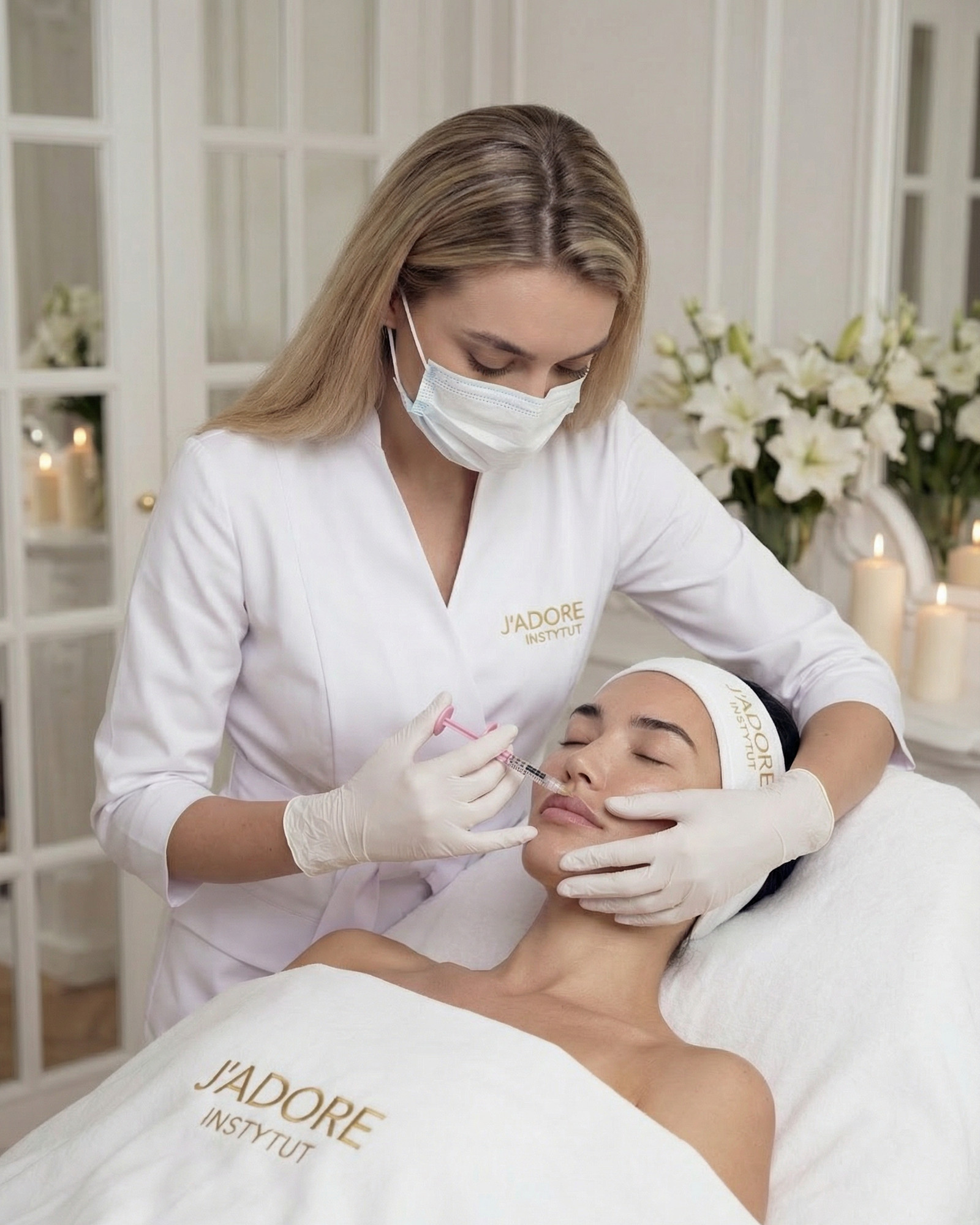
Before we debunk the myths, it helps to understand the mechanism. Several muscles lift the upper lip — mainly the musculus levator labii superioris alaeque nasi, which attaches close to the nose. When this muscle is overactive — contracting more strongly than in other people — the lip rises higher and exposes the gums. This is anatomy, not a developmental flaw. Botox injected at a precise point partly relaxes this muscle. The lip no longer lifts as sharply, and the gums stay covered. It sounds simple. In the hands of an experienced doctor, it genuinely is — provided everything below is done with precision.
Six myths we hear most often
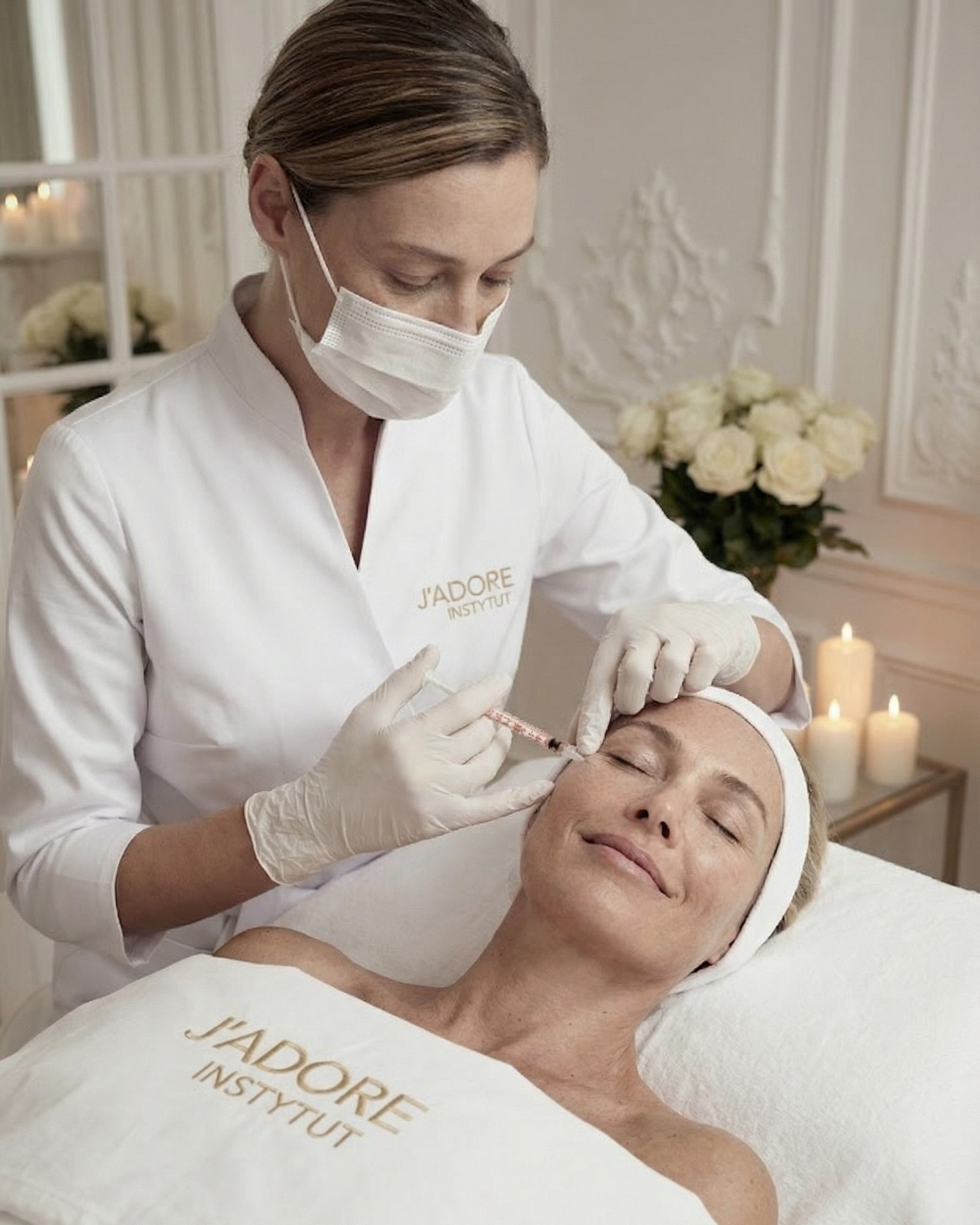
MYTH 1: "It's simple — just one injection, no real consultation needed." Fact: correcting a gummy smile is one of the more demanding Botox procedures. Not because it takes long or is technically complex, but because the margin for error is exceptionally small. Your doctor needs to assess how high your lip lifts, measure the exact distance from the nostril, and analyse muscle strength and asymmetry. Every face is different. A treatment that works perfectly for one person can give a completely different result for another, if the doctor treats them identically.
MYTH 2: "More Botox means a longer-lasting, better result." Fact: the logic here works in reverse to forehead lines. An excessive dose relaxes not just the overactive muscle, but neighbouring ones too — the ones responsible for precise speech, a symmetrical smile, and smooth lip movement. The result? Asymmetry, difficulty pronouncing labial sounds, a drooping corner of the mouth. This is exactly why "less means better" applies here literally — and why an experienced doctor always starts with the minimum dose.
MYTH 3: "Botox will change my smile — I'll look unnatural." Fact: the goal of the treatment is subtle correction, not a facial overhaul. A well-executed injection means less gum shows during a wide smile — but your expression, the character of your smile and its symmetry stay the same. People around you will notice you look "somehow different, nicer" — not that "you've had something done." The line between a natural result and over-correction is thin. That's why both the injection point and the chosen dose are crucial.
MYTH 4: "Any salon offering Botox can handle a gummy smile." Fact: technically, any doctor who administers Botox can inject the upper lip area. But correcting a gummy smile requires more than anatomical knowledge — it requires experience with this specific procedure. The muscle that lifts the lip runs close to the nose, close to the muscles of the mouth, and close to the muscle responsible for bunny lines on the nose. A doctor who performs this correction regularly knows how anatomy varies between patients — and how to factor that into the dose and injection site.
MYTH 5: "The result is instant and visible straight after the treatment." Fact: as with any Botox treatment, the muscle doesn't relax immediately after injection. The first changes appear after a few days, and the full effect emerges after two weeks. That's why a follow-up at this point matters so much: it's when your doctor checks whether the dose was right, whether the lip has dropped symmetrically, and whether a small touch-up is needed. No one judges the result "the next day."
MYTH 6: "Gummy smile is purely cosmetic — it's fine to wait before deciding." Fact: how you look is always a personal matter, and no one should decide for you whether this applies to you. But it's worth knowing that people who go ahead with the correction often mention one particular change: they start smiling wider and with more confidence. Not because their smile was "wrong" — simply because they stop focusing on what shows. If something is holding you back, it's worth discussing with a doctor — with no obligation.
Why a SMALL dose matters here
Most Botox treatments follow a rule of gradual dosing: start conservatively, assess the result, then top up if needed. In gummy smile correction, this rule matters even more, because the muscle that lifts the lip sits right next to the muscles responsible for speech, eating and precise mouth movement. Too high a dose can cause the corner of the mouth to droop asymmetrically, make speech less precise, or strip the smile of its natural character. These effects fade on their own once the Botox wears off — but they're unpleasant and unnecessary if they can be avoided.
That's why an experienced doctor never gives the maximum dose in one go. They give the minimum effective dose, wait two weeks for the full effect, and only then assess whether anything more is needed. This isn't cutting corners on the treatment. It's good medicine: a predictable result, room for correction, and minimal risk of unnecessary side effects.
Men smile too — and they can have a gummy smile as well
Although gummy smile is statistically more common in women, men with the same anatomical trait increasingly ask about correction too. The main difference lies in what they expect from the result: women tend to talk about naturalness and keeping a soft expression; men talk about confidence, and about not wanting their smile to be the first thing people notice in a business meeting or a photo. A well-executed correction is equally discreet either way — people see confidence, not a treatment.
Before you decide — what's worth knowing
If you're wondering whether gummy smile correction is for you, start with one simple question: do you notice it clearly in photos, and does it bother you? If the answer is "yes, and I've noticed it for a while" — that's a good time for a consultation. Not because there's a problem to fix, but because if something affects your everyday life, it's worth knowing what options exist.
A few practical points. First — the result isn't instant; you get the full picture after two weeks. Second — the effect is temporary and lasts a few months. That's a comfort: if you decide, for whatever reason, not to repeat it, your face returns to how it was. Third — if you have an important event coming up (a wedding, a photoshoot, a conference), allow at least three weeks so you can assess the result and, if needed, discuss a touch-up. And fourth, most importantly: what really matters here is the doctor's hands — and their experience with this specific procedure, not just with Botox in general.