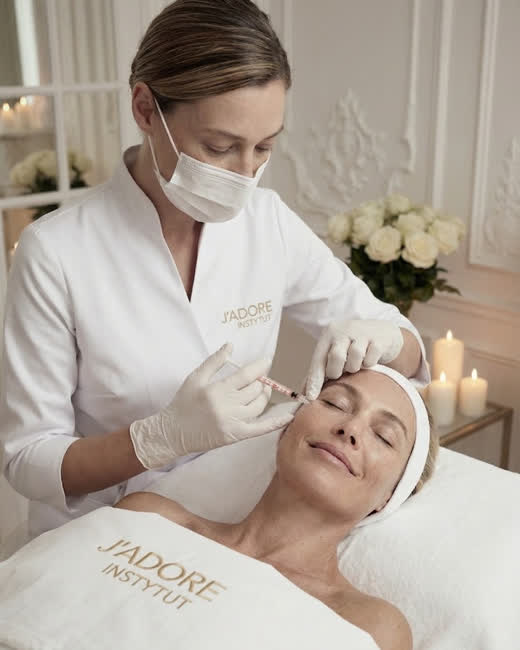
Why men age differently
Thicker skin and more androgen receptors offer protection for years. A 35-year-old man often looks younger than a woman with the same sun exposure and stress levels. Then comes the fast decline: from around 40, collagen and volume loss speeds up. Nasolabial folds, frown lines and hollow cheeks appear almost all at once. The lower face loses contour, and the skin starts to sag. Dark circles become permanent too — regardless of how much sleep you get.
This isn't about looks. It's about how others perceive you. A tired face signals a tired person — in a job interview, on a video call, in a LinkedIn profile photo, at a meeting with a business partner. A face that looks a decade older than you are sends a clear message, before you've said a word.
Looking "fresh" vs looking "done" — where's the difference?
Men's biggest worry isn't pain or cost — it's an obvious treatment. No one wants to walk into a meeting with puffy cheeks or a face smoothed like a wax figure. And that concern is fair: that kind of result is always a technical error or the wrong choice of method, never an inevitable side effect.
Looking "fresh"
the goal of a well-chosen programme
- denser, better-hydrated skin
- dark circles and folds less visible
- your face keeps its character and expression
- people notice you look good — not what you had done
Looking "done"
an error — not the goal
- overfilled cheeks
- no facial expression at all
- a "waxy" or puffy face
- visible asymmetry, an unnatural contour
The difference lies in the approach to treatment: a good doctor doesn't add volume where your face never had it — only where you've lost it. Not every wrinkle gets smoothed out, because some of them are simply character. A good doctor works with your face, not against it.
What we use — specific methods
There's no single "anti-ageing programme for men". There's a set of tools, and the doctor selects the right ones after assessing your face. Below are the methods we use most often — with an explanation of what each one does.
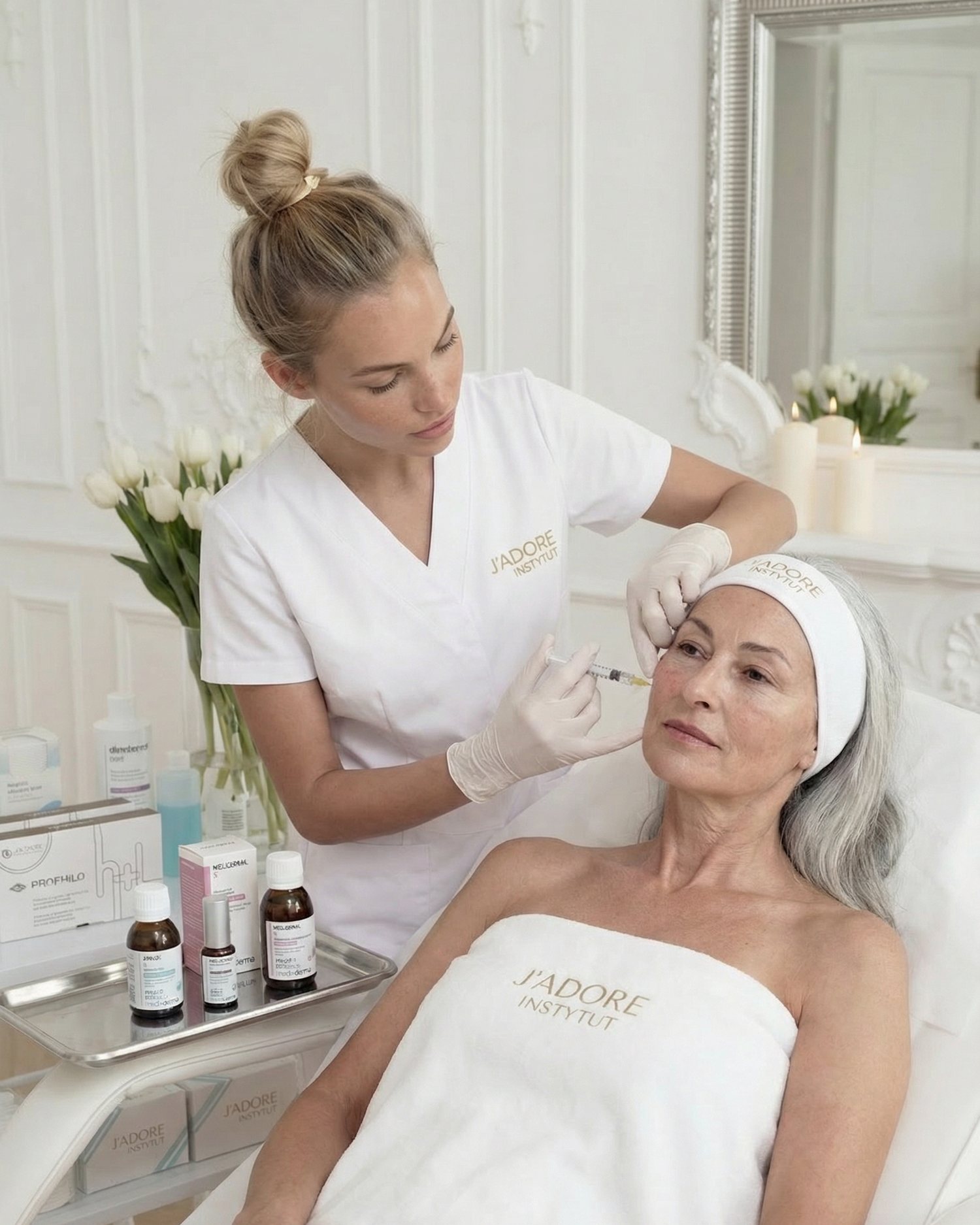
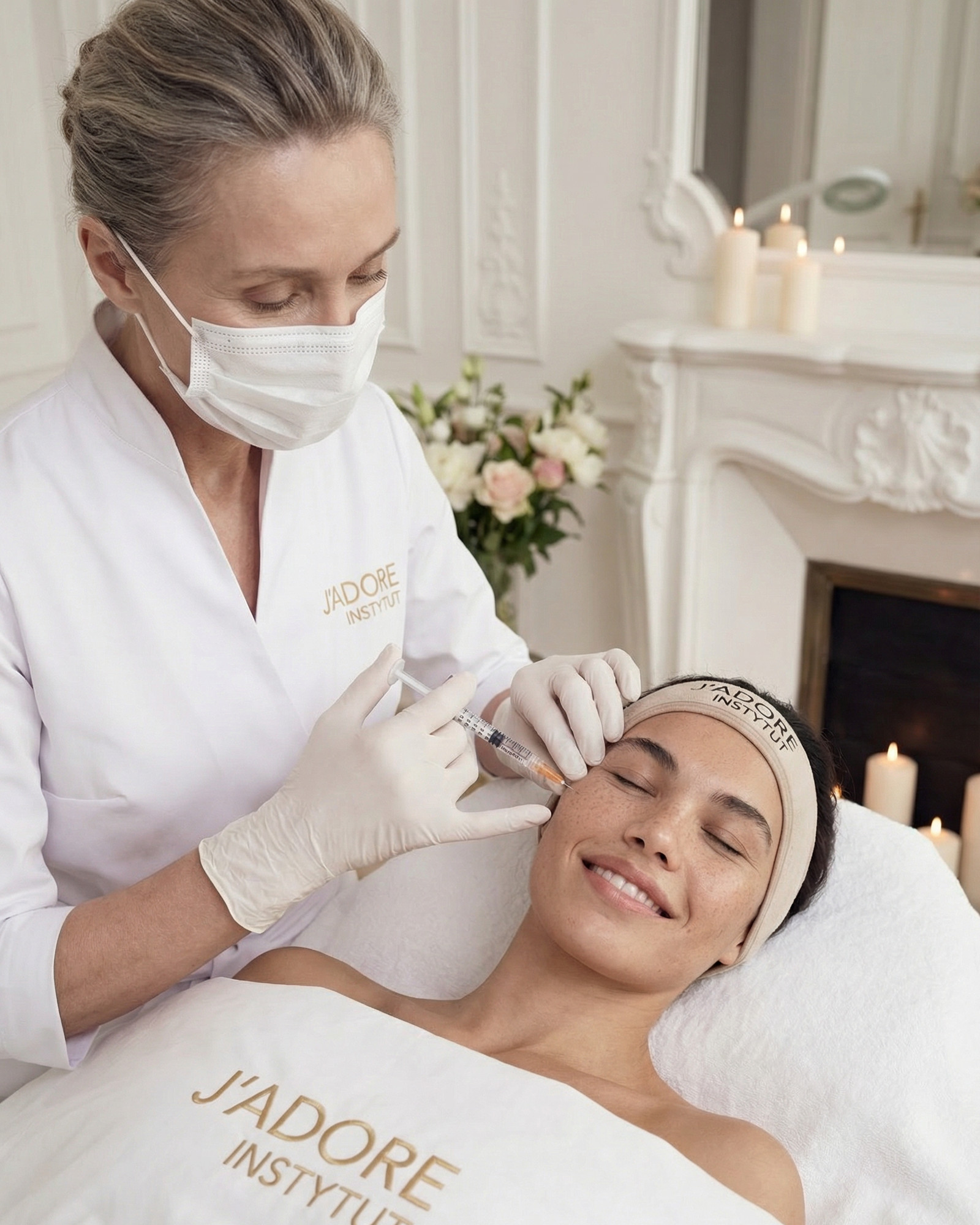
- Platelet-rich plasma (PRP). Plasma from your own blood, enriched with growth factors, injected beneath the skin. It stimulates cells to regenerate from within — the face becomes denser, better hydrated, and sun-related patches fade. No foreign material enters your body. The result builds over several weeks and lasts a long time.
- Biostimulators and polynucleotides. Preparations based on salmon DNA or poly-L-lactic acid stimulate your own fibroblasts — the cells that produce collagen. They don't add volume; they rebuild skin density. The effect is subtle, long-lasting and very natural — ideal for men who don't want any "obvious treatment".
- Mesotherapy. A cocktail of active ingredients — vitamins, peptides, hyaluronic acid — delivered directly into the skin. Intense hydration, improved tone, stronger skin structure. Often part of a wider programme rather than a stand-alone treatment.
- Anti-ageing programme. A protocol combining several methods matched to specific concerns — skin texture, the eye area, contour. The effect is additive: each method does something different, and together they give a result that's visible without shouting "I've been to the doctor".
What it looks like in practice — from consultation to results
Your first visit is a medical consultation — no pressure, no "decide right now". The doctor assesses your face, asks about your history and expectations, and explains what's proposed and why. Only then do we discuss a possible treatment. Men usually have specific questions — and get specific answers.
- 01
Step
Medical consultation. Face assessment, a conversation about what concerns you, and a proposed protocol. Free of charge, no obligation.
- 02
Step
Treatment (single session or series). Depending on the method — anywhere from a few minutes to around half an hour. Most methods need zero downtime. Occasionally, mild bruising or redness that clears within a day.
- 03
Step
Results build gradually. PRP and biostimulators keep working for several weeks after treatment — collagen doesn't appear overnight. You'll see full results after 4–6 weeks.
- 04
Step
Follow-up and next steps. We check the results and decide whether maintenance once or twice a year is enough, or whether another stage is needed.
What to expect after treatment: with most methods, you're back at work the same day. Your skin may be slightly pink for a few hours — that's it. The exception is PRP: avoid intense exercise and saunas for 24 hours afterwards.
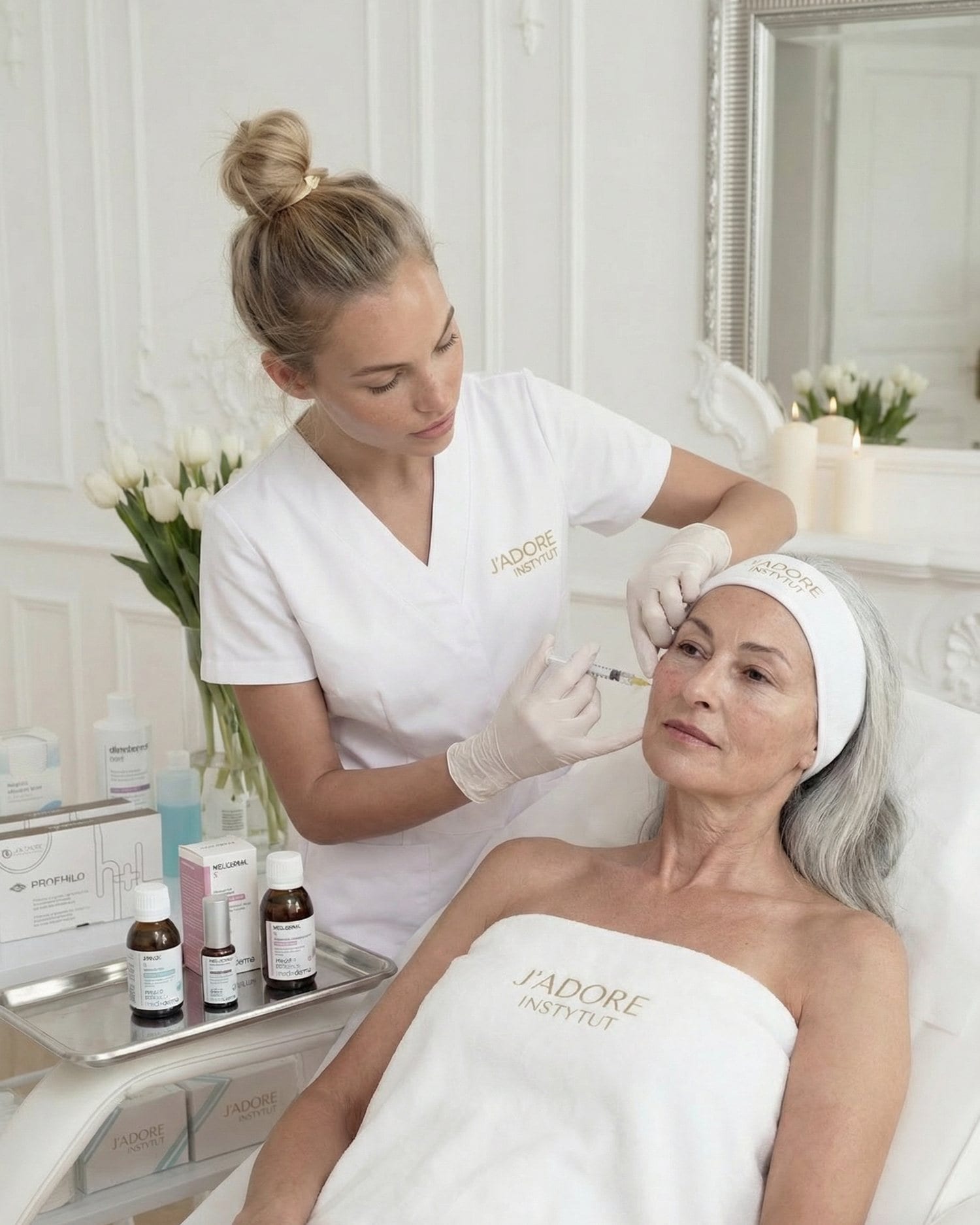
When to start — and whether it's too soon
There's no single "right age". There's the moment you start noticing a problem — and that's the moment. Some men come in during their thirties, asking about prevention. Others arrive in their fifties, with a specific concern to address. Both approaches make sense.
Biostimulators and plasma work best as prevention — while there's still something to preserve. The earlier you start, the less catching up there is to do. But if you start in your forties or fifties, results are still visible — the programme just tends to be more extensive.
Questions men ask most often
Instead of a standard FAQ block, here — in a few paragraphs — is what nine out of ten men ask before their first visit.
Will it be obvious? The goal is for the treatment to be invisible — only the result should show. With the right method, people will notice you look better; they won't notice what you had done. Any trace of the treatment — slight redness, occasionally a bruise — clears within a day.
Does it hurt? Treatments are performed with numbing cream or a lignocaine-containing preparation — discomfort is minimal. Needle insertions take seconds.
Is the result permanent? No treatment stops ageing — it can slow it down and repair what's already happened. Biostimulator and PRP results last from several months to over a year, after which a maintenance visit is needed. There's no dependency: your face returns to its starting point, not below where it was before treatment.
Do men actually do this? Yes — and increasingly so. The industry has seen a steady rise in the number of men in aesthetic medicine clinics over the past few years. Many of them are professionals who care about their professional image, and want their face to reflect how they actually feel rather than contradict it.