Where does cellulite actually come from — a short explainer
Cellulite isn't just down to "bad habits" or being overweight. It's a change in the structure of connective and fatty tissue, accompanied by weaker microcirculation and lymphatic stagnation. Collagen bands in the skin anchor fat to deeper layers unevenly — hence the characteristic "orange-peel" effect. Effective methods need to work on several levels at once: improving circulation, breaking down compacted fat and remodelling connective tissue. This is exactly where both methods show their strengths — and their clear limitations.
Two methods, two philosophies
Before comparing them directly, it helps to understand how each one works — the difference goes deeper than "manual versus device-based".
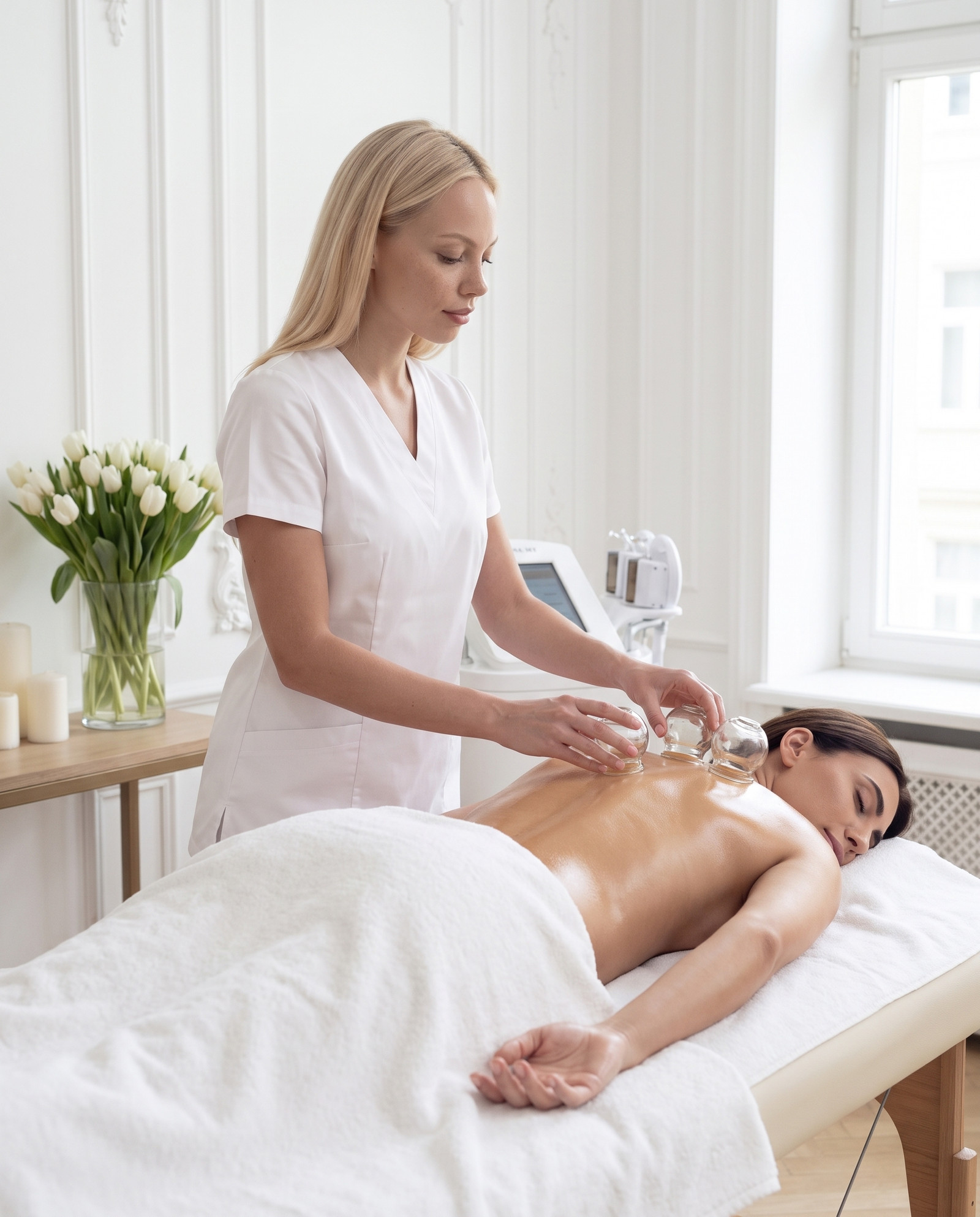
Cupping therapy (vacuum massage) works through negative pressure. A glass or silicone cup lifts the skin upwards, mechanically stretching the tissue and triggering an immediate rush of blood. The result is intense stimulation of microcirculation, lymphatic drainage and a release of tightened connective tissue bands. The treatment is simple to perform and needs no specialist equipment — and that simplicity is both its strength and its limitation.
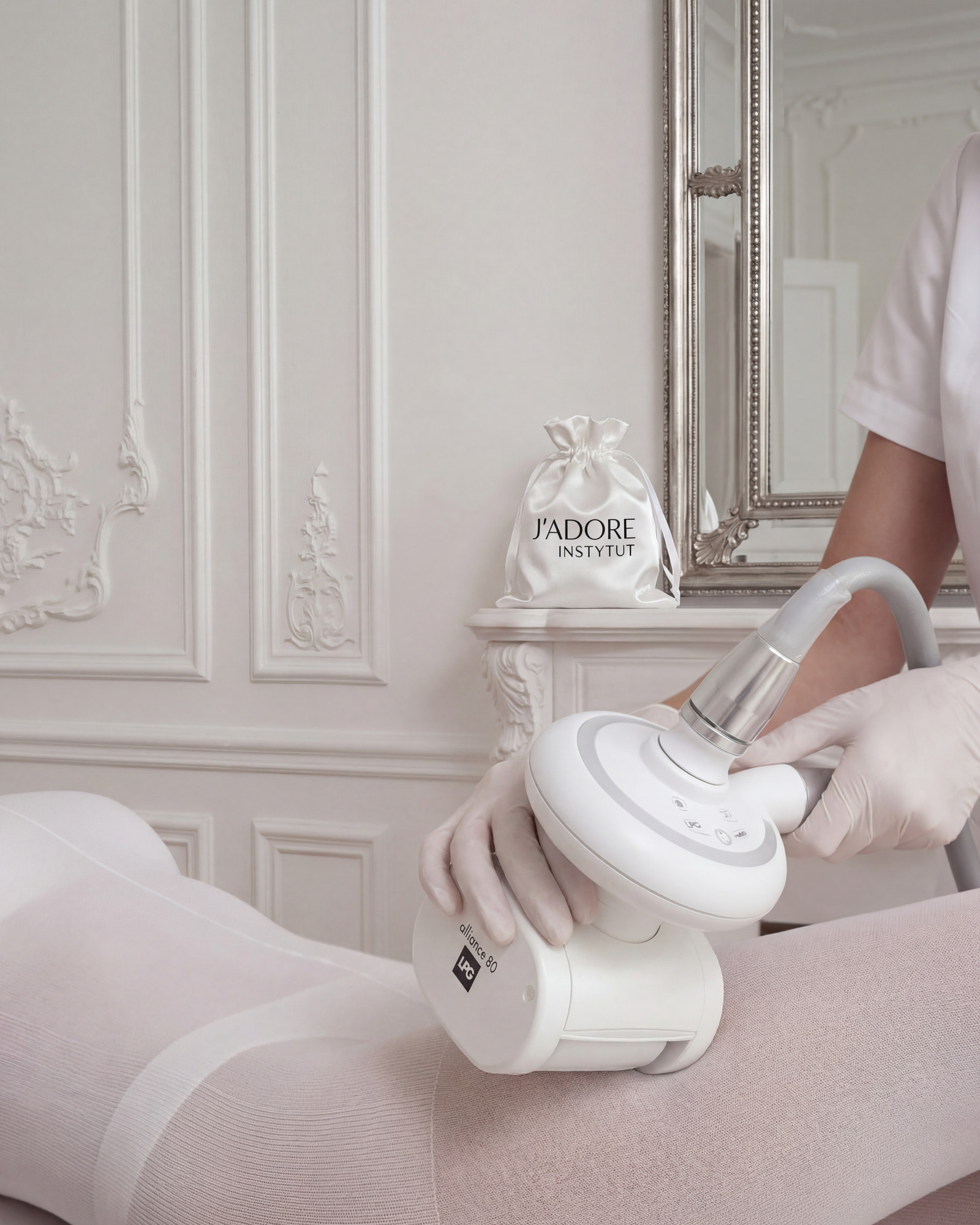
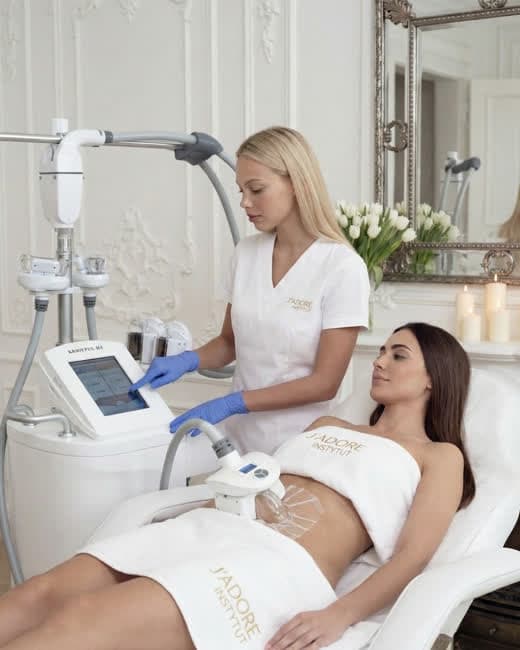
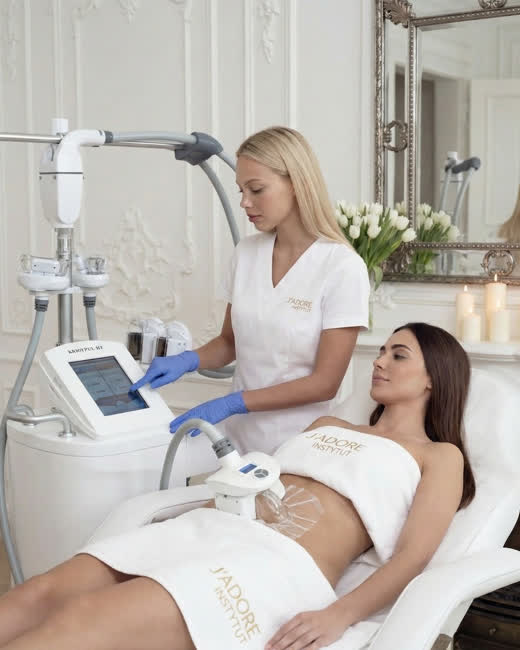
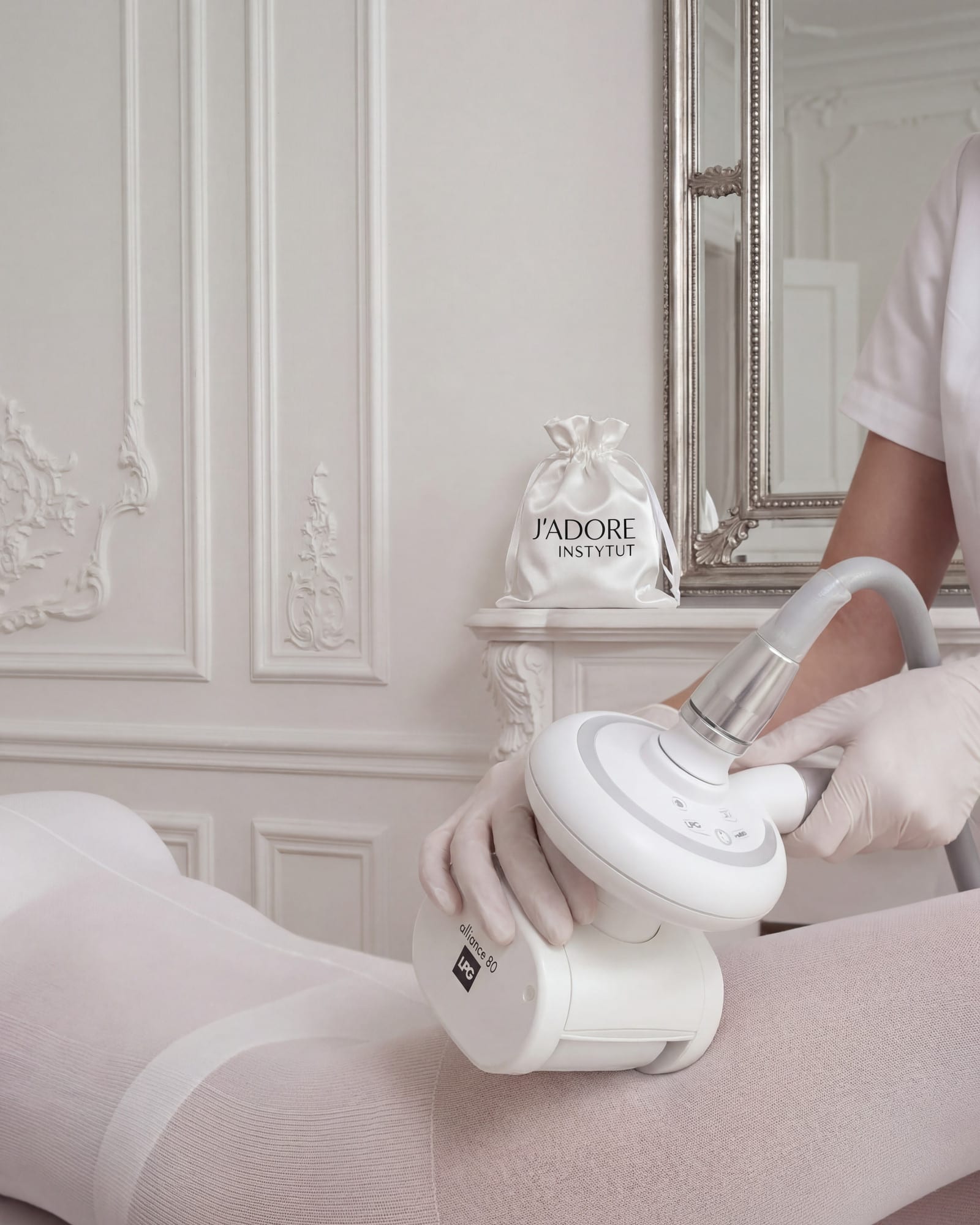
LPG endermology combines mechanical kneading with simultaneous suction in the device head. The rollers and suction work in sync, reaching deeper tissue layers — including fibroblasts, the cells responsible for producing collagen and elastin. The method stimulates circulation but also drives active remodelling of connective tissue — which means its results can last longer, though they take patience.
Cupping therapy
stimulates circulation and lymph flow through negative pressure
- immediate stimulation of microcirculation
- intensive work on the skin and superficial tissue
- good as preparation for other treatments
- targets lymphatic stagnation and swelling
- can be used preventively and regularly
LPG endermology
mechanical stimulation of deep tissue and collagen
- deep work on connective and fatty tissue
- activates fibroblasts — collagen remodelling
- lifting effect on the skin — firmness and elasticity
- effective for grade II–IV cellulite
- results visible after a series, longer-lasting than with cupping
When to choose cupping, and when to choose LPG
Choosing a method isn't just about "how advanced is my cellulite". Your stage, expectations and lifestyle matter just as much. Here are a few practical pointers:
- Grade I–II cellulite, want regular prevention → cupping therapy works well; you can have it weekly as part of a regular care routine
- Grade II–IV cellulite, visible, tender, skin lacking firmness → LPG endermology reaches where cupping can't; a series of sessions is essential
- Significant swelling, heavy legs, water retention → cupping (or lymphatic drainage) as the first step to unblock the lymphatic system
- Want a lifting effect and improved skin firmness → LPG; cupping doesn't stimulate collagen production to the same extent
- Postpartum, returning to activity → consult a cosmetologist; cupping is the gentler option, LPG requires a thorough consultation
- If you're a man, with cellulite on the abdomen or hips → both methods work regardless of gender; the choice depends on the grade
What can you realistically expect
This is the hardest part, because the cellulite market is full of unmet promises. Let's be direct:
Neither method gives permanent results without maintenance — and that's not a flaw, it's physiology. Tissue is always active: it circulates, responds to diet, movement and stress. A treatment is a stimulus, not a surgical fix. The sooner you accept this, the fewer disappointments you'll have.
When it's worth combining both methods
Cupping and LPG don't have to compete — they can complement each other well. The logic behind combining them is simple: cupping works faster and stimulates circulation, LPG works deeper and lasts longer. Together, they can create a synergistic effect:
Cupping therapy before LPG
Intense warming and superficial release before deep stimulation — the tissue may respond better to the LPG device head.
LPG as the base series + cupping for maintenance
Once you've completed an LPG series, regular cupping every 1–2 weeks can help maintain results and stimulate circulation between device-based sessions.
LPG endermology + lymphatic drainage
When significant cellulite is accompanied by clear swelling and stagnation, drainage as a complementary treatment helps unblock the lymphatic system faster and visibly reduce swelling.
Cupping + tissue treatments (ultrasound, RF)
Cupping as a warm-up before device-based treatments targeting fatty tissue — it helps prepare the tissue for deeper interventions.
It's worth discussing any combination of methods with a cosmetologist. The plan depends on the grade of cellulite, the current state of your skin and how often you plan to visit. Not every combination makes sense in the same session, but over a few weeks many approaches are possible.
One simple key to choosing
- 01
Assess the grade of your cellulite
In front of the mirror, at rest and when pinched — subtle or advanced? Tender or purely aesthetic?
- 02
Choose your starting point
Grade I–II cellulite, prevention, swelling → cupping. Grade II–IV cellulite, visible, skin lacking firmness → LPG straight away or after an initial cupping series.
- 03
Plan your series
Cupping: results come with regular weekly sessions. LPG: a series of several to a dozen or so sessions every few days, followed by maintenance.
- 04
Assess after the series and decide on your next steps
Progress → continue with the method or move to maintenance. Plateau → consultation, and possibly switching or combining methods.
There's no single perfect method for cellulite — there's a method matched to you, your stage and the regularity you can commit to. A consultation with a cosmetologist helps you decide where to start and how to plan a series that avoids the most common trap: a handful of one-off sessions after which "nothing worked".