Three tools, three different mechanisms
Here's the simplest way to remember it: pressotherapy pumps mechanically, manual drainage activates the lymphatic system by hand, and compression maintains the effect day to day. Each one has a slightly different conversation with your body — and that's why they so often complement each other rather than replace one another.
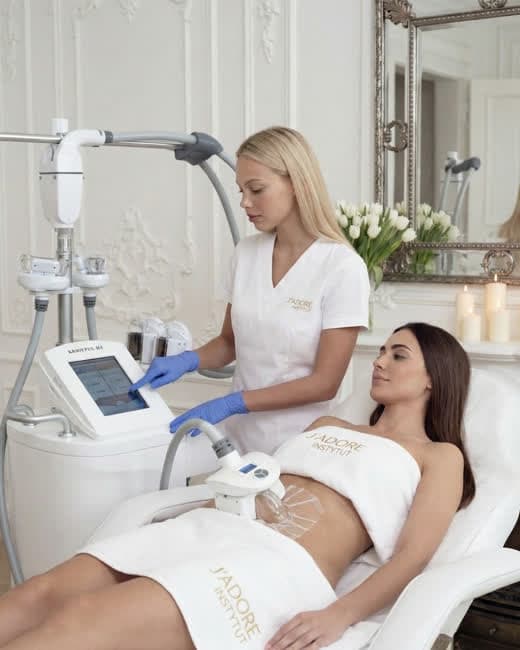
Pressotherapy
mechanical sequential compression
- a device inflates cuffs around the legs (and arms) in waves — from the foot upward
- mimics the natural rhythm of the muscle pump
- can support venous and lymphatic return
- easy to repeat, standardised — good for a series
- many people feel relief after just one session
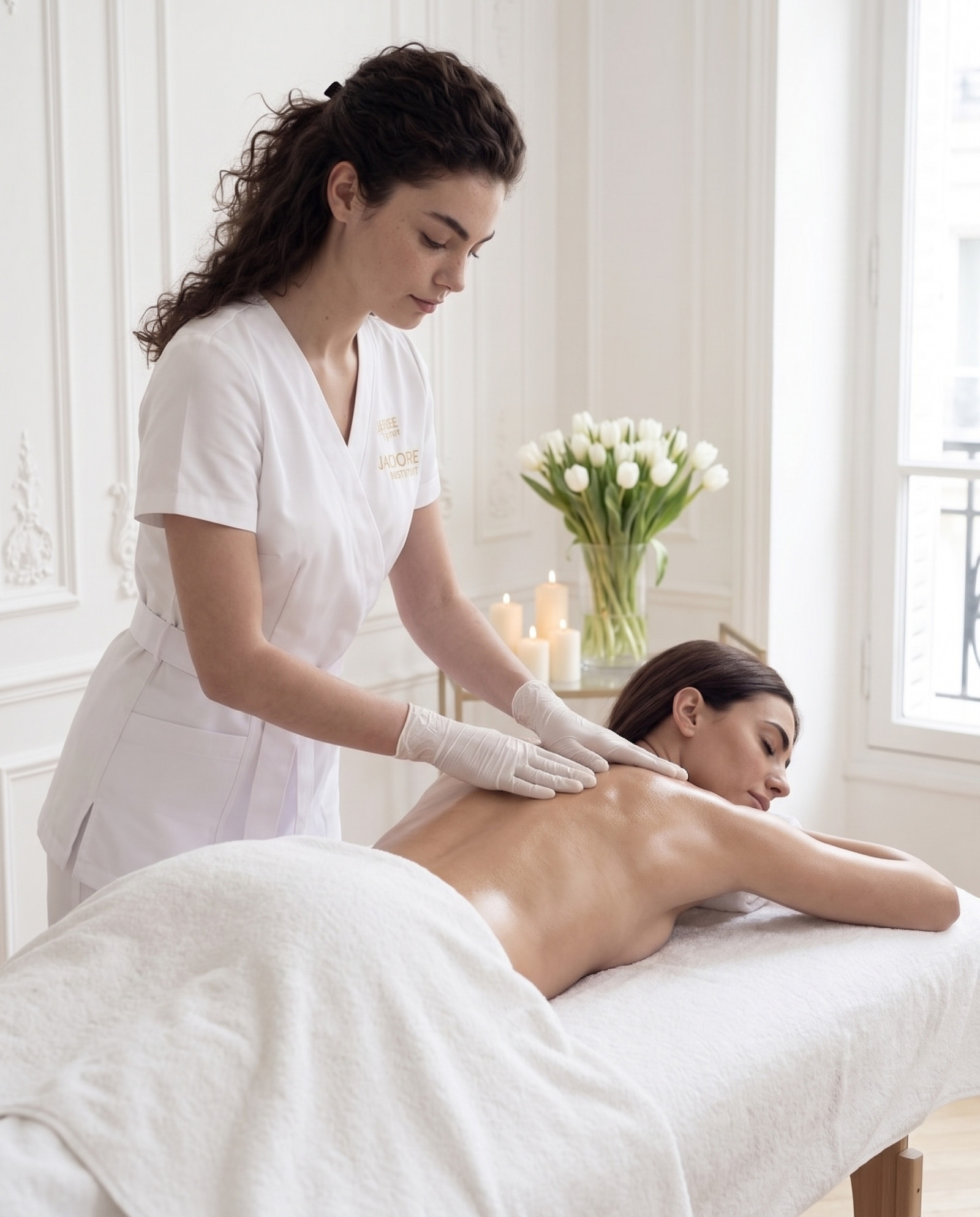
Manual lymphatic drainage
hands-on work on the lymphatic vessels
- a specialist works with gentle, rhythmic movements along the lymph nodes
- directs lymph towards functioning nodes — bypassing the overloaded ones
- effective for post-surgical, lymphatic and pregnancy-related swelling
- more precise than a device in complex cases
Compression (stockings, wraps)
maintaining the effect while you move
- applies constant, graduated pressure throughout the day
- prevents fluid from returning after a pressotherapy or drainage session
- essential for varicose veins, CVI and long journeys
- the only method that works "round the clock"
How to recognise what you actually need
Before you book anything, run through a simple check of your symptoms. It isn't a diagnosis — but it sets the conversation with your therapist on the right track straight away:
- Legs feel heavy mainly in the evening, swollen from the knees down, "better" after a night's sleep → this is the classic picture of venous-lymphatic congestion from a day at work. A good starting point: a series of pressotherapy sessions.
- Swelling doesn't go down overnight, or it's one-sided or affects only one limb → this is a signal to consult a doctor or physiotherapist — you may need manual lymphatic drainage or further diagnostics.
- You feel relief after a massage, but it comes back within hours → you're missing maintenance. This is where compression comes in as a daily habit.
- You're being treated for varicose veins or you've had surgery → all three methods can be part of a plan, but a specialist decides the order and intensity.
It's also worth remembering that tired legs aren't the same as lymphatic swelling. The first is a matter of blood flow and vascular tone — pressotherapy and movement usually respond well to that. The second is a more complex lymphatic dysfunction — and there, manual drainage does more than a device can.
Pressotherapy up close — what happens during the treatment
This rhythmic movement mimics the natural work of the muscles that normally "pump" blood and lymph upward. When muscles don't work for many hours — sitting, standing in one position — fluid collects at the bottom. Pressotherapy can restore that movement without any effort from your muscles.
When it's worth combining methods — and what that looks like in practice
As in aesthetic medicine — the best results rarely come from one method used in isolation. The logic behind combining them is simple: each tool works at a different level and at a different time.
Pressotherapy + daily compression
A series of pressotherapy sessions clears excess fluid; compression stockings maintain the effect throughout the day. Together they give lasting comfort. Alone, each gives only temporary relief.
Pressotherapy + manual drainage (for post-surgical swelling)
Manual drainage precisely redirects lymph, bypassing overloaded nodes; pressotherapy keeps the flow going between sessions. Used together, they shorten recovery time.
Pressotherapy + deep tissue massage (sports recovery)
Massage releases tense muscles; pressotherapy clears metabolic waste products and reduces post-training swelling. An ideal combination for active people.
Manual drainage + compression (for lymphatic insufficiency)
The standard approach in lymphoedema therapy — drainage clears fluid, compression stops it coming back. Compression here is essential, not optional.
In practice, a good plan is one that names the specific problem first (congestion from fatigue, post-surgical swelling, varicose veins, recovery) — and only then chooses the order and intensity of methods. If your first conversation with a therapist is just "what would you like to book" — it's worth asking about a proper history and a personalised choice of method.
What none of these methods promise
An honest conversation about physical methods needs one important frame: none of them replaces lifestyle. Pressotherapy, drainage and compression are supportive tools — they work best alongside regular movement, proper hydration and lower salt intake. Without that, results are short-lived and need constant "catching up".
- Movement — even a 30-minute walk a day "pumps" lymph more effectively than many sessions without physical activity.
- Hydration — a dehydrated body, paradoxically, holds onto more water; proper hydration makes it easier for lymph to flow.
- Salt and sugar — high sodium intake is one of the main factors behind water retention in tissue.
- Sleep position — avoiding pressure on one side of the body for hours at a time has a measurable effect on morning swelling.
That doesn't mean a treatment "isn't worth it" if you're a little short on movement. It means that a series of pressotherapy sessions combined with mindful habits gives results twice as lasting as the same series without them. The method works — lifestyle decides for how long. And that's worth hearing before you book, not after.