When to start treatment?
A fresh, pink scar responds better to prevention — silicone and SPF protection — than to treatments. Early intervention can produce the opposite effect to the one intended. Patience at this stage is part of the treatment.
Scar types and methods matched to each one
Not every scar needs the same approach. Identifying its type is essential — this determines the choice of method and the expected results.
- Flat, discoloured — level surface, altered colour (dark or pink); often responds well to peels, light-based treatments and microneedling
- Atrophic / depressed — below skin level; requires collagen stimulation — microneedling, fractional laser or fractional microneedling RF
- Hypertrophic — raised, firm, but confined within the scar's original borders; fractional microneedling RF and silicone compression can help flatten it
- Keloid — grows beyond the boundary of the injury; requires dermatological consultation first, with aesthetic treatments as a complement once stabilised
Pixel fractional laser — for depressed and discoloured scars
Er:YAG fractional laser creates precise thermal micro-injuries in the scar tissue — in response, skin produces new collagen that gradually fills and levels the depression. For many patients, results are clearly visible after just a few sessions.
Elysses DUO fractional microneedling RF — for hypertrophic and depressed scars
Combining microneedling with RF energy delivered directly into the scar tissue allows thermal coagulation and collagen fibre remodelling. Depending on the scar type, the result can be a flatter hypertrophic scar or a filled-in depressed one.
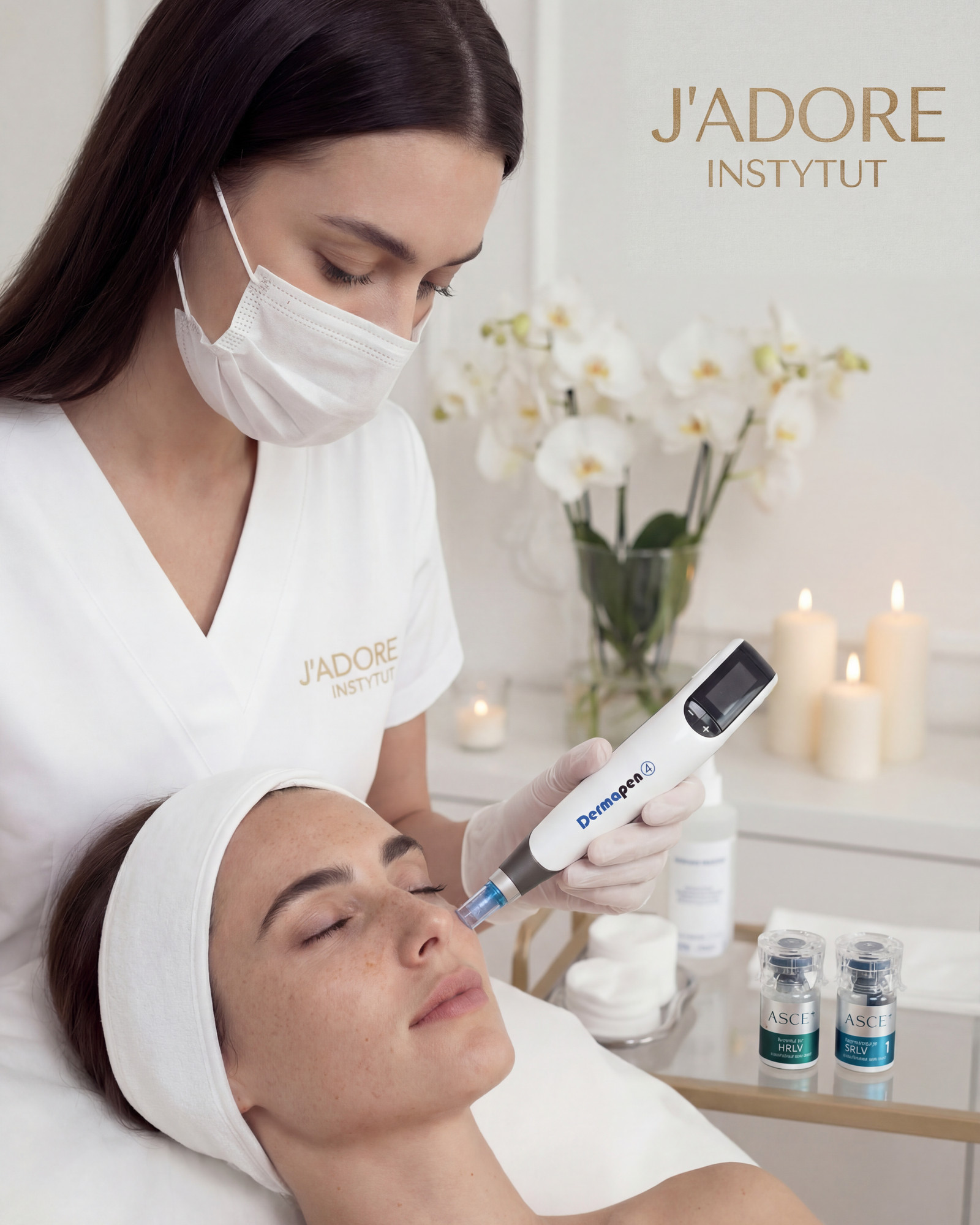
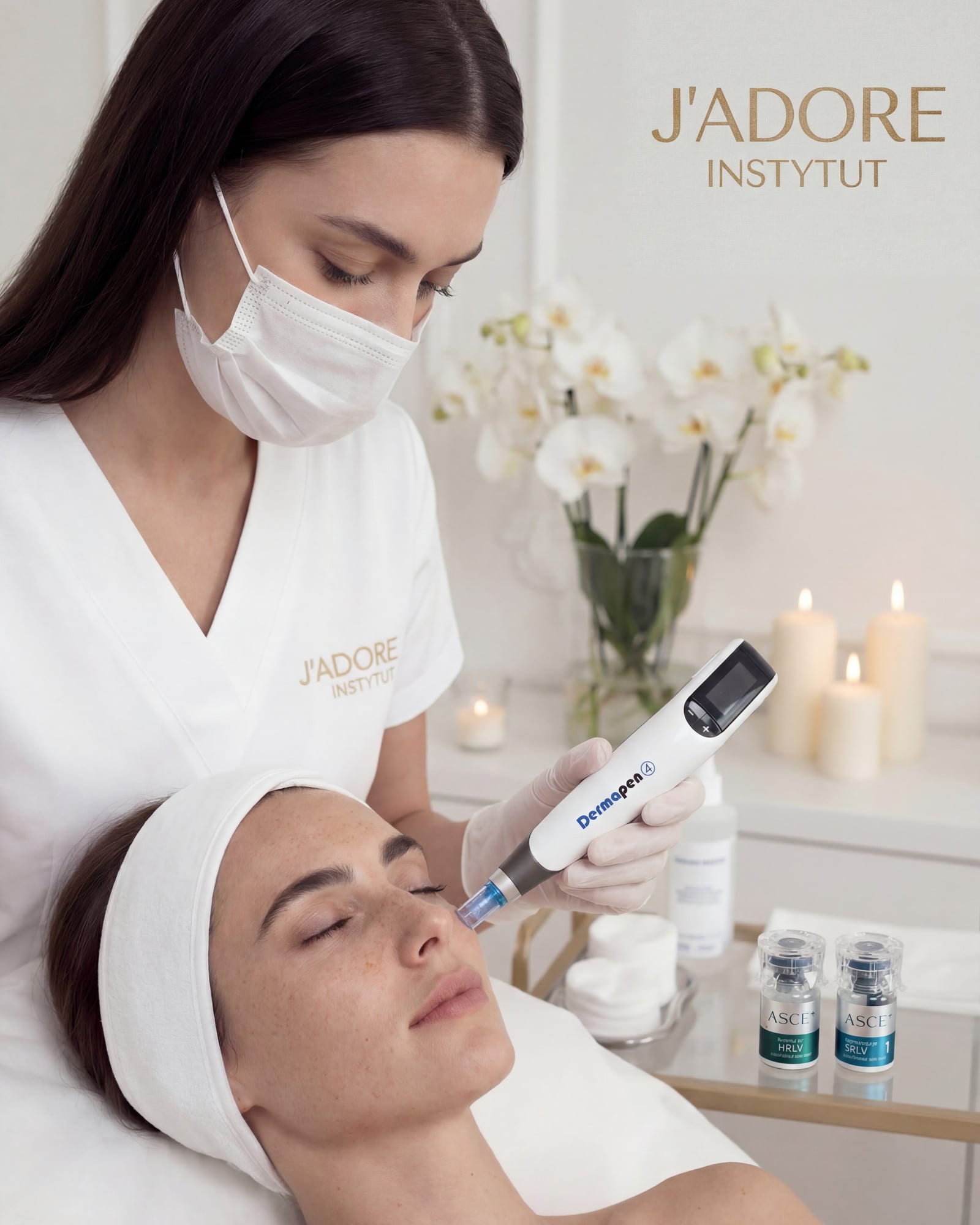
Dermapen and fractional mesotherapy — a complementary series
Mechanical microneedling combined with peptide and growth factor cocktails supports the remodelling of scar tissue and improves the texture of the skin around it. Often used to complement other methods, or as a standalone series for atrophic scars.
Micropigmentation — keloid camouflage
Pigment matched to your skin colour, introduced directly into the scar, reduces the contrast between the scar and the surrounding tissue. This method is particularly effective for depigmented scars (lighter than the skin) or clearly darker ones — often used on scars in visible areas such as the face, neck or forearms.
DYE-VL — reducing discolouration in scars
DYE-VL technology targets melanin and haemoglobin selectively — it reduces the reddish or brown colour of a scar, which is often what makes it visible even once the surface has levelled out. It can be used on its own or to complement a series of treatments.
How to plan treatment for a surgical scar?
The choice of method depends on the scar's current condition. A simplified guide:
- Fresh scar (up to 6 months) — silicone and SPF; treatments are contraindicated at this stage
- Stable, discoloured, flat — DYE-VL series, peels, Dermapen
- Depressed (atrophic) — fractional laser as the core series, with RF Elysses optionally added
- Hypertrophic, firm — RF Elysses series, with silicone compression between sessions
- Keloid — dermatological consultation first, with aesthetic treatments added once stabilised
Home care that supports treatment
In-salon treatments work best alongside consistent home care. Three elements that often determine the final result:
- Silicone (gel or sheet) — worn for several hours a day over many months; one of the best-documented ways to prevent and treat hypertrophic scars
- SPF 50+ daily — a scar with no pigment or disrupted pigment is especially prone to UV-induced discolouration; sunscreen is essential
- Scar massage — once healing is complete: a few minutes of gentle circular finger massage a day helps soften the tissue and improve blood flow