Why does skin become oily?
Excess sebum production has several causes, and they often overlap. Understanding the mechanism helps you choose the right skincare and avoid mistakes that make the problem worse.
- Genetics — greater density and activity of the sebaceous glands, inherited from your parents
- Androgens — testosterone activates the sebaceous glands, which is why oily skin is more common in men and teenagers
- Stress — cortisol stimulates the sebaceous glands into overdrive
- A high-glycaemic diet — simple sugars, via IGF-1, can increase sebum production
- The wrong skincare routine — drying out the skin triggers a compensatory increase in sebum production
Mistake number 1: over-drying oily skin
Strong alcohols, harsh cleansing gels and products marketed as "degreasers" are the most common mistake in caring for oily skin. Skin stripped of its natural protection reacts with a rebound effect — it produces even more sebum. On top of that, a damaged skin barrier makes the skin more reactive and sensitive.
Treatments for oily skin at J'ADORE
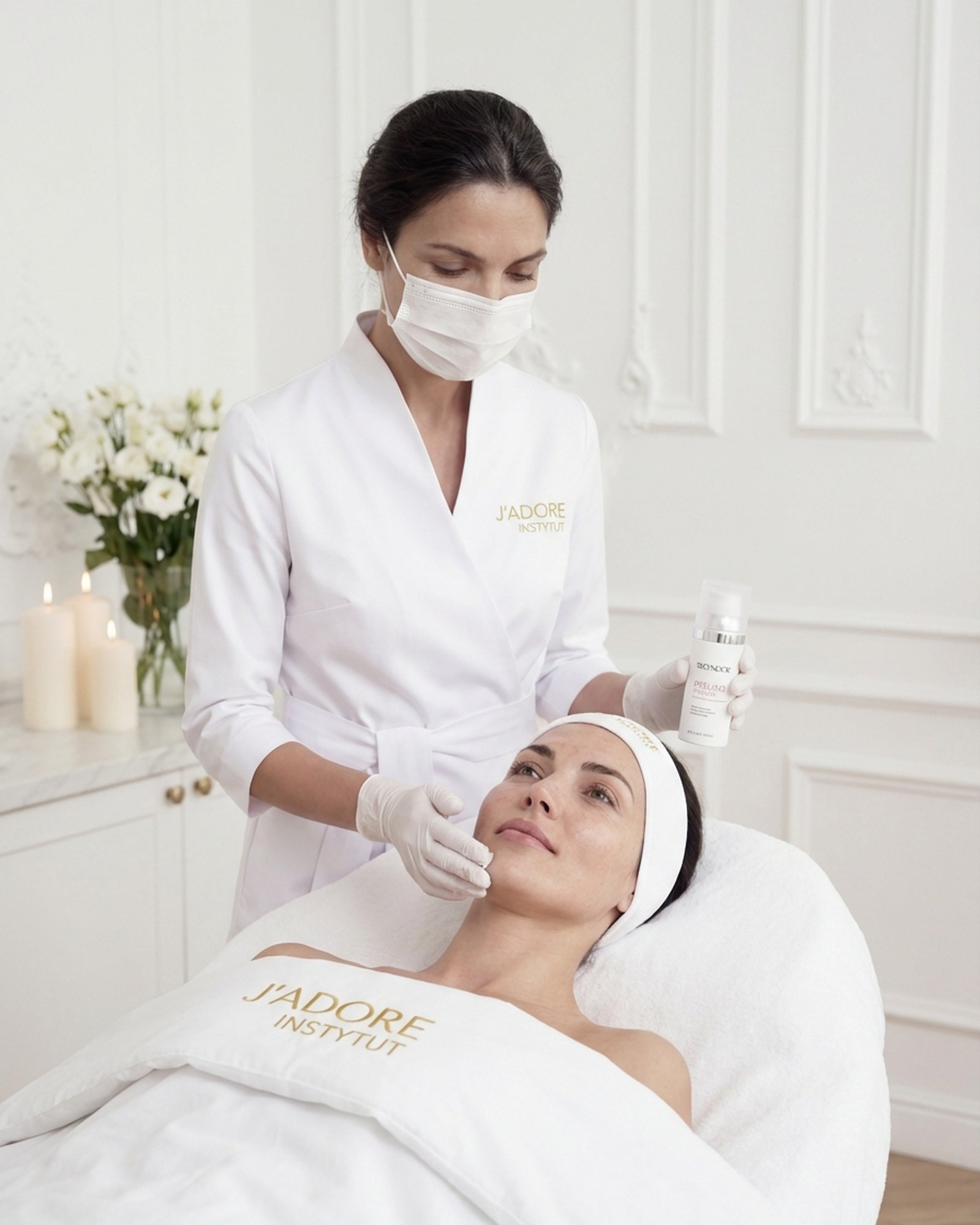
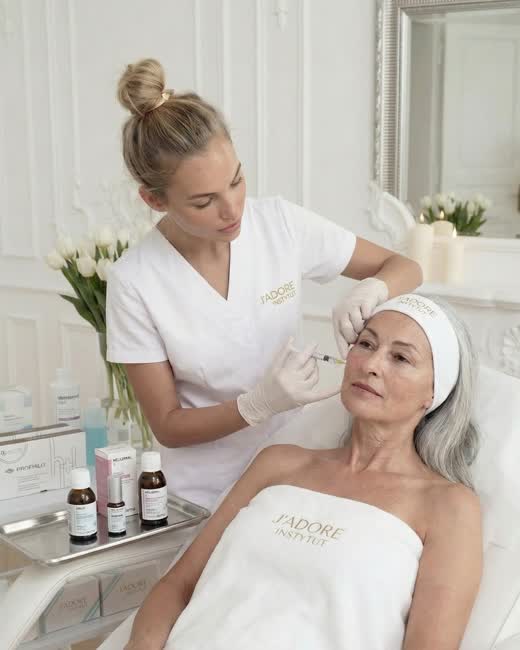
Regular beauty treatments help restore sebum balance and reduce the tendency to develop blackheads. At J'ADORE we use several proven protocols — we often combine them into a series for better results.
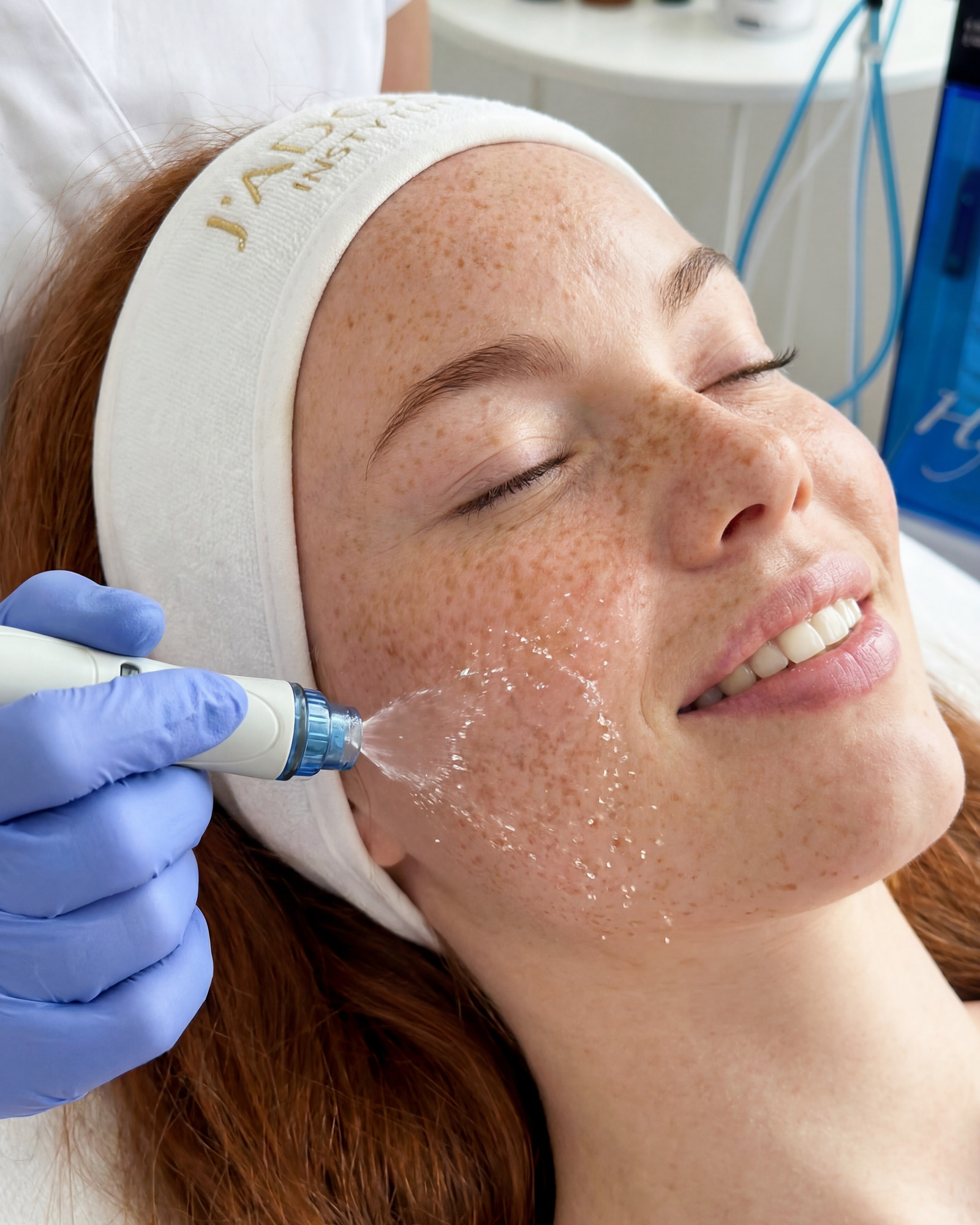
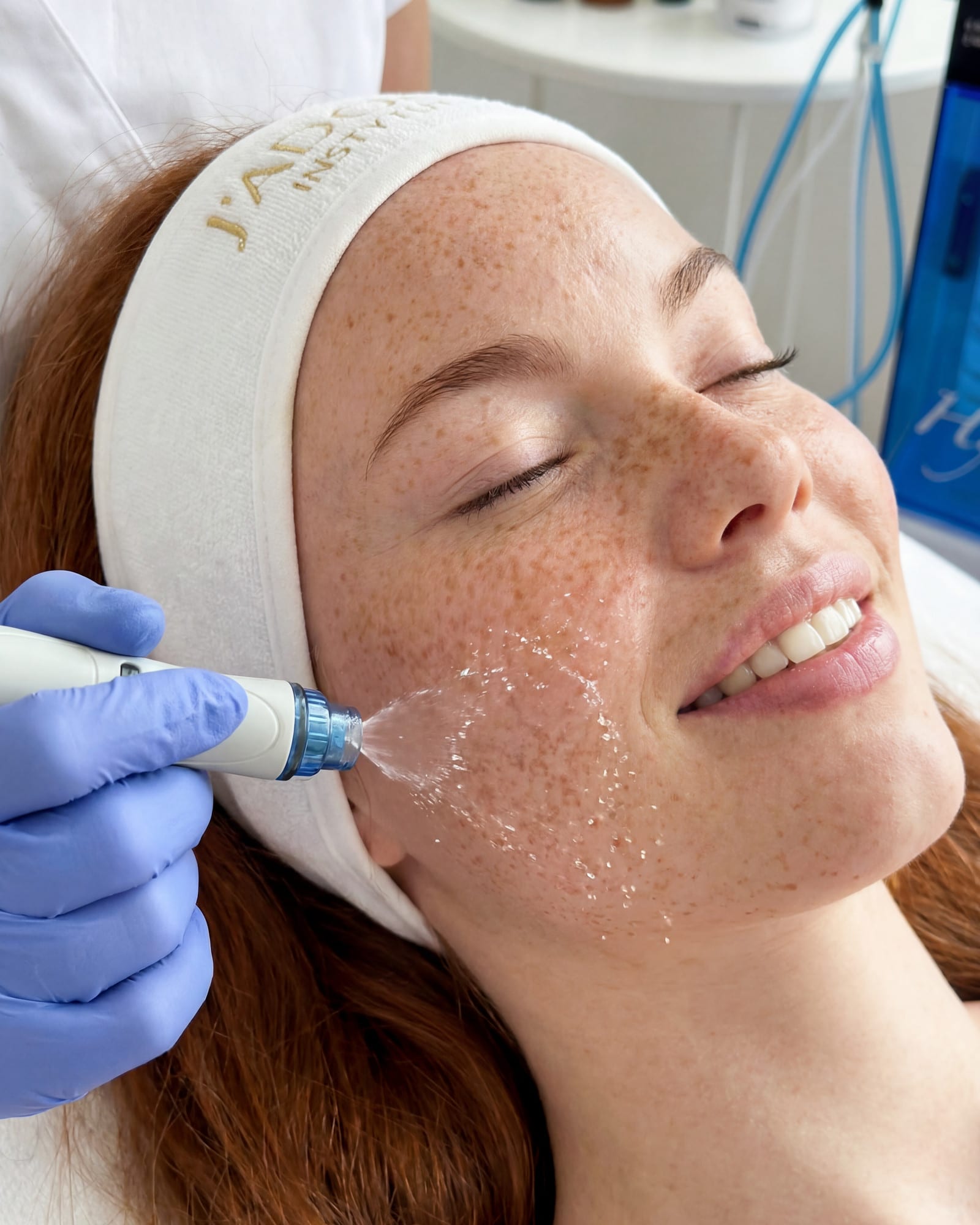
HydraFacial — cleansing with sebum regulation
HydraFacial is a three-step treatment: cleansing, exfoliation and infusion of active ingredients. For oily skin, the Extract step matters most — mechanical extraction of blackheads and excess sebum using BHA (salicylic acid). The Fuse step completes the treatment with Pore Minimizing serum, chosen specifically for oily skin.
OxyGeneo Balance — sebum regulation
OxyGeneo combines oxygenation (gentle exfoliation) with oxygen infusion and delivery of active ingredients. The Balance capsule contains zinc and spurge extract — ingredients known for their sebum-regulating action. After a series of sessions, many people notice reduced shine and fewer blackheads.
BHA peel — salicylic acid
Salicylic acid is lipophilic — it penetrates into sebum-filled pores and "cleans them from the inside." It has a sebostatic effect, reduces the visibility of pores and helps prevent blackheads. A series of several sessions spaced 2–3 weeks apart often brings noticeable improvement.
EstGen — microbiome and sebum
Excess sebum production is partly linked to skin dysbiosis — an imbalance in the skin's microbial environment. EstGen contains colostrum and growth factors, which can help stabilise the skin environment and support microbiome regulation. This is a complementary treatment — particularly helpful for oily skin prone to inflammation.
Home care for oily skin
Daily skincare is the foundation. Treatments deliver lasting results only when they're supported by the right routine at home.
- Niacinamide 10% — regulates sebum production, reduces the visibility of pores, has an anti-inflammatory effect
- Azelaic acid 10–15% — sebostatic and anti-acne action in one
- BHA 2% (toner) — every evening or every other evening on the T-zone, cleans pores from within
Active ingredients for oily skin
When choosing skincare products, look for specific active ingredients with documented sebum-regulating properties:
- Niacinamide 5–10% — sebum regulation and pore-tightening
- Azelaic acid 10–15% — sebostatic and anti-acne action
- Salicylic acid 0.5–2% — cleanses pores, lipophilic (penetrates sebum)
- Zinc — regulates sebum production, anti-inflammatory action
- Green tea extract (EGCG) — anti-androgenic and sebostatic properties
- Retinol — normalises keratinisation and regulates sebum over the long term
When does oily skin turn into acne?
Oily skin with blackheads involves non-inflammatory lesions — these can be treated effectively with the right treatments and skincare. When papules and inflamed pustules appear, that's inflammatory acne. It calls for a dermatologist's consultation, or an intensive cosmetology protocol.