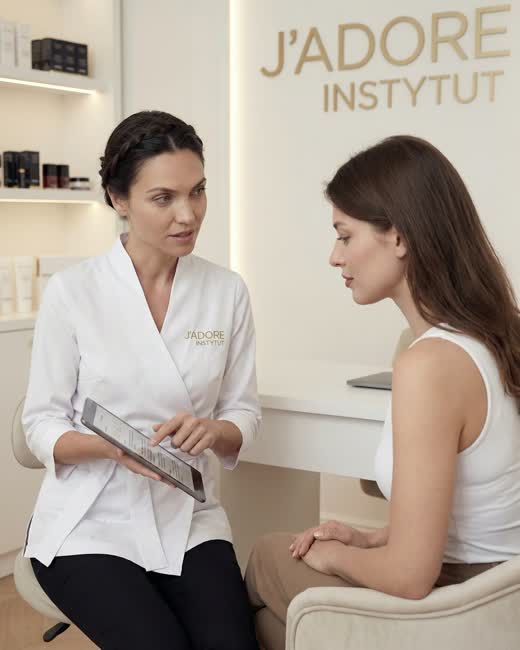
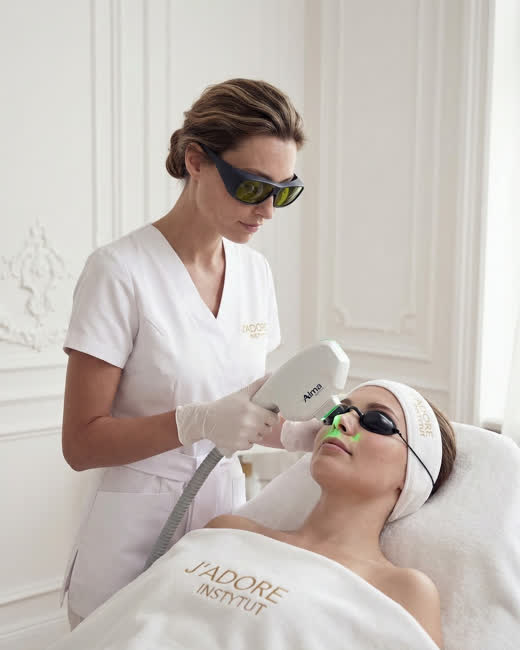
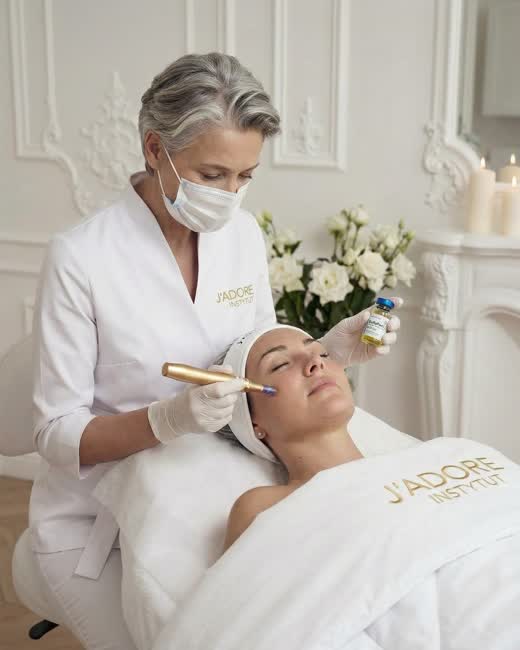
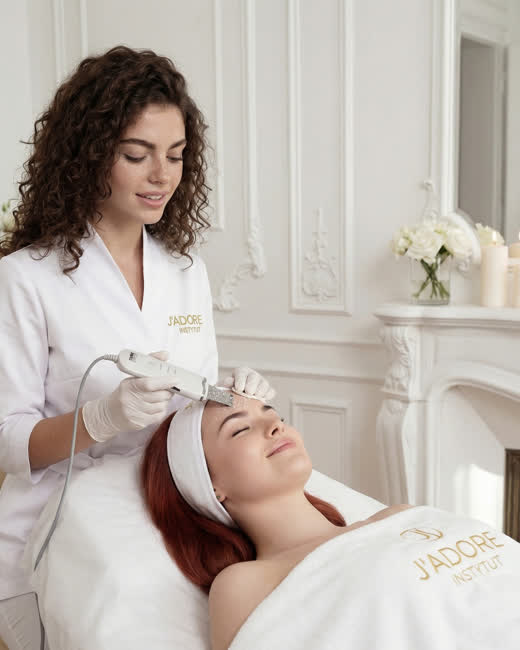
A treatment room at J'adore
MEDICAL PEELS
An oily T-zone, blackheads that keep coming back despite thorough cleansing, enlarged pores and recurring breakouts — this is skin that produces too much sebum and exfoliates too slowly. Salipeel is a salicylic acid (BHA) peel by Mediderma, and its main advantage is that salicylic acid is fat-soluble — it reaches where "water-soluble" acids can't: deep into the pore, into the blackhead, into the sebum plug.
It dissolves keratinised skin cells, clears the gland openings, and works as an antibacterial and anti-inflammatory agent. This isn't about "stripping" the skin, and it isn't a one-off miracle. It's a controlled, repeatable tool that, used as a series, noticeably improves skin texture, tone and clarity. At J'adore Instytut, the peel is selected and performed by an experienced cosmetologist. Below you'll find everything worth knowing before your first visit: whether it really works, whether it stings, whether you'll flake and for how long, when you'll see results, and why SPF after a peel isn't optional.
series of 4–6 sessions every 1–2 weeks
How it works
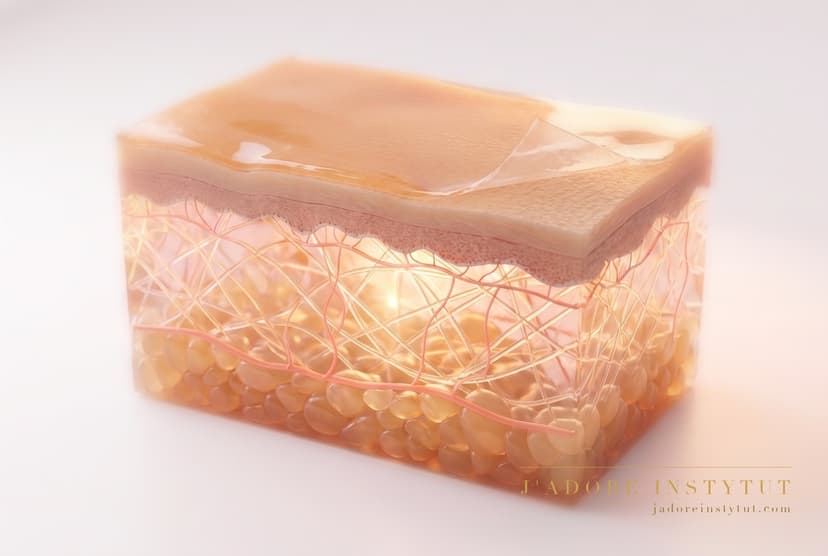
Salipeel is a peel based on salicylic acid (BHA) — a substance that dissolves the bonds between keratinised skin cells and speeds up their shedding. Its key feature is lipophilicity: salicylic acid is fat-soluble, so — unlike water-soluble acids — it penetrates deep into pores filled with sebum, dissolves the sebum plug and clears the gland opening from within.
There are also two properties that make it a "first-choice" peel for oily and acne-prone skin: it works as a keratolytic (dissolving blackheads and refining texture) and as an antibacterial and anti-inflammatory agent (calming breakouts and redness). That's why skin after a series isn't just smoother — it's calmer too.
This is a cosmetology treatment — controlled, safe exfoliation performed by a specialist, not aggressive "stripping" of the skin. The cosmetologist monitors how your skin reacts throughout, adjusting exposure time to what she observes.
Ideal for
This isn't a peel "for every skin type and every concern." For very dry, atopic or heavily irritated skin, a cosmetologist will more often choose a gentler acid, such as mandelic or azelaic. Whether salicylic acid is the right choice for you is decided through skin analysis during a consultation.
Women's needs and men's needs
A salicylic acid peel for women most often targets combination and oily skin: a shiny T-zone, blackheads on the nose and chin, and breakouts that intensify around your period. The goal is clear, smooth skin with finer pores — without the dryness that would only push sebum production higher.
What we work with
A salicylic acid peel for men is a common choice, because men's skin is thicker, more prone to oiliness, and slower to exfoliate — hence blackheads in the T-zone, larger pores and uneven texture. Add to this scars and post-inflammatory hyperpigmentation from past acne, plus an issue many men underestimate: no SPF habit, which makes results easy to lose.
What we work with
Interesting fact: salicylic acid is a "cousin" of aspirin (acetylsalicylic acid) — both derive from willow bark, used against inflammation since ancient times. That's why a salicylic acid peel doesn't just exfoliate — it also calms redness, working almost like a topical "anti-inflammatory" for the skin.
Safety
With peels, results and safety depend on several things worth asking about at any salon — because "salicylic acid peel" isn't one single, universal treatment:
At J'adore, the peel is chosen and performed by an experienced cosmetologist — after a consultation and assessment of your skin, its reactivity and phototype. The cosmetologist determines the strength, exposure time and intervals.
We use genuine Mediderma products from legitimate distribution, with known concentration and pH. A peel of unknown origin means unpredictable strength and a real risk of irritation or pigmentation.
There's no single "peel strength." Concentration, number of layers and exposure time are chosen individually, and can increase over the course of a series as your skin adjusts.
Skip daily SPF 50+ after a peel and you risk pigmentation. It's not an "extra" — it's part of the treatment.
Red flags — when it's better to walk away ·
Contraindications
Some contraindications are permanent, others temporary — in which case, we simply postpone the treatment until the situation has passed. We'll go through the full list individually during your consultation.
From the cosmetologist's chair
The thing most often forgotten: cold sores. A chemical peel can "wake" the virus, even when no active lesion is visible, if someone is prone to it. That's why I ask about recurrences — with a history of recurring cold sores, it's better to think about prevention in advance than to postpone a series halfway through.
This isn't a complete list — we'll go through your medication, health conditions, phototype and previous treatments individually during your consultation, before deciding on the strength and plan for your series.

The visit
Consultation & skin assessment
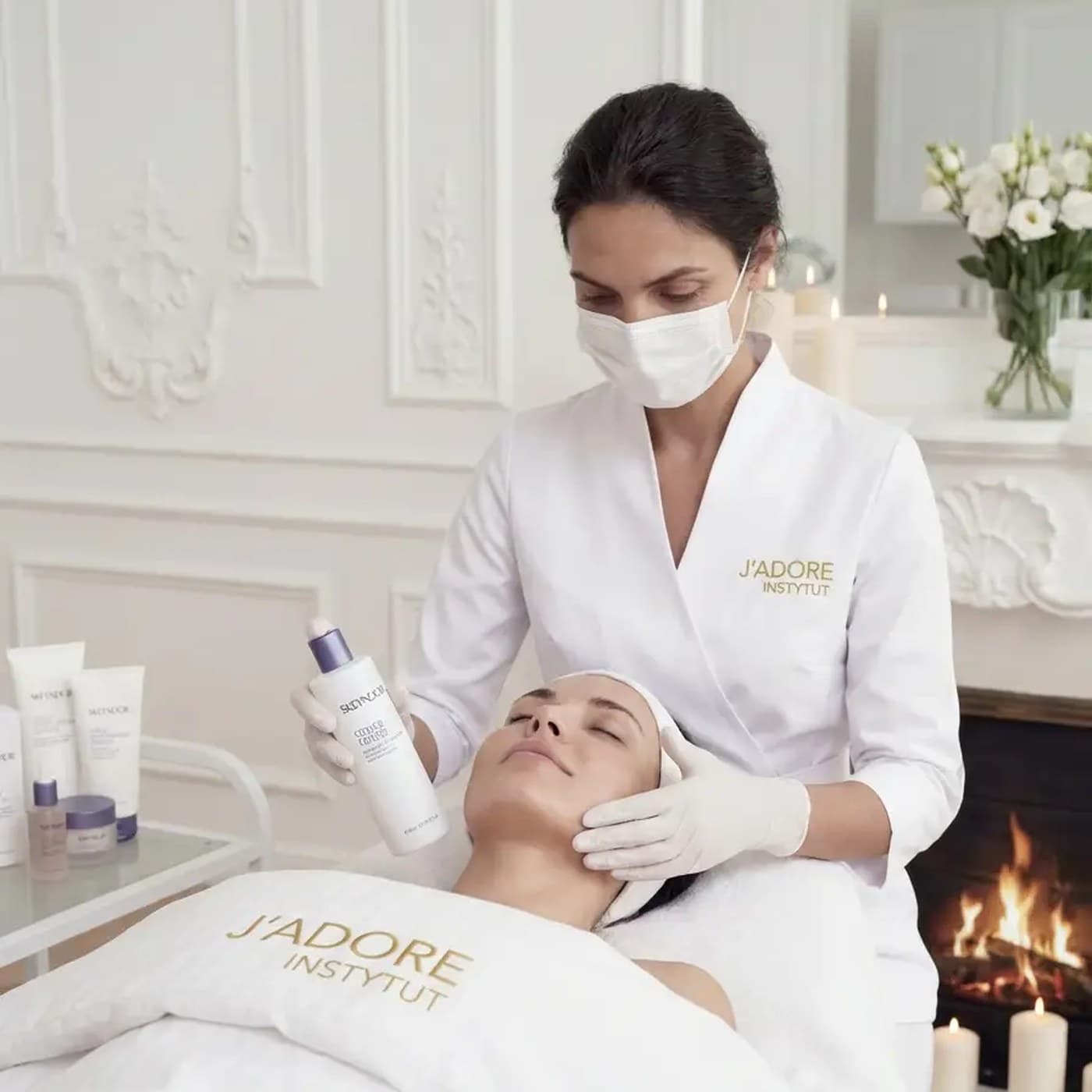
your cosmetologist assesses your skin type and condition, reactivity, phototype, any medication and previous treatments, and rules out contraindications. A good specialist tends to start gently rather than going in strong straight away.
Cleansing and removing makeup and oils
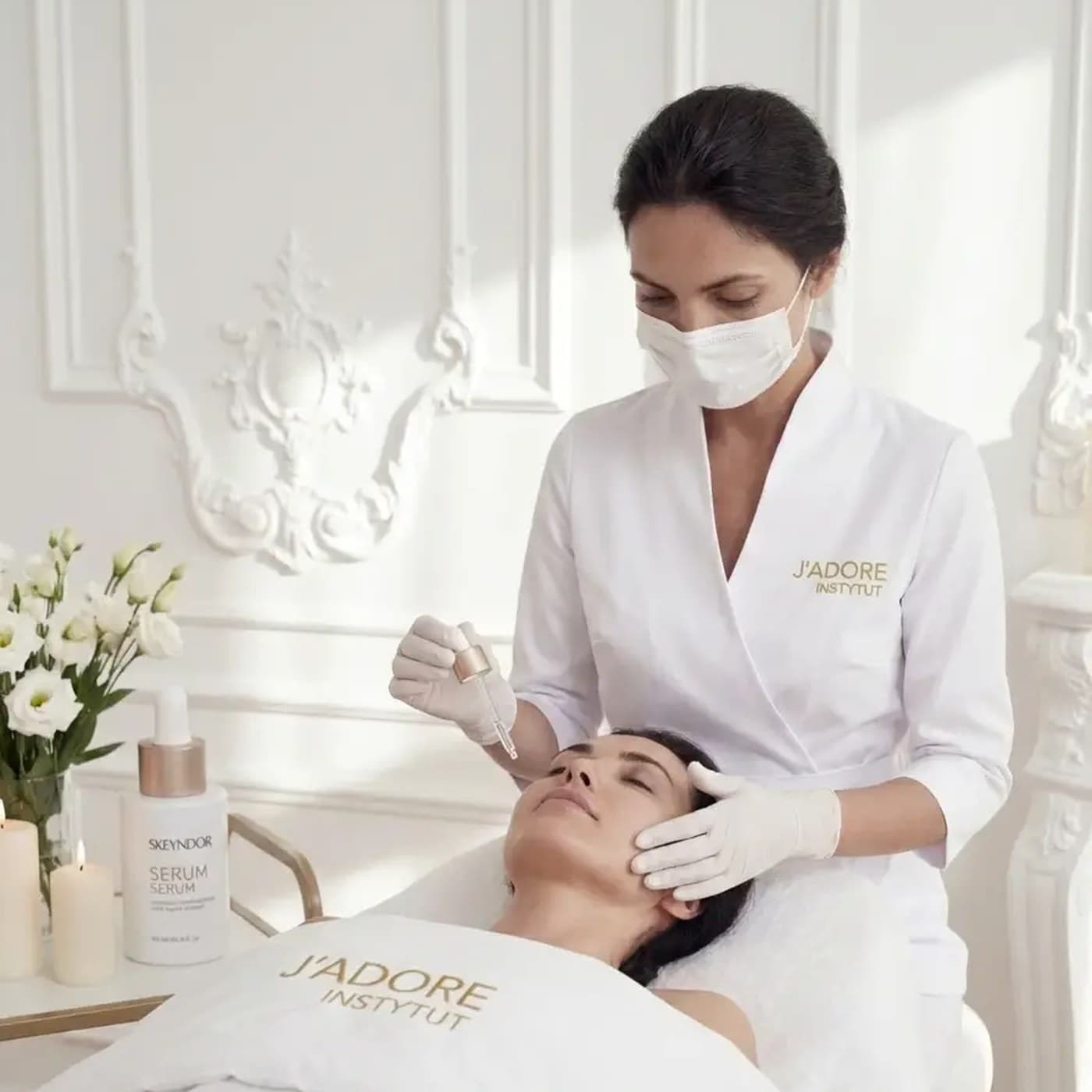
skin needs to be free of sebum and cosmetics so the acid works evenly across the whole area. This step determines whether the peel "takes" evenly everywhere.

Applying the peel
the product is applied in layers, with a brush. Your cosmetologist watches how your skin responds — redness, a stinging sensation, any frosting — and controls exposure time accordingly.
Neutralising / removing the peel
depending on the protocol, we neutralise or wash off the peel after the set time. Nothing is left to guesswork.
Soothing mask and SPF
to finish, a soothing, hydrating product, followed by SPF 50+. You'll get clear written home-care instructions.
What to expect
The most common question: will I flake, and for how long? With a salicylic acid peel, flaking is usually mild — fine, "powdery" shedding, not visible peeling patches. It appears (if at all) usually between days 2 and 5 and lasts a few days. The stronger the protocol (for example, a series with Retises 1%), the more noticeable the flaking can be.
The most common worry: "I'll flake like I've been sunburnt and won't be able to leave the house." With a salicylic acid peel, that's rare — most people go back to their day-to-day routine the same day. The visible, patchy flaking associated with peels is more the domain of stronger protocols (TCA, retinol-based), not a standard Salipeel.
Portfolio
A record of the work in our salons — the place where we publish treatment frames and, after photo sessions, results.
A record of results — in preparation. We publish photographs of our clients only with their consent.
The result builds over a series and is cumulative — this isn't a "one evening" treatment. A single session refreshes and clears the skin, but real, lasting improvement comes from several sessions plus home care and SPF, which protect what we've achieved in the salon.
A peel and your lifestyle
The most common questions aren't about the treatment itself, but about what comes after: sun, makeup, sauna, exercise, home acids, holidays. There's one rule — for a few days after a peel, your skin is freshly exfoliated and more sensitive, so we spare it extra stress and strictly protect it from UV.
This is the most important rule with any peel. Freshly exfoliated skin is highly prone to pigmentation — without daily SPF 50+, you risk reversing the effect. Avoid intense sun and sunbeds for a few days, and wear a filter throughout the whole series.
Skip makeup on the day of the treatment — let your skin breathe. From the next day, you can go back to foundation; with a stronger protocol, your cosmetologist may recommend a longer break.
High temperatures, chlorine and sweat irritate freshly exfoliated skin and intensify redness. Hold off on the sauna, pool and long hot baths for 1–2 days.
Put home acids and retinol on hold after a peel — applying them to freshly exfoliated skin is a simple route to irritation. Go back to them only once your specialist gives the green light.
Intense exercise and sweat on the day of your peel can sting and irritate. The next day is usually fine, provided you use gentle care and SPF.
A salicylic acid peel is best planned outside periods of intense sun exposure. Factor in a margin between your last session and any holiday or sunbed exposure.
Salipeel — salicylic acid (BHA)
"Salicylic acid peel," "over-the-counter surface peel" and "medical depigmentation for hyperpigmentation" are three different things — and they're often confused. Here's what each one does:
enters the pore, clears sebum and blackheads
won't remove deep melasma-type hyperpigmentation or deep atrophic scars on its own
lightly refreshes the epidermis
doesn't reach deep into the pore and won't match an in-salon series — it's skincare, not a treatment
targets persistent hyperpigmentation / melasma
isn't a peel "for acne and pores" — it's a tool for tone, not sebum
Combine with
Salipeel fits neatly into a skincare plan for oily and acne-prone skin. Your cosmetologist decides the order and intervals during consultation, but the general logic stays the same — we don't stack several strong exfoliating treatments at once:
A simple rule of thumb: sebum, blackheads, shiny skin → salicylic acid (Salipeel). Patches and pigmentation marks are a different problem — that's where brightening peels and depigmentation protocols come in. Some people come in "for a peel for sun spots," when they actually need something quite different. That's why we start with an assessment, not a product.
Products and variants
Under the banner "salicylic acid peel," J'adore uses a specific, genuine Mediderma line, in several variants. You don't choose the product "off the shelf" — your cosmetologist selects it to match your skin type, its reactivity and the treatment goal.
The classic peel with salicylic acid (BHA) — keratolytic, pore-clearing, antibacterial and anti-inflammatory.
Dla kogoOily and acne-prone skin, blackheads, enlarged pores, shiny T-zone.
A gentler variant — salicylic acid supported by lactic acid, for softer, less irritating exfoliation.
Dla kogoMore sensitive skin, first-time salicylic acid peel, combination skin prone to irritation.
A salicylic acid peel boosted with retinol — stronger cell renewal and stimulation, with more noticeable flaking.
Dla kogoPost-acne marks and scars, post-inflammatory hyperpigmentation, photoageing — when a stronger "reset" is needed.
Fact: Where do the differences in "strength" come from, and why isn't price a measure of quality? The differences come from acid concentration, pH, number of layers and exposure time — plus whether the protocol includes retinol. A stronger peel is not automatically "a better result" — it's a greater risk of irritation if the strength doesn't suit your skin. So what matters is the choice and the hand of the cosmetologist, not "what percentage" was in the product. A suspiciously cheap peel usually means no consultation, a non-genuine product, or a series sold blind — that's not a saving.
Price list
Checking free hours…
From the magazine
Editorial pieces on how this treatment works in practice — what happens during the session, how to prepare, where the limits are and what the first days after look like.
See also
The result laststhe result builds over a series and is maintained with home care and SPFJ’adore Instytut
Informational text. The description above is educational and does not replace a consultation. The Salipeel peel is a beauty treatment (the word "medical" in the category name refers to the class of the product, not to it being performed by a doctor). The choice of peel, its strength, the number of sessions in a series and any contraindications are determined by a cosmetologist/specialist during an individual consultation and skin analysis.
Home care
Cosmetics matched to what your skin needs after a treatment — so the clinic effect lasts longer.
 acne and blemishesDermoMedicaAnti-Blemish Nanoneedling Patches 9 pcs.View in the shop(opens in a new tab)
 oily skinSkeyndorExpert Cleanse Pro – Mattifying Foam GelView in the shop(opens in a new tab)
 sun protectionCell Fusion CAquatica Sunscreen 100 SPF 50+/PA++++View in the shop(opens in a new tab)
 acne and blemishesMesoesteticGrascontrol Detox PowderView in the shop(opens in a new tab)
 oily skinMedik8Natural Clay Mask™View in the shop(opens in a new tab)
 sun protectionDermaQuestSunArmor SPF50 30 mlView in the shop(opens in a new tab)
 acne and blemishesPeel MissionUPWASHING ACNE SKIN ACID GEL 250mlView in the shop(opens in a new tab)
 acne and blemishesDiego Dalla PalmaSmart Pure Exfoliating Mask stick 30 gView in the shop(opens in a new tab)