Where does the myth of the "cheap equivalent" come from
Polynucleotides are a category, not a single product. The same name covers products with different purity levels, different molecular weights, different degrees of DNA processing and different sterilisation methods. All of these parameters determine whether your body treats the substance as something to work with, or triggers an inflammatory response instead. The myth of the "cheap equivalent" comes from the fact that the active substance sounds the same on paper. The differences are invisible to the naked eye. They are, however, very real — and measurable.
Six myths, one by one
Myth 1: "Polynucleotides are polynucleotides — they all do the same thing". Fact: this name covers products with radically different parameters. Differences in molecular weight affect how deeply the product penetrates tissue. Differences in purity determine whether an unwanted inflammatory reaction occurs. Differences in sterilisation and storage change biological activity. Two products with the same name can behave completely differently in tissue — and produce completely different results, or none at all.
Myth 2: "A lower price is simply a lower clinic margin." Fact: the price of an original preparation is high for a specific reason. Clinical trials, certification, cold chain supply, rigorous quality control of production batches — these cost money. A "no-name" preparation, or one sourced outside the legal distribution channel, bypasses some of these costs because it bypasses some of these processes. A lower purchase price for the clinic means that something was skipped along the way — the only question is what.
Myth 3: "The results look the same, so the product must be the same". Fact: the aesthetic results visible after one session aren't enough to judge product quality. A good product keeps working in the tissue for weeks, triggering biostimulation processes. A low-quality product may deliver short-term hydration — a water effect in the tissue — that looks similar at first. Then it disappears without a trace, or an unwanted reaction appears. The real difference shows over time: after the third session, after a year, once you can see whether the tissue actually rebuilt itself.
Myth 4: "If a clinic is renowned, the product must be good too." Fact: a clinic's reputation and a product's authenticity are two independent variables. Even in a good place, quiet cost-cutting happens — a change of supplier, grey-market imports, a substitute "with the same composition". A client who asks directly about the name of the product and its manufacturer has every right to an answer. If the clinic hesitates or avoids the subject — that is information in itself.
Myth 5: "Polynucleotides are safe, so product quality doesn't affect safety". Fact: certified polynucleotides are considered among the safer products in aesthetic medicine — they have a very good tolerance profile and minimal potential for serious complications. That statement doesn't automatically apply to every product sold under this name, though. A low-quality product can trigger tissue reactivity, inflammation, and in extreme cases, allergic reactions. Safety doesn't lie in the name. It lies in the certificate.
Myth 6: "Study results for one product apply to the whole category". Fact: in medicine, every medicinal product has its own clinical trials. Results for product A don't automatically transfer to product B, even if both are labelled "polynucleotides". This matters especially when comparing established, well-studied brands with new products that have just entered the market, or — worse — have no certification at all.
What actually sets an original product apart from a substitute
Three things say more about product quality than any advertisement. Certification and country of registration — an original product is registered as a medical device or medicinal product in the country where it's used. It carries a certificate number, and the manufacturer takes responsibility for every batch. Batch documentation — a legitimate distributor provides analytical documentation confirming the product's purity. This isn't a formality. It's proof that a given production batch meets requirements. Cold chain — polynucleotides are biologically active and require storage at a strictly controlled temperature from production to administration. A product that "sat around somewhere" without temperature control may have altered activity or compromised sterility.
Polynucleotides versus other biostimulators — where's the difference
It's worth distinguishing polynucleotides from the broader category of biostimulators, because the two terms are often used interchangeably. They aren't the same thing. Biostimulators — such as collagen-stimulating products based on poly-L-lactic acid or calcium hydroxyapatite — work by stimulating fibroblasts to produce collagen. Polynucleotides work differently. They activate adenosine A2A receptors, which triggers repair processes in connective tissue at the cellular level. It's a more precise mechanism, with different indications and a different results profile. Confusing the two categories leads to mismatched expectations — and to disappointment that comes not from an ineffective treatment, but from choosing the wrong tool.
Both women and men use polynucleotides, though for somewhat different reasons and in different areas. For women, the most common indication is general revitalisation of facial skin, the neck and décolletage, the eye area, and recovery after intensive acne treatment. The result they're looking for is skin that feels springier and "fuller from within", without losing firmness. For men, polynucleotides work particularly well for regenerating tired, grey skin — especially after long stretches of stressful working conditions — and as support after laser treatments or in areas exposed to the sun. Men's thicker skin absorbs the product differently, but the mechanism of action stays the same.
Before you choose — what to look out for
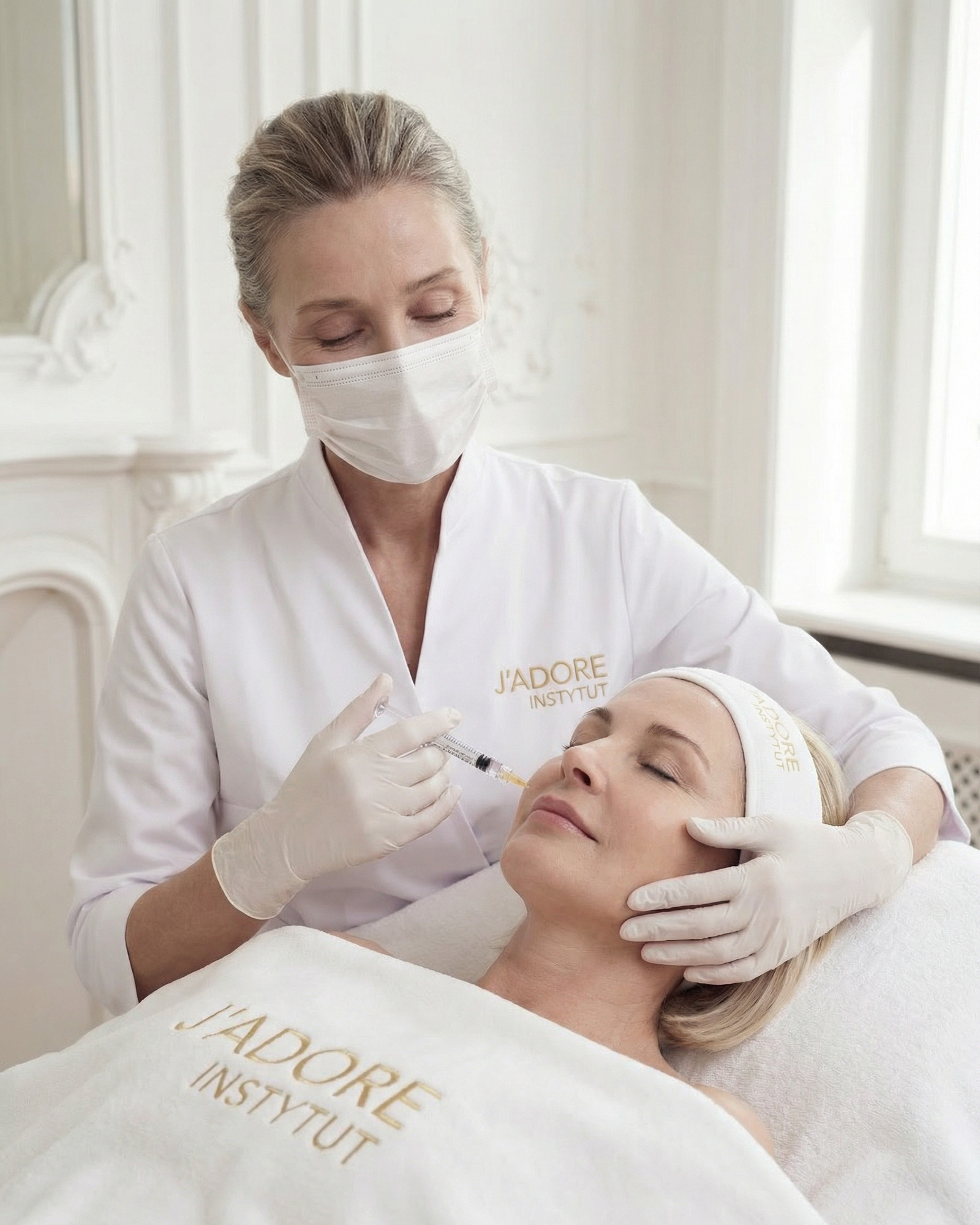
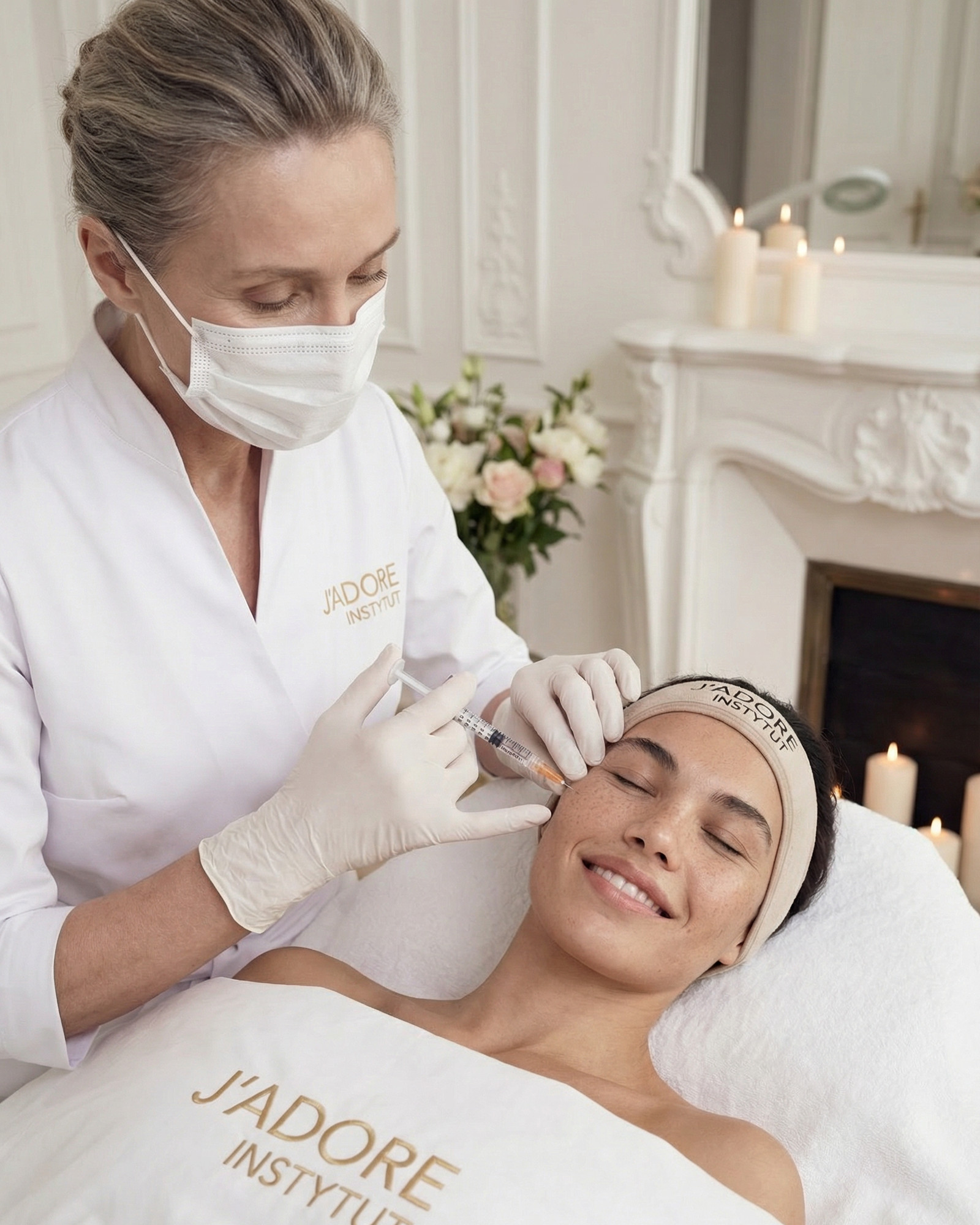
A good decision about polynucleotides starts with a consultation. During it, the doctor should assess your skin condition and indications, and openly explain which product they use and why. That's not an intrusive or awkward question. It's a question about your own safety. A salon that understands this will answer without irritation and without brushing you off.
Second point: biostimulation results aren't immediate. Polynucleotides trigger processes that develop in the tissue over weeks. The first changes are visible after a few days, but the full result of a series of sessions can only be judged a few weeks after the last one. Expecting results "by the next day" is one of the more common misunderstandings. A good result builds gradually — that's exactly what makes it look natural.