Three methods, three different routes into the skin
The skin barrier does exactly what it's designed to do: it blocks most substances we try to apply to the skin. That's why the idea is to bypass this barrier — but the methods we use to do this differ fundamentally.
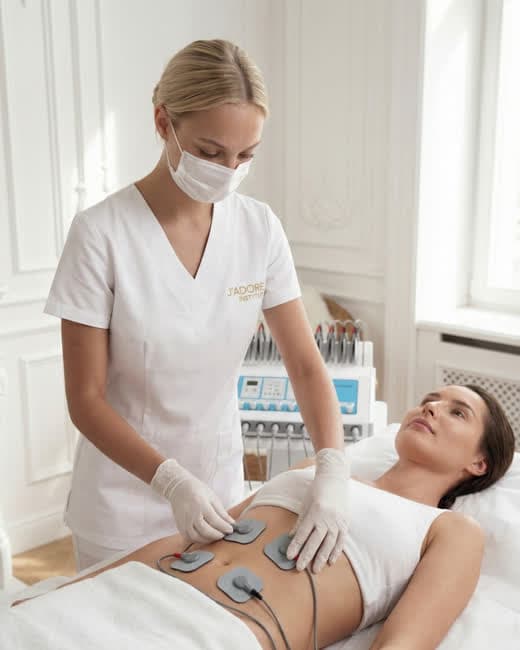
Electroporation
electrically opening channels in the epidermis
- Electrical pulses temporarily loosen cell membranes
- Active ingredients penetrate without puncturing the skin
- Pain-free treatment, no healing period
- Works well for delicate, reactive skin
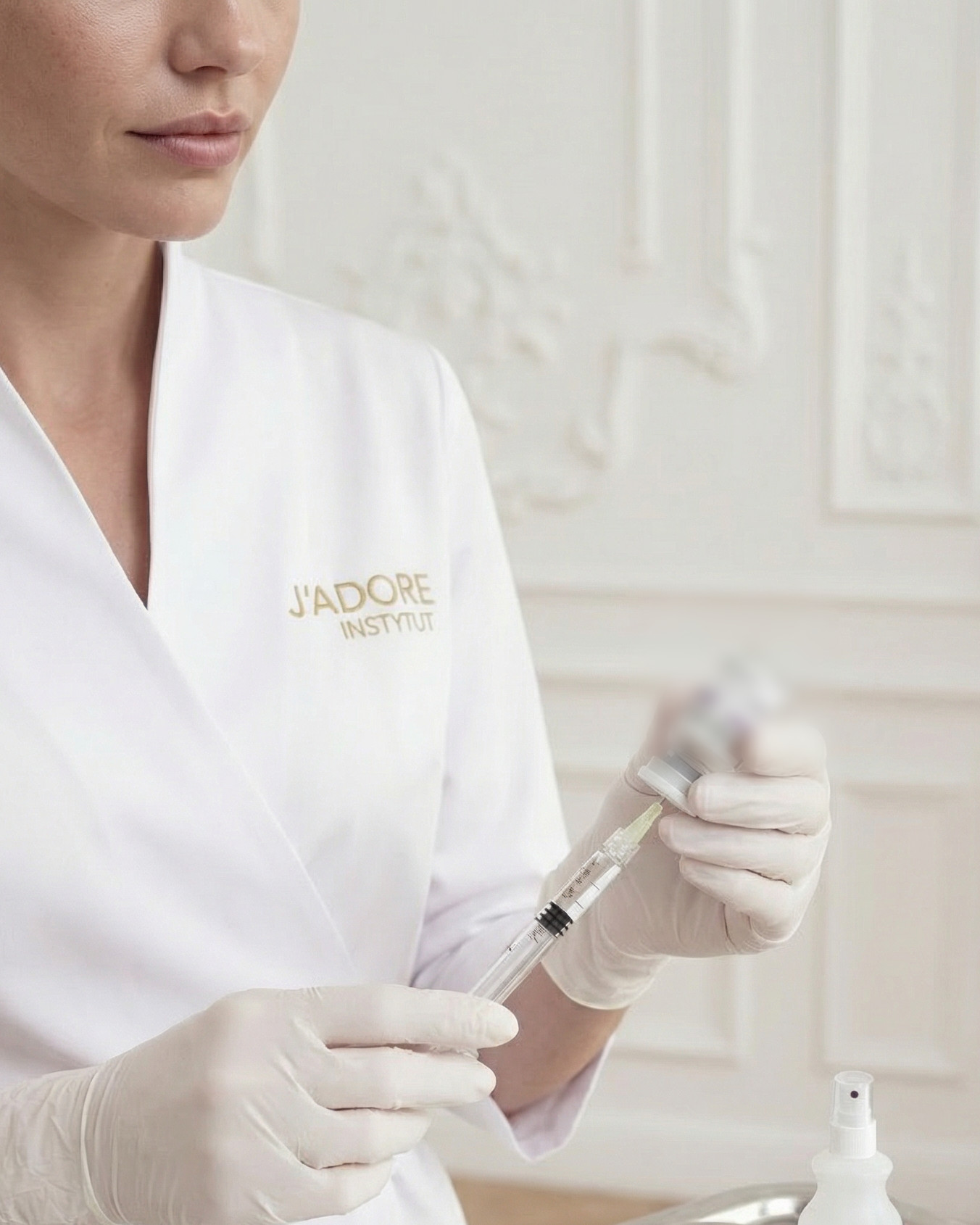
Needle mesotherapy
precise micro-injections into the dermis
- Vitamin cocktails, hyaluronic acid or plasma delivered directly into the layer where they act
- The deepest reach of the three methods
- Simultaneous mechanical stimulation (micro-injuries trigger collagen production)
- A good choice for pronounced hydration deficits and loss of density
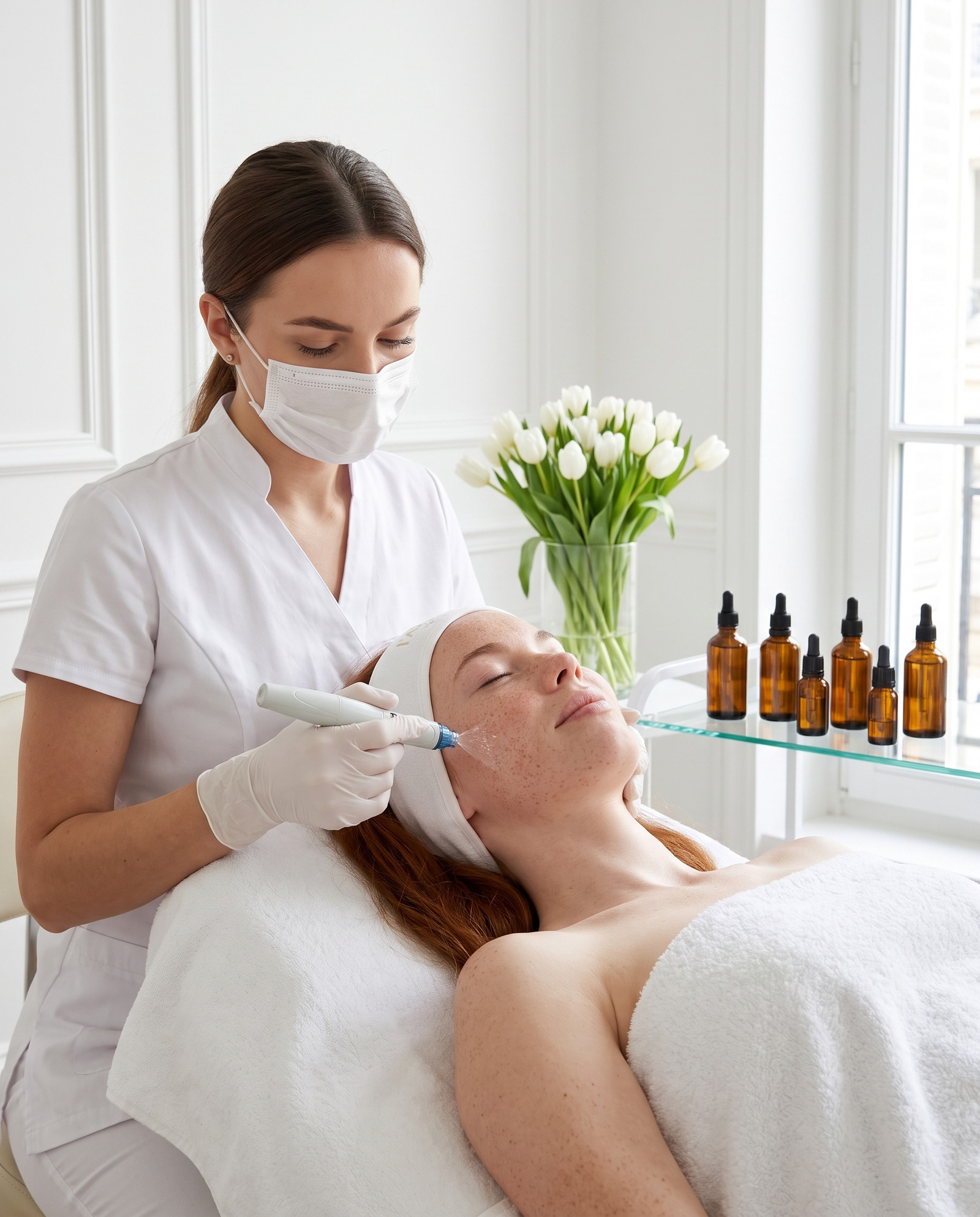
Needle-free mesotherapy
ingredient transport using pressure or ultrasound
- No needles and no electrical pulses — pressure or ultrasound instead
- Comfort comparable to electroporation, no downtime
- A good starting point if you don't like needles
- Works well as a complement to other treatments
When electroporation works well
Electroporation is sometimes described as "an IV drip for the skin without the needle" — and that metaphor is fairly accurate. Current with specific parameters temporarily increases the permeability of cell membranes. This lets active ingredients penetrate deeper than with massage or home care alone.
- Dry, dehydrated skin lacking radiance — electroporation can significantly improve hydration after just a few sessions for many people
- Reactive, vascular skin — no mechanical irritation is often a major advantage
- Boosting cosmetics after other treatments — electroporation is often combined with peels and laser treatments during the recovery stage
- People who want results without needles or redness — treatment comfort is one of the main reasons for choosing it
When it's worth choosing needles
Needle mesotherapy has the longest history and the largest body of research among the three techniques described here. Its main advantage is precise delivery of substances exactly where they need to act — into the dermis.
- Pronounced loss of density and hydration — cocktails with hyaluronic acid and amino acids often show results visible after a series
- Acne scars — micro-injuries stimulate tissue remodelling; for many people, a series of sessions can improve texture
- Scalp and hair loss — scalp mesotherapy is one of the more common indications, a category of its own
- Eye area and neck — delicate zones that require targeted action at a specific depth
For many people, the micro-punctures are the only downside. Skin may be slightly reddened for a few to several hours after the treatment. This is a normal, temporary reaction, not a side effect. Many people schedule the treatment for the end of a working day.
Needle-free mesotherapy — a gentle entry point
Needle-free methods combine treatment comfort — comparable to electroporation — with the delivery of active ingredients using pressure, ultrasound or another carrier. This is often the choice for people just starting out with facial treatments, or those who want to round off a series after more intensive methods.
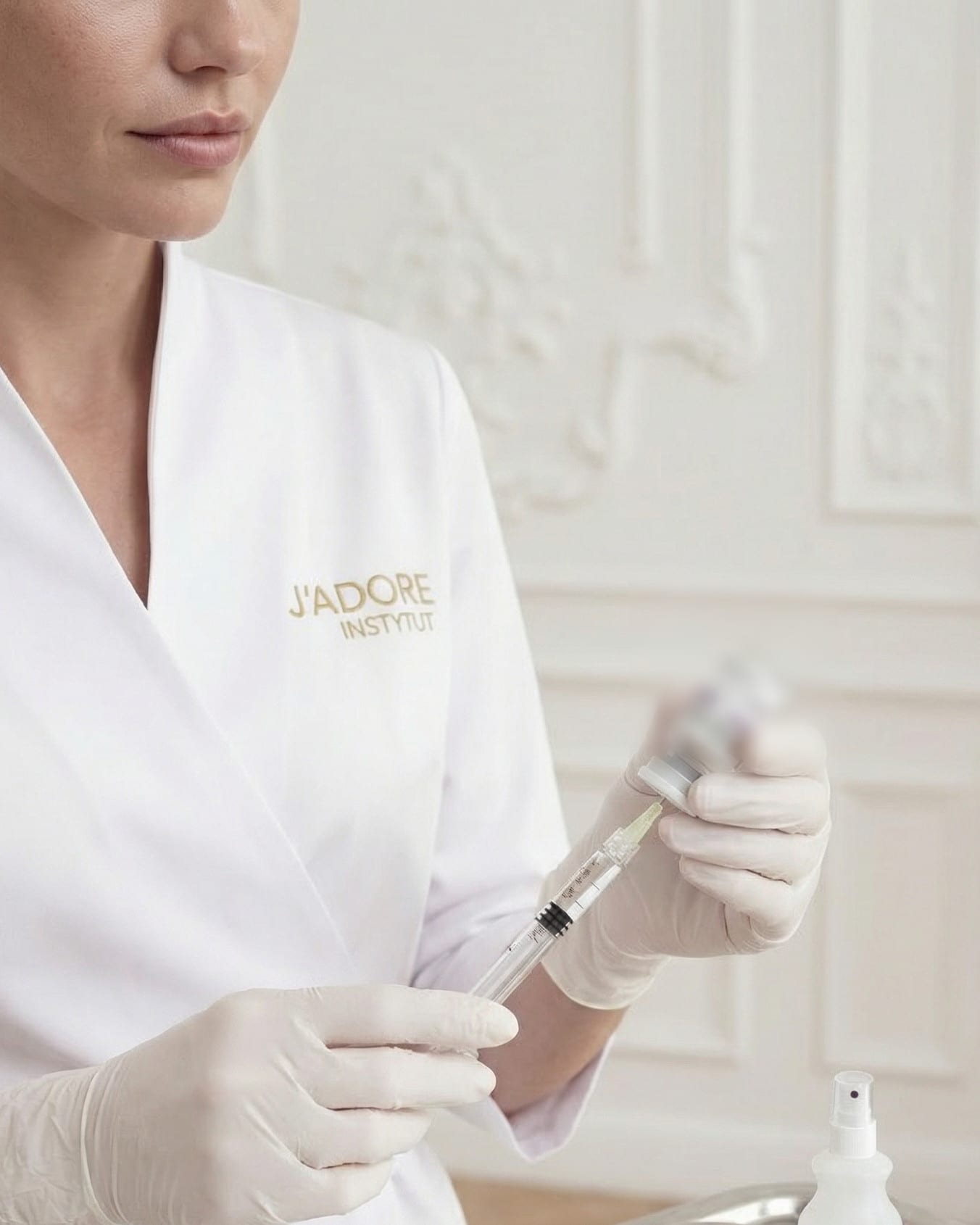
How it all works together — when to combine methods
In practice, these methods are increasingly treated not as alternatives, but as complementary stages of a plan. The logic behind combining them is simple: each method works at a different depth and through a different mechanism.
Needle mesotherapy + electroporation
The needle delivers ingredients deep into the skin, while electroporation boosts transport through the epidermis — two stages of the same session, or separate visits within a series.
Electroporation after a laser treatment or peel
When the skin barrier is temporarily weakened, electroporation can transport soothing and regenerating ingredients more effectively — a popular protocol for calming skin after treatments.
Scalp mesotherapy + facial electroporation
Two independent goals in a single visit — the scalp and the face can be treated in parallel, if the plan calls for it.
A needle-free series as preparation for needle mesotherapy
For people with reactive skin, or those just starting out: a few needle-free sessions "prepare" the skin for deeper interventions.
A good specialist doesn't choose one method because it's "better". They choose the one that answers a specific problem and a specific skin condition. If you're recommended a particular treatment, ask: exactly what does it do, and at what level of the skin? It's a question always worth asking.
How to approach the choice before your visit
Before your consultation, it's worth doing your own skin "review". Not to replace a specialist's assessment, but to arrive with a specific question, rather than a general "I'd like to improve something":
- 01
Name one main problem
Dry, dull, lacking radiance? Loss of density and laxity? Uneven texture, scars? Hair loss? One specific problem gives a better starting point for a conversation than a list of ten.
- 02
Assess your comfort with needles
If the thought of punctures makes you visibly uncomfortable, start with electroporation or a needle-free method. You can assess results after the series, before deciding on the next step.
- 03
Ask about the plan, not a single session
One session rarely solves the problem — a series and a plan are standard in this category. Ask: how many sessions in the series, what comes next, how to maintain results.
- 04
Talk about combining with home care
You can extend the results of a series with the right care. Ask which active ingredients in your cosmetics will reinforce the treatment — retinol, peptides, ceramides.
None of these three methods is "best" out of context. Each has an area where it excels, and situations where another method works better. The more precisely you describe your problem, the better the specialist can match the method to it.