What a stretch mark actually is — and why it matters
A stretch mark is a micro-scar in the dermis. It forms where collagen and elastin fibres have torn under sudden stretching. On the surface, it looks like a streak — red or purple at first (when the stretch mark is "fresh", rich in blood vessels), turning white or pearly over time (once scarring is complete and the vessels have faded).
This distinction is key to choosing the right method. There's no single treatment "for stretch marks" — some methods work best at the active stage, others deliver more on old stretch marks. A good plan always starts with an assessment of what's happening beneath the skin.
Three main methods — and what each one is built for
In an aesthetic cosmetology salon, we typically work with three approaches. They differ in mechanism, in the depth they reach, and in which stage of stretch marks they work best on.
Fractional laser
rebuilds the scar from within
- Works deep — in the dermis, where the scar tissue is
- Creates micro-zone damage that triggers new collagen production
- Particularly effective on old stretch marks (white, pearly)
- For many people, it significantly evens out skin texture and colour after a series of sessions
- Results are often visible 4–8 weeks after the treatment, and continue to build over several months
Microneedling (RF or mechanical)
stimulates the skin mechanically and thermally
- Hundreds of precise micro-channels trigger the skin's natural repair processes
- The RF (radiofrequency) variant also thermally tightens the tissue
- Works well on both fresh and old stretch marks
- Often used as a series — results build up with each session
- Can be combined with a regenerative serum delivered directly through the micro-channels
Needle mesotherapy
delivers ingredients deep into the skin
- Precise micro-injections of regenerative cocktails (e.g. hyaluronic acid, vitamins, peptides)
- Nourishes and hydrates the skin from within — improves elasticity and skin tone
- Particularly recommended for fresh stretch marks and as a follow-up after laser
- Gentle and well tolerated — often used just a few weeks after giving birth
- Visible improvement in hydration and skin firmness relatively quickly
When to start, and does breastfeeding matter?
Almost every new mother asks this question. The answer is more encouraging than you might expect — but it does require the right sequence.
- 01
The first weeks after birth
Time for your body to recover, and for home care — massage with oils (such as sweet almond or wild rose), moisturising, and gentle support for the skin. Salon treatments aren't recommended at this stage.
- 02
While breastfeeding
Mesotherapy is often the first treatment introduced — many formulations are considered safe, though the decision is always made by a specialist after a consultation. Fractional laser and RF microneedling are postponed until breastfeeding has ended.
- 03
After breastfeeding ends — the therapeutic window
If your stretch marks are still red or purple, this is the time for more intensive treatment. The skin is more receptive to remodelling — a series of sessions brings noticeable results for many women.
- 04
Old stretch marks (white, pearly)
There's no time limit on treatment — even stretch marks from years ago can be significantly softened with a regular series. It takes more time and patience, but it's possible.
What a plan for postpartum stretch marks looks like in practice
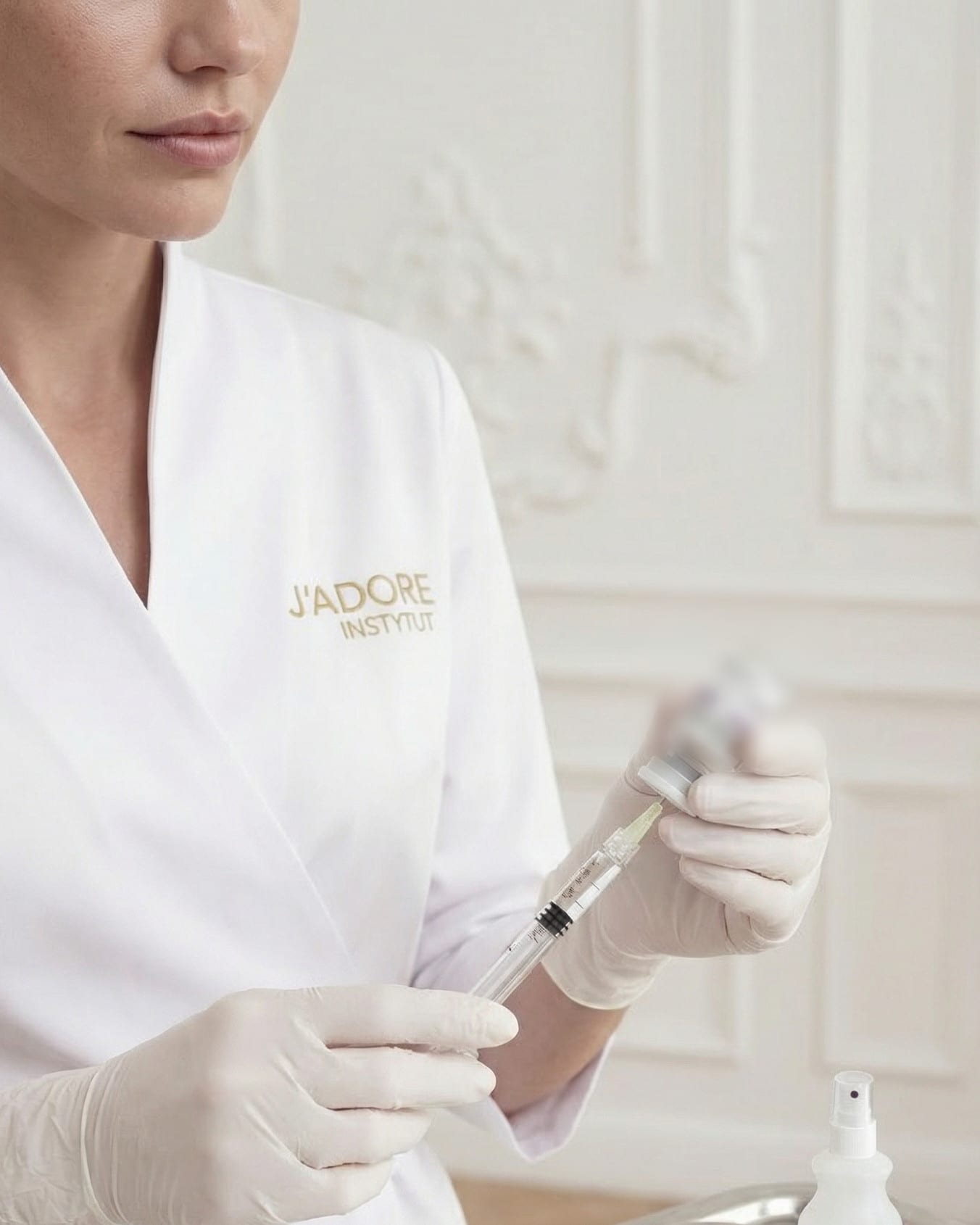
This example isn't unusual. The best results for women after pregnancy come from a multi-stage protocol, not a single "miracle" treatment. The logic is simple: a stretch mark is a multi-layered structure. The most effective approach combines several methods that complement each other. A good plan usually starts with gentle stimulation (mesotherapy), moves to intensive remodelling (laser, RF), then maintains the results.
What to combine, and why it works
The methods described above aren't mutually exclusive — in fact, combining them in the right order often brings the best results. A specialist will determine during consultation which combination suits your stage and type of stretch marks.
Fractional laser + mesotherapy
Laser remodels the scar tissue, and mesotherapy delivers nutrients during the post-treatment repair window — regenerative results can be stronger together.
RF microneedling + massaged-in cocktails
The micro-channels opened by the treatment allow active ingredients to penetrate more deeply — this boosts the effectiveness of home care between sessions.
Mesotherapy (introductory series) + laser (main series)
A gradual approach: first prepare and hydrate the skin, then move to more intensive remodelling — particularly recommended for women who are breastfeeding or have recently given birth.
What not to expect — and what's realistic
Honest expectations are the foundation of a good experience with any treatment. Stretch marks are a structural change — no method makes them disappear completely, as if they'd never existed. Here's what you can realistically expect from a well-planned series:
- Noticeable softening of stretch marks — they become less raised or less indented
- Lightening of discolouration — red marks turn pink, white marks come closer in tone to the surrounding skin
- More even skin texture — stretch marks become less noticeable to the touch
- Improvement in overall skin condition in the area (firmness, hydration, elasticity)
- For many women, the results of a series are lasting — at least as long as the skin isn't stretched suddenly again
Results vary depending on the depth and stage of your stretch marks, your skin's individual capacity for regeneration, and how consistently you attend sessions. That's why consultation isn't a formality — it's a conversation about what you can realistically expect in your specific case.