Three methods, three different mechanisms
To compare these methods sensibly, it helps to understand one rule: each destroys or remodels tissue differently — which is why each targets a different type of change. It's not about which one is "better". It's about which one is right for your specific problem.
Electrocoagulation
Precise coagulation — removes the change mechanically and thermally
- Raised changes on the skin's surface: warts, fibromas, cysts, small haemangiomas
- The change is targeted at a single point — the needle reaches exactly the right spot
- Results are visible immediately after the treatment — the change falls away or shrinks noticeably
- Works well for changes on the face, neck and décolletage
Plasma IQ
Tissue sublimation — targets excess skin and skin firmness
- Excess eyelid skin, fine lines caused by loss of tension (so-called crepe skin)
- Stretch marks, mild superficial scars, a lifting-like effect
- Sublimates tissue without contact with deeper layers — precision without an incision
- A good alternative if you don't tolerate ablative lasers
Laser
Selective photothermolysis — targets a specific chromophore
- Sun-induced hyperpigmentation, age spots, melasma (choosing the right handpiece is key)
- Vessels, telangiectasia, redness — a vascular laser closes the vessel without damaging the skin
- Stretch marks, scars, skin revitalisation (fractional)
- Can treat large areas (legs, back, décolletage)
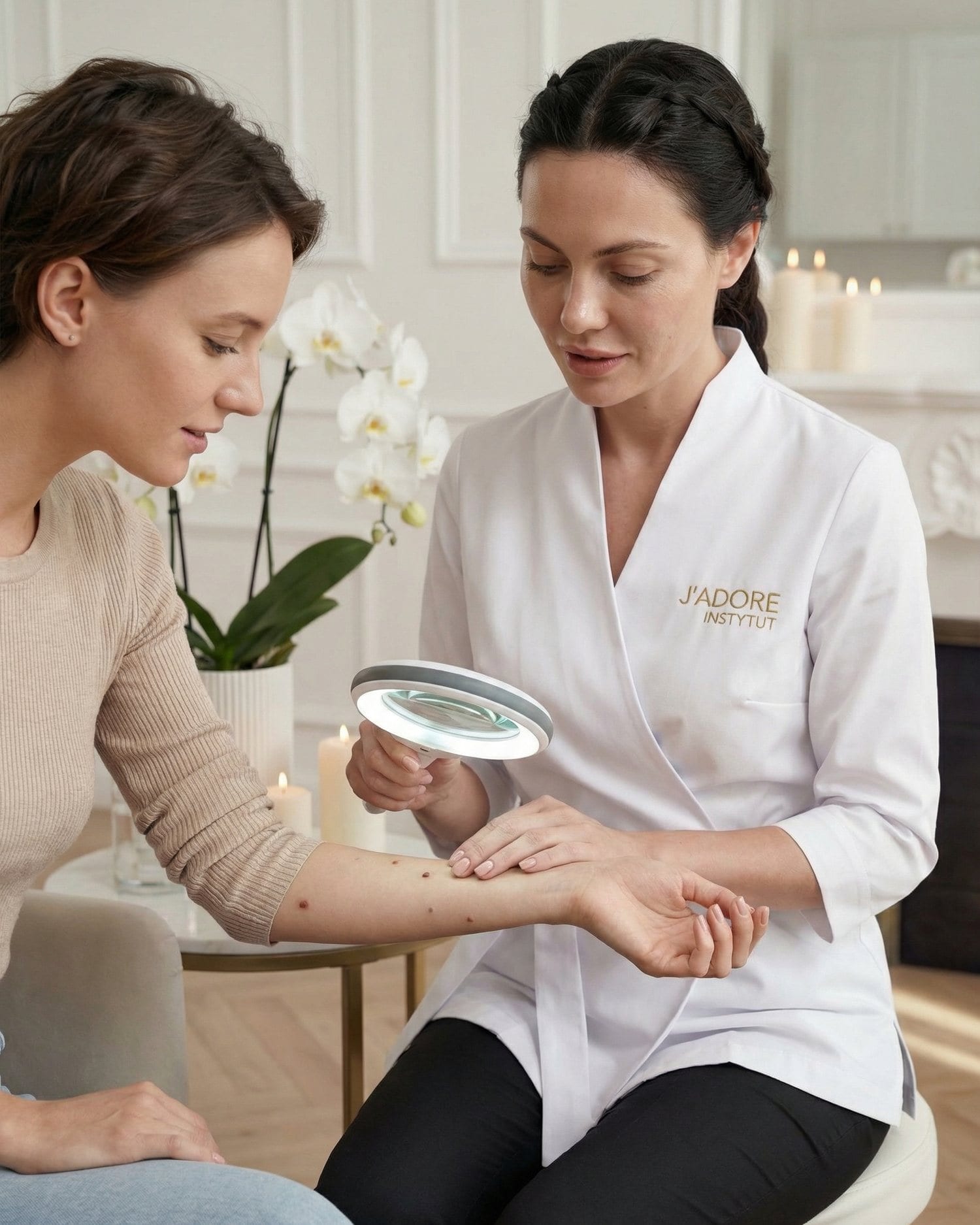
How to identify what's on your skin — and which method to reach for
Before your consultation, it's worth looking at the change and asking yourself a few questions. This doesn't replace a specialist's assessment — but it makes the conversation more focused from the start.
- 01
Does the change "stand out" above the skin's surface?
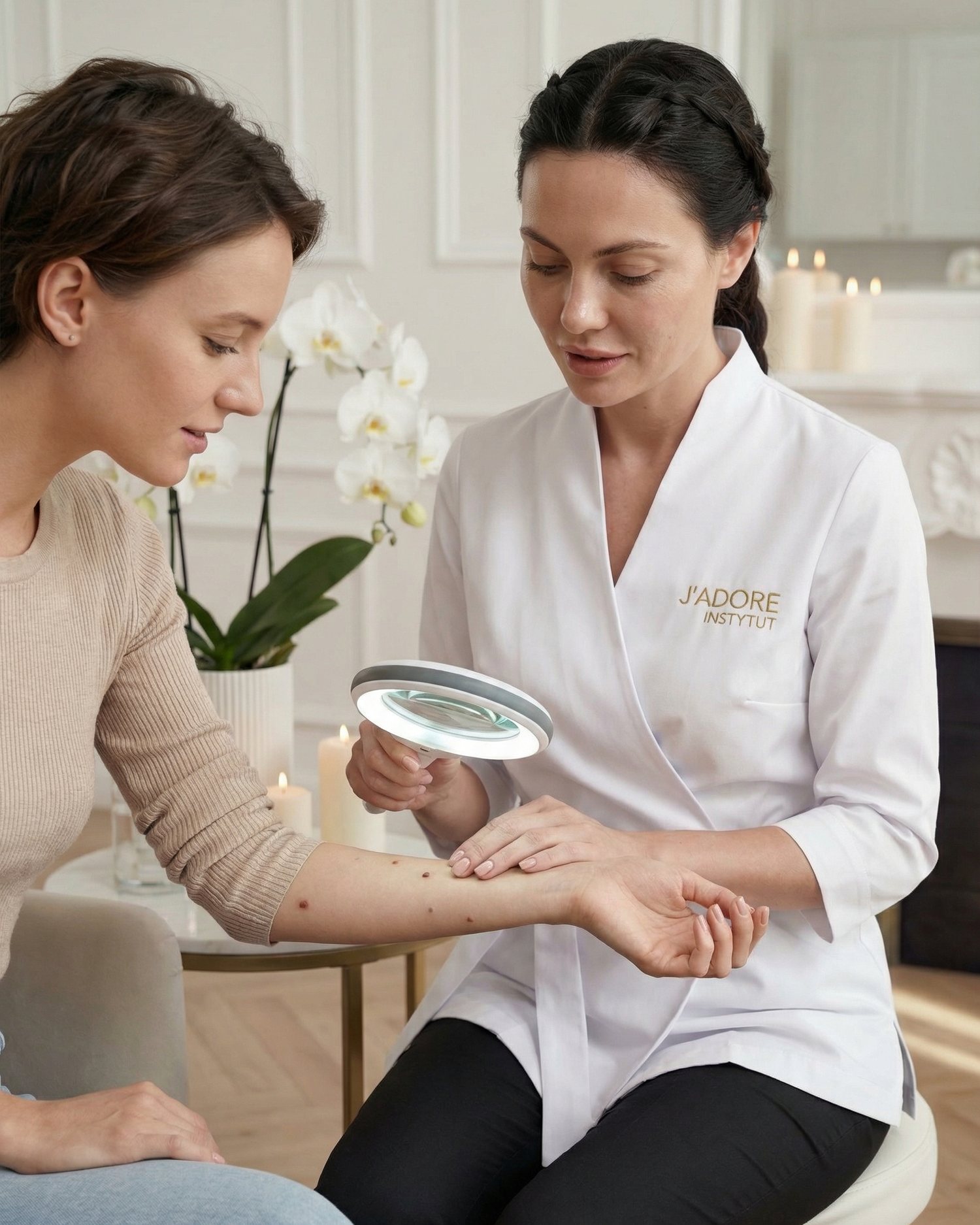
A wart, fibroma, cyst, or raised capillary — if the change sits clearly above the skin, the first-line option is usually electrocoagulation. It's physically raised and has clear edges.
- 02
Do you see spots, hyperpigmentation or uneven skin tone?
Sun spots, clustered freckles, darker patches left after inflammation — flat, with altered pigmentation but no clear raised texture. This is pigmentation-laser territory.
- 03
Do you see thin red threads, spider veins or diffuse redness?
Telangiectasia on the face, spider veins on the legs, persistent redness — a vascular laser closes the vessel without damaging the skin's surface.
- 04
Do you have excess eyelid skin or a "crepe-like" texture?
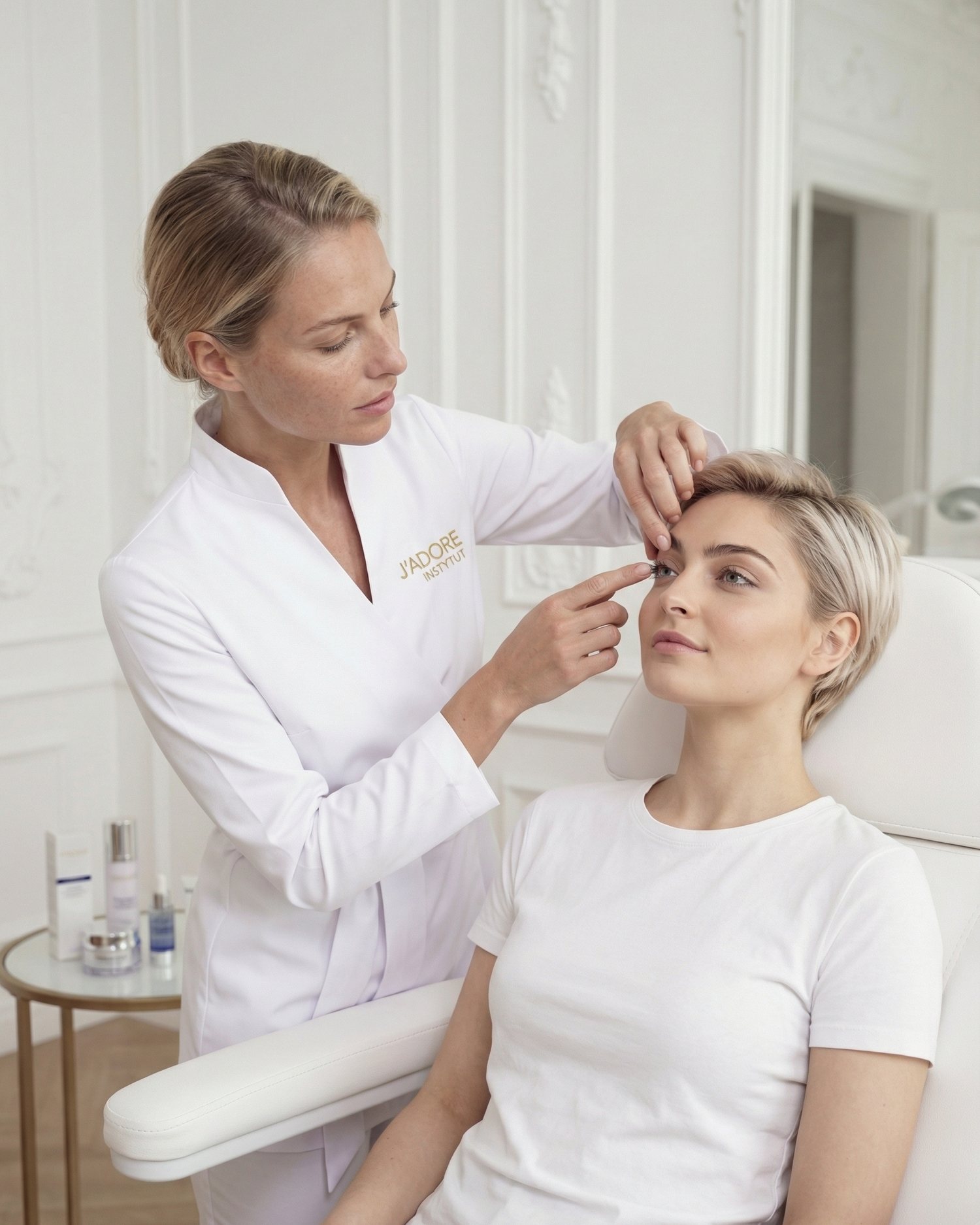
This isn't a vascular or pigmentation change — it's a change in skin structure and firmness. Plasma IQ works through sublimation, often without contact and without an incision.
- 05
Not sure?
Book a photographic or dermoscopic consultation. Any change that isn't clear-cut needs a specialist assessment — especially if it's changing shape, colour or size.
When is it worth combining several methods?
In practice, skin rarely presents just one isolated problem. Mature facial skin often shows several changes at once — and that's exactly when a combined plan gives the best result. The logic behind choosing methods is always the same: identify what's vascular, what's pigmentation-related, and what's structural.
Electrocoagulation + vascular laser
We remove the fibroma with electrocoagulation and close the nearby spider vein with laser. Both methods in one session, each precisely targeted at its own goal.
Pigmentation laser + vascular laser
Facial skin with sun-induced spots and mild telangiectasia can be treated in a single session, with the right sequence and handpiece selection.
Plasma IQ + electrocoagulation
Excess eyelid skin is a job for Plasma IQ; any tiny fibromas nearby are treated with electrocoagulation. Different mechanisms, the same session.
Fractional laser + electrocoagulation
Overall skin remodelling (quality, pores, scars) plus targeted removal of specific changes. Fractional treatment regenerates, electrocoagulation eliminates.
Body skin versus facial skin — this matters too
The right method depends not only on the type of change, but also on where it is on the body. Facial and décolletage skin reacts differently from skin on the legs or abdomen — it's thinner, more reactive, and heals at a different pace.
- Face, neck, décolletage — precision and minimal risk of post-ablation hyperpigmentation matter most here. With the right settings, laser and Plasma IQ in a specialist's skilled hands can give very good results within the right treatment plan.
- Legs, back, abdomen — larger areas are the domain of vascular laser (spider veins on the legs) and fractional laser (stretch marks). Electrocoagulation works well for single spots, but for widespread changes laser can be more efficient.
- Eye area — a zone that needs a different approach. Plasma IQ for excess eyelid skin is one of the few non-surgical treatments available here; any other method requires special eye protection.