Two philosophies, two effects
Updos and waves differ in more than looks — they differ in what they communicate and how they work with the whole styling. An updo is architecture: it highlights the nape, reveals the neck and shoulders, and reads as precise and ceremonial. Waves and loose hair (or half-up styles) bring movement, lightness and romance — they look different in every light and every photo.
Updo
sculpts the silhouette, highlights details
- reveals the neck, décolletage and back — showcases the dress and jewellery
- ceremonial and classic — "this is a wedding"
- holds all day without touch-ups
- ideal with a veil and chandelier earrings
- many variations — bun, braid, twists, sleek roll
Waves and loose hair (hair down)
brings movement, volume and romance
- soft, natural finish — "a woman, not a sculpture"
- works with the dress, not against it — suits boho, rustic and garden styles
- a half-up style gives you the best of both worlds
- great with tulle, ruffled and lace dresses
- more flexible for evening changes
How to match your hairstyle to your dress — a quick decision guide
Before you decide on a hairstyle, ask yourself three questions about the dress. These — not a general trend — should be your starting point:
- An open neckline and back (V, U, sweetheart, off-the-shoulder) → an updo is the natural choice. Your hairstyle reveals what the designer focused on. You open up these areas visually, instead of covering them with hair.
- A lace dress or heavily embellished bodice → watch out for competing details. With a richly decorated bodice, go for either a sleek, clean updo or soft waves that draw the eye downward — never elaborate curls framing the face.
- A minimalist dress (crêpe, satin, smooth silk) → waves and half-up styles enrich the simplicity. An updo with a very minimalist dress can "reveal too much" and make the whole look feel stark.
- A boho, tulle or "meadow" dress → loose waves, braids and half-up styles are the most natural choice. A stiff, sleek updo can clash with the overall aesthetic here.
Face shape — it really matters
Wedding hairstyles follow the same rules as any other hairstyle: face shape determines which lines flatter it and which disrupt it. Photos show this especially clearly, which is why it helps to know in advance what works for you.
- Oval face — lucky you: almost anything works. Classic updos and waves suit you equally well. The only limit is your own preference.
- Round face — updos with volume at the crown lengthen the face and narrow it visually. Waves should start below the jaw. Avoid updos pulled flat against the head with no height.
- Square face — soft waves and asymmetry reduce angularity. Updos work well when they have volume at the temples and aren't too symmetrical. Hairstyles with a sharp centre parting can emphasise a wide jaw.
- Heart-shaped face (wider forehead, narrower chin) — volume near the ears and neck balances the proportions. Waves work well here in the lower sections. Updos with a fringe or loose face-framing strands soften a wide forehead.
- Long face — waves and a fringe break the face into smaller sections. Very sleek updos pulled upward can elongate the silhouette too much.
Hair trial — when to book it and what to check
A hair trial isn't a luxury — it's your only chance to see the result under conditions close to the wedding day and change your mind without stress if needed. Most disappointments come from skipping this step, or from booking the trial at the wrong time.
- 01
Planning the trial
Book your hair trial at least 4–6 weeks before the wedding. This gives you time for adjustments, a change of concept, or a regenerating treatment if your hair needs preparation.
- 02
What to bring to the trial
Bring your veil or a substitute (a scarf, a piece of fabric), your jewellery or photos of it, photos of the dress from the back and side, and any hairbands or hair accessories. The more context you give your stylist, the more accurate the result.
- 03
What to check during the trial
Ask for photos from several angles — front, back, profile. Step outside, or check different lighting. See how the hairstyle holds after an hour. Ask directly: will it need touch-ups after a few hours of dancing?
- 04
Evening variant
If you're planning to change your hairstyle after the ceremony, agree on this during the trial. Some updos can be loosened, or a bun switched for waves, without extra styling. This matters if you won't have a stylist on site all evening.
When it's worth combining — half-up styles and hybrids
The choice doesn't always have to be all-or-nothing. A half-up style — part of the hair up, part left loose — works better than either option alone for many brides. It gives volume and movement while still revealing the face and neck.
- A twist or braid at the crown with waves at the back — romantic, photogenic, and hugely popular for outdoor and boho weddings.
- An updo with loose face-framing strands — this isn't an unfinished updo, it's a deliberate styling technique. Soft lines around the face warm up the geometry and soften any sharpness.
- French twists at the temples with a loose bun — elegant, but not stiff. Ideal with lace dresses or outdoor weddings.
- A sleek updo changed to loose waves in the evening — often the best solution for brides who want classic elegance at the ceremony and ease on the dance floor.
Hair preparation — before you sit in the chair
A wedding hairstyle is only as good as the hair it's built on. This applies to updos (scalp and hair growth need care) and to waves (dry, damaged hair with no weight often won't hold a style for hours). What you do beforehand has a real effect on your wedding-day result.
Keratin smoothing or straightening
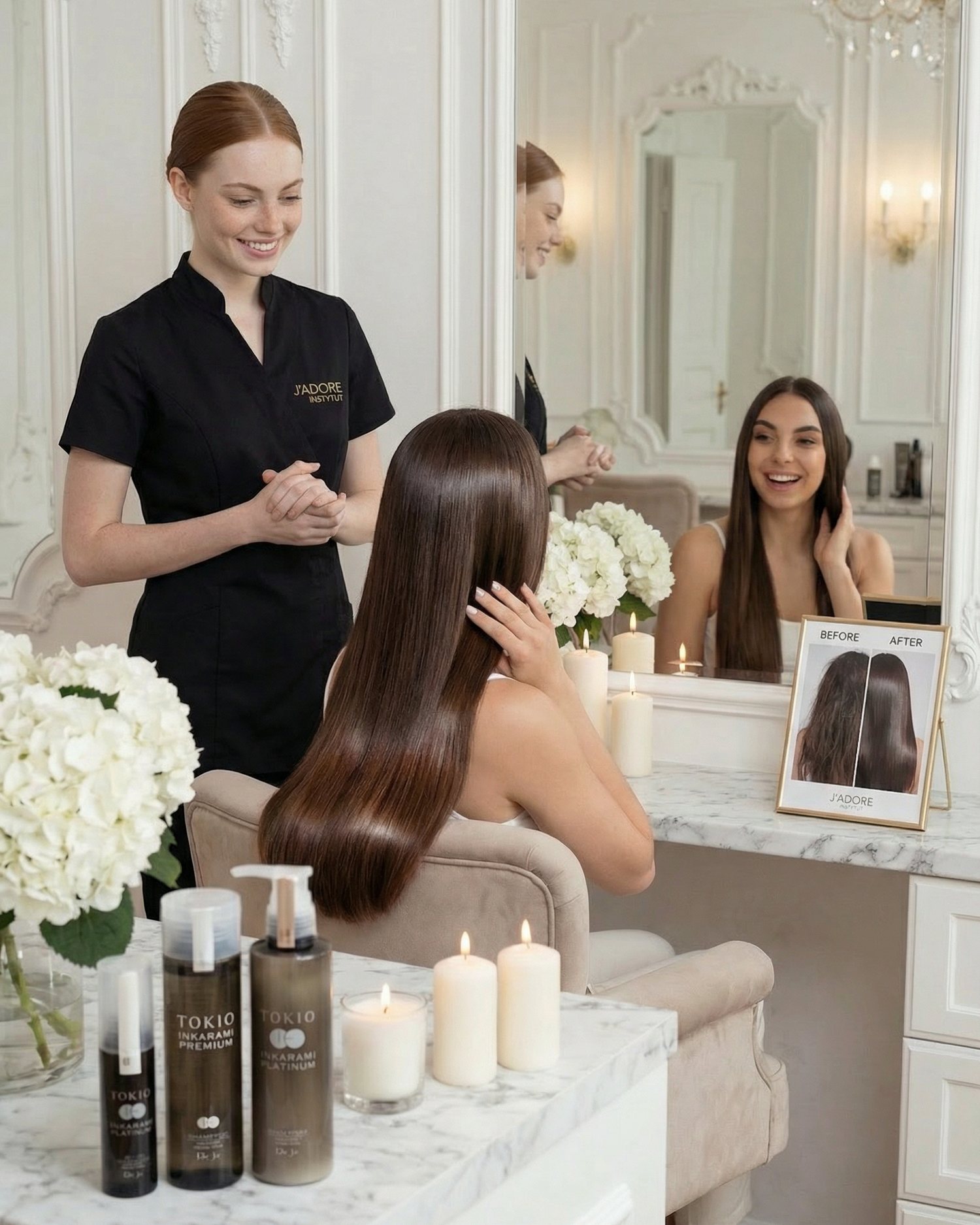
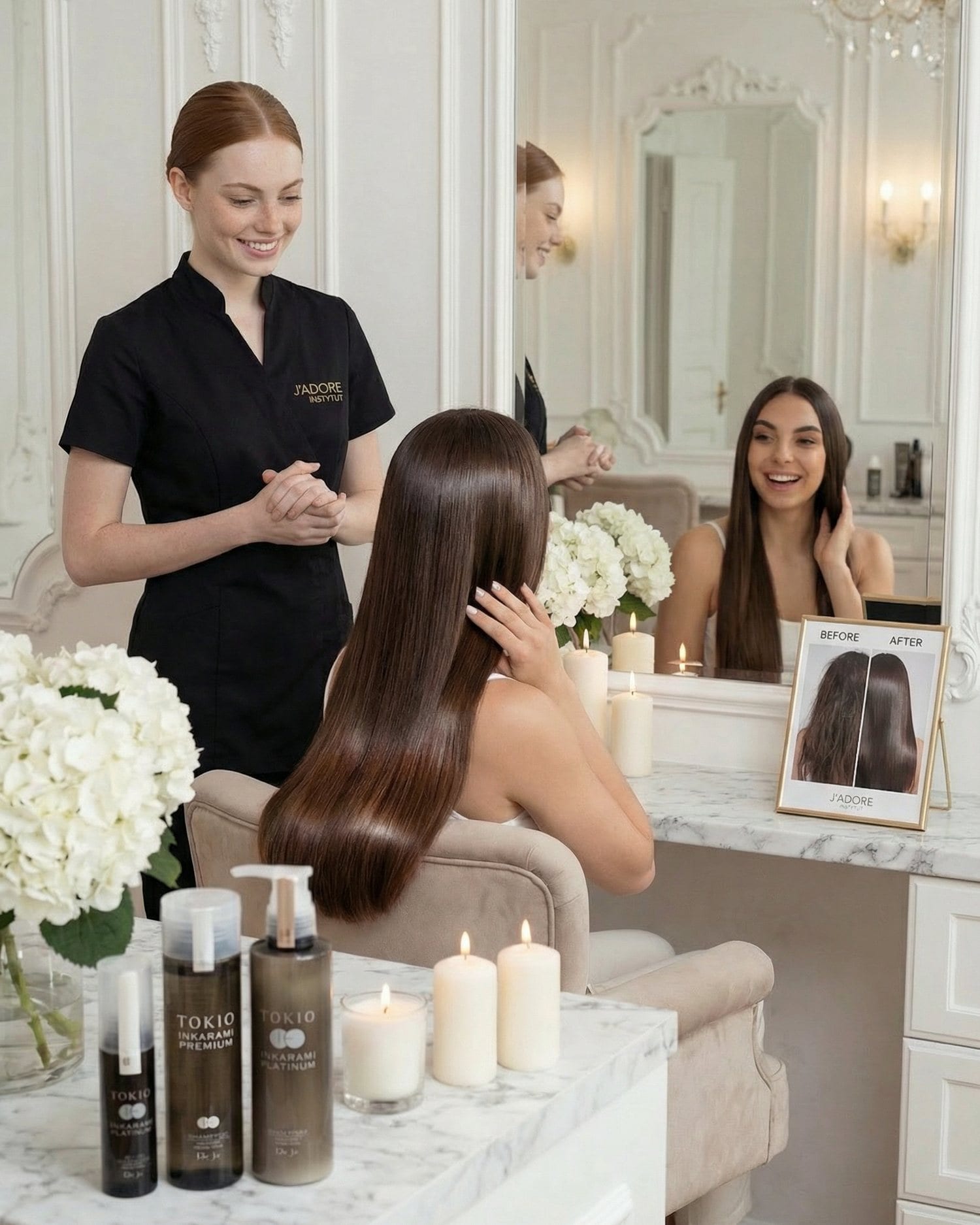
For frizzy, chaotically wavy or very dry hair, keratin smoothing can be the most important step before the wedding. Hair styled after keratin treatment holds a hairstyle longer and looks healthier in photos.
Moisturising treatment (masks, ampoules, oiling)
This matters especially for coloured or regularly straightened hair. Hydrated, "alive" hair works more beautifully in waves and gives a glow effect without excessive product.
Colouring and balayage before the wedding
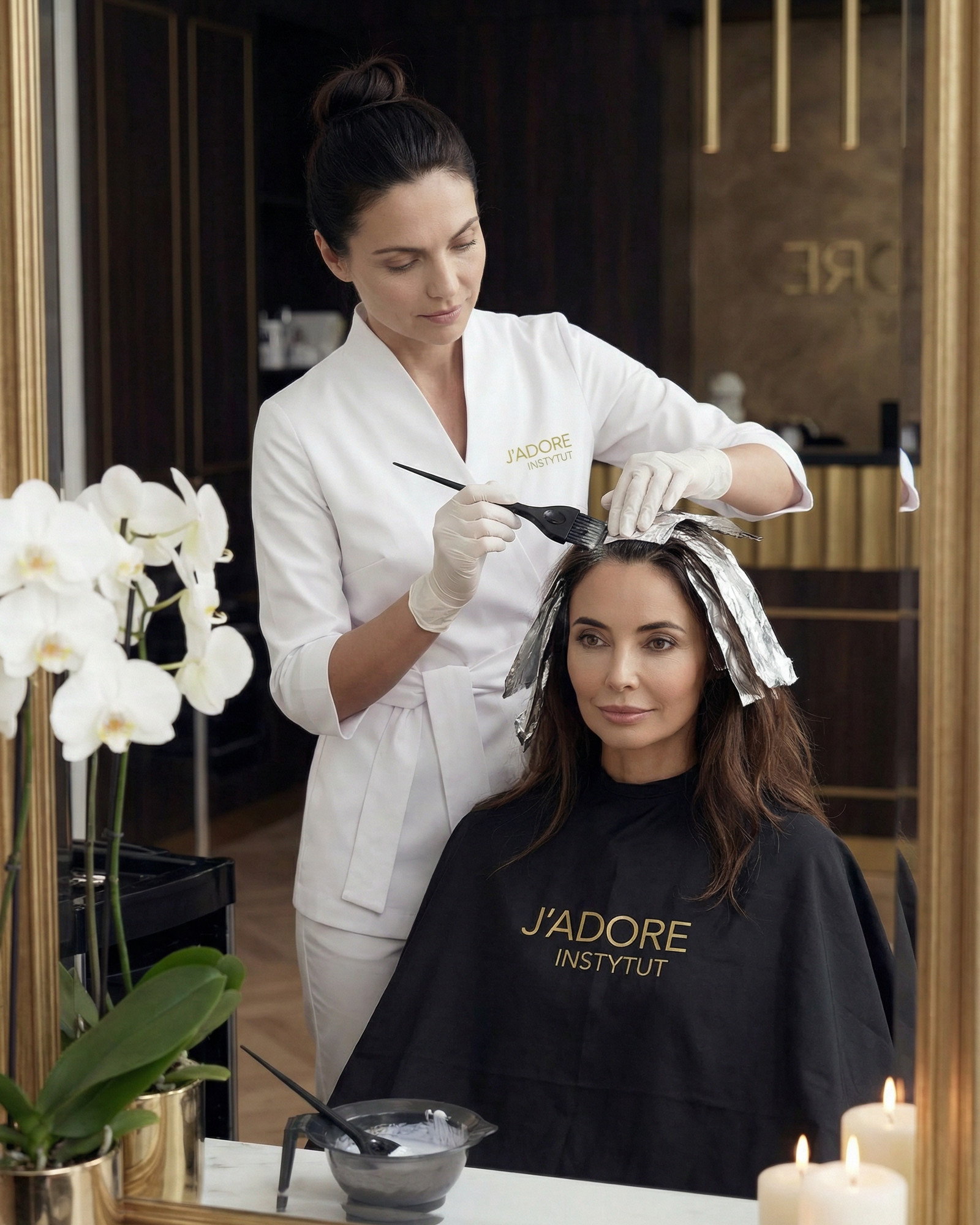
Colour looks its best right after application — but not immediately before the wedding. The optimal timing: colouring 2–3 weeks beforehand, with a gloss touch-up a week before the ceremony.
Trimming the ends
Wedding hairstyles — especially waves and half-up styles — expose the ends. Trimming 4–6 weeks before the wedding (not "a week before") removes split ends and gives hair time to recover.