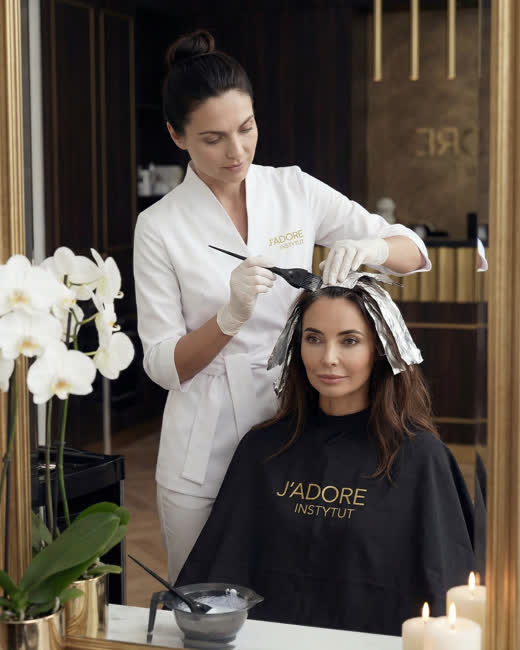
A treatment room at J'adore
SCALP & HAIR
Hair colour can transform a face more than many skin treatments — it brightens the eyes, warms up the complexion, and adds depth and movement to hair. But good colour isn't about "picking a number off a chart": it's choosing a shade that suits your skin tone, features and hair condition, then using a technique that lets the colour look natural and grow out well.
At J'adore Instytut, colour is done by an experienced hair colourist. We offer full colour, balayage, highlights and toning, discreet grey coverage, and root touch-ups — always with the goal that your hair leaves the salon not just beautifully coloured, but in good condition too. Below you'll find everything worth knowing before your visit.
single visit or a series of root touch-ups
Hair colouring isn't one treatment
The word "colouring" covers quite different results. Full colour changes the shade along the whole length — usually when you want a deliberate change of colour or even grey coverage. Balayage and highlights lighten in sections, creating a natural play of light and a softly growing-out root. Toning is a gentle shade correction — it cools blonde, neutralises brassiness, adds depth. Root touch-ups even out the colour at the root between visits.
That's why the first conversation in the salon doesn't start with a colour chart — it starts with the question "what result do you want?" Only then do we choose the technique and shade. That's the difference between colour "from a number" and colour that looks like you were born with it.
How it works
Your natural colour forms in the hair cortex, where the pigment — melanin — is stored. It comes in two forms: a dark type responsible for browns and blacks, and a light type giving red and yellow tones. The ratio between them determines whether you're a natural brunette or blonde, and grey hair is simply a strand where pigment-producing cells have stopped working. Dye doesn't just coat the hair — it has to reach where the melanin lives. That's why it's mixed with a developer, which opens up the cuticle scales and clears a path into the strand.
Two things then happen at once. The developer lightens your own pigment, while small colour molecules penetrate the cortex and, through an oxidation reaction, join into larger molecules — ones too big to slip back out between the scales. This locks the new colour inside the hair. Lightening follows its own logic: pigment disappears in layers, dark tones go first, and warm yellow is left last — which is exactly what toning corrects, laying down an opposing pigment to cool the shade. Colour fades over time because every wash and every bit of sun gradually washes pigment out through a cuticle that's never quite fully closed. Regrowth, on the other hand, has nothing to do with dye quality: hair grows from the follicle with its own melanin, at roughly a centimetre a month.
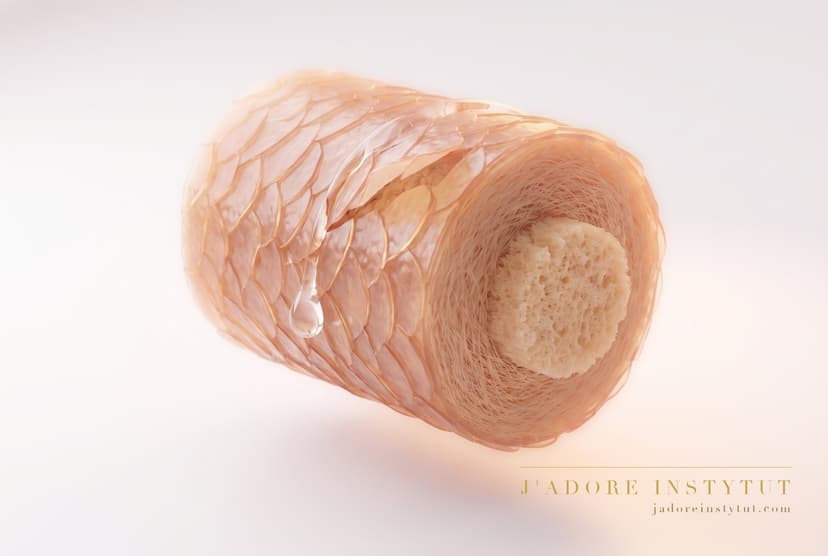
Fun fact: grey hair isn't actually white — it's pigment-free, meaning transparent. The white you see is an optical illusion: light scatters inside the hollow structure of the strand and bounces back to your eye as bright. It's also why grey hair so readily picks up an unwanted tone from its surroundings — it has no colour of its own to mask it.
SCALP & HAIR
Colouring for women and men
For women, we usually work with the full range of techniques — from deep, deliberate colour changes, through fashionable balayage and sombre, to subtle toning. The aim is colour that suits your features and "lives" nicely as it grows out. This is classic colouring for women.
What we work with
For men, colouring is usually discreet and natural — most often it's about grey coverage or gently evening out colour, without a "dyed" look. This is colouring for men: it should be invisible in effect, simply taking a few years of tiredness off your face.
What we work with
Fun fact: the word balayage simply means "sweeping" in French — because the stylist paints on the lightener with free, sweeping brush strokes, without foils or a cap. That's where those natural, irregular transitions come from — impossible to achieve with classic foil highlights.
Colour and hair condition
Even the most beautiful shade won't hold up on damaged hair — dull, over-dried hair "eats" colour and shine. That's why we look after your hair's condition before reaching for dye, especially when lightening:
Forcing a dramatic change from dark to platinum in a single day, without bond-protecting treatment, is the most common cause of "rubbery," breaking hair. A good stylist will sometimes say "let's do this over two visits" — that's not making things difficult, it's protecting your hair. For a first colouring, it's also worth doing a patch test for the dye, especially if you have sensitive or irritated skin.
SCALP & HAIR · Hair colouring
What to expect
Important: colour "settles" a little after your visit. Right after washing, it can look most intense — after a few days and washes, it settles into a slightly softer final shade. This is normal, not fading.
The most common thing I hear the day after a visit is "I think it's too dark." Give the colour 2–3 washes — it almost always settles exactly where we agreed. Judging it right after rinsing can be misleading, since hair is most saturated with pigment at that point.
Portfolio
A record of the work in our salons — the place where we publish treatment frames and, after photo sessions, results.
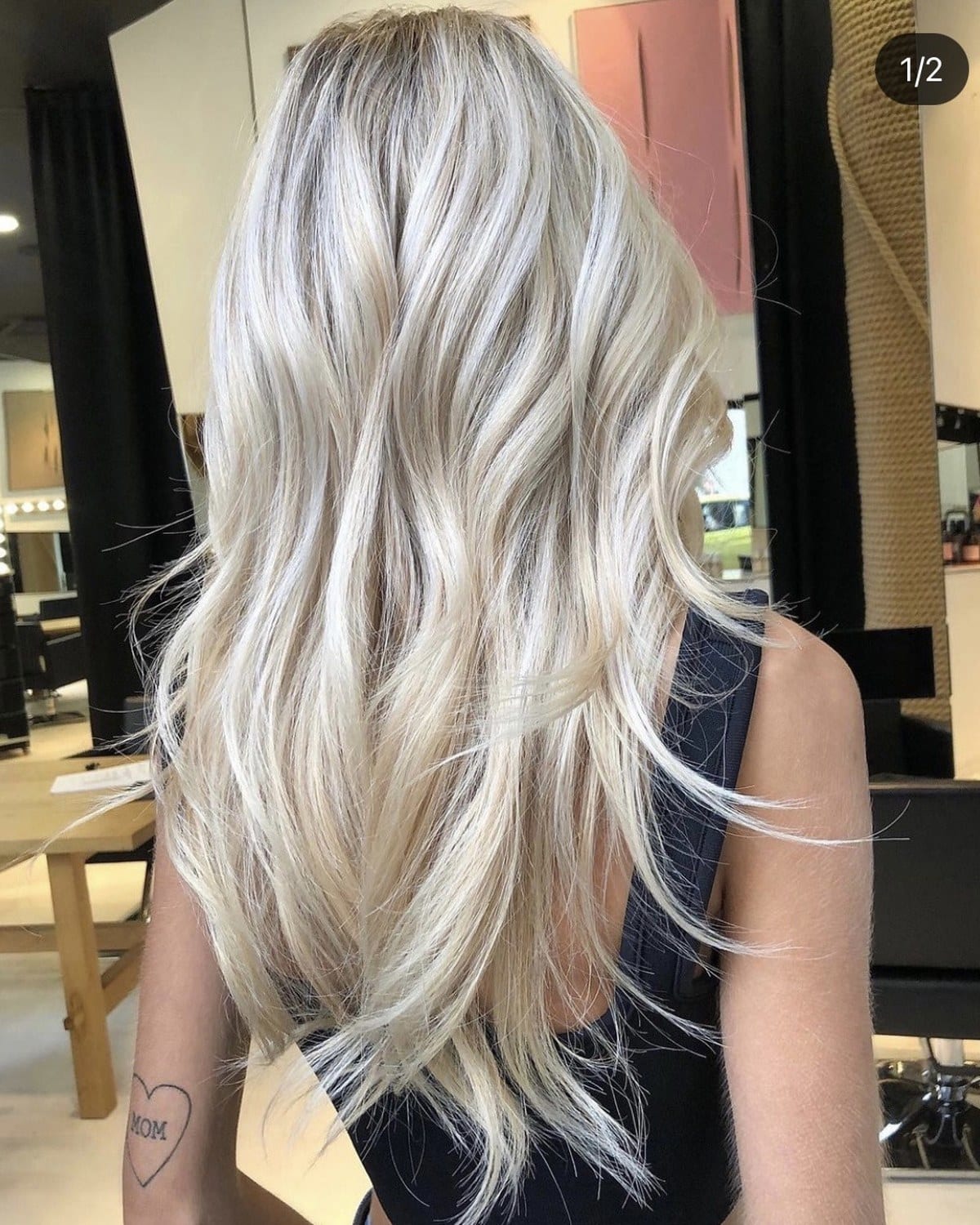
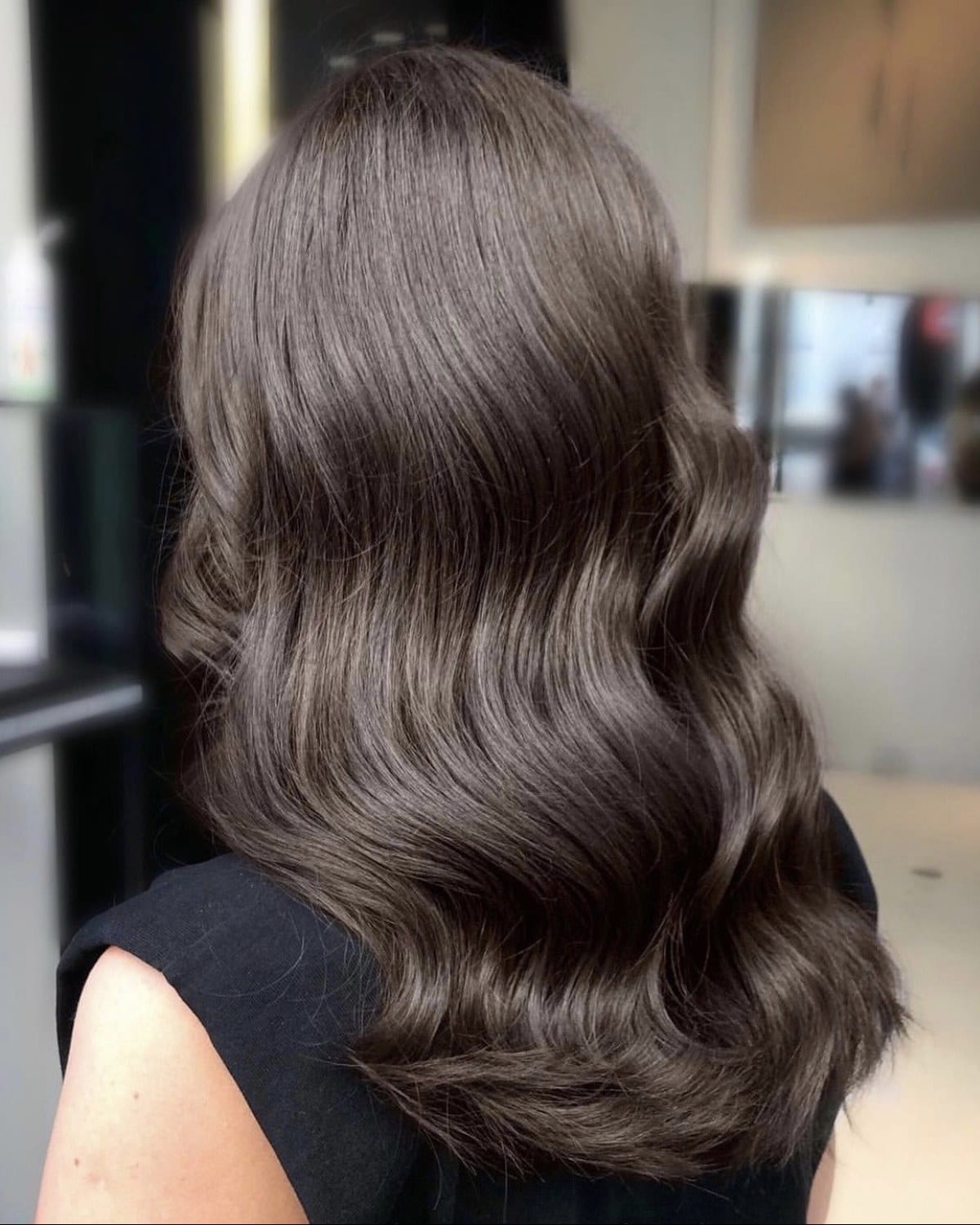
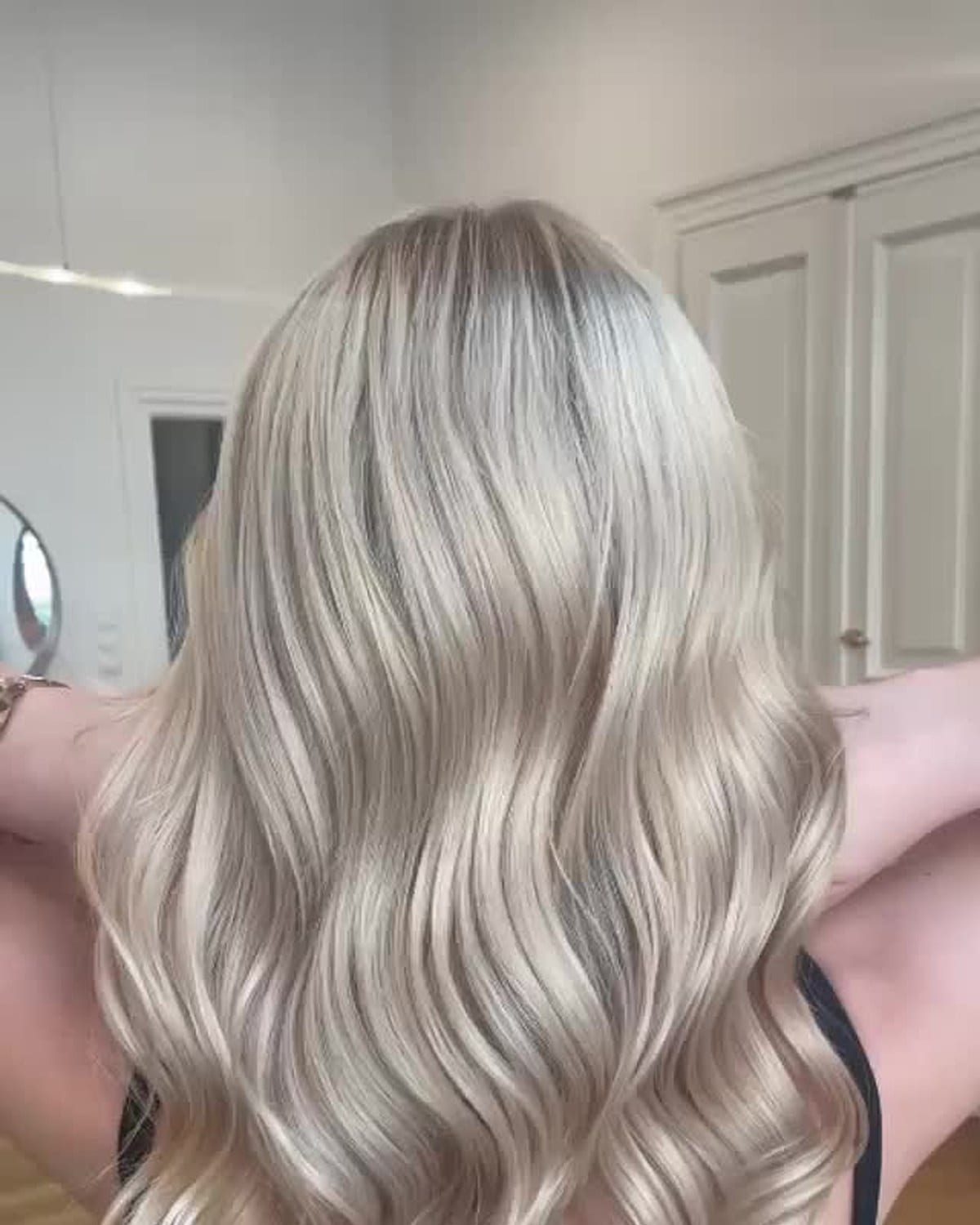
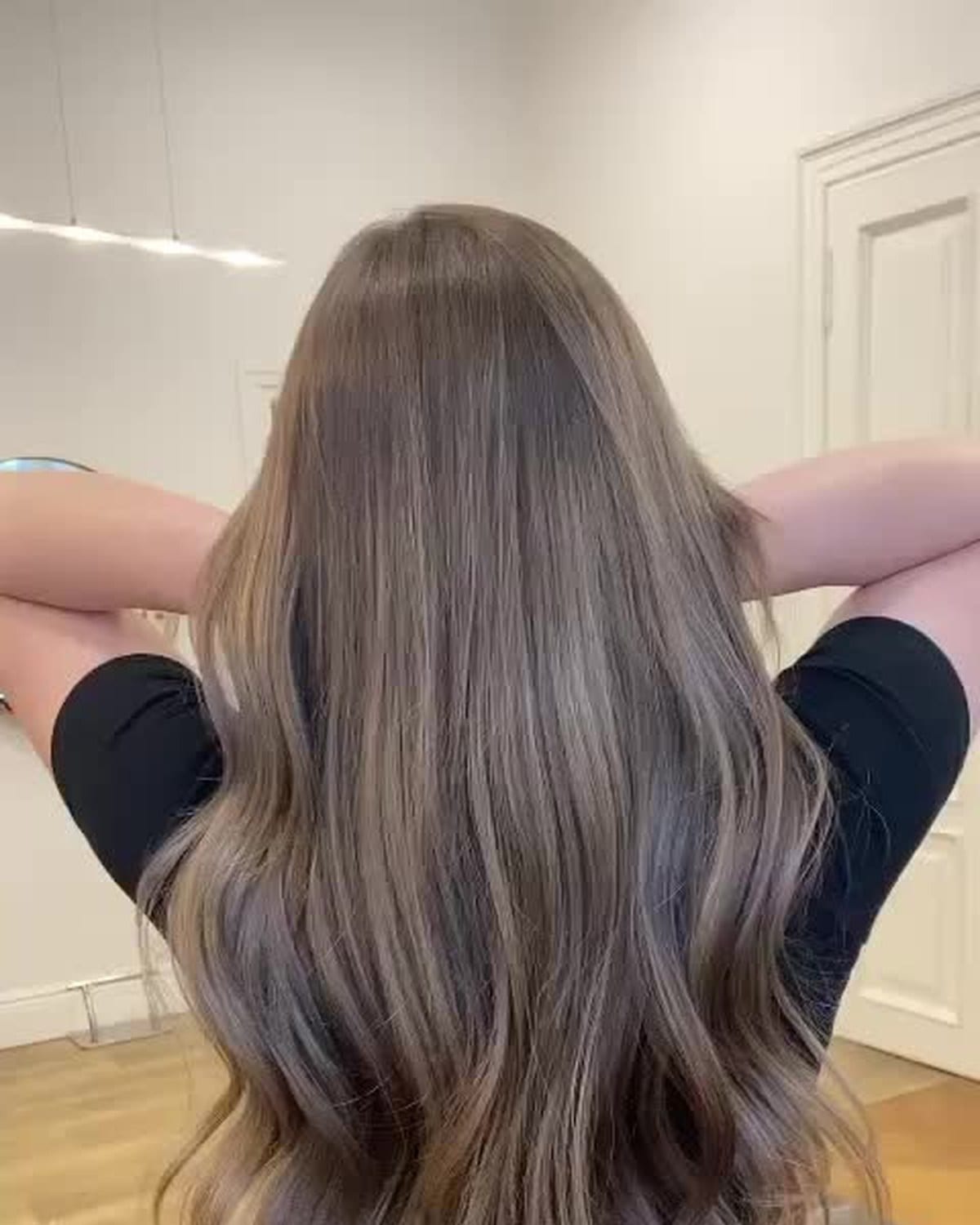
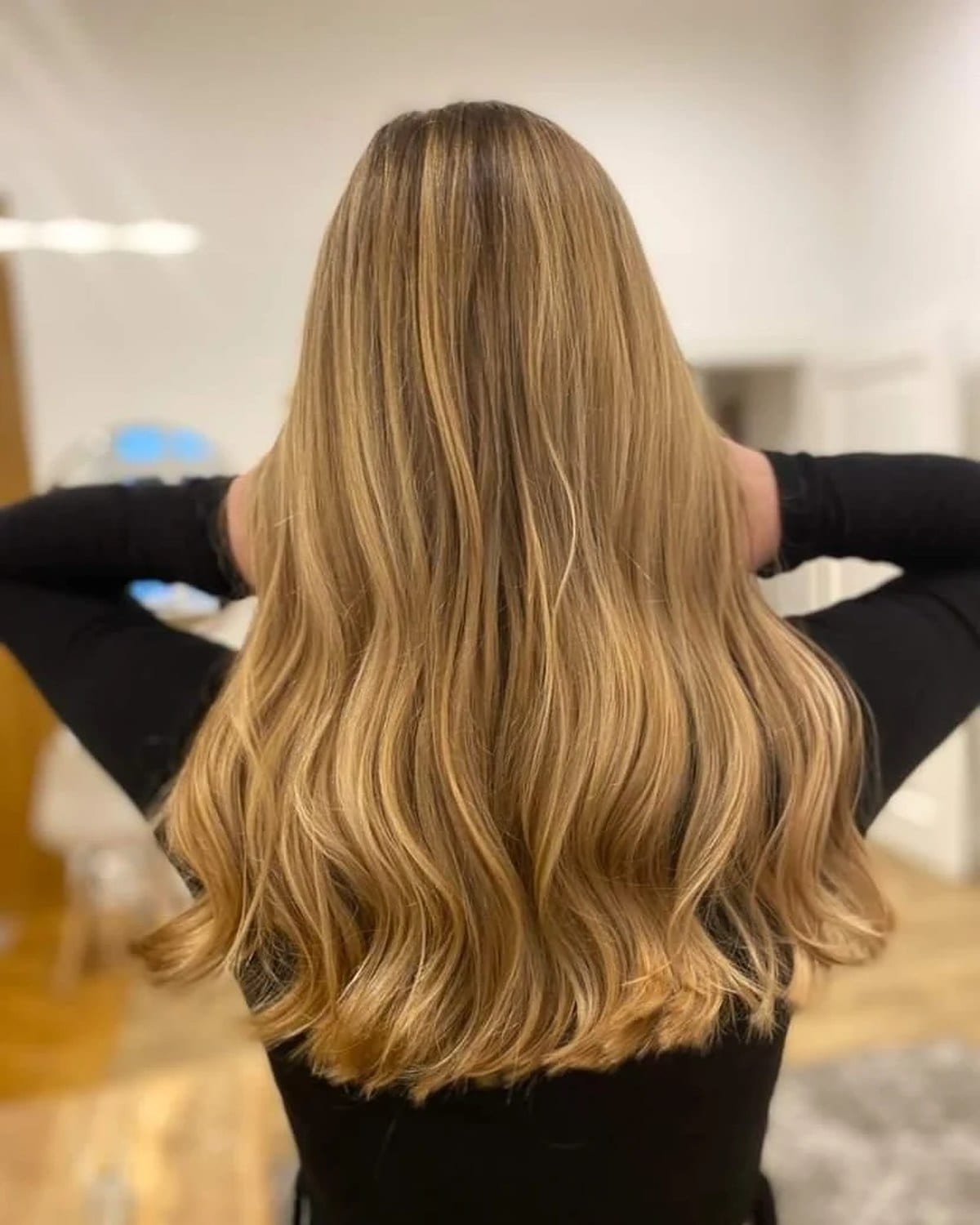
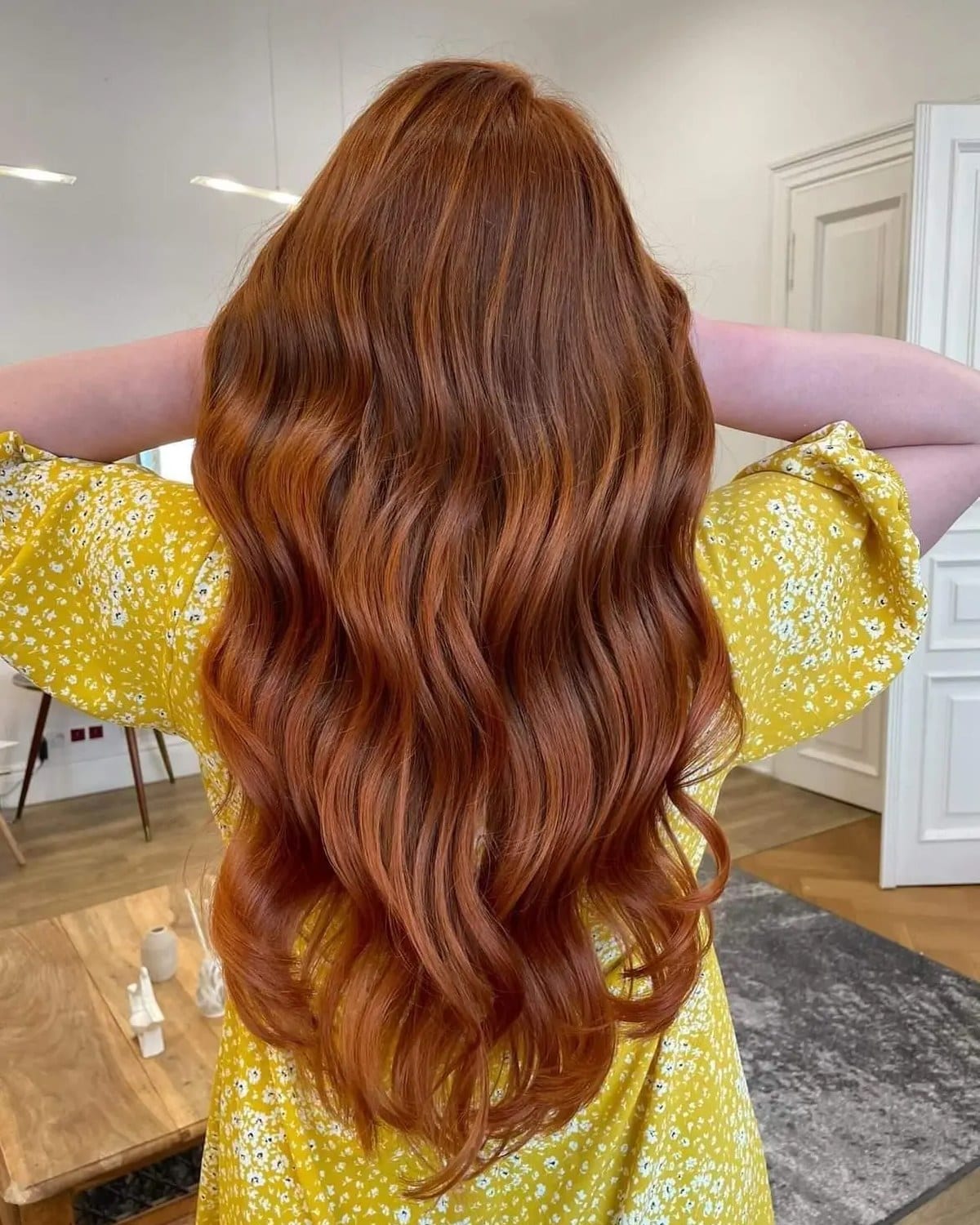
A record of results — in preparation. We publish photographs of our clients only with their consent.
Colour and your lifestyle
How long colour lasts depends enormously on what you do after your visit. A few simple habits can extend the freshness of your shade by weeks.
Regular, strongly cleansing shampoos quickly wash out pigment. Products made for coloured hair are gentler and protect colour — the simplest way to make it last longer.
Strong sun oxidises pigment and fades blonde. In hot weather, a conditioner with UV filter or a head covering helps colour stay true.
Chlorinated and salt water significantly shorten how long colour lasts, and can pull blonde into a greenish tone. Wet hair with clean water and apply conditioner before swimming, and rinse thoroughly afterwards.
Very hot water and daily high-heat styling speed up fading. Cooler rinsing and heat protection help keep colour's depth.
Let colour bond with the hair's structure — it's worth waiting a day or two before the first wash after fresh colouring, as your stylist advises.
With full colour, regrowth shows sooner than with balayage. A plan of root touch-up or toning visits keeps colour looking fresh without big changes each time.
Hair colouring · SCALP & HAIR
Colouring is a pleasant, safe service, but in a few situations it's worth waiting or proceeding with more caution:
From the stylist's chair
The thing most often skipped: a patch test, "because I've always coloured my hair and nothing's happened." Skin changes over time, and a dye allergy can appear suddenly — with a new dye or sensitive skin, a 48-hour test is genuinely worth doing.
This isn't a complete list — we'll discuss your skin type, colouring history and hair condition individually during your consultation.
Hair colouring
These three approaches give different results and different regrowth timelines — and they often complement each other within a single style:
even colour along the whole length
regrowth shows sooner; doesn't give the natural play of light you get with balayage
brightening in sections, natural transitions
won't evenly cover grey or change the base colour
a gentle shade correction
doesn't lighten or fundamentally change colour — only corrects tone
Colour looks best on healthy, well-cut hair — which is why we happily pair colouring with hair care and cutting. Your stylist decides the order, but the logic stays the same:
A simple rule for choosing: want even, deliberate colour or grey coverage → full colour. Want natural brightness and infrequent visits → balayage. Have good colour, but it's "turned yellow or dull" → toning alone. The best results often combine balayage with toning.
Techniques and options
Under the single term "colouring" lie several techniques and product types, each with different results and lasting power. Your stylist matches the option to your desired result, hair condition, and how often you want to refresh your colour.
Even, long-lasting colour along the whole length; best grey coverage.
Dla kogoA deliberate colour change, full grey coverage.
Hand-applied lightening, natural transitions and a softly growing-out root.
Dla kogoNatural brightness and less frequent visits.
Lightened sections adding dimension without changing the base colour.
Dla kogoBrightness and depth without a radical change.
A gentle shade correction — cools, neutralises brassiness or adds depth; fades gradually.
Dla kogoCorrecting and refreshing existing colour.
From full coverage to a discreet "blur" of the first grey hairs.
Dla kogoA natural effect — including discreet coverage for men.
Fact: Where do the differences in lasting power come from? From the type of product (permanent / semi-permanent) and the technique, but also from your home care and how fast your hair grows out. That's why the same colour can "behave" differently on two people — what matters is the choice of option and the stylist's hand, not the product name alone.
Price list
Checking free hours…
From the magazine
Editorial pieces on how this treatment works in practice — what happens during the session, how to prepare, where the limits are and what the first days after look like.
See also
The result lastsdepends on technique and home careJ’adore Instytut
Note. Hair colouring is a hairdressing and hair-care service (styling and hair care); the result and how long it lasts depend on your hair type, home care and the technique used. This text is for information only. Your stylist will confirm details and the right option during your visit.
Home care
Cosmetics matched to what your skin needs after a treatment — so the clinic effect lasts longer.
 hair regenerationOlaplexBROAD SPECTRUM CHELATING TREATMENT 370mlView in the shop(opens in a new tab)
 hair regenerationKevin MurphyYoung.Again Dry Conditioner Oil 100mlView in the shop(opens in a new tab)
 hair regenerationDSD de LuxeTravel PackView in the shop(opens in a new tab)
 hair regenerationSesdermaSESKAVEL Keratin Shampoo 200 mlView in the shop(opens in a new tab)