Evaluate a portfolio based on the diversity of faces and photographs taken after a few days.
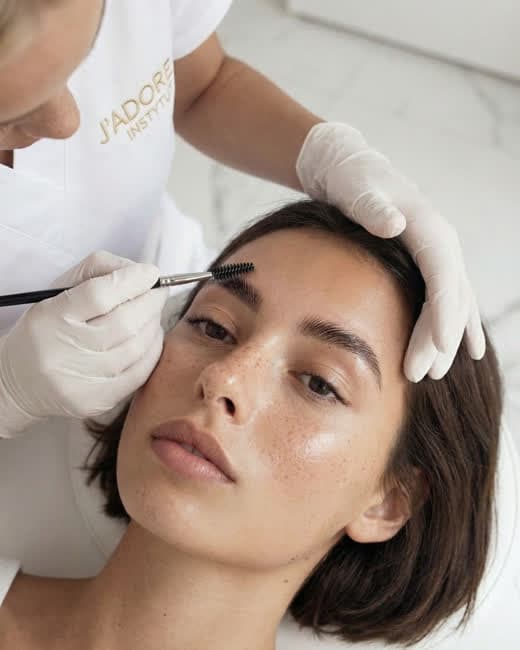
Look for brows with different widths, arches and levels of saturation. This shows that the stylist can change the design, rather than just technically stamping the product. A photograph taken immediately after the treatment shows the precision of the border, but it does not say how the colour faded or whether the skin reacted.
Ask for photographs in daylight and examples taken after a few days. Check whether the skin has been smoothed with a filter and whether the front of the brow has been additionally corrected with a pencil. The lack of such photographs does not disqualify a place, but it does require a more detailed conversation.
Mapping should account for asymmetry, not promise its complete removal.
The face is not perfectly symmetrical, and brows work in tandem with muscles. Mapping helps to establish the start, arch and tail, but it should not create a shape detached from your natural hairs. Ask the stylist to show you the drawing before applying the product and to explain where it is impossible to achieve an even stain due to a lack of hair or a scar.
- Can I approve the shape before the colouring?
- Which differences result from the hair and which from muscle movement?
- Is shaping part of the service and what method will be used?
- How soft will the front be after the first wash?
The colour is matched to the hair, skin and expected fading.
The darkest shade does not automatically provide the longest effect. It may leave the hairs too cool once the stain on the skin has already faded. Ask whether the stylist mixes shades, how they account for your skin tone and what will happen to the colour after a few washes.
Oily skin usually retains the powder stain for a shorter time than dry skin. More intense degreasing does not change the biology of the skin and may irritate it. An honest answer distinguishes the longevity on the hairs from the longevity on the epidermis instead of giving one number for the entire service.
Asking about the composition and a patch test is not an exaggeration.
The term "natural henna" does not describe the full composition of the product. Preparations may contain various dyes and additives, so anyone with a history of reactions to hair dyes, henna or brow cosmetics should disclose this before the visit. The salon must know the name of the system used and the manufacturer's instructions.
A patch test has limitations: the lack of a reaction in a small area does not guarantee the lack of a reaction during a full application. It is still useful if the protocol requires it. You should be cautious if you are assured that "a plant-based product does not cause allergies" or that previous tolerance guarantees safety forever.
Hygiene also includes brushes, tweezers and the way the product is picked up.
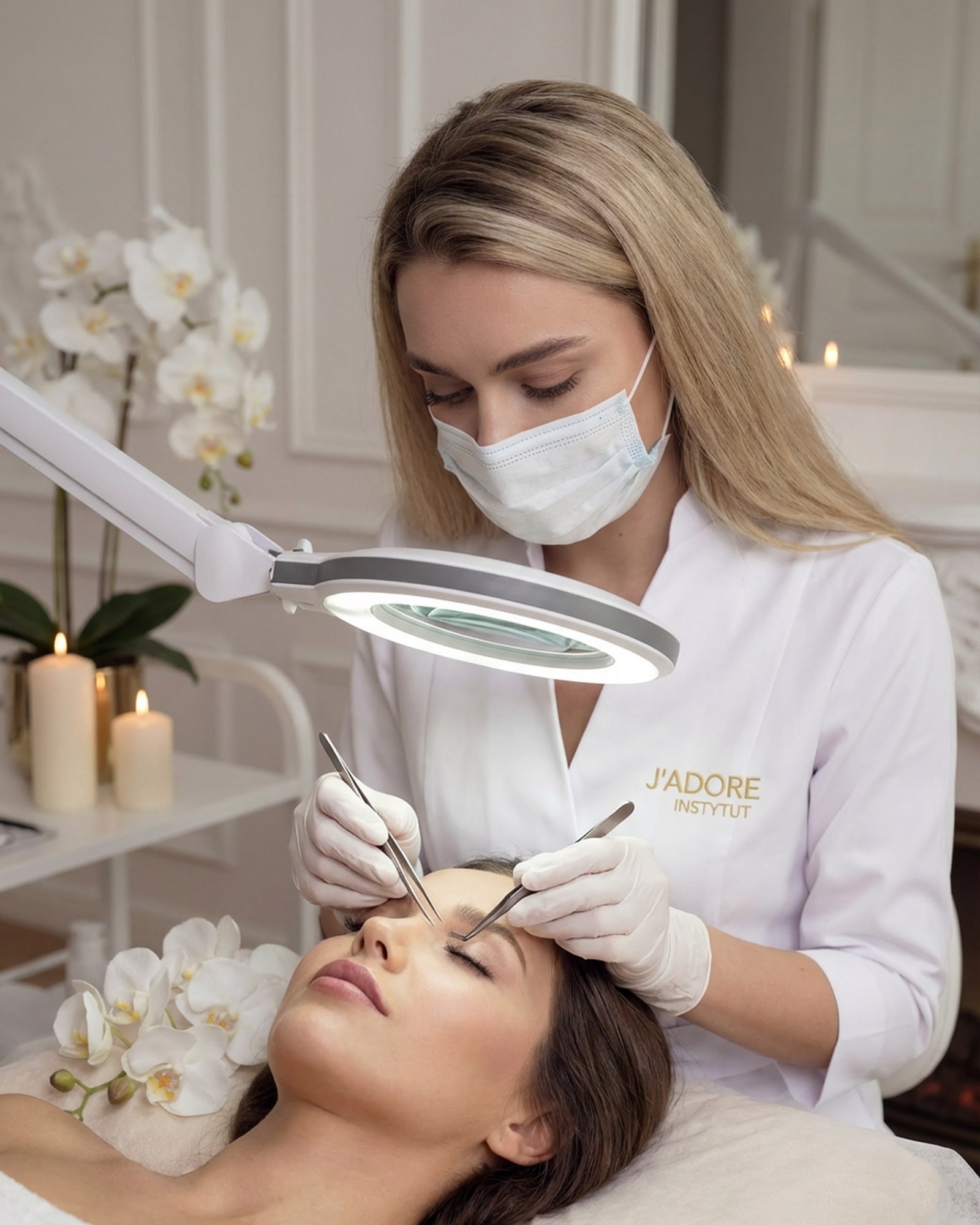
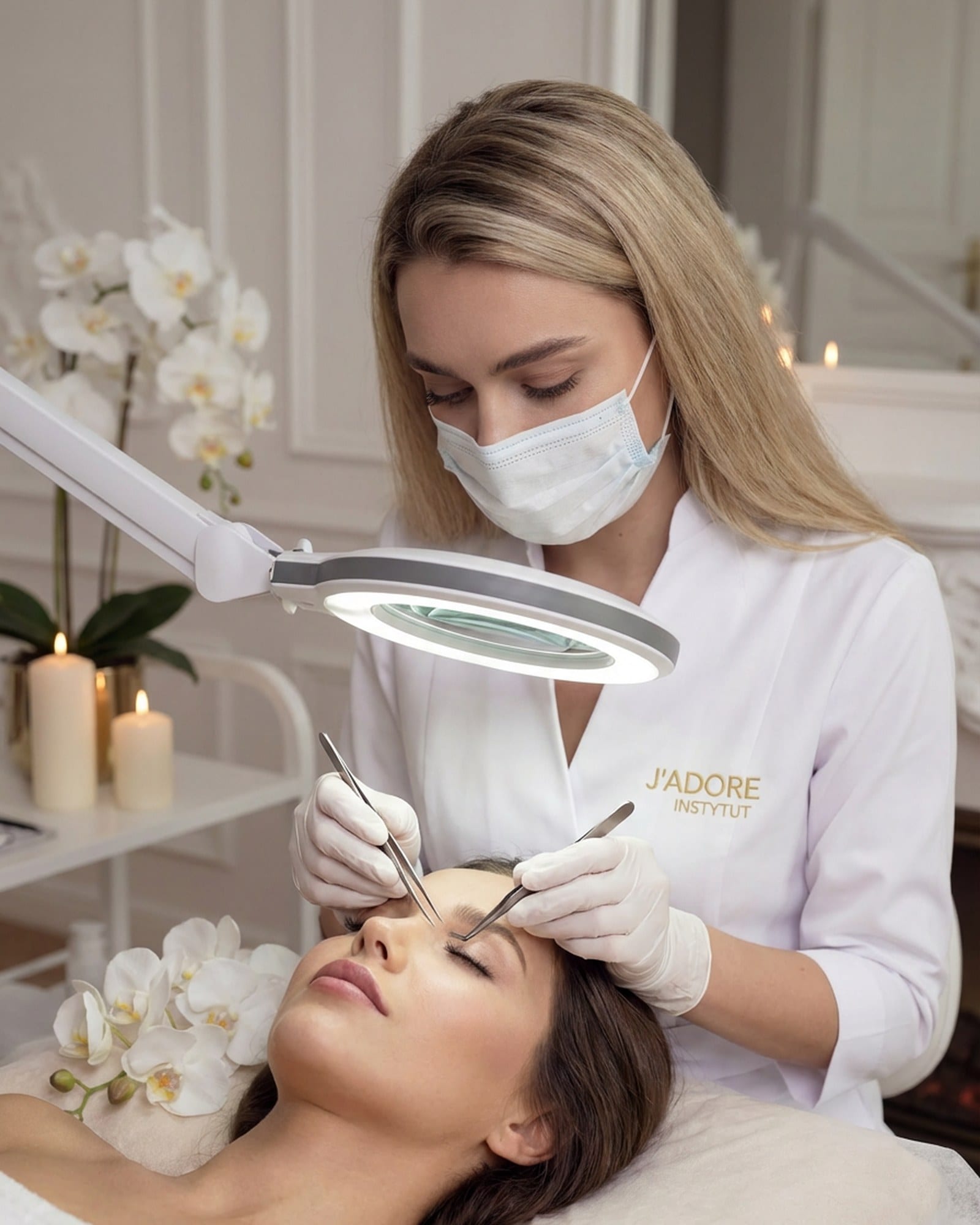
Disposable applicators should not return to the packaging after contact with the skin. Tweezers and reusable tools must undergo a proper decontamination process, and the workstation should be prepared before starting. Observe whether the stylist washes or disinfects their hands and whether a clean brush is opened for you.
Active irritation, a wound, an infection or a recent allergic reaction are reasons to postpone. Avoiding the lesion with a thin brush does not solve the problem, as the cleansing and shaping affect a larger area.
A good consultation explains when lamination, classic henna or no treatment at all would be better.
For thick hairs that mainly require setting, lamination may be more appropriate. If you need a delicate darkening without a stain on the skin, another colouring method will suffice. In the case of large gaps, henna can only temporarily stain the epidermis; it will not create hair structure.
Do not automatically combine lamination, shaping and intense colouring just because the package looks fuller. Weakened, brittle or recently chemically treated hairs may require a break. A salon should be able to forgo part of the service without presenting it as a worse result.
Before payment, establish the rules for touch-ups and reactions after the treatment.
Ask what to do if a patch appears after the first wash, the colour turns out to be too cool or itching occurs. The answer should separate aesthetic touch-ups from skin reactions. In the first case, photographs and a calm assessment are needed; in the second, the priority is safety, not saving the pigment.
The salon should provide recommendations in writing and a contact channel. Home lightening with alcohol, acid or hair dye must not be a standard instruction. If a touch-up requires reapplying the product, the appointment is scheduled after assessing the skin.
Shaping, consent and touch-ups demonstrate expertise better than a single photograph.
Tweezers, thread and wax create different sensations and risks. Wax can damage skin weakened by retinoids, acids or recent sun exposure; threading can be highly irritating during active inflammation; tweezers require time and precision. Ask why a given method was chosen and whether it can be omitted.
The shape should not depend on removing an increasing number of hairs. Excessive shaping on both sides can create thin brows that henna only temporarily draws on the skin. A good stylist knows how to leave asymmetry to grow out and show you a transition plan.
Do not shape your brows yourself before the visit to save time. Removing hairs changes the material on which the shape is designed and may leave fresh micro-injuries. After shaping, the skin should be examined before applying further products.
Before application, establish an acceptable level of darkness for the first day and the tone that should remain on the hairs. The result depends on hair porosity, previous dyes, sebum, epidermis thickness and time. It is impossible to promise an identical stain to that of the person in the photograph.
Ask about the touch-up procedure: when the difference is assessed, what photographs to send, after how long the product can be reapplied and what to do if the tone is too cool. A good answer does not start with home scrubbing with alcohol or immediate coverage with a darker mixture.
If you have an important event, have your first visit well in advance. You will learn the fading process and your skin's reaction. A new product, an unknown stylist and a graphic effect the day before a wedding create a situation with no margin for change.
A review saying "it lasted a very long time" does not explain whether the author is talking about the skin, the hairs or the overall impression. It does not state the skin type, cleansing routine or cosmetics used. Treat it as one person's experience, not a promise.
In negative reviews, separate the process from biology. A lack of mapping, dirty tweezers and a refusal to communicate are red flags for a salon. Faster fading of the dye from oily skin may result from its properties, provided this was discussed before the treatment.
Look for repeatable descriptions of the procedure: the stylist showed the drawing, asked about allergies, matched the tone, explained the first day and provided recommendations. These actions can be replicated. The most beautiful photograph may be the result of perfect starting material.
A choice is only complete when you also know the answer "no". A salon should postpone the treatment in case of active irritation, forgo shaping after a reaction and refuse a colour that cannot be safely achieved on the current base.
In Warsaw, compare the process in two salons, not just the photograph.
J’ADORE INSTYTUT operates Warsaw salons at ul. Żelazna 59 and ul. Mińska 29A/46. You can find the scope of the service on the powder henna page in Warsaw. Before your visit, prepare a photograph of your brows without make-up and inspiration showing intensity rather than someone else's anatomy.
After the consultation, you should know the planned shape, tone, the expected difference between the first day and the later effect, and the procedure to follow in case of a reaction. If you can only describe that "it will be long-lasting and intense", you have received a promise, not a design.
Choose a place that knows how to leave part of the skin without dye, say "this gap will still be visible" and postpone the treatment in case of irritation. In brow styling, restraint is a technical skill, not a lack of ambition.