

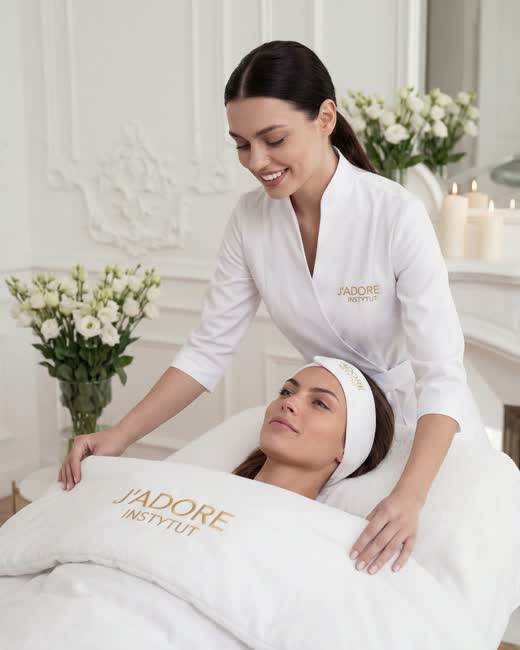
How does massage affect the body?
- Mechanism: Parasympathetic nervous system activation — Result: "Rest and digest" mode — lower heart rate, blood pressure and tensionMechanism: Parasympathetic nervous system activationResult: "Rest and digest" mode — lower heart rate, blood pressure and tension
- Mechanism: Reduced cortisol — Result: After 45 minutes of massage, cortisol drops by around 30% (AMTA research)Mechanism: Reduced cortisolResult: After 45 minutes of massage, cortisol drops by around 30% (AMTA research)
- Mechanism: Increased oxytocin and serotonin — Result: Improved mood, reduced anxietyMechanism: Increased oxytocin and serotoninResult: Improved mood, reduced anxiety
- Mechanism: Vasodilation — Result: Improved microcirculation → better muscle oxygenationMechanism: VasodilationResult: Improved microcirculation → better muscle oxygenation
- Mechanism: Reduced fascial tension — Result: Fascia relaxes under continuous, slow pressureMechanism: Reduced fascial tensionResult: Fascia relaxes under continuous, slow pressure
- Mechanism: Lymphatic system stimulation — Result: Gentle techniques speed up lymph drainage → reduced swellingMechanism: Lymphatic system stimulationResult: Gentle techniques speed up lymph drainage → reduced swelling
Types of relaxation massage at J'ADORE
Classic (Swedish) massage — the foundation
Swedish massage uses 5 core techniques: effleurage (stroking), petrissage (kneading), friction (rubbing), tapotement (tapping) and vibration.
Ideal for: Everyone — everyday tension, neck pain, stress, poor sleep.
Duration: 60 or 90 minutes
Aromatherapy massage — senses and relaxation
Classic massage combined with essential oils (lavender, eucalyptus, rose, ylang-ylang, bergamot). The oil is absorbed through the skin and the respiratory tract — a dual relaxing effect.
Choosing an oil for the effect you want:
- Oil: Lavender — Effect: Calming, helps with falling asleepOil: LavenderEffect: Calming, helps with falling asleep
- Oil: Eucalyptus + mint — Effect: Refreshing, stimulating after fatigueOil: Eucalyptus + mintEffect: Refreshing, stimulating after fatigue
- Oil: Ylang-ylang — Effect: Deep relaxation, mood liftOil: Ylang-ylangEffect: Deep relaxation, mood lift
- Oil: Tea tree — Effect: Purifying, suitable for sensitive skinOil: Tea treeEffect: Purifying, suitable for sensitive skin
- Oil: Citrus — Effect: Energising, mood-boosting, antioxidantOil: CitrusEffect: Energising, mood-boosting, antioxidant
Note: Tell your therapist about any allergies or asthma before choosing an oil.
Four-hand massage — double synchronisation
Two therapists work at the same time, in sync. The brain cannot "track" all the stimuli, so it lets go of control. The result is deeper relaxation than with a single-therapist massage.
Result: A faster, deeper drop into relaxation. Recommended for chronic stress and difficulty "switching off".
Duration: 60 minutes
Abdominal massage (superficial visceral massage)
Gentle work on the abdomen — releases abdominal fascia, improves peristalsis and reduces diaphragm tension.
Ideal for: Stress "held in the stomach", bloating, habitual constipation (with no organic disease), diaphragm tension.
Relaxation massage vs other massage types
- Aspect: Main goal — Relaxation: Relaxation, stress relief — Sports/deep tissue: Muscle therapy — Hot stone: Heat + relaxation — Shiatsu: Meridians, energy pointsAspect: Main goalRelaxation: Relaxation, stress reliefSports/deep tissue: Muscle therapyHot stone: Heat + relaxationShiatsu: Meridians, energy points
- Aspect: Pain during treatment — Relaxation: None — Sports/deep tissue: Possible — Hot stone: None — Shiatsu: SometimesAspect: Pain during treatmentRelaxation: NoneSports/deep tissue: PossibleHot stone: NoneShiatsu: Sometimes
- Aspect: Time to results — Relaxation: Immediate — Sports/deep tissue: Peaks at 24–48h — Hot stone: Immediate — Shiatsu: 1–3 daysAspect: Time to resultsRelaxation: ImmediateSports/deep tissue: Peaks at 24–48hHot stone: ImmediateShiatsu: 1–3 days
- Aspect: Ideal for — Relaxation: Everyone — Sports/deep tissue: Sport, injuries — Hot stone: SPA, gifting — Shiatsu: Eastern philosophyAspect: Ideal forRelaxation: EveryoneSports/deep tissue: Sport, injuriesHot stone: SPA, giftingShiatsu: Eastern philosophy
- Aspect: How often — Relaxation: 1–2×/month — Sports/deep tissue: After training — Hot stone: 1×/month — Shiatsu: 1×/monthAspect: How oftenRelaxation: 1–2×/monthSports/deep tissue: After trainingHot stone: 1×/monthShiatsu: 1×/month
How often should you get a relaxation massage?
- Goal: Managing chronic stress — Recommended frequency: 2× a month (every 2 weeks)Goal: Managing chronic stressRecommended frequency: 2× a month (every 2 weeks)
- Goal: Preventing tension build-up — Recommended frequency: 1× a monthGoal: Preventing tension build-upRecommended frequency: 1× a month
- Goal: Intensive relaxation programme — Recommended frequency: Series of 4–6 sessions over 3–4 weeksGoal: Intensive relaxation programmeRecommended frequency: Series of 4–6 sessions over 3–4 weeks
- Goal: Occasional / before an important event — Recommended frequency: As neededGoal: Occasional / before an important eventRecommended frequency: As needed
Preparation and aftercare
Before your massage:
- Arrive 10 minutes early — you'll need time to change and for a brief consultation
- Avoid a heavy meal for 1–2 hours before your visit
- Tell your therapist about any illnesses, pregnancy or injuries
After your massage:
- Drink water — this helps flush toxins released from the tissues
- Avoid intense exercise for 4–6 hours
- Don't plan important meetings right afterwards — you'll be too relaxed
- The relaxing effect can last 1–3 days
When should you not have a relaxation massage?
❌ Fever or acute infectious illness ❌ Active skin inflammation (dermatitis, lichen) ❌ Venous thrombosis or vasculitis ❌ Undiagnosed pain — see a doctor first ❌ Immediately after surgery (check the waiting period with your surgeon) ❌ First trimester of pregnancy (after the first trimester — prenatal massage by a specialist only)


